Ura Kanda


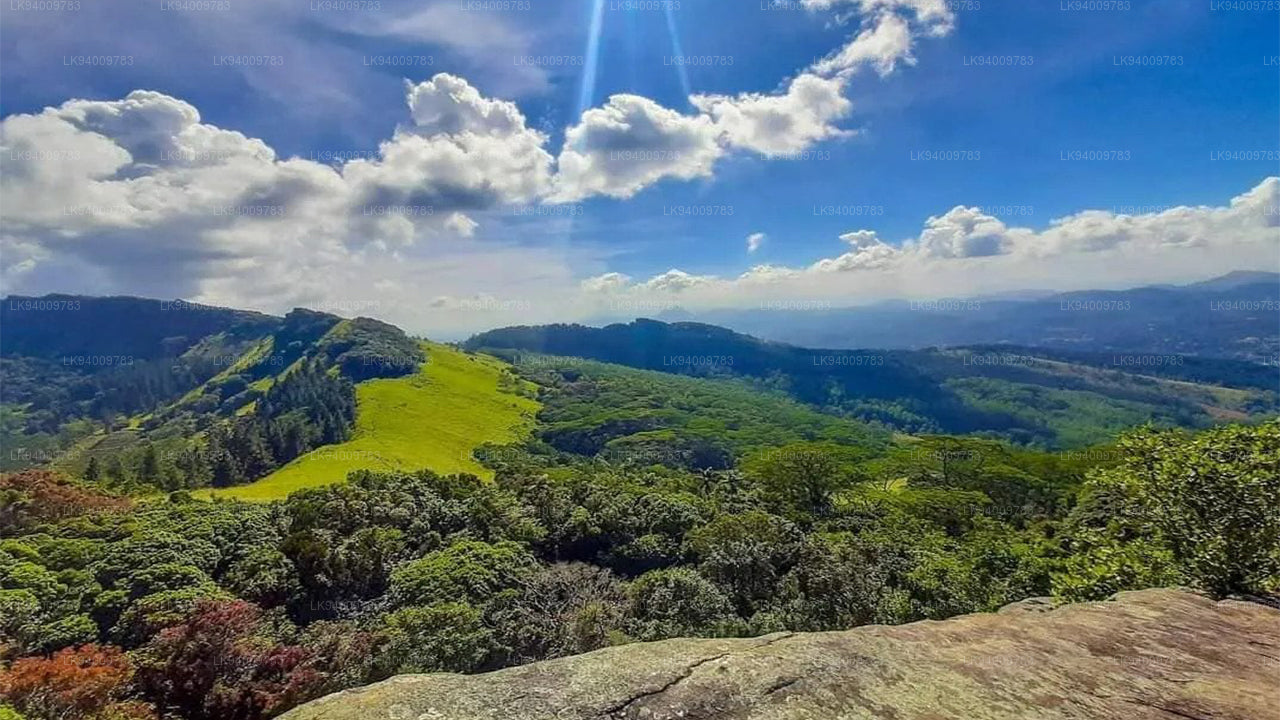
Ura Kanda, a relatively lesser-known destination in Sri Lanka, is a mountain located in the central highlands of the island. The name "Ura Kanda" translates to "Boar Mountain" in Sinhala, reflecting the rugged and wild nature of the terrain. This mountain is part of the diverse landscape of Sri Lanka's central province and offers a more off-the-beaten-path experience for trekkers and nature enthusiasts.
The region surrounding Ura Kanda is rich in natural beauty, with dense forests, rocky outcrops, and panoramic views of the central highlands. The area is home to a variety of flora and fauna, including endemic plant species and wildlife such as monkeys, birds, and occasionally, wild boars—true to the mountain’s name. The mountain offers a refreshing escape from the more frequented tourist destinations like Kandy or Ella, providing a quieter, more serene experience for those seeking solitude in nature.
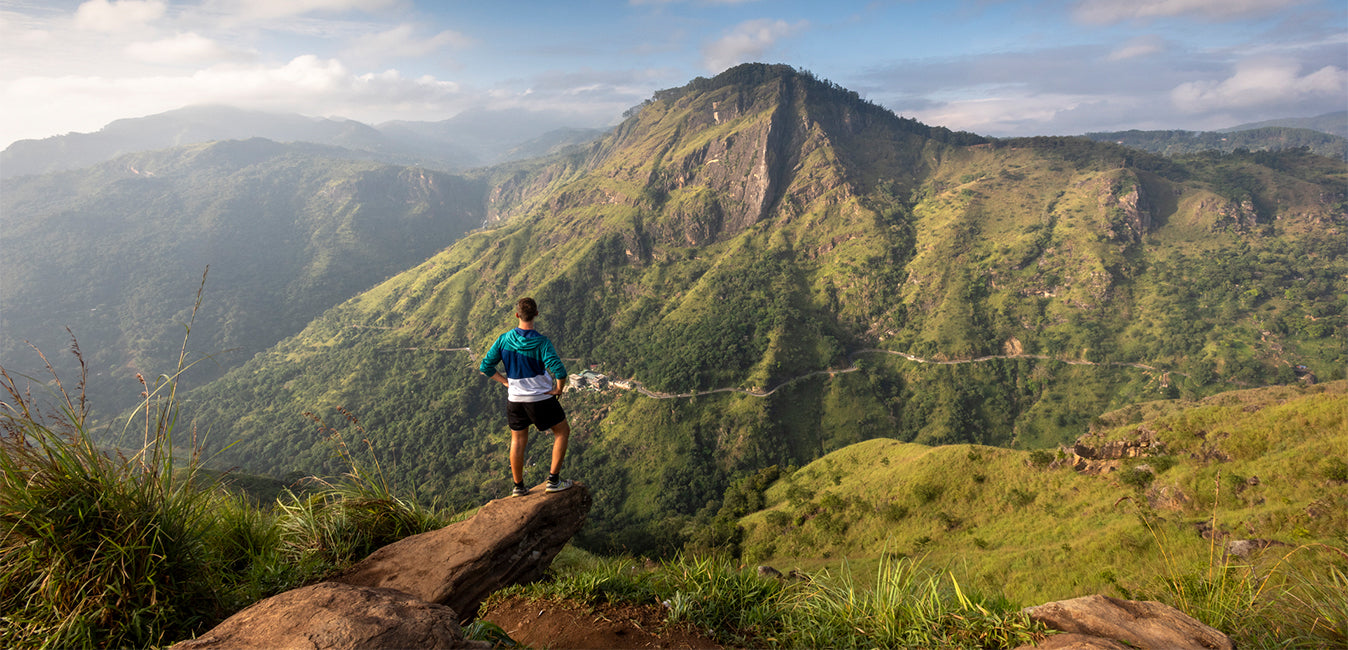
Trekking to Ura Kanda is one of the most popular activities for visitors. The trek itself is moderately challenging, making it accessible for most hikers, but still rewarding with stunning views at the summit. Along the way, hikers can enjoy the lush greenery, cool mountain air, and the sounds of nature. The trail passes through tea estates and small local villages, offering a glimpse into the rural lifestyle of the central highlands.
In addition to its natural beauty, Ura Kanda holds cultural significance for the local communities. There are small shrines and temples in the area, reflecting the spiritual connection that the local population has with the land.
In conclusion, Ura Kanda is an ideal destination for those looking to explore Sri Lanka’s natural beauty without the crowds. It offers a peaceful trekking experience, rich biodiversity, and a connection to the local culture, making it a hidden gem in Sri Lanka’s central highlands.


-
 Pidurutalagala
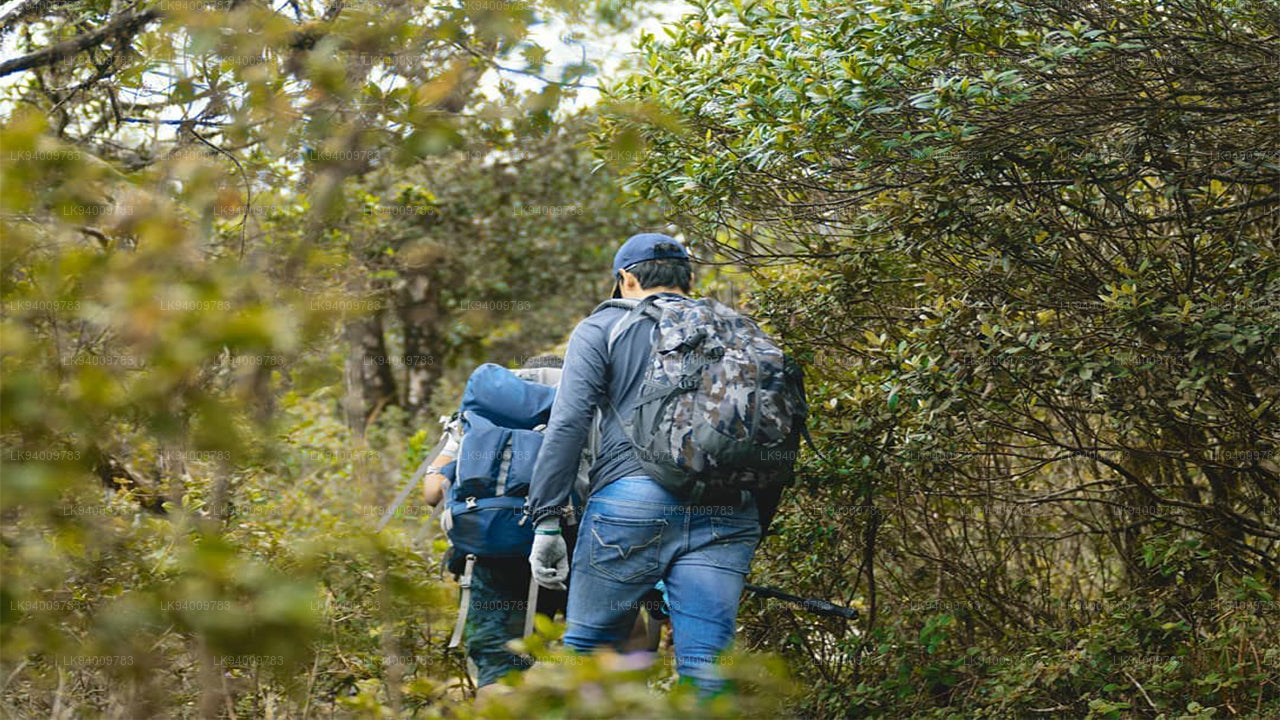
Pidurutalagala or Mount Pedro in English, is an ultra prominent peak, and the tallest mountain in Sri Lanka, at 2,524 m (8,281 ft). Mount Pedro is located close to the city of Nuwara Eliya, and is easily visible from most areas of the Central Province. It is situated North-North-East from the town of Nuwara Eliya.
-
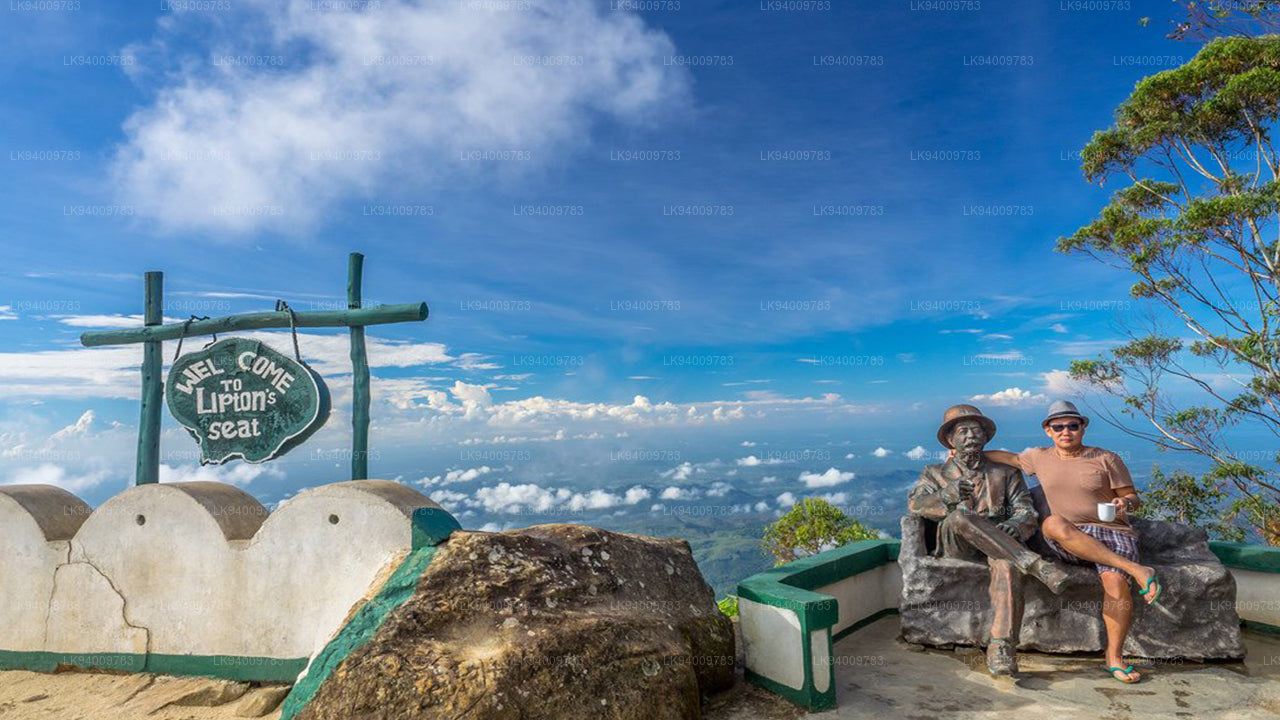 Lipton's Seat
Lipton’s Seat is a high observation point in the hills of Poonagala. Located on the top of the town’s namesake, Poonagala Hill, it is also near the Dambatenne Tea Factory. Lipton’s Seat is so named because the famed Scottish baron and tea planter Sir Thomas Lipton used it as the seat to survey his empire in a time long gone but not forgotten.
-
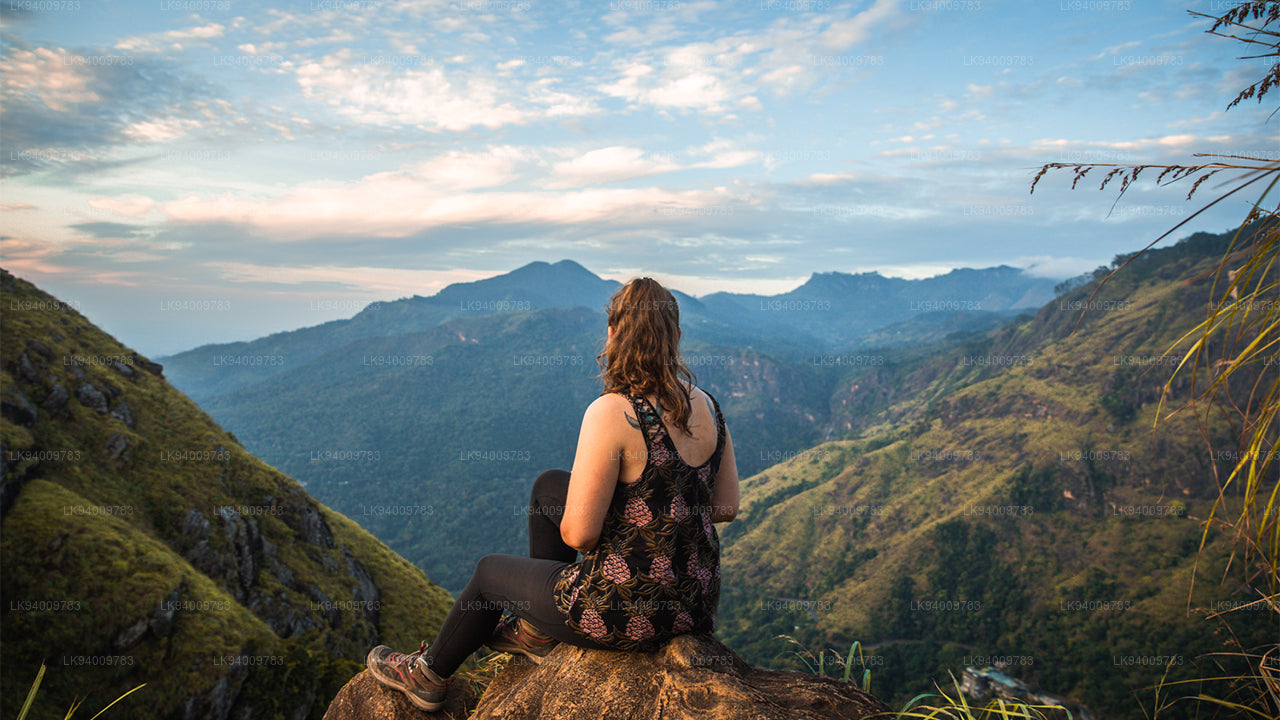 Little Adam’s Peak
Don’t defiance the beautiful tourism site in Sri Lanka, Little Adams Peak whether considering the word ‘Little’, it is named after the sacred Adams Peak (Sri Pada –where the foot print of Lord Buddha is preserved) regarding the similarity between the two mountains.
-
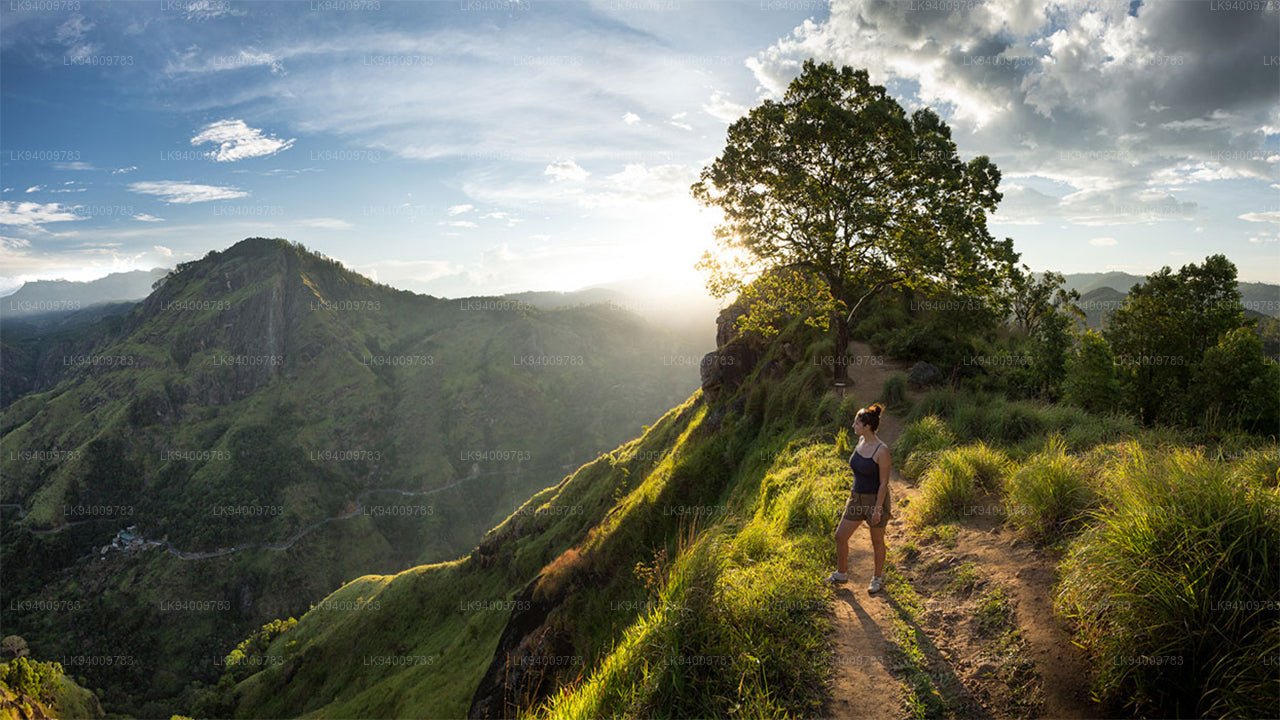 Ritigala
Ritigala can be reached from the turn-off from Habarana-Anuradhapura Road at a distance of 12 km from Habarana. Another 5 km along a graveled yet motorable road leads to the foot of the mountain.
-
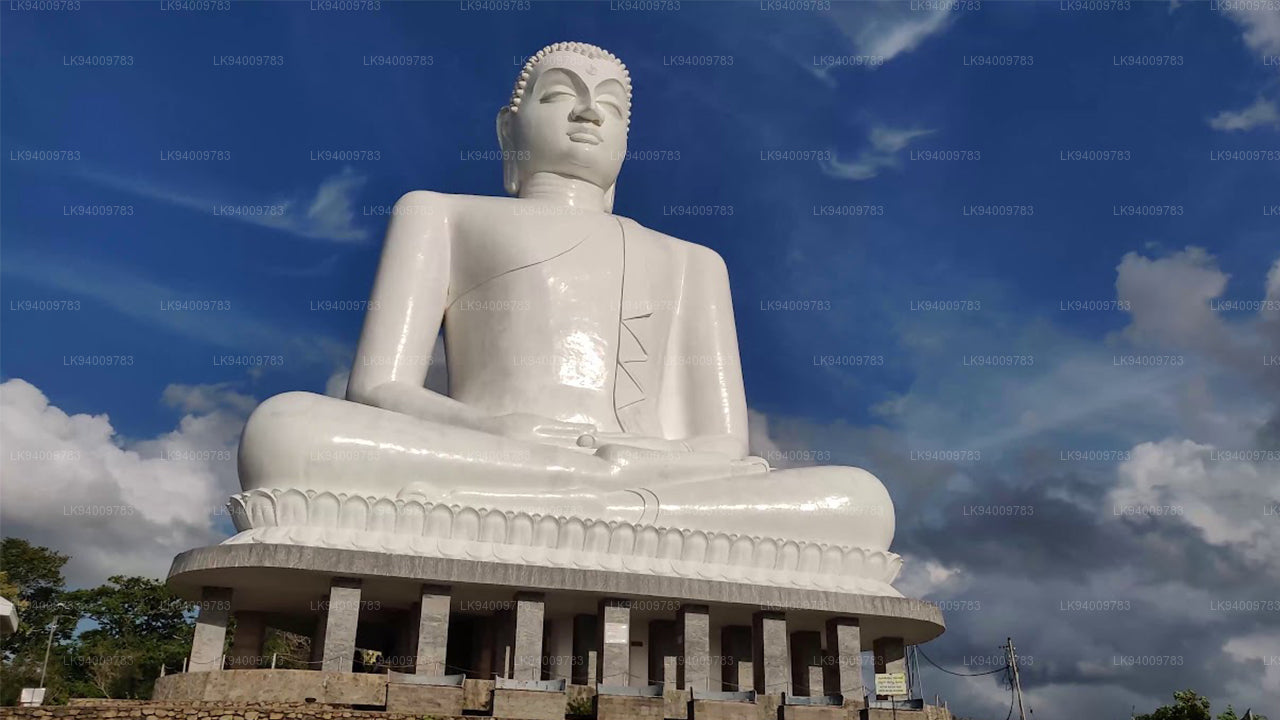 Ethagala (Elephnat Rock)
Ethagala (the Elephant Rock) is one of seven rocks that overlook the town of Kurunegala, in Sri Lanka. The rock face reaches 316 metres (1,037 ft) over the town and in its shape resembles a crouching elephant, which explains the rock’s name.
-
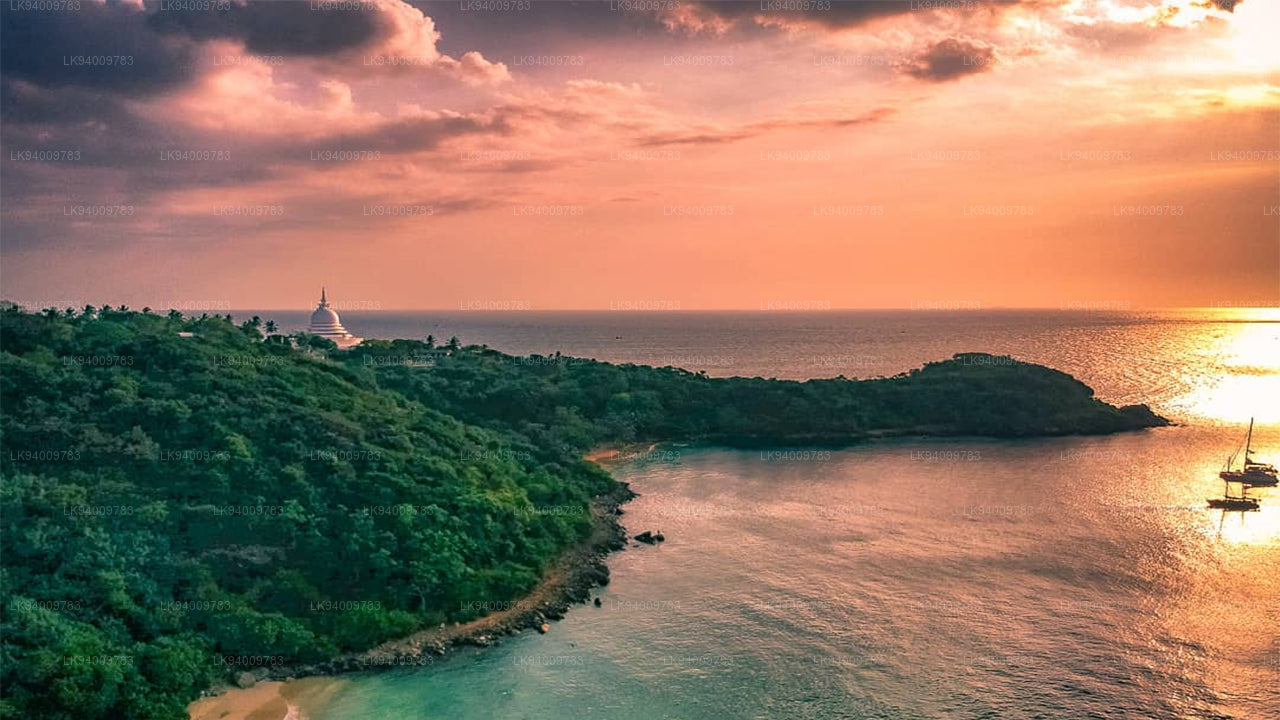 Rumasalla Mountain
Rumasalla Mountain. In the past, Rumassala was known as Buono Vista, a name that dates back to the colonial period, and most likely a corruption.
-
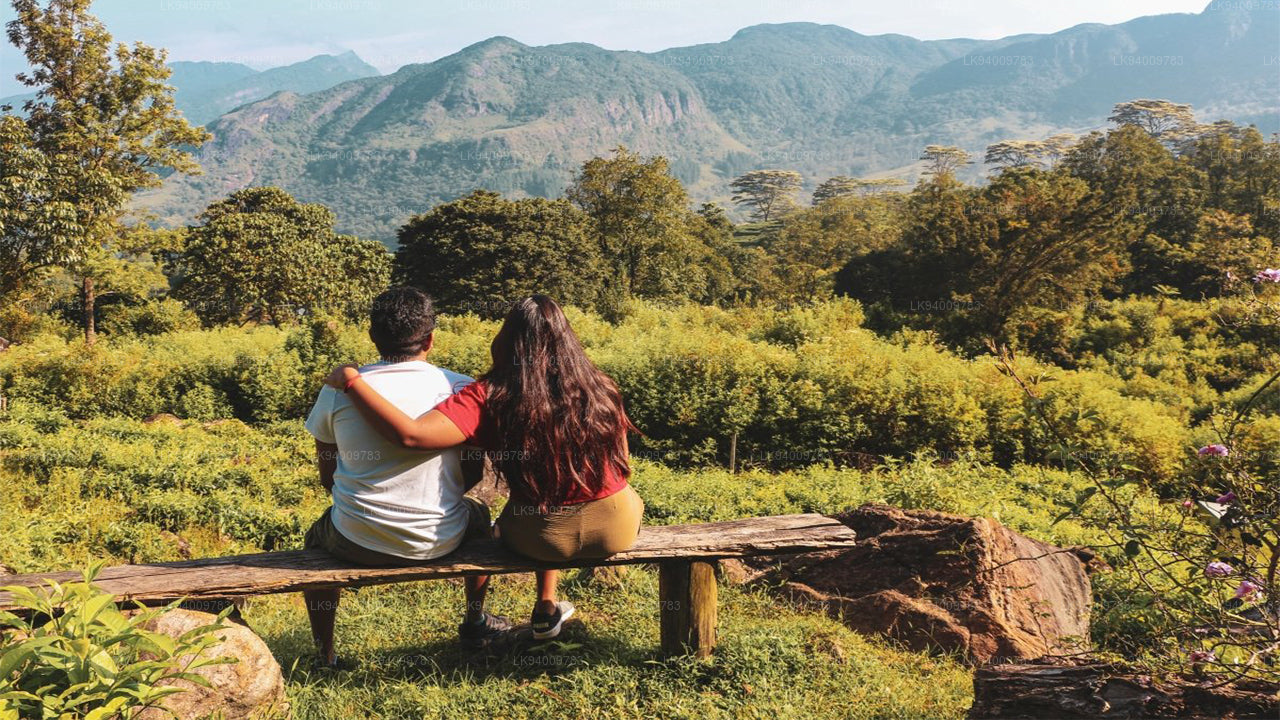 Knuckles Range
Knuckles range also called Dumbara mountain range is located off Kandy, in the northern end of Central Highlands of Sri Lanka. To the south and east of the mountain range is Mahaweli river basin while to the west are Matale plains.
-
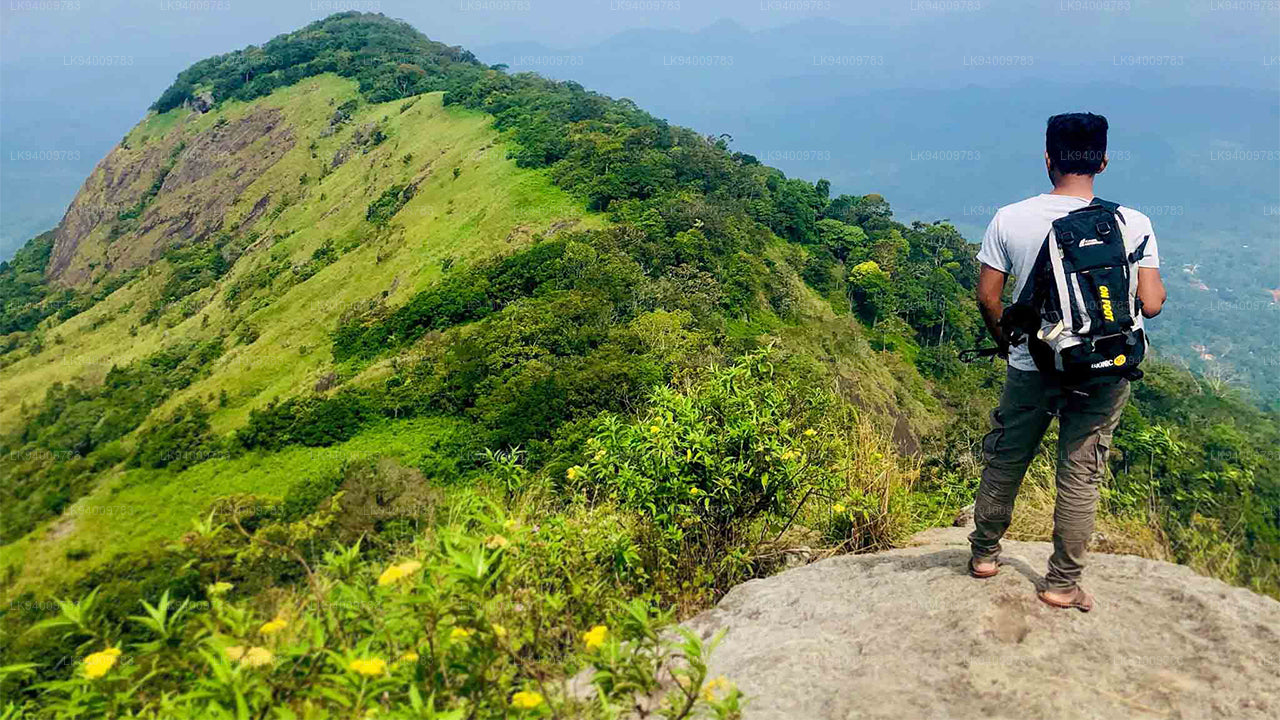 Alagalla Mountain Range
Alagalla Mountain Range. Alagalla Mountain Range or “Potato Range” is situated at the boundaries of the Central and Sabaragamuwa Provinces in Sri Lanka.
-
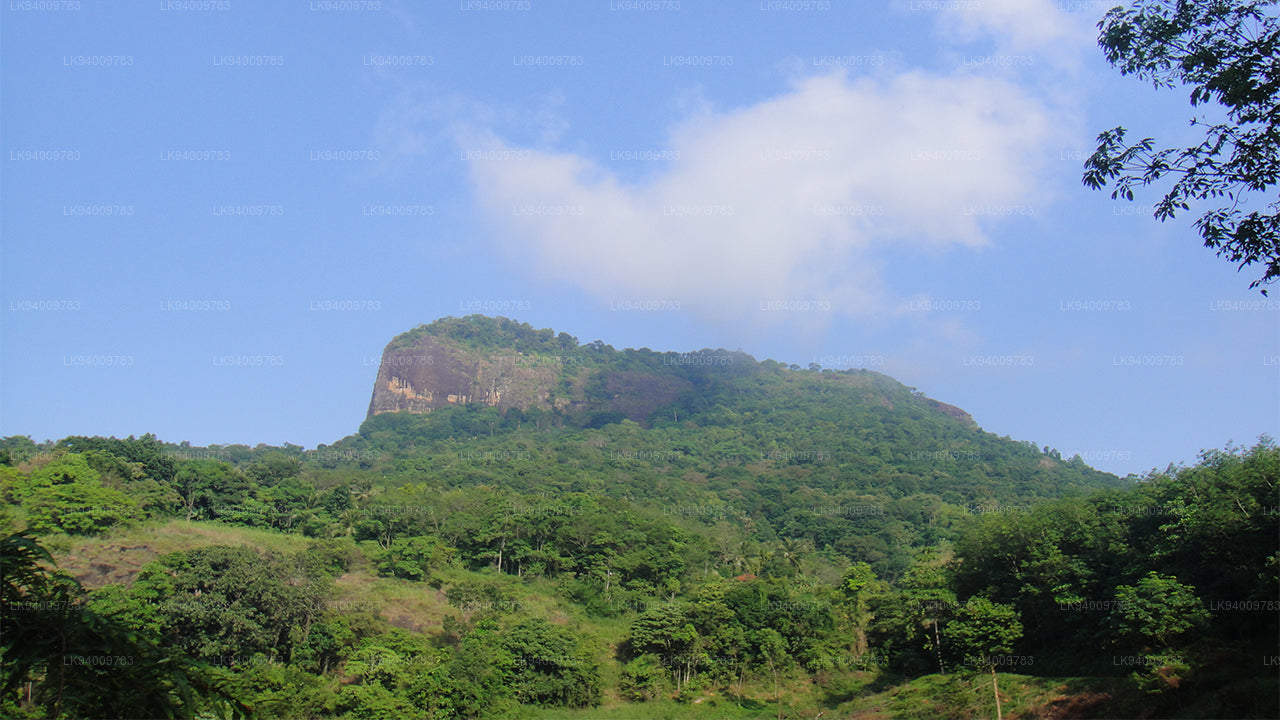 Bible Rock
Bible Rock is a mountain near Aranayake in Kegalle District in central Sri Lanka. It is known as the “Bible Rock” as its surface resembles.
-
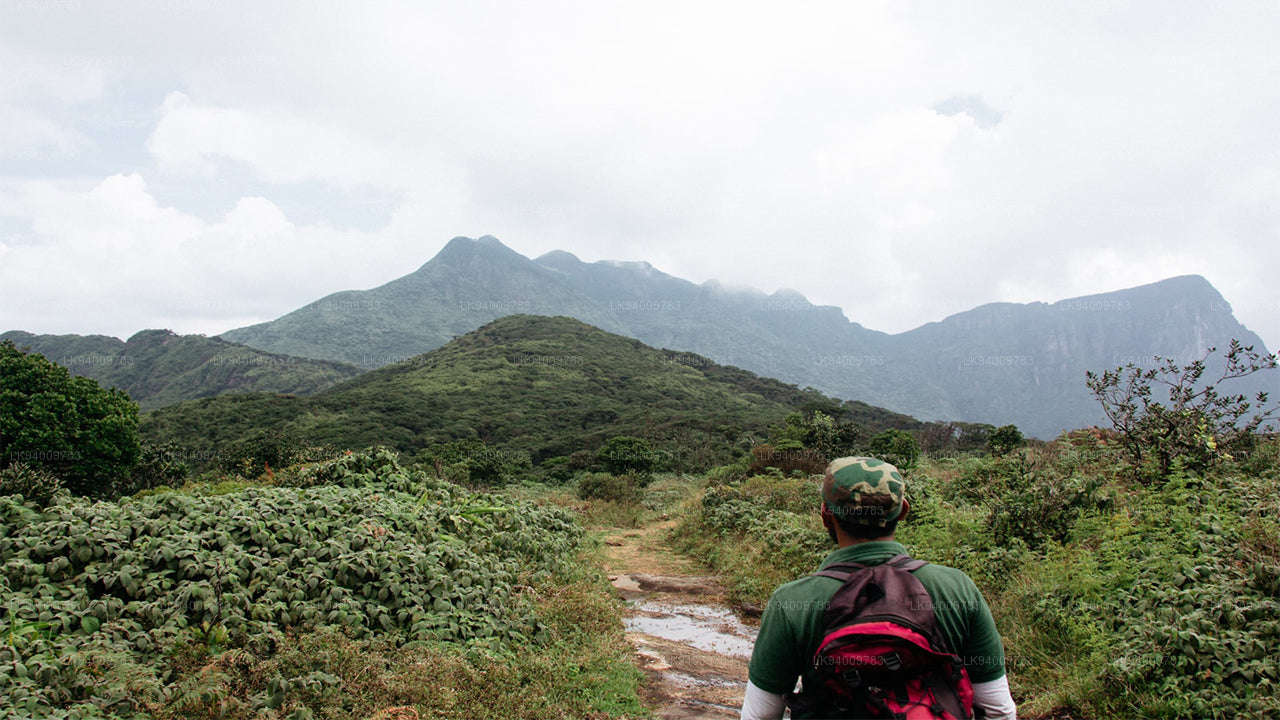 Monkey Mountain
Monkey Mountain. The Gal Oya area is resplendent with forest and lush with vegetation. Totally off-the-beaten-track and off-limits during the war, the area has avoided much development and the landscape is mostly unspoiled.
-
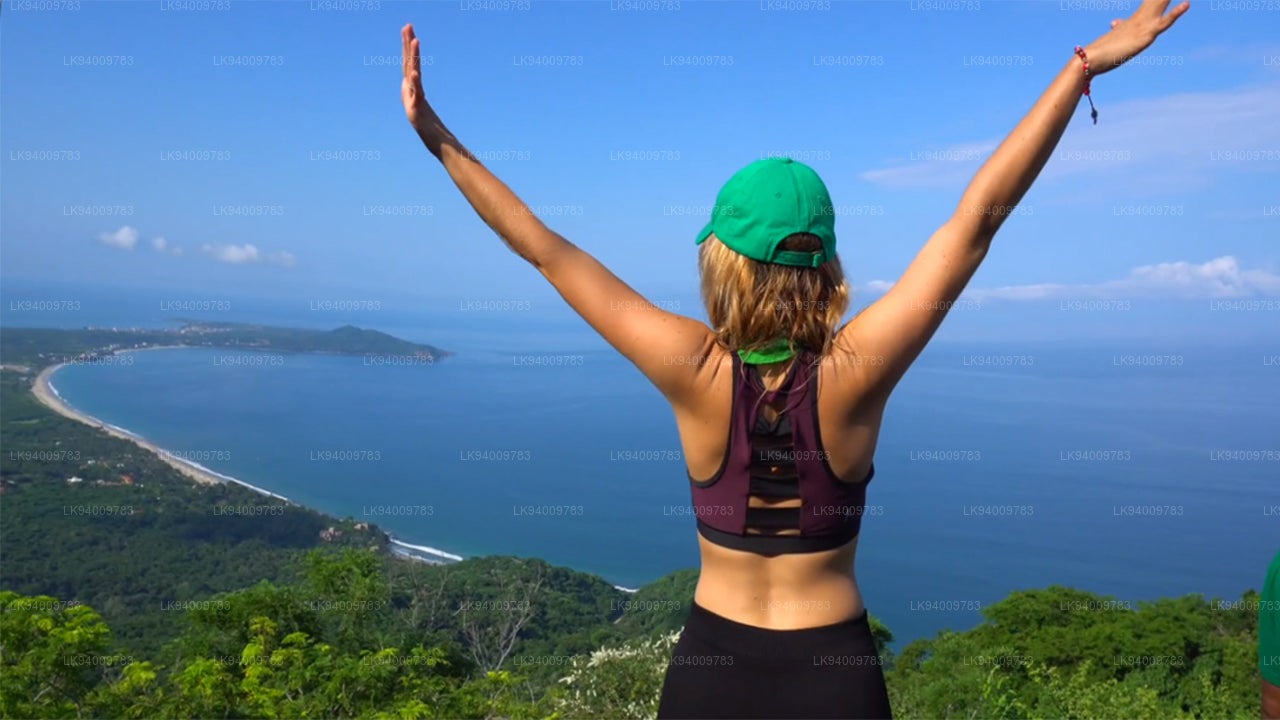 Yahangala
The great King Ravana’s body was kept after his death upon this rock called Yahangala( bedrock), for his countrymen to pay their last respects to their dear departed king.