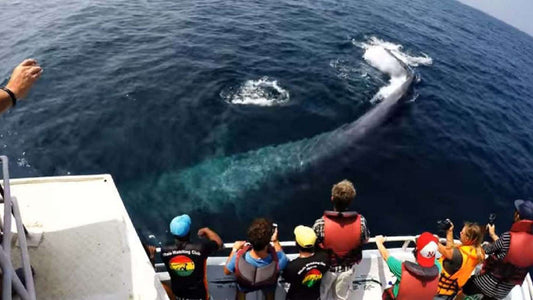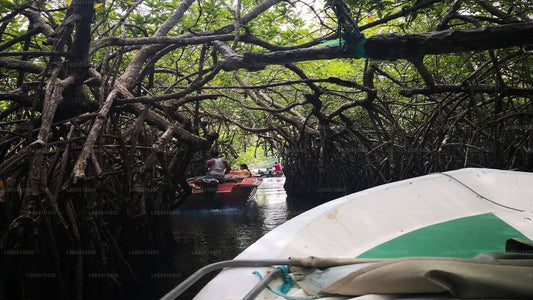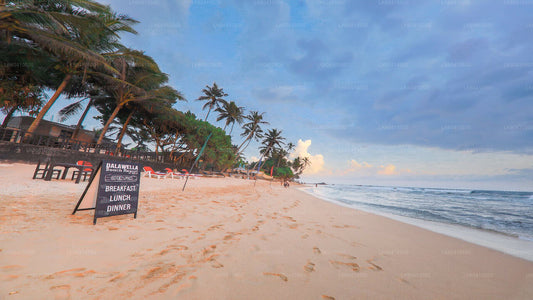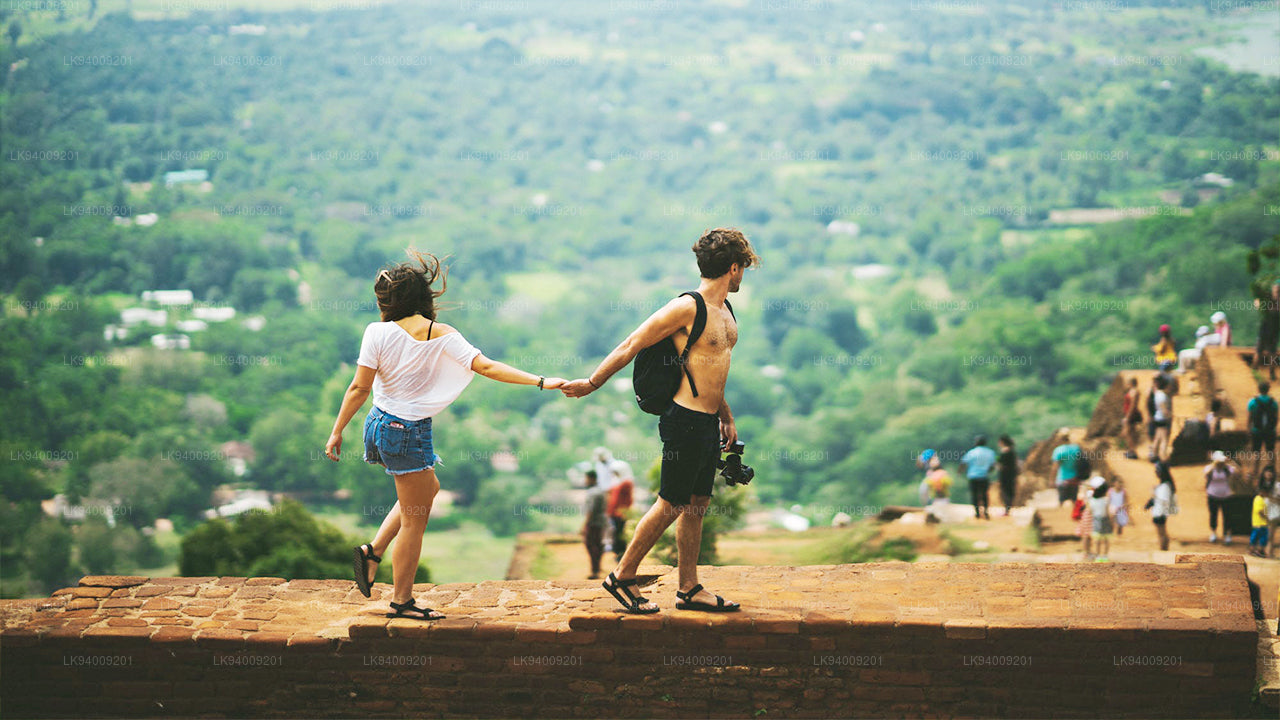



Unawatuna Beach curves around a sheltered bay about 6 km south of Galle, making it one of the most accessible and consistently popular beaches on Sri Lanka's southern coast. The bay's natural shape keeps the water relatively calm for most of the year, which is part of the reason it draws everyone from families with young children to open-water divers heading to the offshore reefs.
What makes Unawatuna Bay different from other southern beaches?
Unlike the long, exposed stretches of beach further along the coast, Unawatuna's crescent shape provides a natural windbreak. The water along the inner arc is shallow enough for confident wading and swimming for much of the dry season, while the headlands at each end of the bay shelter the sand from heavy surf. A fringing reef runs parallel to the beach at a moderate distance, which explains both the calm inshore water and the rich marine environment just beyond it.
The beachfront itself is lined with guesthouses, cafes, and small dive operators, giving the strip a relaxed, self-contained feel. Despite the concentration of tourism facilities, the bay retains a scale that doesn't feel overwhelming — it remains a neighbourhood beach as much as a resort destination.
What can you see and do at Unawatuna?
Most visitors come for the water, and the options range from simply floating in the bay to multi-day dive courses on the wrecks and reefs offshore.
- Swimming and snorkelling: The reef closest to the shore is reachable by a short swim. Colourful reef fish, sea turtles, and moray eels are among the species regularly seen. Snorkelling gear is available to rent from several beachfront operators.
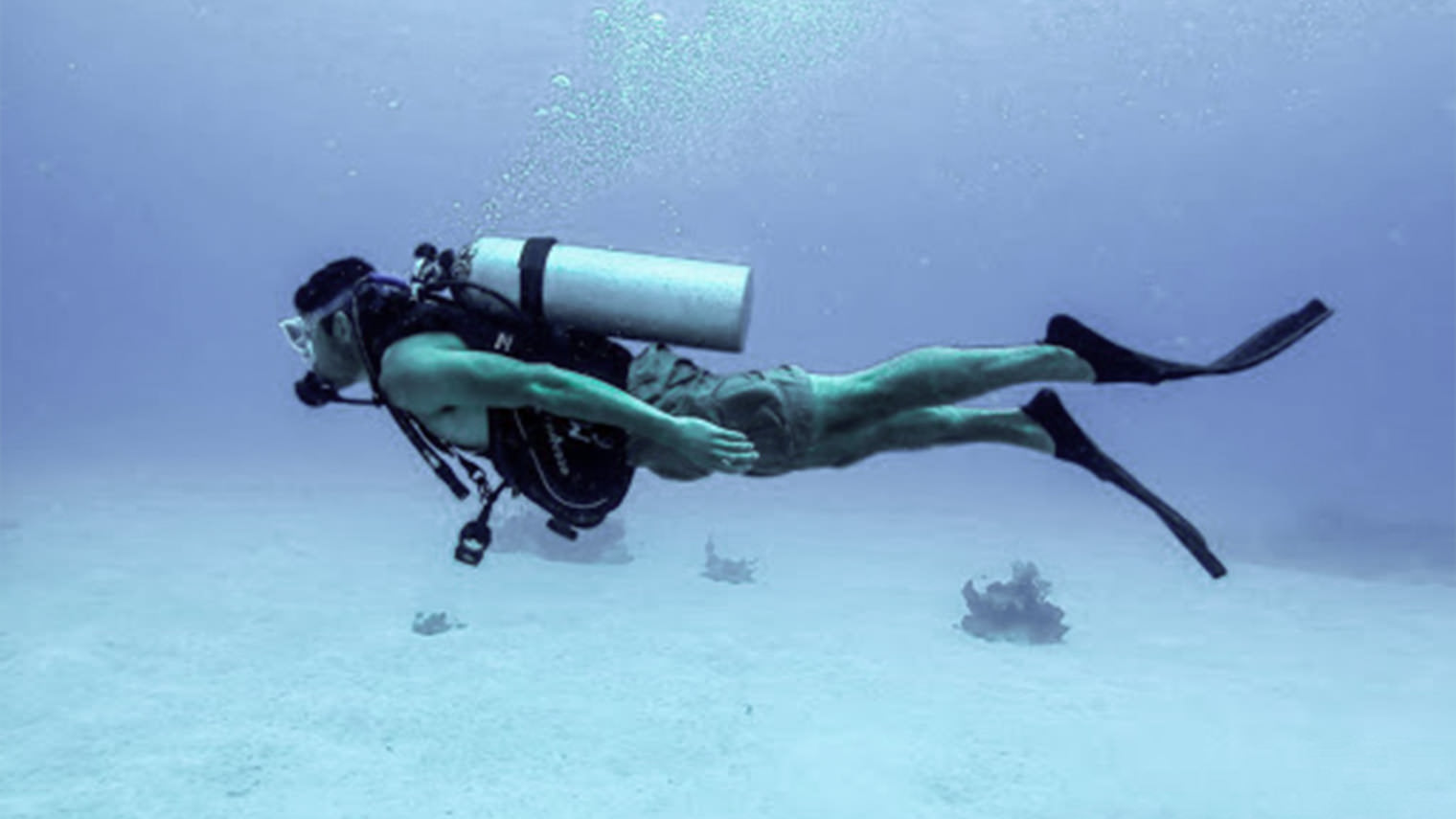
- Scuba diving: Dive sites in the area include the Rangoon wreck, a large World War II-era steamship, as well as cathedral rock formations and shallow coral gardens. Most dive schools on the beach cater to both beginners and certified divers.
- Kayaking and stand-up paddleboarding: The calm inner bay is well suited to both; equipment hire is available at the beach.
- Surfing: The break at the eastern end of the bay — sometimes called Jungle Beach — works best for intermediate surfers during the right swell. Unawatuna is not a premier surf destination, but conditions can be good at certain times of the dry season.
What cultural and historical sites are near Unawatuna?
The beach sits in a part of southern Sri Lanka that is unusually rich in attractions within a short radius.
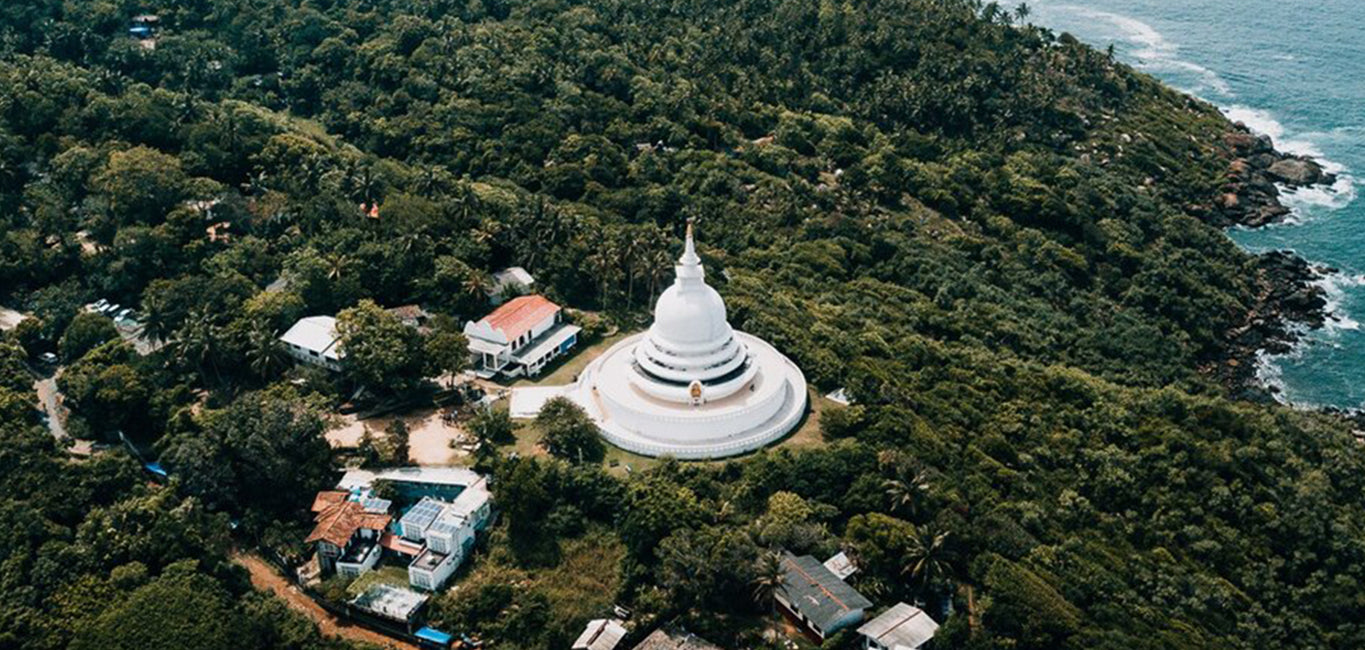
Japanese Peace Pagoda: Built on a forested hill at the western end of the bay, this white Buddhist stupa was constructed by Japanese monks in the 1970s. The hilltop position offers a wide view across the bay and the coastline to the south. A path leads up through the trees from the beach road — the walk takes around 15 minutes.
Galle Fort: The Portuguese-built, Dutch-enlarged fort that UNESCO inscribed as a World Heritage Site in 1988 is roughly 20 minutes by road from Unawatuna. Its rampart walls, Dutch Reformed church, colonial street grid, and concentration of independent boutiques and cafes make it well worth a half-day visit. Lakpura's Galle City Tour covers the fort in detail alongside the surrounding heritage town.
Koggala Sea Turtle Conservation Project: A short drive east along the coast, the Koggala Sea Turtle Conservation Project works to protect nesting sea turtles and rehabilitate injured individuals. A visit makes a meaningful complement to seeing turtles in the water at Unawatuna.
When is the best time to visit Unawatuna Beach?
The southern coast's dry season runs from roughly November through April, and these months offer the most reliable weather for beach activities, snorkelling, and diving. Sea conditions are generally calm, visibility underwater is at its best, and rainfall is minimal.
From May onward, the south-west monsoon brings rain and increasingly rough seas. Swimming becomes less advisable along much of the southern coast during this period, and dive operators may restrict offshore trips. The bay's sheltered shape means conditions inside the cove can remain calmer than the open coast, but the July–September peak of the monsoon is genuinely unsettled. Visitors who arrive outside the dry season should check sea conditions locally before entering the water.
| Period | Weather | Sea Conditions | Suitability |
|---|---|---|---|
| November – April | Dry, sunny | Calm, good visibility | Ideal for all activities |
| May – June | Transitional, occasional rain | Moderate | Beach walking; check sea conditions |
| July – October | South-west monsoon | Rough offshore | Limited beach activities; Galle Fort visits unaffected |
How do I get to Unawatuna from Colombo?
Unawatuna is roughly 130 km south of Colombo. By private car or hired driver the journey takes around two to two-and-a-half hours depending on traffic, making it feasible as a long day trip from the capital or — more comfortably — as the first stop on a southern coast itinerary. The Southern Expressway (E01) significantly reduces travel time compared with the old coastal road.
The Colombo–Matara railway line passes through Galle, and Unawatuna has its own small station on this route. The train journey is scenic and slower than driving but offers views of lagoons and coastline that the expressway bypasses. From Unawatuna station it is a short three-wheeler ride to the beach.
Where to eat near Unawatuna Beach
The beachfront strip and the parallel back road are lined with restaurants covering a wide range of styles. Freshly caught fish, crab curry, and prawn dishes feature prominently on most menus. Several places offer Sri Lankan rice-and-curry lunches alongside Western and international options. Eating at a simple beachside spot with a view of the bay is one of the uncomplicated pleasures of spending time here — there is no shortage of options across different price points.
Where to stay at Unawatuna
Accommodation at Unawatuna ranges from no-frills guesthouses and small family-run bungalows a few minutes from the sand to boutique hotels with direct beach access and more upscale resorts with pools and spa facilities. The bay is compact enough that almost every property is within a 10-minute walk of the water. Booking in advance is strongly recommended from December through March, when the beach is at its busiest.