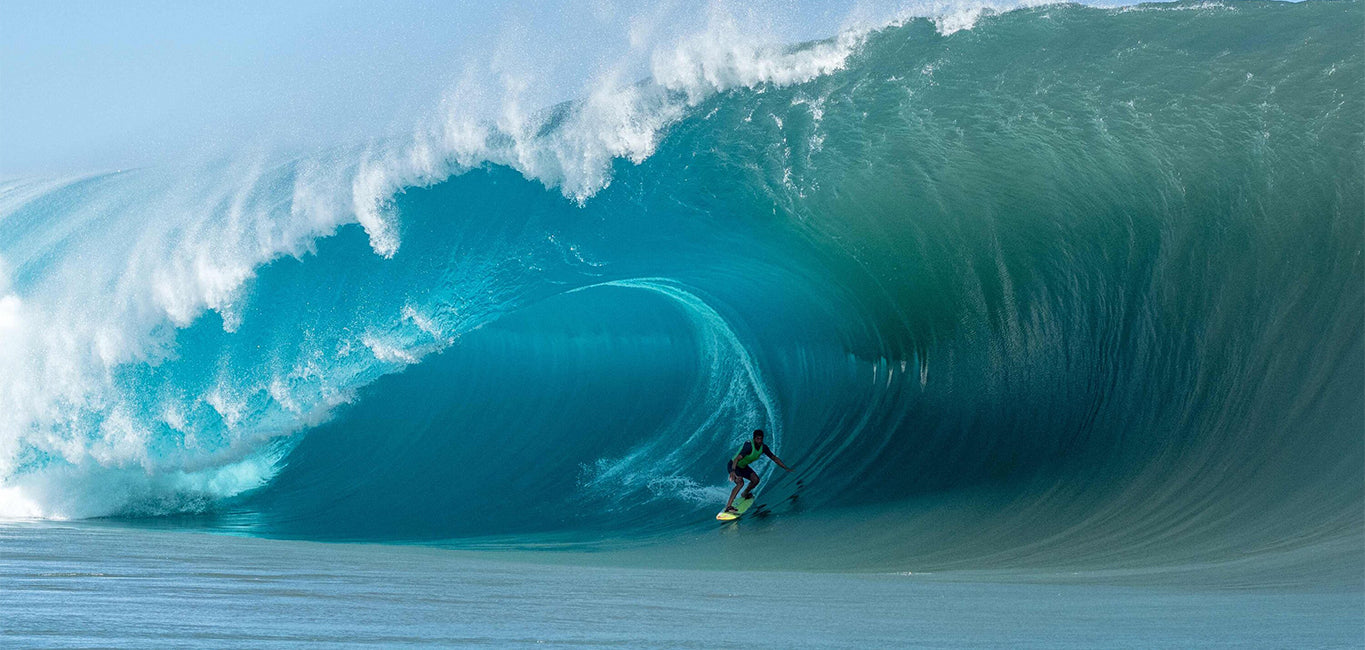
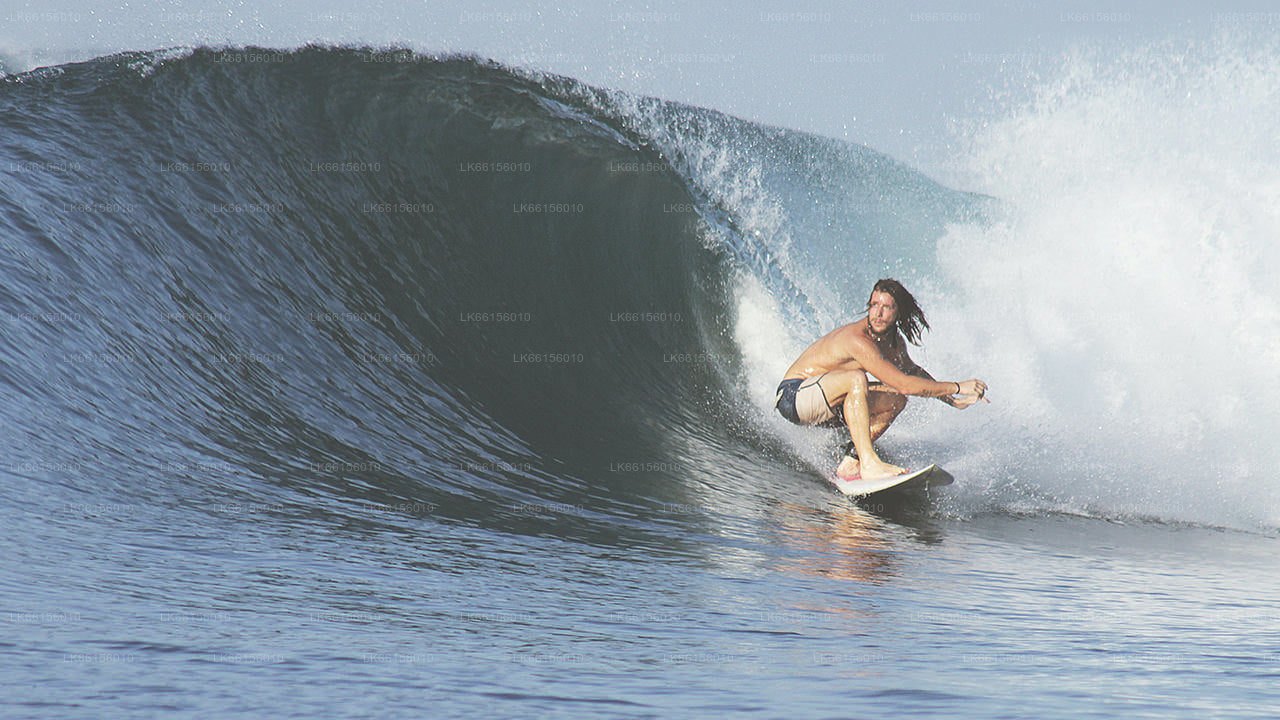
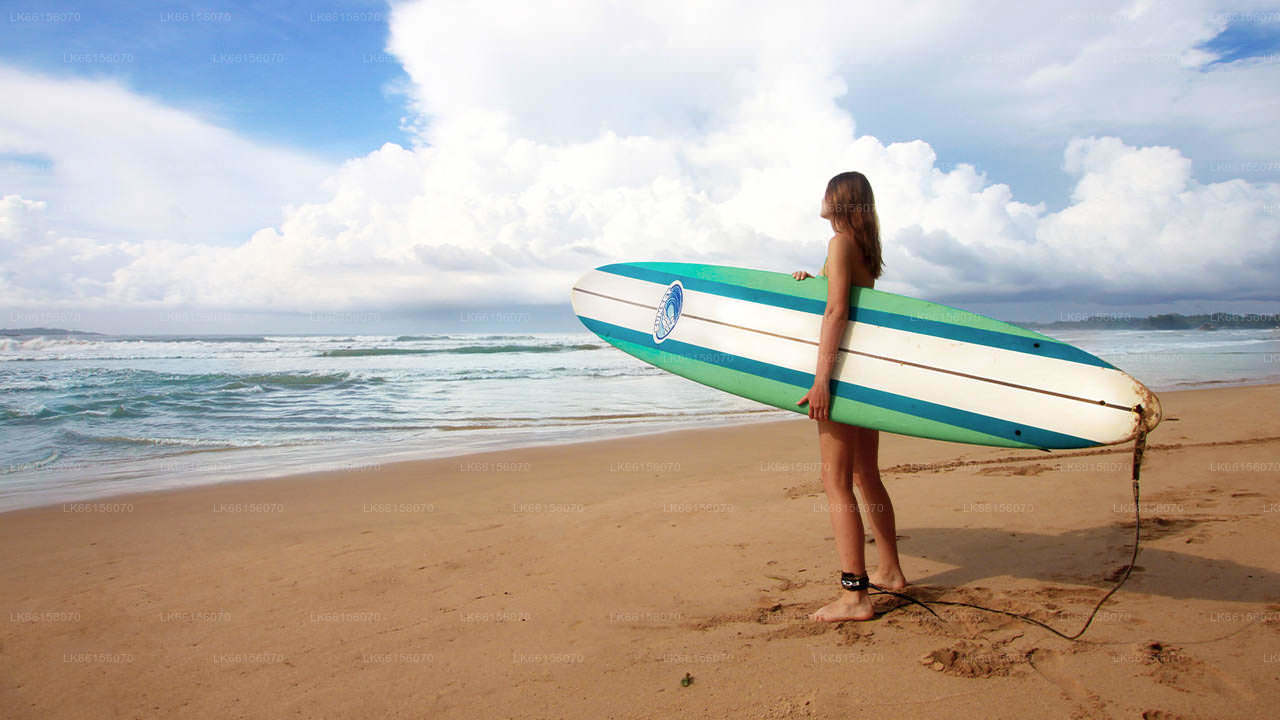
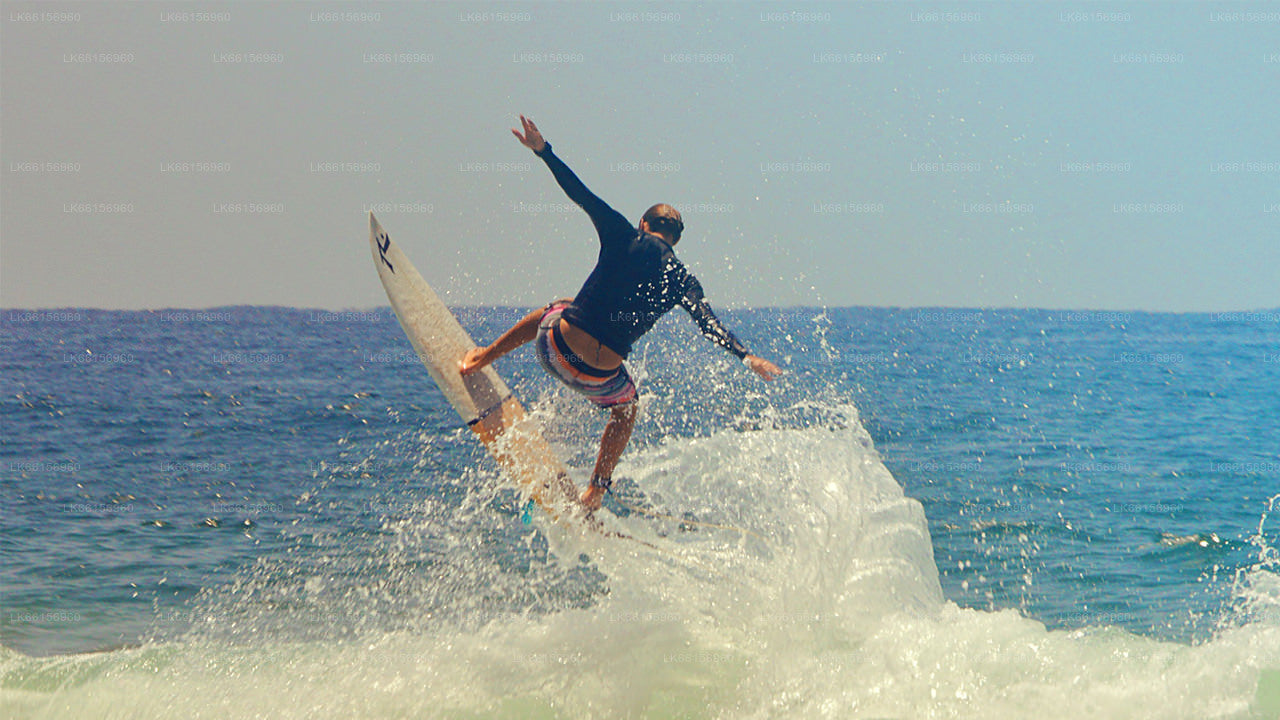
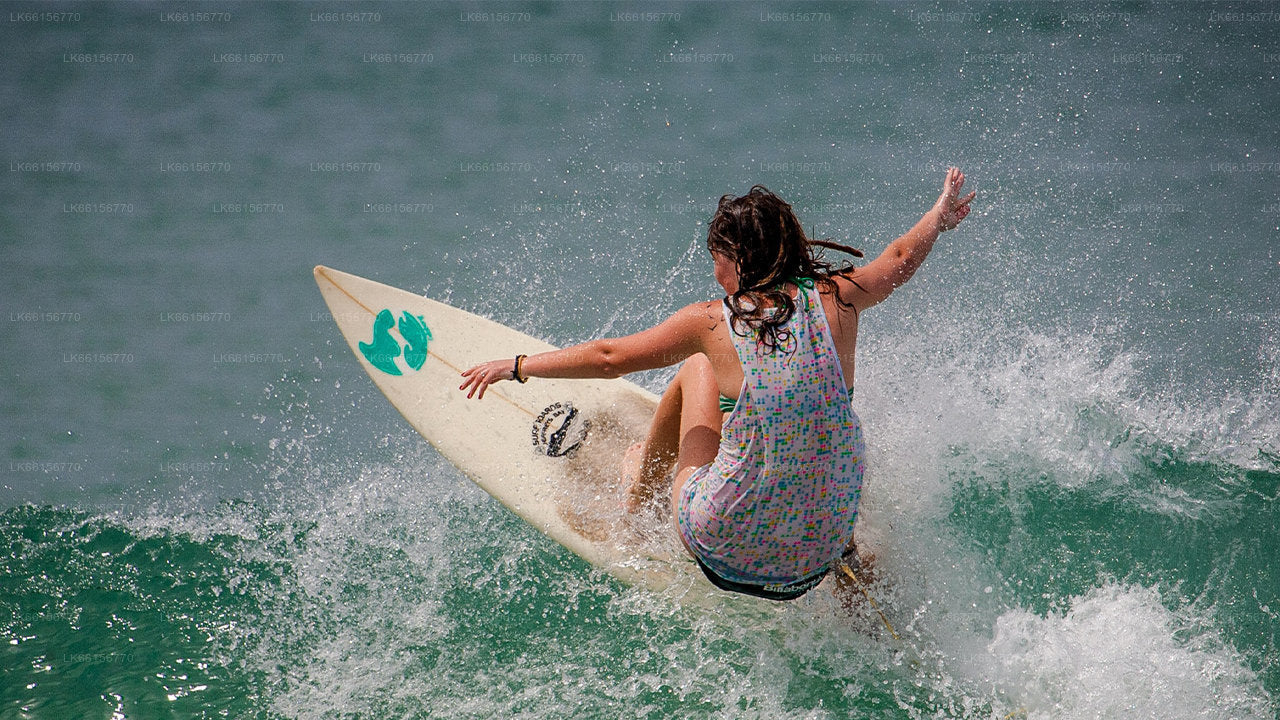
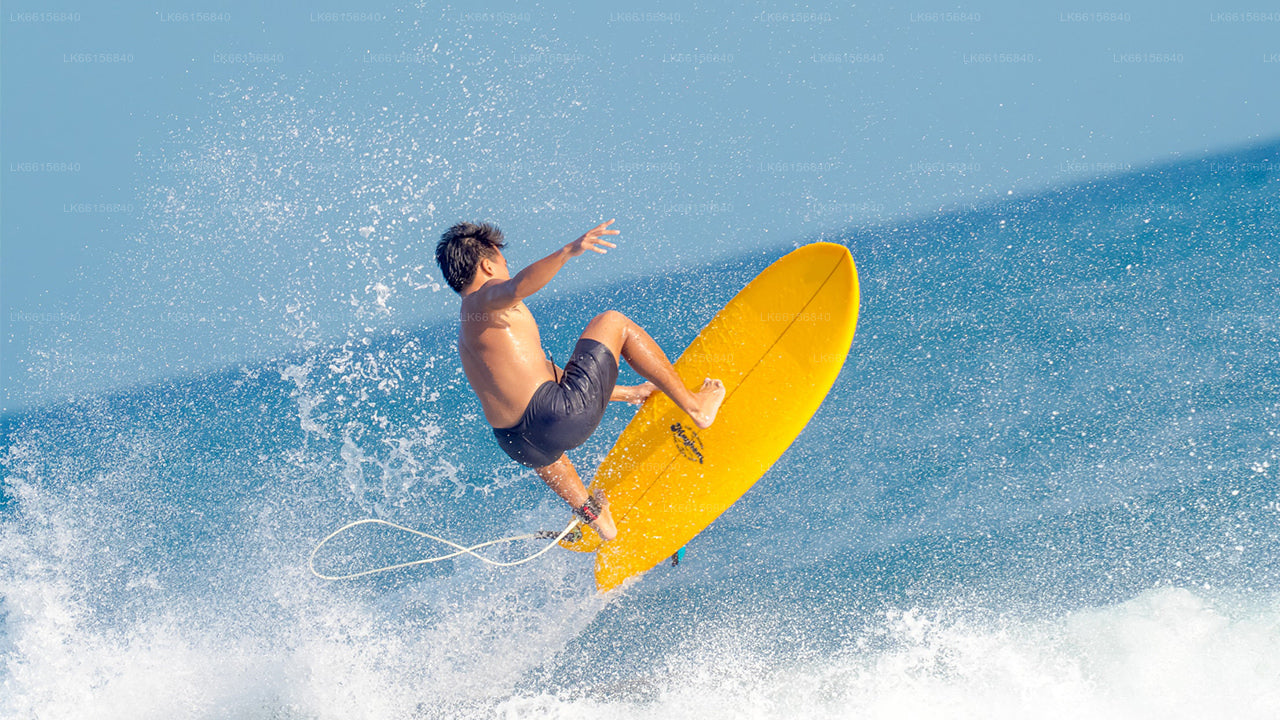
Sri Lanka has been on the international surf map since the early 1960s, when the first wave riders discovered its warm water, consistent swells, and long, relatively uncrowded coastline. Today, the island draws surfers of every level — from first-timers who want a gentle beach break to experienced riders chasing long, hollow point breaks. Because Sri Lanka straddles two distinct monsoon cycles, there is almost always a surfable coast open somewhere on the island, making it a year-round destination for wave sport.
What makes Sri Lanka a good surfing destination?
The Indian Ocean delivers reliable swell to both the southwest and east coasts, and the island's geography creates a variety of break types: point breaks, reef breaks, and beach breaks all exist within a relatively compact land area. Water temperatures stay warm throughout the year — typically between 27 °C and 30 °C — so a wetsuit is rarely necessary. Crowds are modest by global standards, and surf schools operating at the main spots make lessons straightforward for beginners.
When is the best time to surf in Sri Lanka?
The answer depends on which coast you plan to visit. Sri Lanka's two monsoon seasons split the island into two broad surfing windows:
- Southwest coast (Hikkaduwa, Weligama, Mirissa, Ahangama, Unawatuna): The best swells arrive between November and April, during the northeast monsoon, when the southwest coast is sheltered from rain and wind. Conditions are generally mellow, making this stretch ideal for beginners and intermediate surfers.
- East coast (Arugam Bay): The season runs from April through October, peaking in June, July, and August. Arugam Bay is widely regarded as one of the top point breaks in Asia, and the season coincides with the island's dry spell on the east coast.
Surfers who plan trips around shoulder months — May on the southwest coast or late October on the east coast — should expect variable conditions but also fewer visitors.
Where are the best surf spots in Sri Lanka?
Arugam Bay
Located on the east coast in Ampara District, Arugam Bay is Sri Lanka's most celebrated surf destination and consistently appears on lists of the world's best point breaks. The main point, simply called "Main Point," produces long right-handers that can run for several hundred metres on a good day. Surrounding breaks — Pottuvil Point, Crocodile Rock, and Whiskey Point — offer alternatives for different swell sizes and skill levels. The bay has a relaxed beach-town atmosphere with surf camps, board rentals, and experienced local instructors.
Hikkaduwa
Hikkaduwa on the southwest coast is one of Sri Lanka's oldest tourist towns and has been a surf destination since the 1970s. The reef break here suits intermediate and advanced surfers, though the inside sections can be forgiving for learners on small swells. The town offers plenty of board-hire shops and a lively beachfront scene.
Weligama
Weligama Bay is arguably the most beginner-friendly surf spot on the island. The wide, sandy bay produces long, slow waves that roll in consistently between November and April, giving new surfers plenty of time to pop up. Numerous surf schools operate here with qualified instructors, and the break is shallow enough for confidence-building without being dangerously shallow.
Ahangama
A short drive east of Weligama, Ahangama is a step up in difficulty. The reef break here draws intermediate to advanced surfers looking for more power and shape than Weligama provides. It is less crowded than some of the more tourist-heavy spots, which appeals to surfers who prefer a quieter line-up.
Mirissa
Mirissa is better known as a whale-watching port, but it also has a workable surf break that suits beginner and intermediate riders during the southwest-coast season. The beach is beautiful and the surrounding area has excellent food and accommodation, making it a convenient base for a mixed surf-and-leisure trip.
Unawatuna
Unawatuna sits inside a sheltered bay near Galle, which means waves here tend to be smaller and gentler than at more exposed spots. That makes it suitable for absolute beginners and for days when other spots are too big. The beach is well-developed with restaurants, guesthouses, and easy access from Galle Fort.
How do I get to the main surf spots from Colombo?
| Surf Spot | Approximate Distance from Colombo | Typical Travel Time by Road |
|---|---|---|
| Hikkaduwa | Around 100 km | 2–2.5 hours |
| Unawatuna | Around 125 km | 2.5–3 hours |
| Weligama | Around 145 km | 2.5–3 hours |
| Ahangama | Around 150 km | 3 hours |
| Mirissa | Around 150 km | 3 hours |
| Arugam Bay | Around 320 km | 7–8 hours |
The southwest coast spots are accessible via the Southern Expressway (E01) from Colombo, which significantly cuts travel time. Arugam Bay requires a longer overland journey through the central highlands or along the east coast road; some travellers prefer to fly into Batticaloa and drive south.
What skill level do I need to surf in Sri Lanka?
Sri Lanka caters well to the full spectrum of ability. Beginners are best served by Weligama or Unawatuna during the southwest season, or by the calmer sections of Arugam Bay during the east-coast season. Intermediate surfers will find Hikkaduwa, Mirissa, and the inner breaks at Arugam Bay rewarding. Advanced and expert surfers head to Arugam Bay's Main Point and Pottuvil Point for the longest, most consistent rides. Surf schools at all the main spots hire boards and offer lessons from certified instructors; most recommend at least one lesson before paddling out independently on a reef break.
Is surfing at Arugam Bay suitable for beginners?
Arugam Bay's Main Point is best suited to intermediate and advanced surfers because the wave is fast and the take-off zone can be busy. However, Arugam Bay as a town has several sand-bottomed beginner breaks nearby, and surf schools offer structured lessons in those safer areas before progressing students to the point. First-time surfers visiting during the east-coast season are well catered for.
What else should I know before surfing in Sri Lanka?
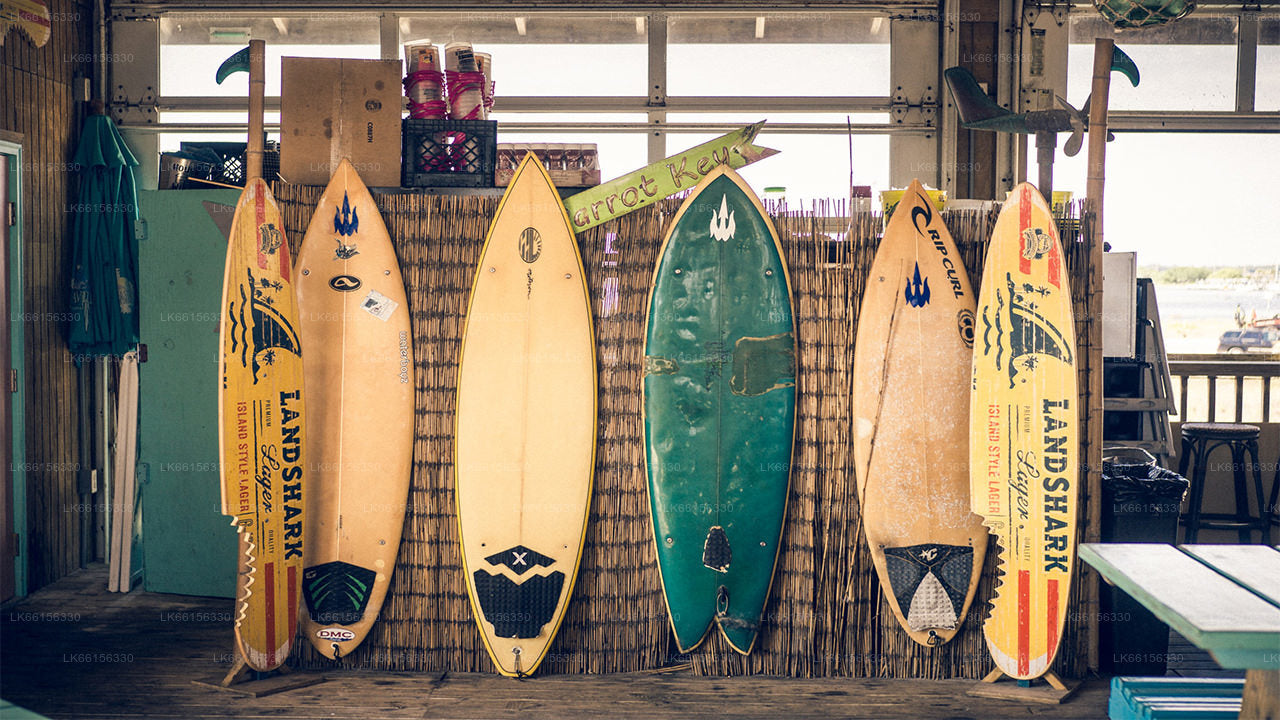
- Board hire: Shortboards, longboards, and foam boards are widely available for hire at all the main spots. Prices vary by location and board type.
- Sun protection: The tropical sun is intense even on overcast days. A rash guard, reef-safe sunscreen, and a hat for between sessions are advisable.
- Reef breaks: Several Sri Lankan breaks, including Hikkaduwa and Ahangama, break over shallow reef. Booties can prevent cuts, and respecting the take-off zone avoids collisions.
- Rip currents: As with any surf beach, some bays have rip currents. Always ask a local instructor or lifeguard about current conditions before entering the water.
- Respect for locals: Sri Lankan surfers are a small but growing community. Standard surf etiquette — waiting your turn, not dropping in — keeps sessions friendly for everyone in the line-up.