Lakpura
Lakpura®

Train Stations

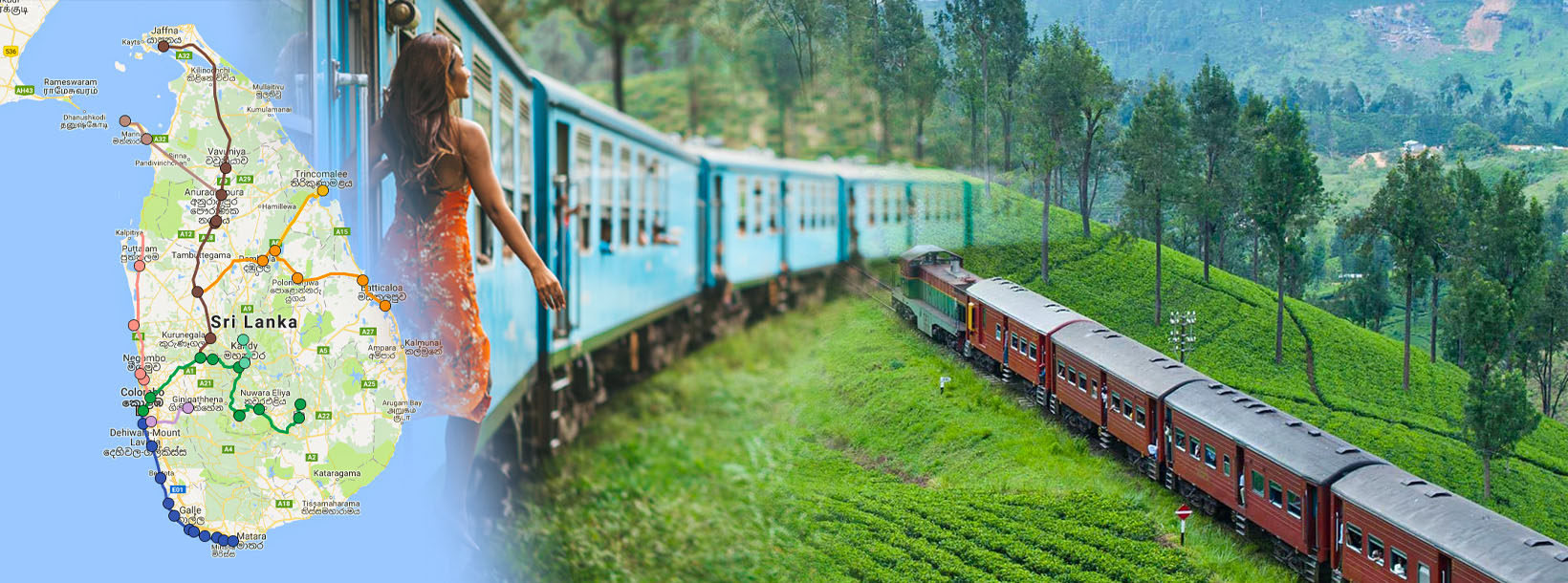
Sri Lanka's railway network is one of the most characterful in Asia. Built by the British in the mid-nineteenth century, it now connects the western coast to the highland tea country, the ancient cities of the north-central plains, and the southern shoreline — all on a single narrow-gauge system that has changed remarkably little in outline since the 1920s. For travellers, the train is not merely transport; on the right routes it is an attraction in its own right.

How did Sri Lanka's railway begin?

The Ceylon Government Railway — today known as Sri Lanka Railways — was conceived in the 1850s as a tool to open up the interior for agriculture and trade. The first sod was cut by Governor Sir Henry Ward in August 1858, and the inaugural service ran on 27 December 1864, covering the Main Line between Colombo and Ambepussa, roughly 54 kilometres to the east. That line was officially opened to public traffic on 2 October 1865.

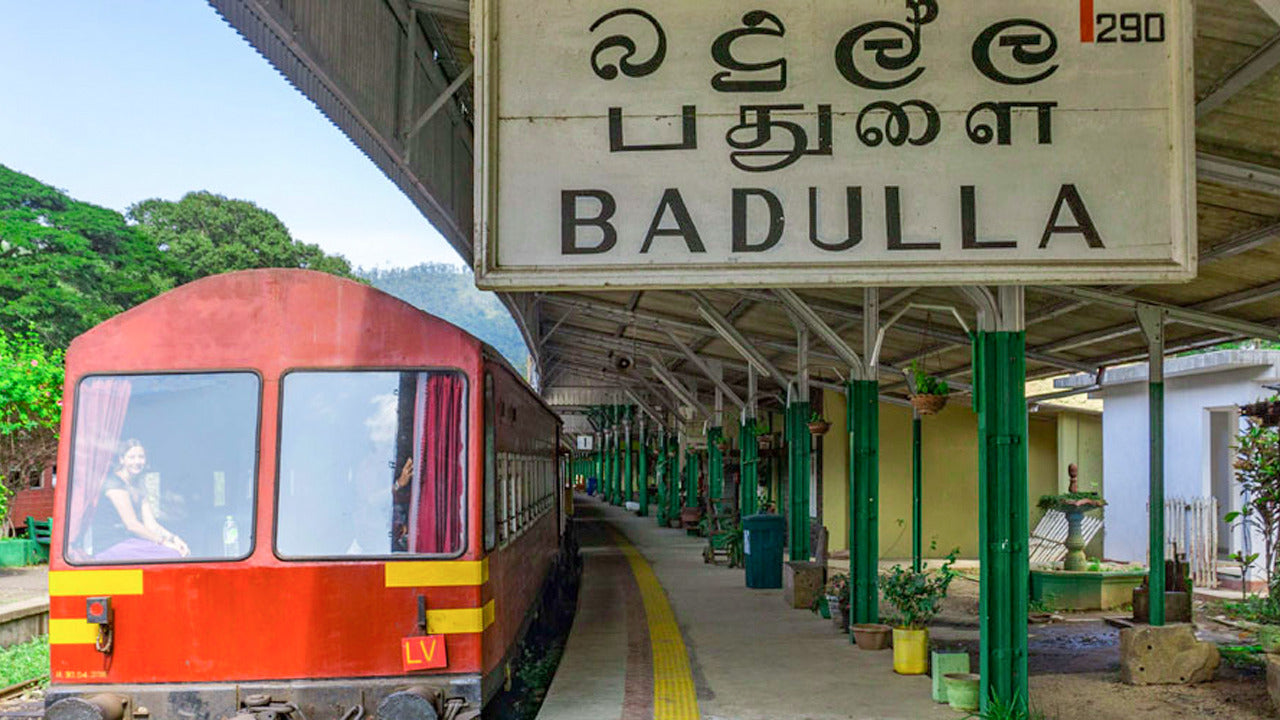
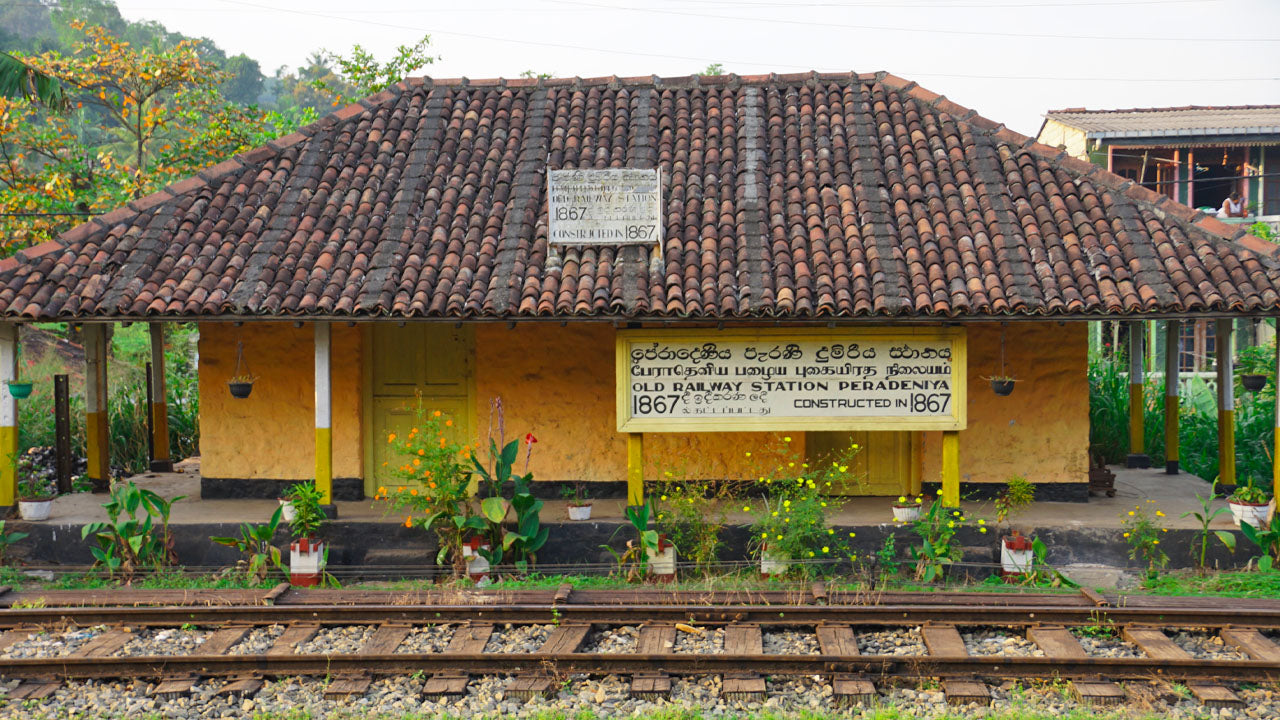
The network expanded rapidly to serve the colonial plantation economy. Tea and coffee from the Hill Country needed a reliable route to Colombo's port, and the railway provided it. The Main Line crept upward in stages: Kandy by 1867, Nawalapitiya by 1874, Nanu Oya by 1885, Bandarawela by 1894, and Badulla — the current end of the line — by 1924. By 1927, total route length reached approximately 1,530 km, a figure that has broadly remained the benchmark for the network.

Other lines filled in the map: the Matale Line (1880), the Coast Line to Galle and Matara (1895), the Northern Line (1905), the Mannar Line (1914), the Kelani Valley Line (1919), the Puttalam Line (1926), and the Batticaloa and Trincomalee Lines (1928). Passenger numbers grew steadily through the twentieth century and by the 1960s had overtaken freight as the primary business of the railway — a balance that holds to this day.

What are the main train stations in Sri Lanka?

Most travellers pass through a handful of key stations. Understanding their role helps with planning connections and choosing the right service.

Station Line(s) Why travellers use it
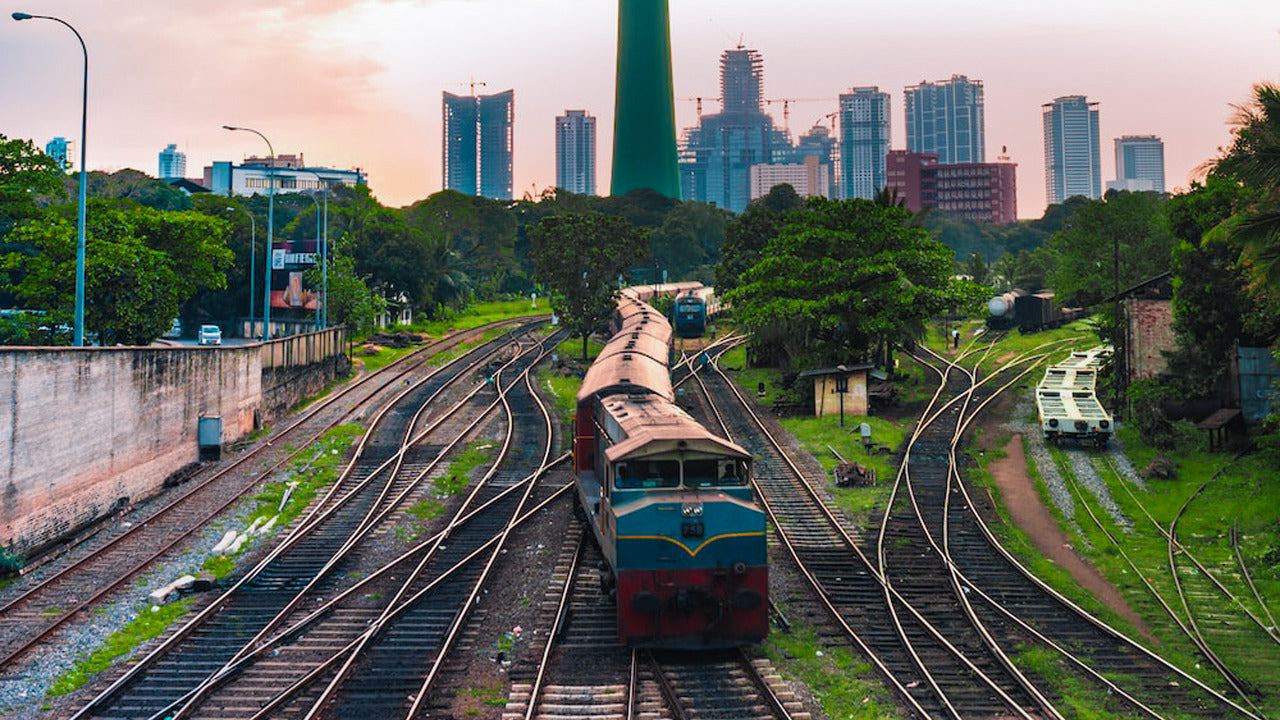
Colombo Fort Main, Coastal, Northern, Puttalam Principal terminus; departure point for almost all long-distance services
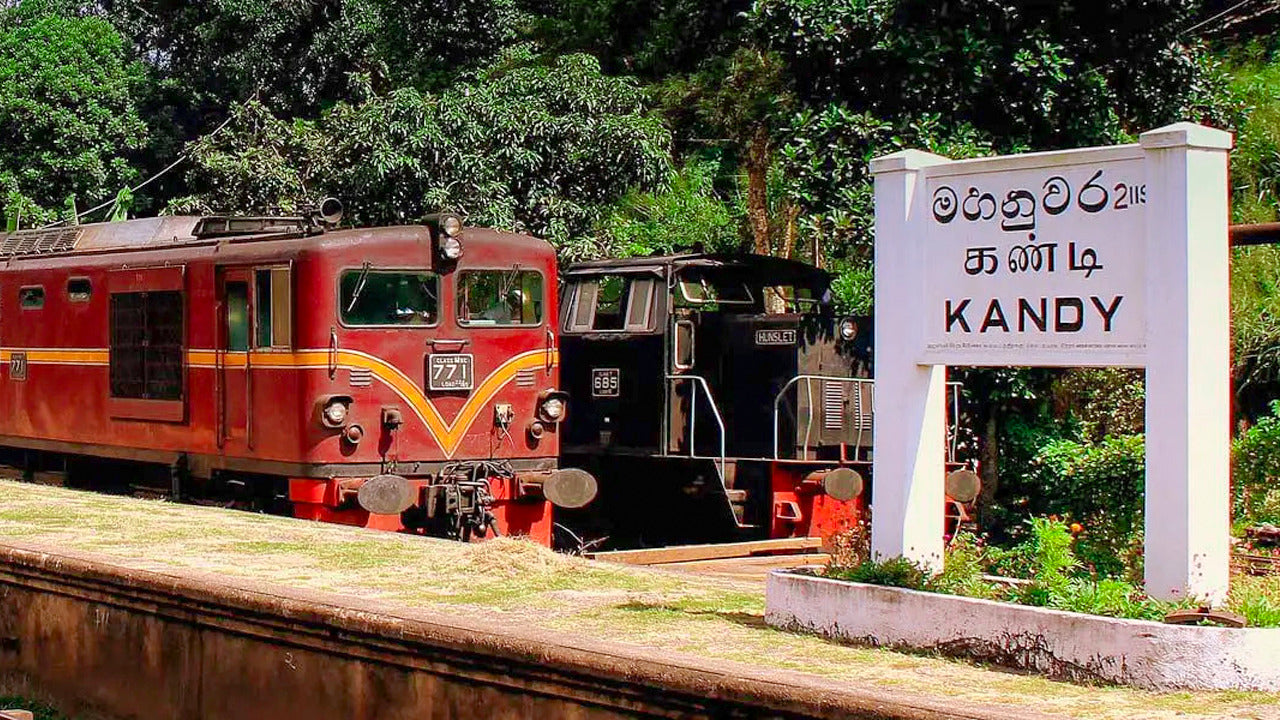
Kandy Main Line, Matale Branch Gateway to the cultural capital and the Hill Country beyond
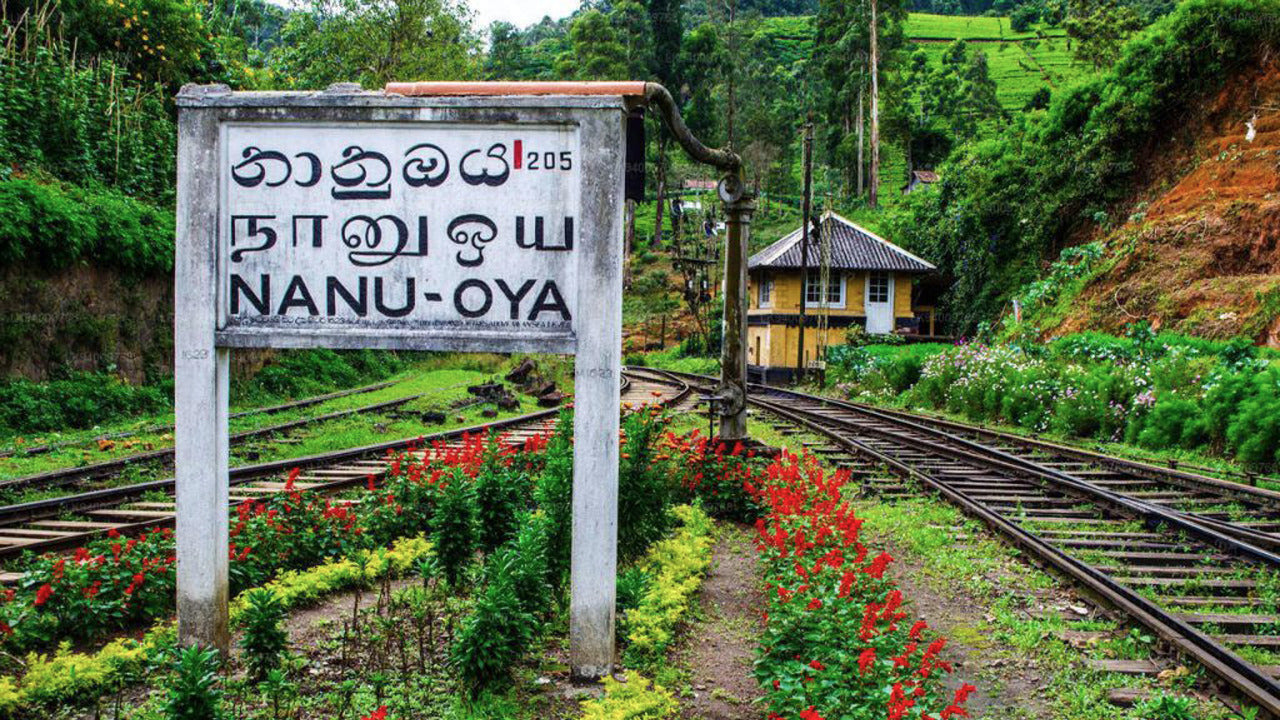
Nanu Oya Main Line (Hill Country) Nearest station to Nuwara Eliya; a dramatic high-altitude halt
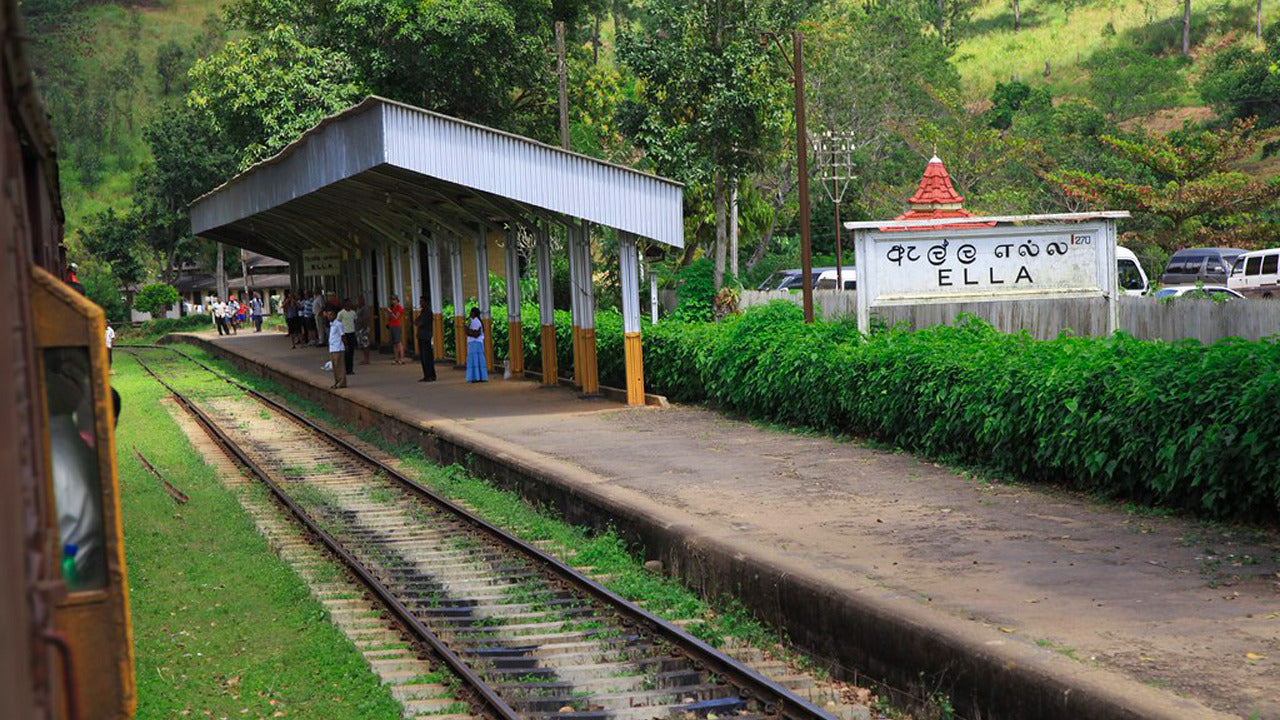
Ella Main Line (Hill Country) Most popular stop for travellers; dramatic scenery on approach
Badulla Main Line (Hill Country) Eastern terminus of the Main Line; end of the famous scenic stretch
Galle Coastal (Southern) Line Serves the Galle city area and the Fort
Matara Coastal (Southern) Line Southern terminus; convenient for the deep south
Anuradhapura Northern Line Access to the ancient capital and its sacred sites
Trincomalee Trincomalee Line East-coast access for beach and harbour visitors
Batticaloa Batticaloa Line Northeastern terminus, connecting the eastern province

Which train routes are most scenic for tourists?

The stretch of the Main Line between Kandy and Badulla — and in particular the section between Nanu Oya and Ella — is frequently cited among the most picturesque rail journeys in the world. The line winds through tea estates, crosses the Nine Arches Bridge near Ella, passes misty cloud forest, and drops through a series of tunnels and viaducts carved into the escarpment during the late Victorian era. Window seats on the right-hand side (travelling from Kandy toward Ella) generally offer the best views of valleys and waterfalls.

Named expresses such as the Udarata Menike, Podi Menike, and Denuwara Menike serve this corridor, each making scheduled stops at the main Hill Country stations. Observation carriages and reserved first-class seats are available on some services, and booking in advance is strongly recommended for the Nanu Oya–Ella segment, which fills quickly throughout the year.

The Coastal Line south from Colombo Fort is also rewarding, hugging the shoreline for much of the journey to Galle and Matara. Passengers can watch fishing boats and lagoons pass at close range from the sea-facing side of the carriage. The Kelani Valley Line, though slower and less frequented by tourists, cuts through dense jungle and paddy-field landscape west of Colombo — a very different character from the highland route.

How do I buy train tickets in Sri Lanka?

Tickets for unreserved second and third class carriages can be purchased at any station window on the day of travel. Reserved seats — including first class and observation cars on the Hill Country expresses — should be booked well in advance, particularly during peak season (December to March and July to August). Sri Lanka Railways operates an official online booking portal for reserved-seat tickets. Lakpura can arrange reserved-seat tickets for travellers who prefer not to navigate the booking system independently.

  • First class: Air-conditioned or observation carriages; reserved seating.
  • Second class: Fans, padded seats; can be reserved on named expresses.
  • Third class: Unreserved, no reservation possible; affordable and busy.

Ticket prices are set by Sri Lanka Railways and are among the most affordable in the region. Fares are calculated by distance and class, and foreign visitors pay the same rates as local passengers on government services.

What is the best time of year to travel by train in Sri Lanka?

Sri Lanka's two monsoon seasons affect different parts of the island at different times, but train travel remains possible year-round. The Hill Country can be wet and misty from May to July (southwest monsoon) and again from October to January (northeast monsoon affects the eastern slopes). Visibility from the train is naturally lower during heavy rain, though the landscape has its own atmosphere in cloud and mist. For clear-sky views across the highlands and tea estates, the period from January to April is generally most reliable.

The Horton Plains area above Nanu Oya can be cold at any time of year — temperatures at the highest stations drop sharply at night. Light layers are useful even for a daytime train journey through the hills.

How has Sri Lanka's railway shaped the country?

The railway's original purpose was economic: to carry highland produce — principally Ceylon tea — from plantation to port. That function shaped the geography of modern Sri Lanka, concentrating development along the rail corridors and making cities such as Kandy, Nuwara Eliya, and Badulla accessible to commerce and migration. The railway also enabled the growth of the colonial plantation system, opening areas of the central highlands that had previously been dense forest.

In the post-independence era, passenger services became the network's primary purpose. Commuter lines into Colombo carry hundreds of thousands of people daily, making the railway an essential part of the capital's infrastructure. Beyond the commuter belt, the train connects rural communities to city markets and health services — a role that makes it socially significant well beyond its appeal to tourists.

Are there any tips for train travel in Sri Lanka?

  • Book Hill Country reserved seats as far in advance as possible — particularly for services between Kandy, Nanu Oya, and Ella.
  • Arrive at the station at least 20 minutes before departure; platforms can be busy and carriages may not be labeled clearly.
  • Standing in the open doorways is common and legal on Sri Lankan trains, and it offers unobstructed views — use reasonable caution.
  • Station vendors sell snacks and tea throughout the journey; there is no formal dining car on most services.
  • If traveling with luggage, third class can be very crowded. First or second class reserved seats are considerably more comfortable for longer journeys.
  • The Kandy Tourist Information Center can advise on current timetables and connections for visitors basing themselves in the city.

Book this experience with Lakpura

Curated by our local team. Direct booking, instant confirmation.

Ask Lakpura® Agent