Lakpura
Lakpura®

Tavil

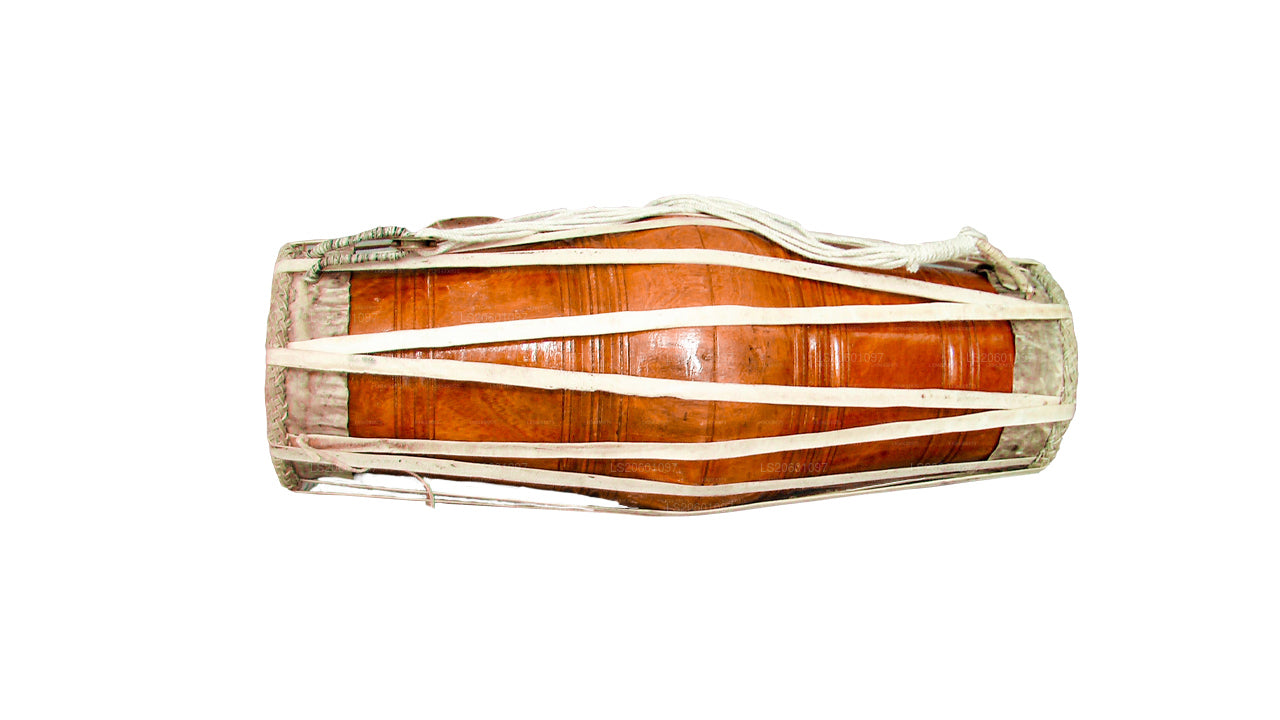
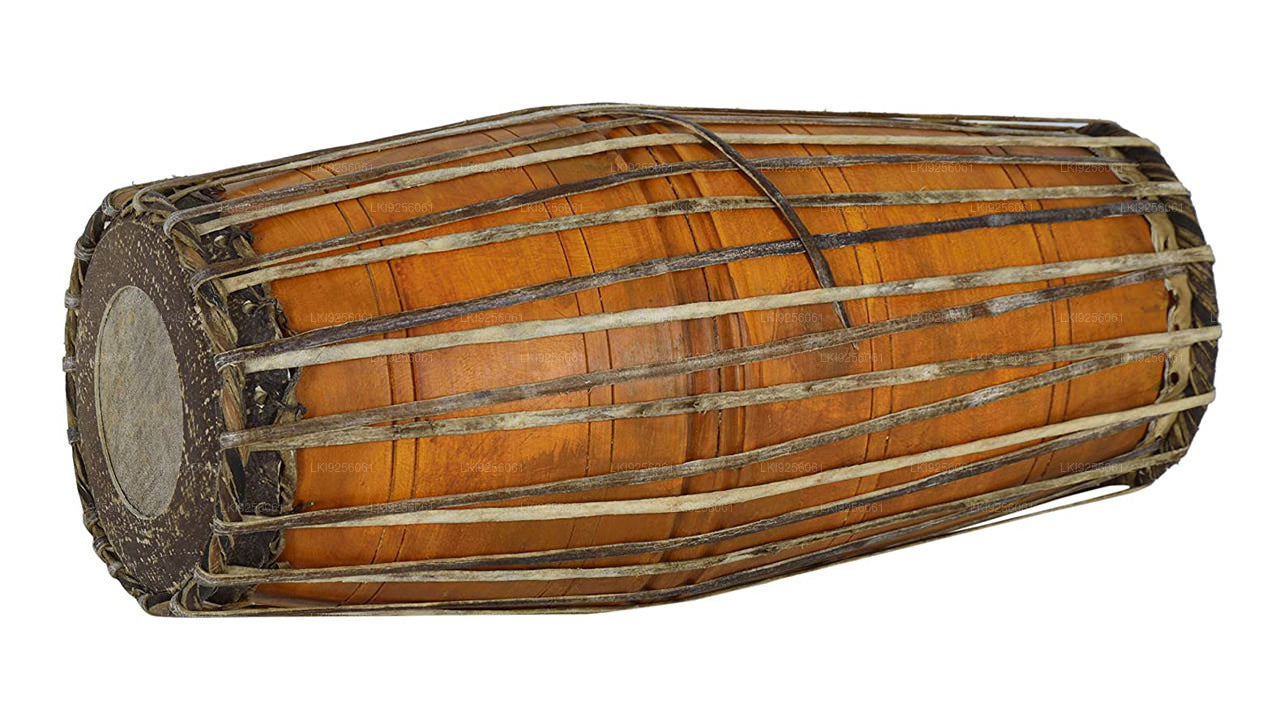
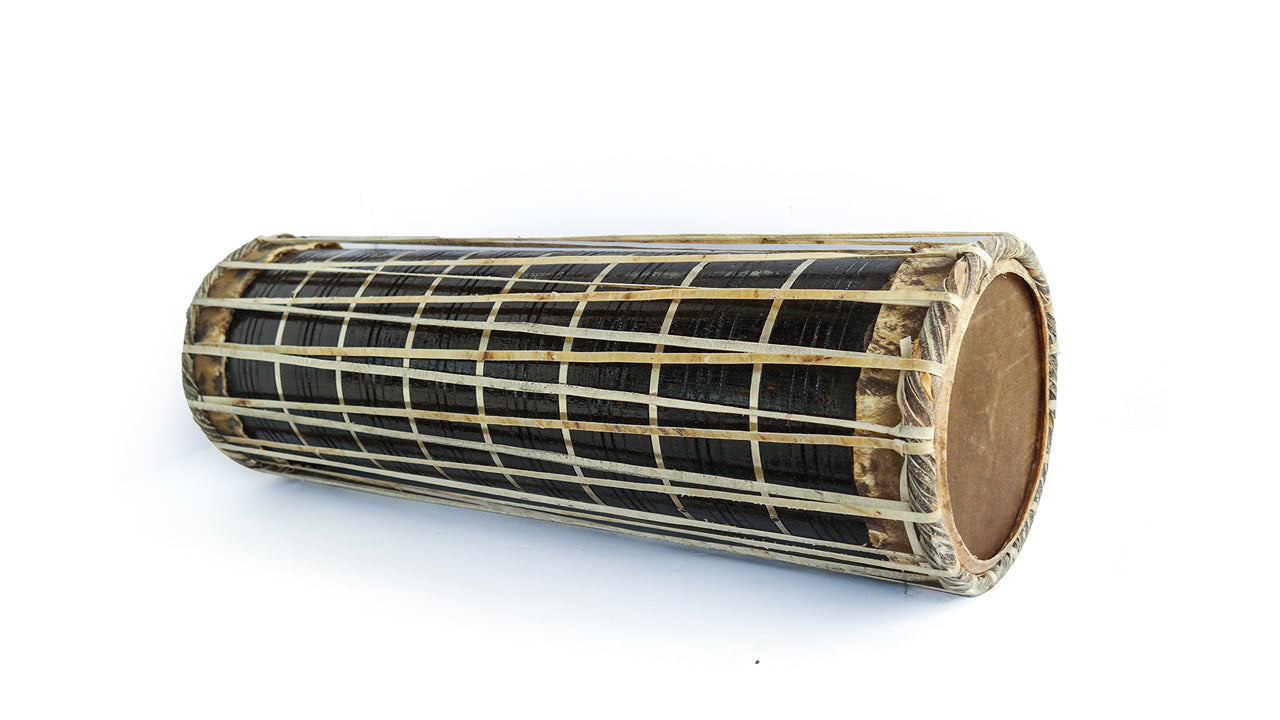
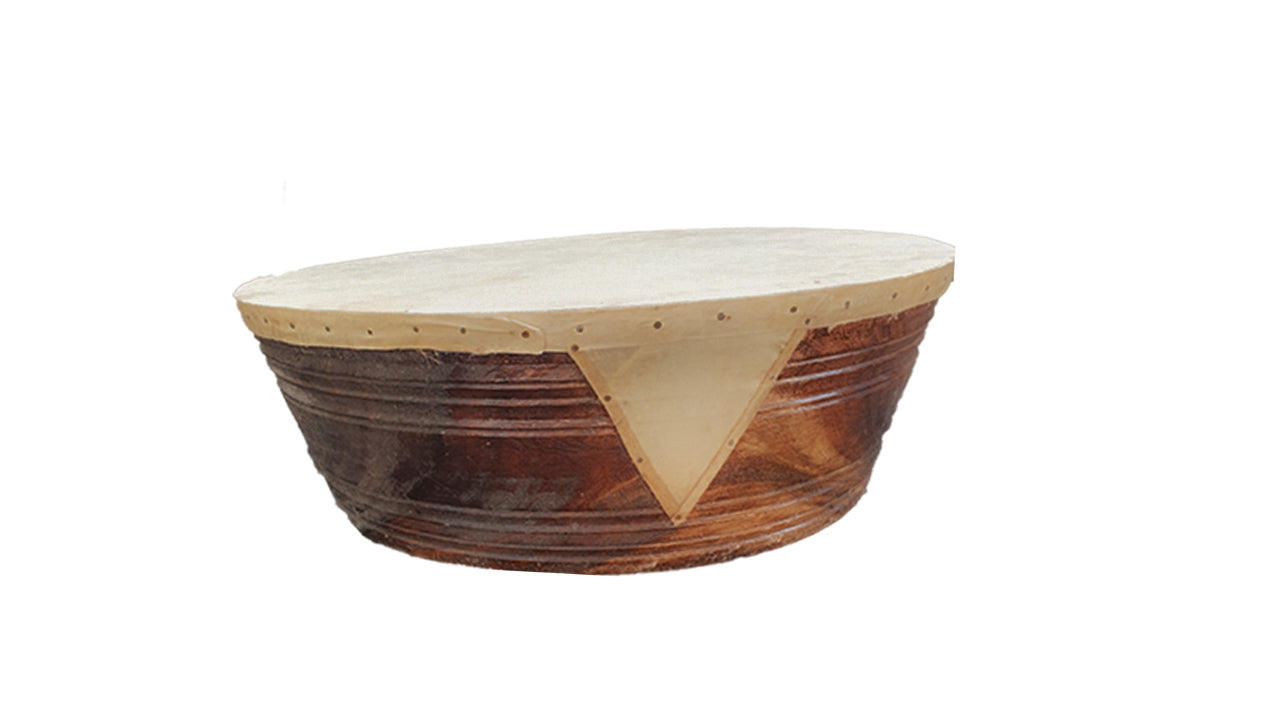
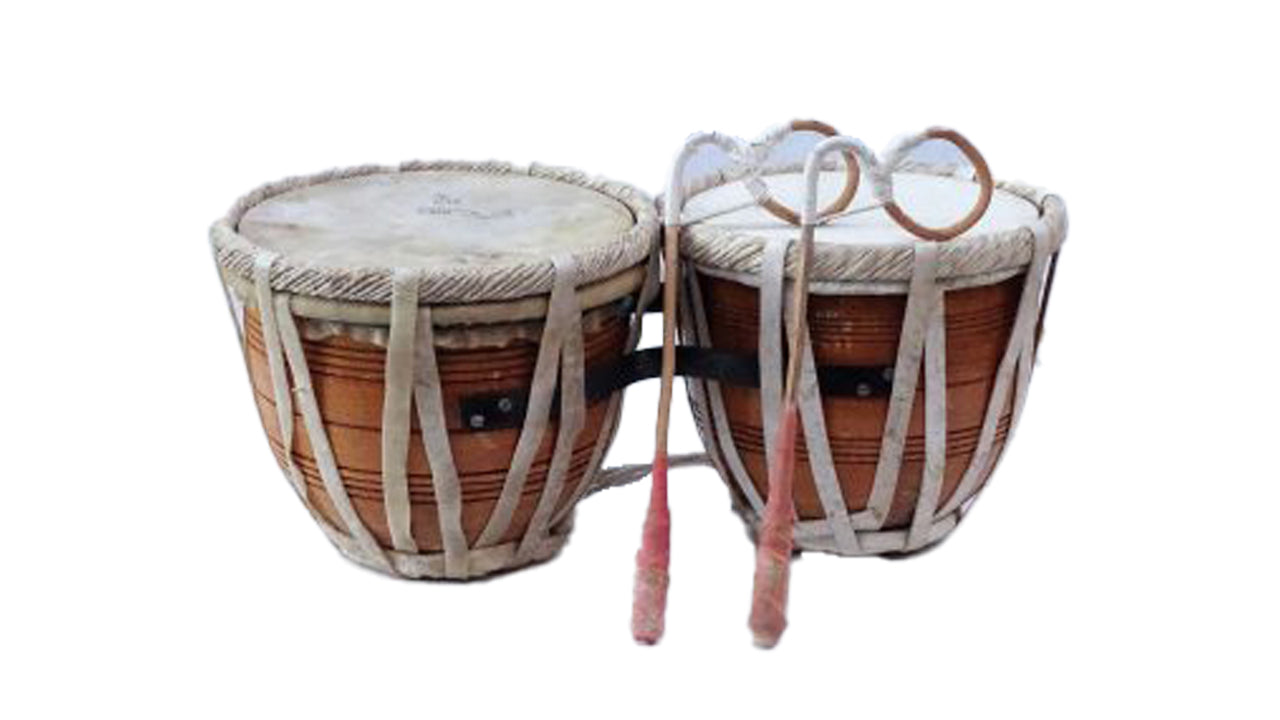
The tavil (Tamil: தவில்) is a barrel-shaped percussion instrument with deep roots in the musical and ceremonial life of Tamil Nadu and the Tamil communities of Sri Lanka. Closely associated with temple ritual, folk celebrations, and the Carnatic classical tradition, it is most often heard alongside the nadaswaram — a double-reed wind instrument of comparable antiquity and cultural weight. Together, the two instruments form the sonic backbone of major Hindu festivals and life-cycle ceremonies across South India and northern Sri Lanka.

What is the tavil and where does it come from?

The tavil belongs to a broad family of double-headed barrel drums found throughout South and Southeast Asia. Its use in Tamil culture is documented across centuries of temple murals, classical Sangam literature, and living performance traditions. Unlike orchestral percussion from Western traditions, the tavil is conceived as an outdoor instrument — its construction is deliberately designed to project over open courtyards and processional routes rather than inside a concert hall.

In Sri Lanka, the tavil is closely tied to the Tamil communities of the Northern and Eastern provinces, where it remains a living presence at Hindu kovil festivals, weddings, and public ceremonies. Visitors attending festivals in Jaffna or Trincomalee will typically encounter the instrument being played in open air alongside the nadaswaram, often from a raised position near a temple gateway.

How is a traditional tavil constructed?

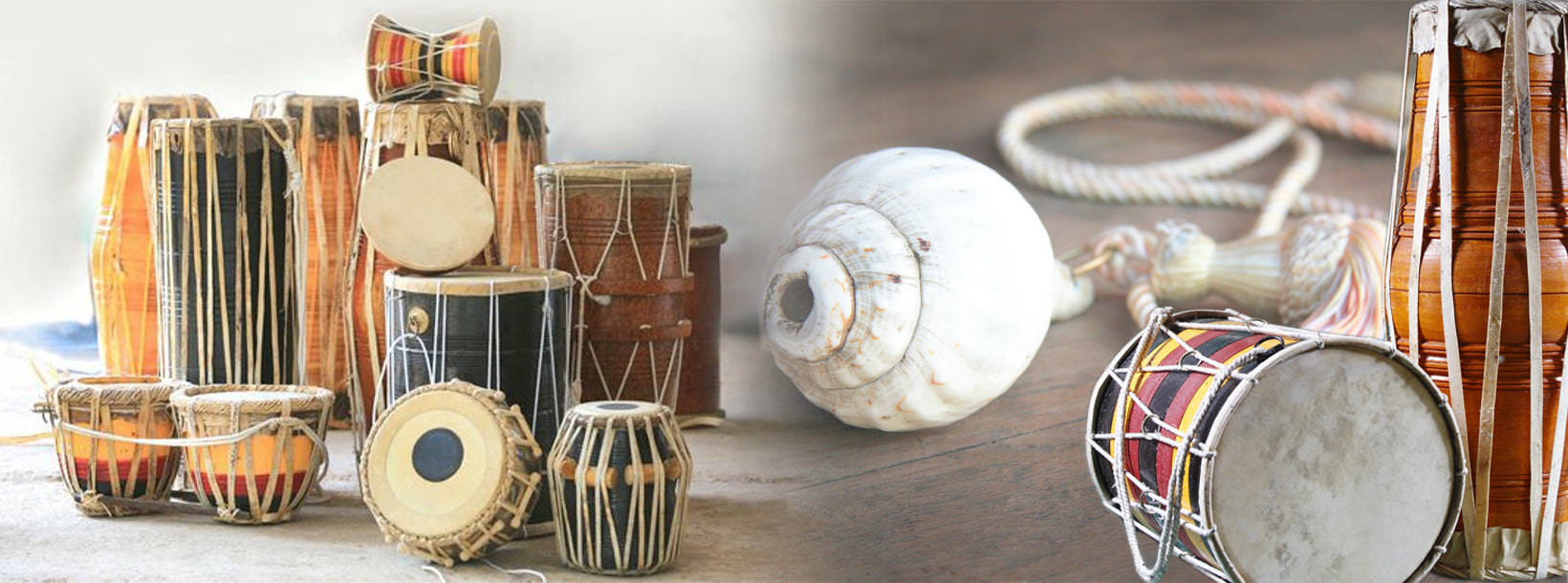
The body of a traditional tavil is carved from a solid block of jackfruit wood, hollowed out to form a cylindrical shell with a slightly different diameter at each end. The two faces of the drum are covered with animal skin: water buffalo hide is used for the larger right face, while goat skin is stretched over the smaller left face. The skins are held in tension by hemp hoops lashed to the shell.

The asymmetry in head size is not cosmetic — it determines how each face is tuned and played. The right head is stretched very tightly, producing a higher-pitched, sharp attack suited to rhythmic definition. The left head is kept comparatively loose, allowing the player to bend pitch by pressing into the skin while striking it, which adds expressive flexibility. Counterintuitively, the larger face produces the higher pitch; the smaller face carries the lower register.

  • Shell material: Jackfruit wood (Artocarpus heterophyllus), prized for its density and resonance
  • Right head: Water buffalo skin, stretched tightly for high-pitched attack
  • Left head: Goat skin, kept loose for pitch-bending capability
  • Lacing: Traditional hemp hoops attached directly to the shell

How does a modern tavil differ from the traditional instrument?

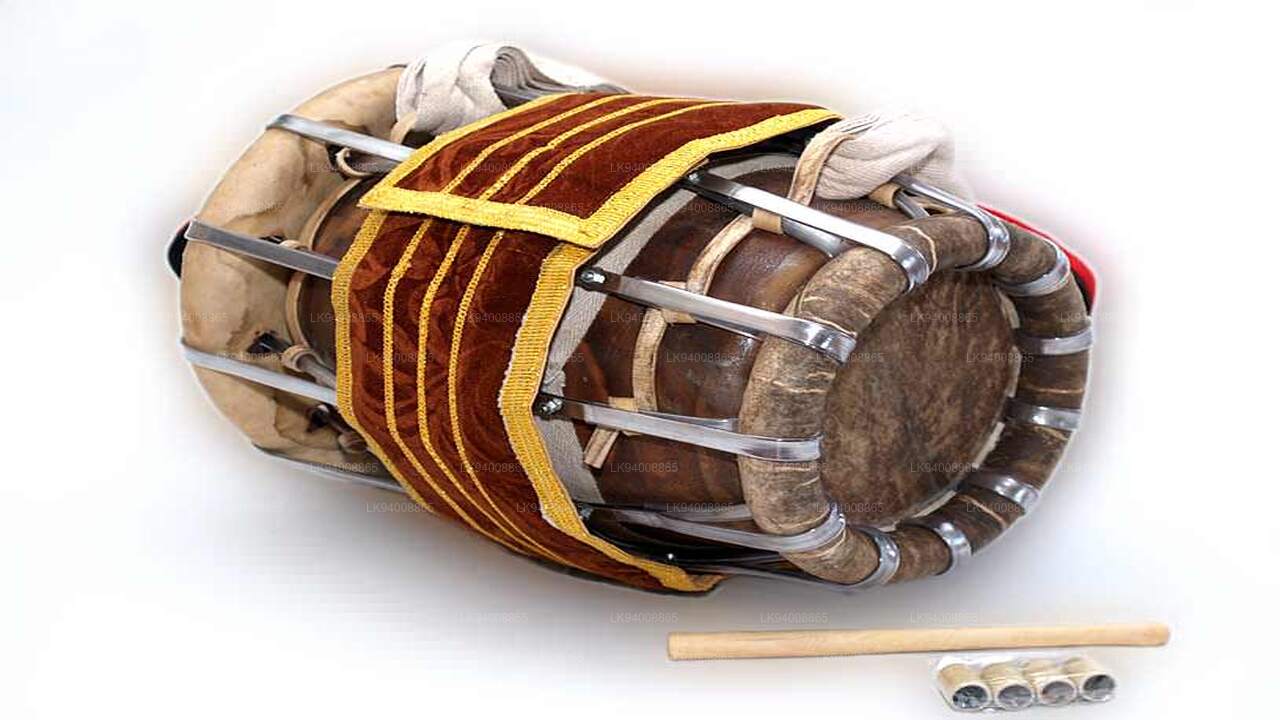
Contemporary instrument makers have introduced structural modifications that improve durability and tuning precision. In the modern tavil, the corpus of the drum is edged with a steel ring coated in plastic, replacing the wooden rim. The two skins are fixed to the shell using metal straps rather than hand-tied hemp hoops. Crucially, this arrangement allows each head to be tuned independently with greater accuracy and consistency — a practical advantage for performers who travel between venues and climates, where humidity can affect the tension of natural skins.

Despite these changes, the fundamental acoustic principle remains unchanged. Skilled players still tune the right head by applying a paste of semolina or rice flour to the centre of the drum face, adding mass that lowers and centres the pitch — a technique common across South Indian drumming traditions.

How is the tavil played?

The tavil is typically suspended from the player's neck or rested on the hip so that both hands can reach each face simultaneously. The right hand uses a short, thick wooden stick or a thimble-capped finger to strike the larger, tightly-tuned face, generating the primary rhythmic line. The fingers of the left hand strike the smaller face, producing the lower counter-rhythm and pitch-bent fills that give the instrument its expressive character.

Playing the tavil demands significant physical endurance. Outdoor performances — particularly at temple festivals — can last several hours without interruption, requiring both rhythmic precision and sustained physical output. The instrument's sound carries remarkably well at distance, making it effective in procession contexts where the ensemble may be moving through streets or temple compounds.

What role does the tavil play in South Indian and Sri Lankan culture?

The tavil functions as what musicologists describe as a mangala vadyam — an auspicious instrument played at occasions of celebration, religious significance, or social transition. Its presence at a ceremony signals occasion and sanctity. Alongside the nadaswaram, it is considered obligatory at many Hindu temple rituals in Tamil Nadu and in Sri Lankan Tamil communities.

At the Esala Perahera Festival in Kandy, visitors will observe a related but distinct percussion tradition rooted in Kandyan drumming — demonstrating how the island's many ethnic and religious communities each developed their own ceremonial soundscapes. Tamil percussion traditions, including the tavil, form a parallel stream that has evolved independently across the centuries.

The instrument also appears in devotional music at kovils (Hindu temples), in folk performance contexts including village festivals, and increasingly in contemporary fusion projects that bring Carnatic instruments into dialogue with other musical traditions.

Where can travellers in Sri Lanka encounter the tavil?

Travellers with an interest in Tamil musical heritage will find the most concentrated opportunities in the Northern Province, particularly around Jaffna. The Nallur Kandaswamy Kovil festival, held annually during the Tamil month of Avani, features extended nadaswaram and tavil performances that continue through much of the night. In the Eastern Province, Trincomalee's kovil calendar offers similar occasions.

Outside the north and east, Tamil communities in Colombo and the Central Province maintain their ceremonial traditions, and kovil festivals in these areas are generally open to respectful visitors. Arriving early, dressing modestly, and asking at the temple entrance about photography protocols are straightforward ways to engage respectfully with these events.

How does the tavil compare to other South Asian barrel drums?

Instrument Region Shell material Primary context
Tavil Tamil Nadu, Sri Lanka (Tamil) Jackfruit wood Temple festivals, Carnatic accompaniment
Mridangam South India (broad) Jackfruit wood Carnatic concert music (indoor)
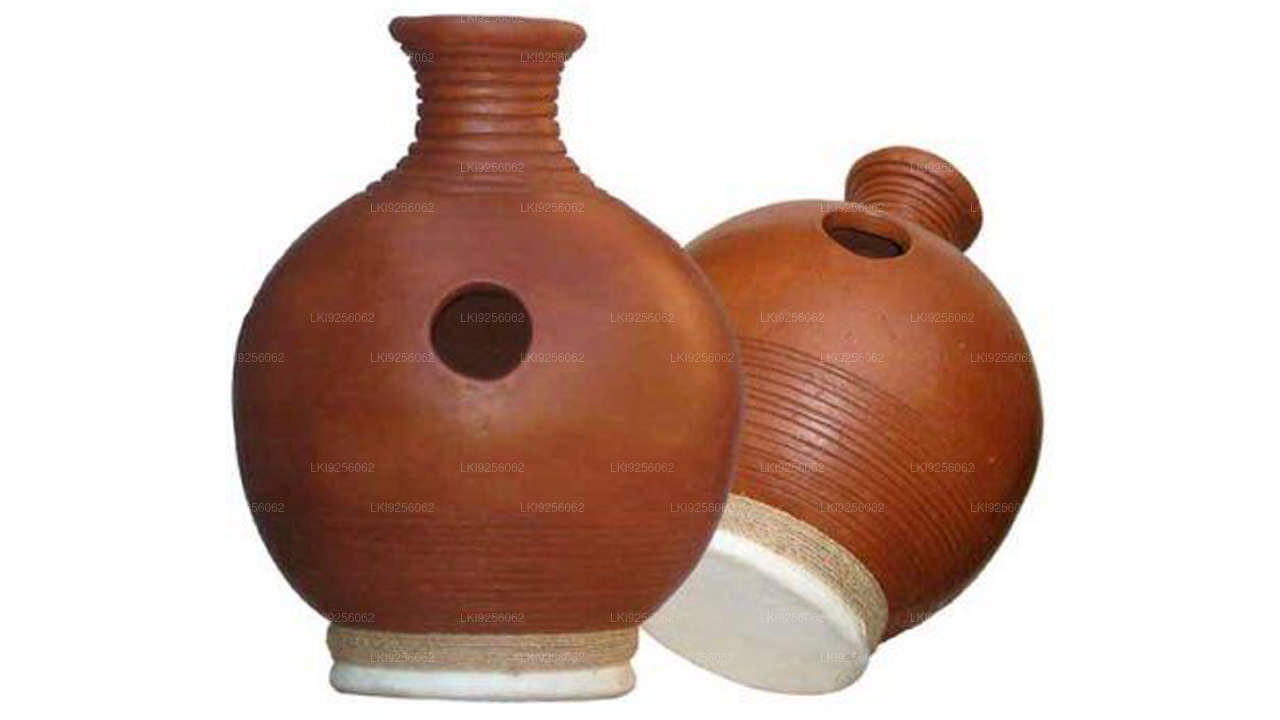
Ghatam South India Clay pot Carnatic ensemble, rhythmic counterpoint
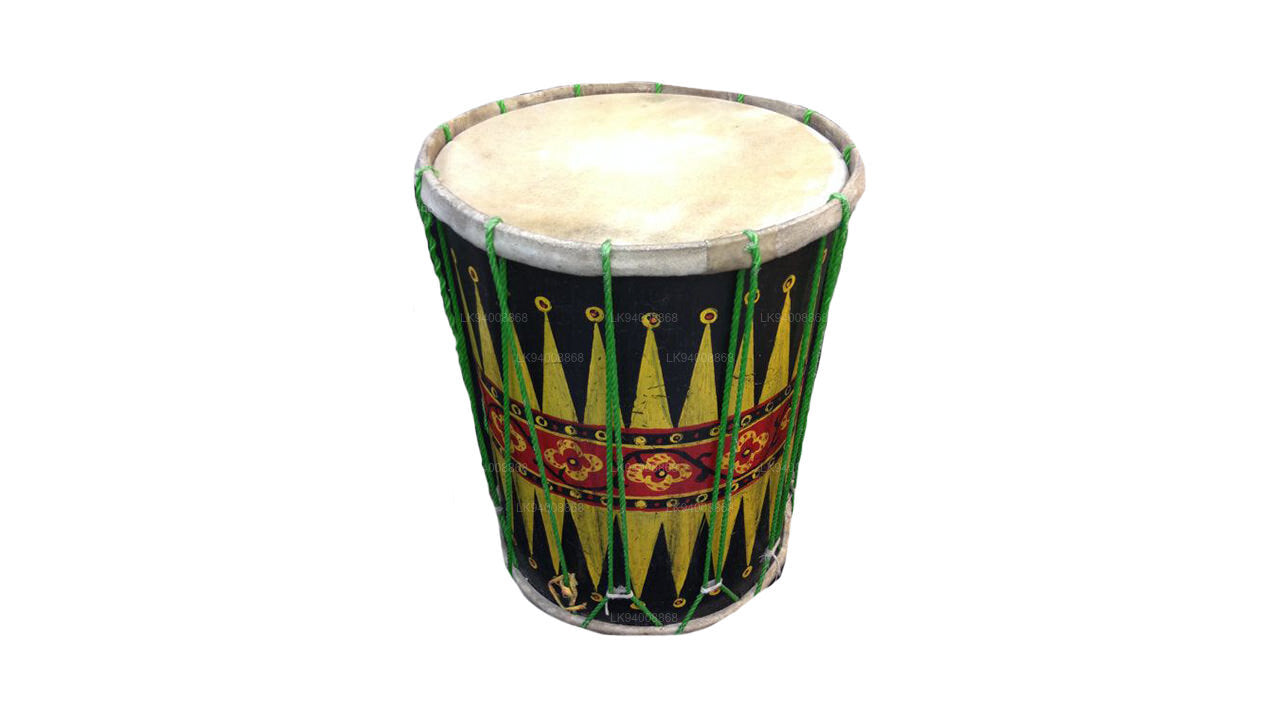
Dawula Sri Lanka (Sinhala) Wood Kandyan dance, Buddhist ceremonies

The tavil's closest relative in construction is the mridangam, though the two instruments serve different performance contexts. The mridangam is associated primarily with indoor Carnatic concert music; the tavil is built for outdoor volume and ceremonial endurance. The tuning techniques and playing postures also differ significantly between the two.

Ask Lakpura® Agent