Ravana's Rough-sided Snake


Scientific Name: Rhabdophis raveni
Family: Colubridae
Common Name(s): Ravana's Rough-sided Snake
Overview:
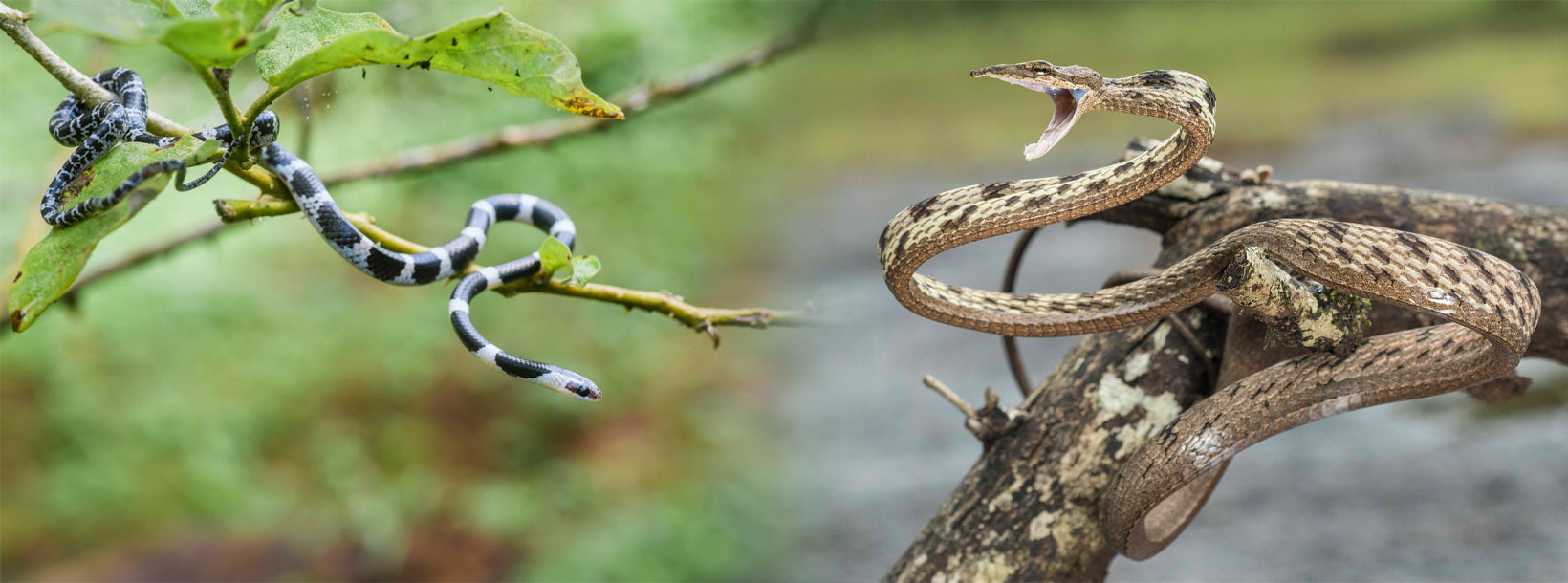
Ravana's Rough-sided Snake (Rhabdophis raveni) is a fascinating species of non-venomous snake found in parts of South Asia. Known for its unique rough-scaled appearance and mild venom, this species is part of the Colubridae family and is typically found in forested areas near water. It is named after Ravana, a legendary figure in Hindu mythology, and is notable for its secretive nature and ability to sequester toxins from its prey.
Physical Description:
- Size: The snake typically measures between 50 to 75 cm (20 to 30 inches) in length.
- Coloration: Ravana's Rough-sided Snake has a smooth, rough-textured body with muted colors that help it blend into its environment. Its body is typically brown or grayish with lighter underside coloration.
- Scales: The scales on its body have a rough texture, giving it a distinctive "rough-sided" appearance, which is one of the key identifying features of this snake.
- Head: The head is small, with a blunt shape that is often hard to distinguish from the rest of the body.
- Eyes: It has relatively small eyes, adapted for its secretive lifestyle, though it is not completely blind.
Habitat and Distribution:
- Geographical Range: Ravana's Rough-sided Snake is found primarily in India, with sightings reported in the foothills of the Himalayas, parts of Nepal, and surrounding areas.
- Habitat: This species prefers forested areas and wetlands, particularly near streams, rivers, or ponds. It thrives in environments with abundant leaf litter and ground cover, where it can conceal itself and hunt for food.
Behavior and Diet:
- Diet: Ravana's Rough-sided Snake primarily feeds on small amphibians, reptiles, and other small vertebrates. It is particularly known to prey on toads, frogs, and sometimes small fish. It has the ability to sequester toxins from its prey (particularly from amphibians) and store them in special glands along its neck, making it distasteful to potential predators.
- Venom: Although mildly venomous, the snake's venom is not considered dangerous to humans. Its primary use of venom is for subduing prey rather than for defense.
- Behavior: Like many members of the Colubridae family, Ravana's Rough-sided Snake is secretive and non-aggressive. It is typically solitary and prefers to remain hidden in the undergrowth or under leaf litter.
- Activity: It is most active during the night (nocturnal), hunting for prey and using its sensory abilities to detect vibrations in the soil and water.
Reproduction:
- Reproductive Mode: Like many colubrids, Ravana's Rough-sided Snake is oviparous, laying eggs that hatch underground or hidden within dense foliage. The young are independent
-
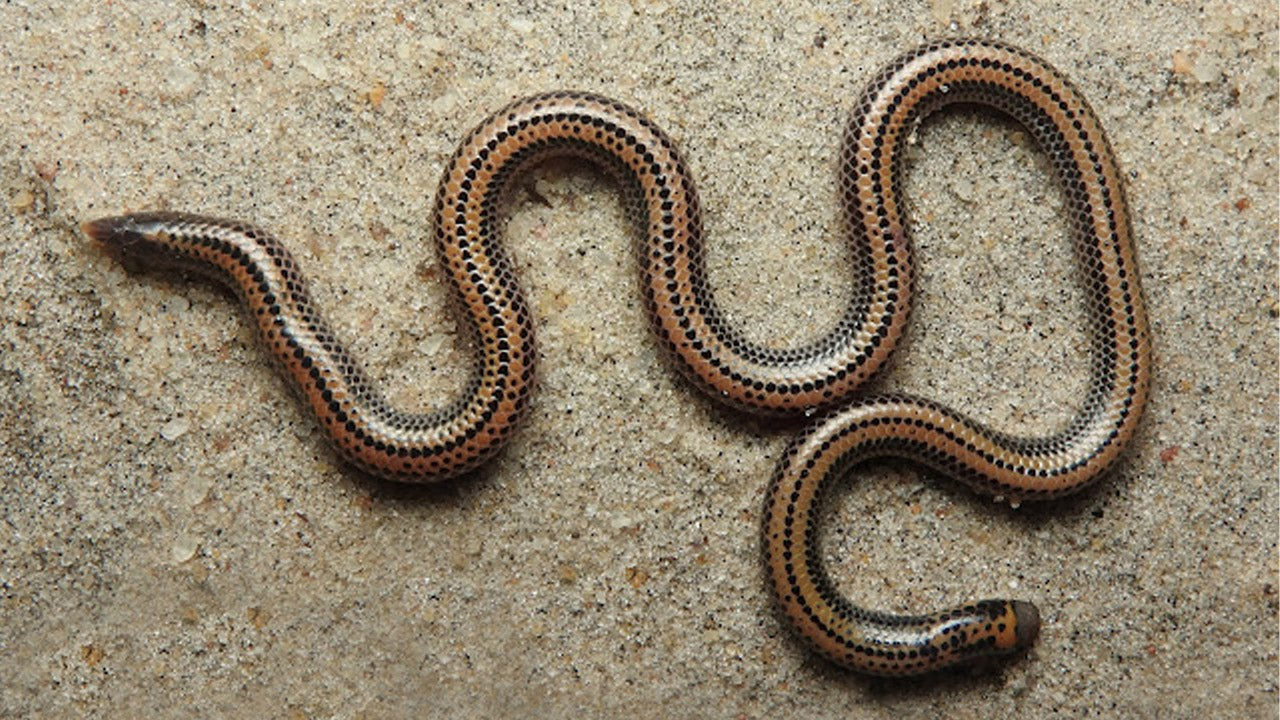 Muller's Shieldtail
Uropeltis mülleri
-
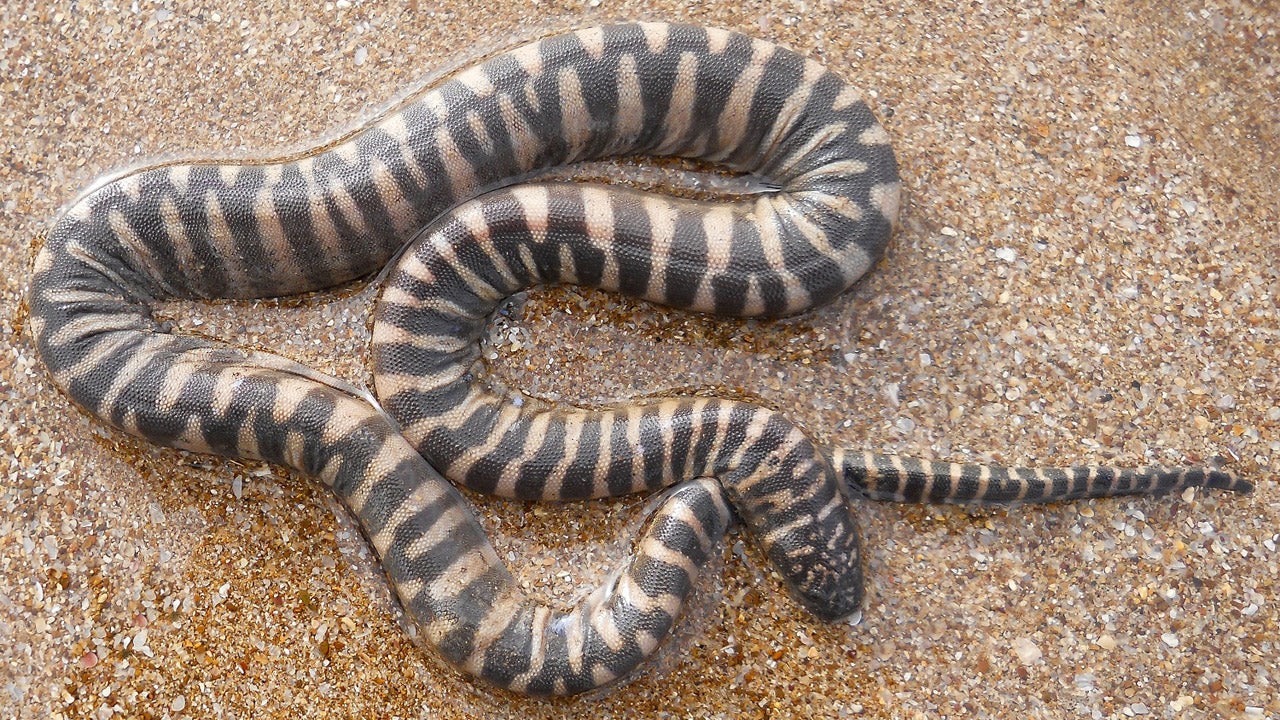 Wart Snake
Acrochordus
-
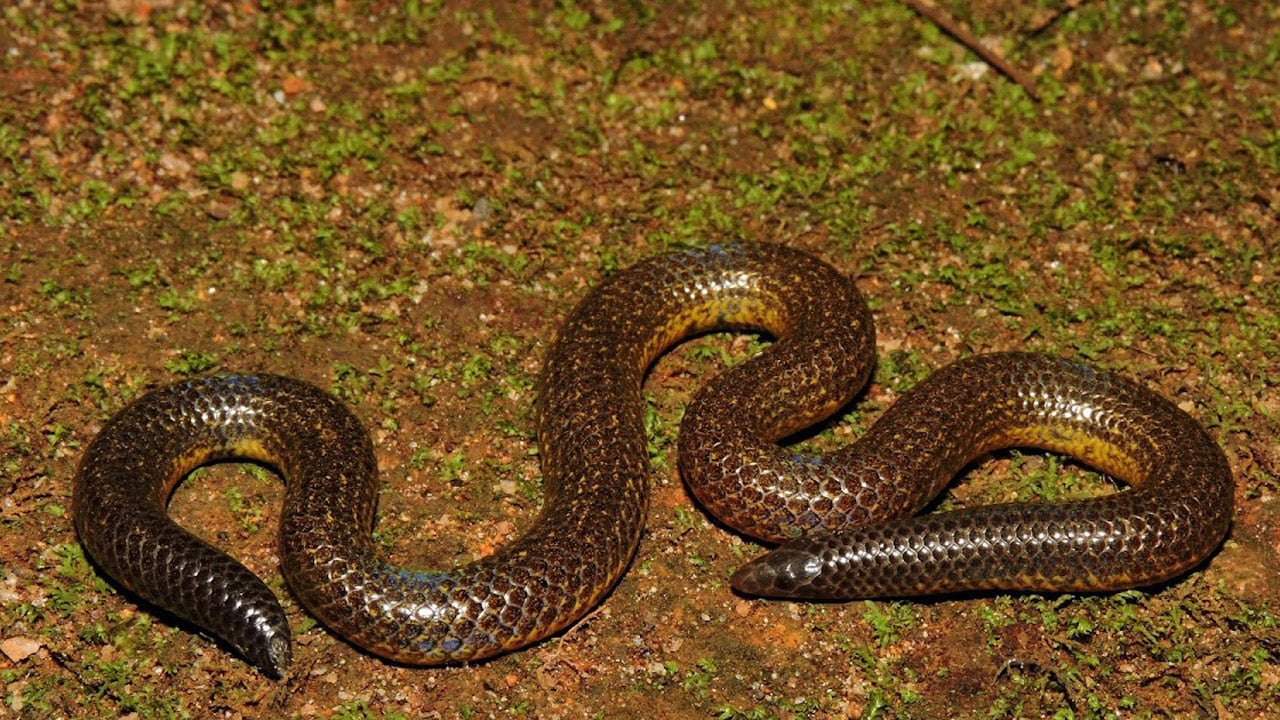 Drummond-Hay's Shieldtail
Rhinophis drummondhayi
-
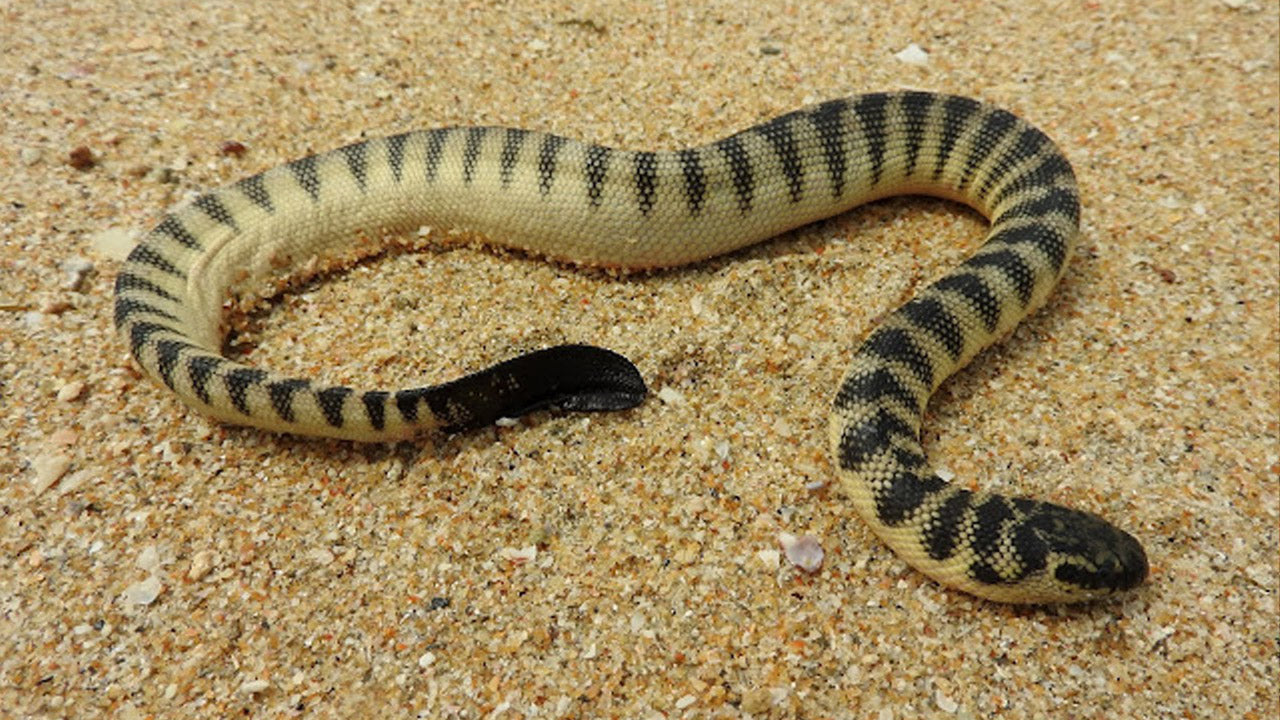 Shaw's Sea Snake
Hydrophis curtus
-
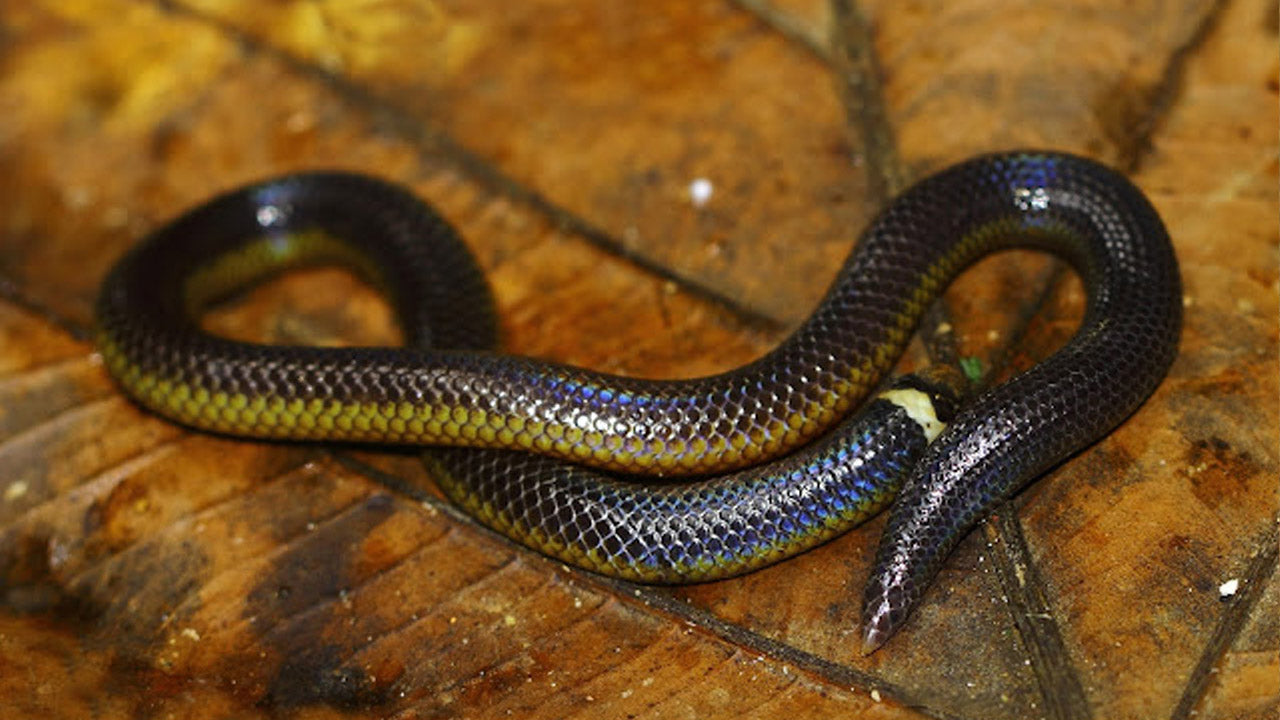 Deraniyagala's Shieldtail
Rhinophis tricoloratus
-
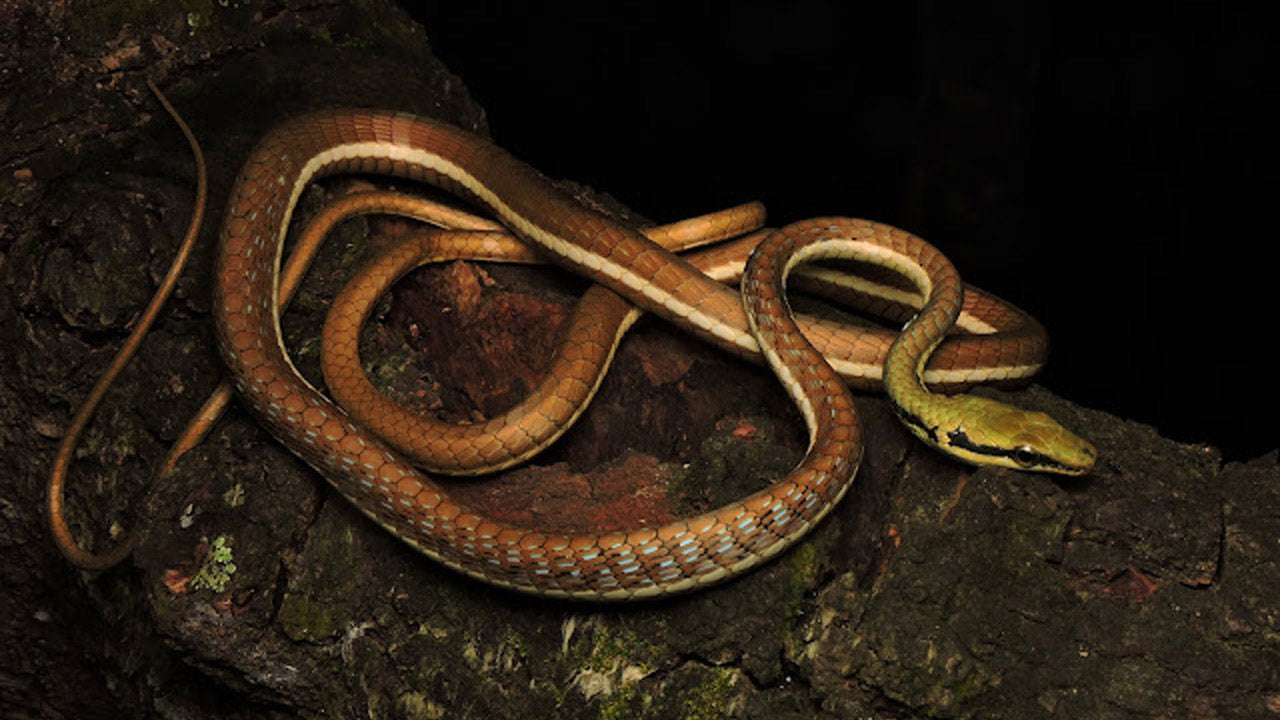 Wickramasinghe's Bronzeback
Dendrelaphis wickrorum
-
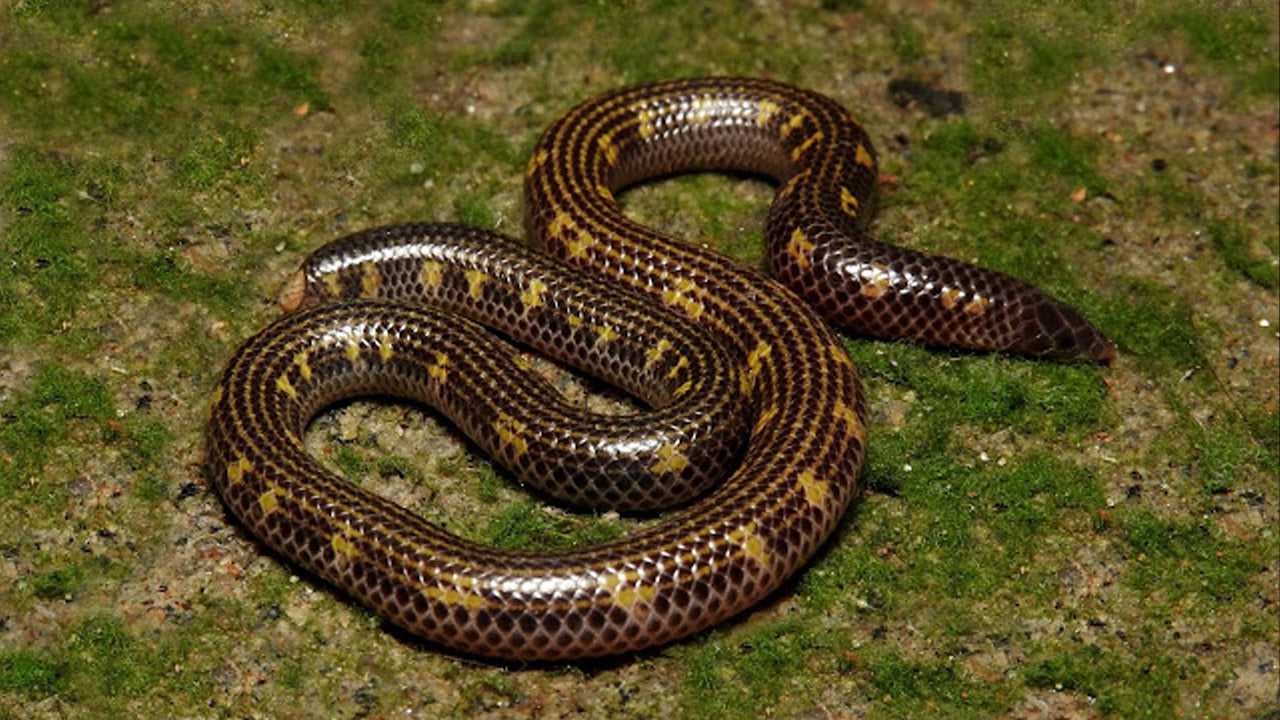 Phillip's Earth Snake
Rhinophis phillipsi
-
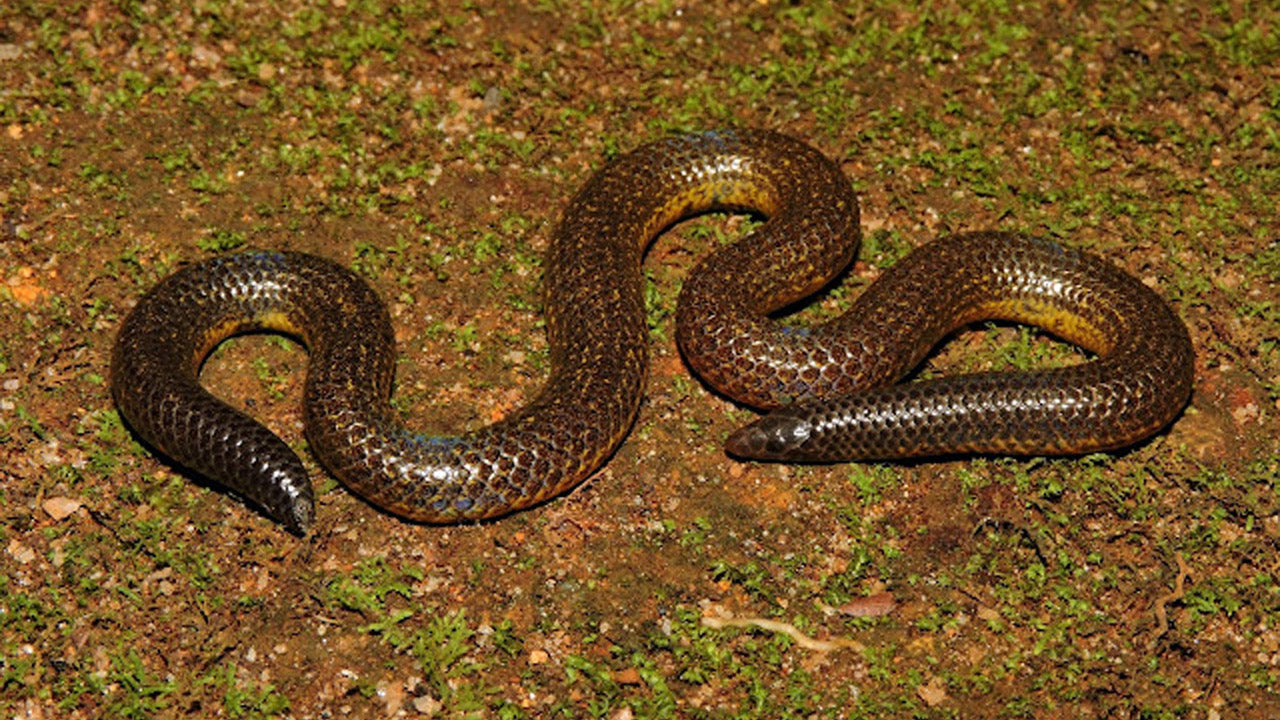 Gray's Earth Snake
Aparallactus grayi
-
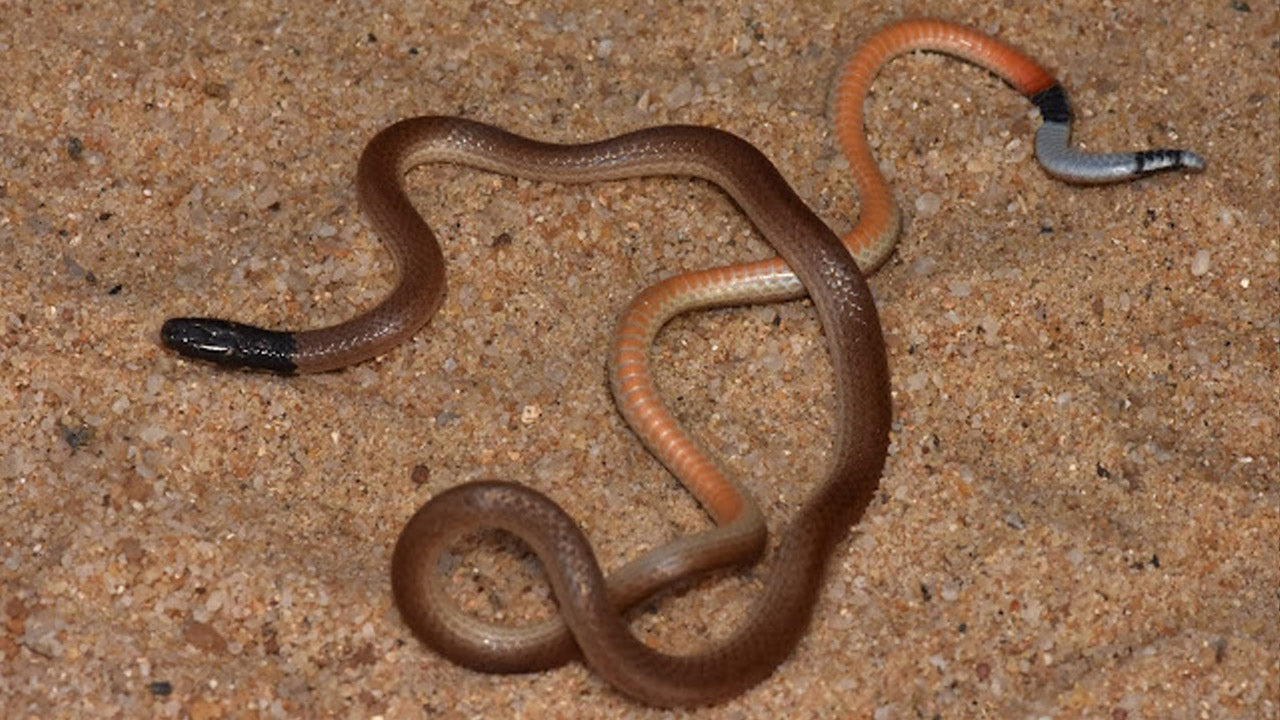 Slender Coral Snake
Calliophis Melanurus
-
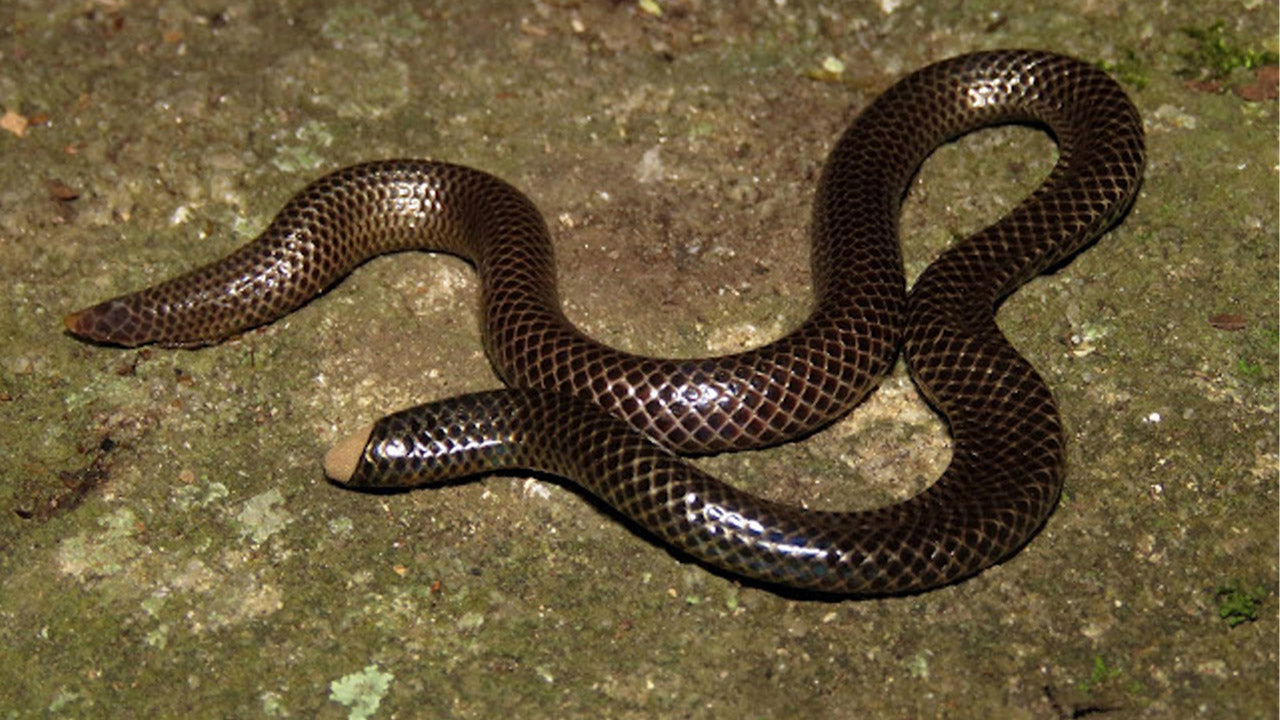 Cuvier's Shieldtail
Uropeltis ceylanica
-
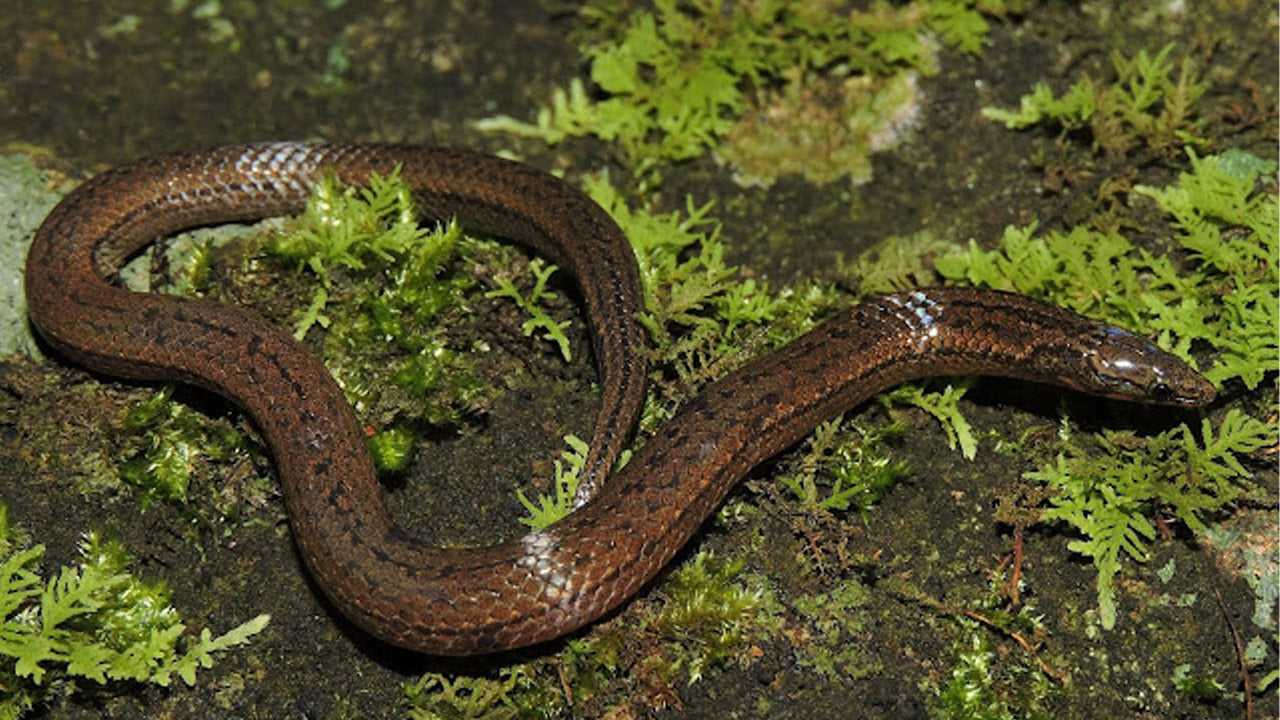 de Silva's Rough-sided Snake
Aspidura desilvai
-
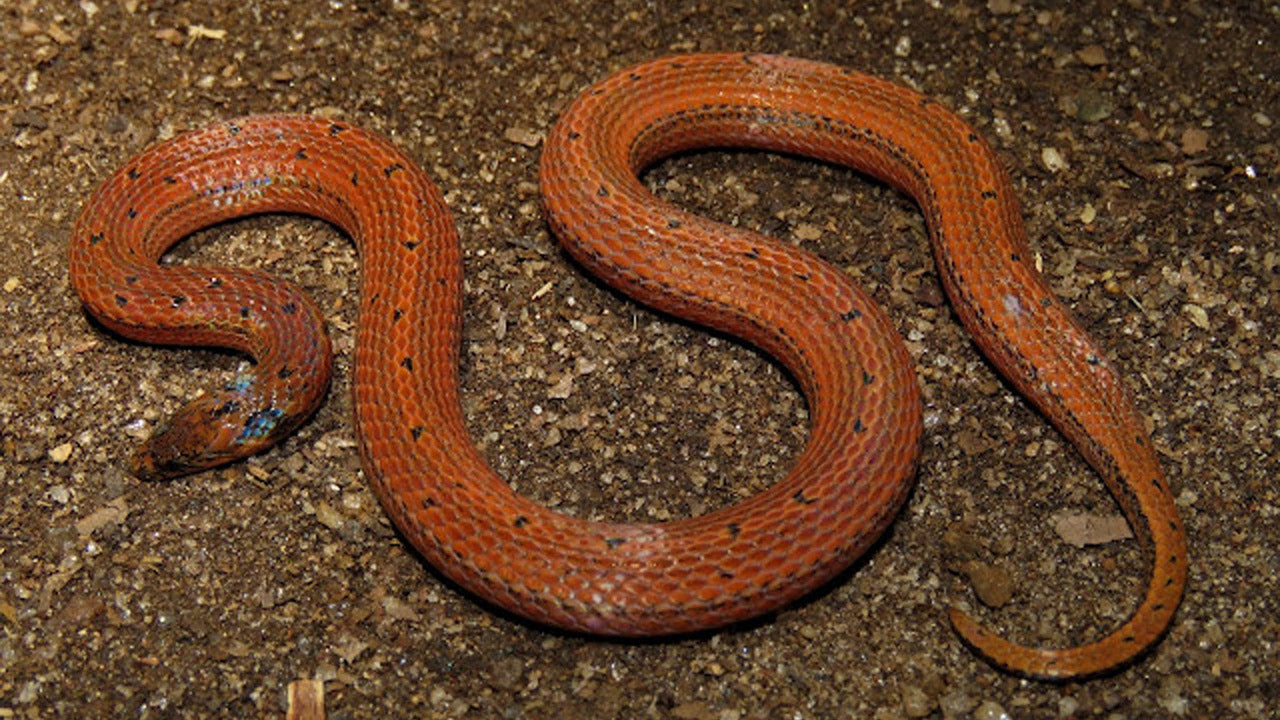 Boie's Rough-Sided Snake
Aspidura brachyorrhos
-
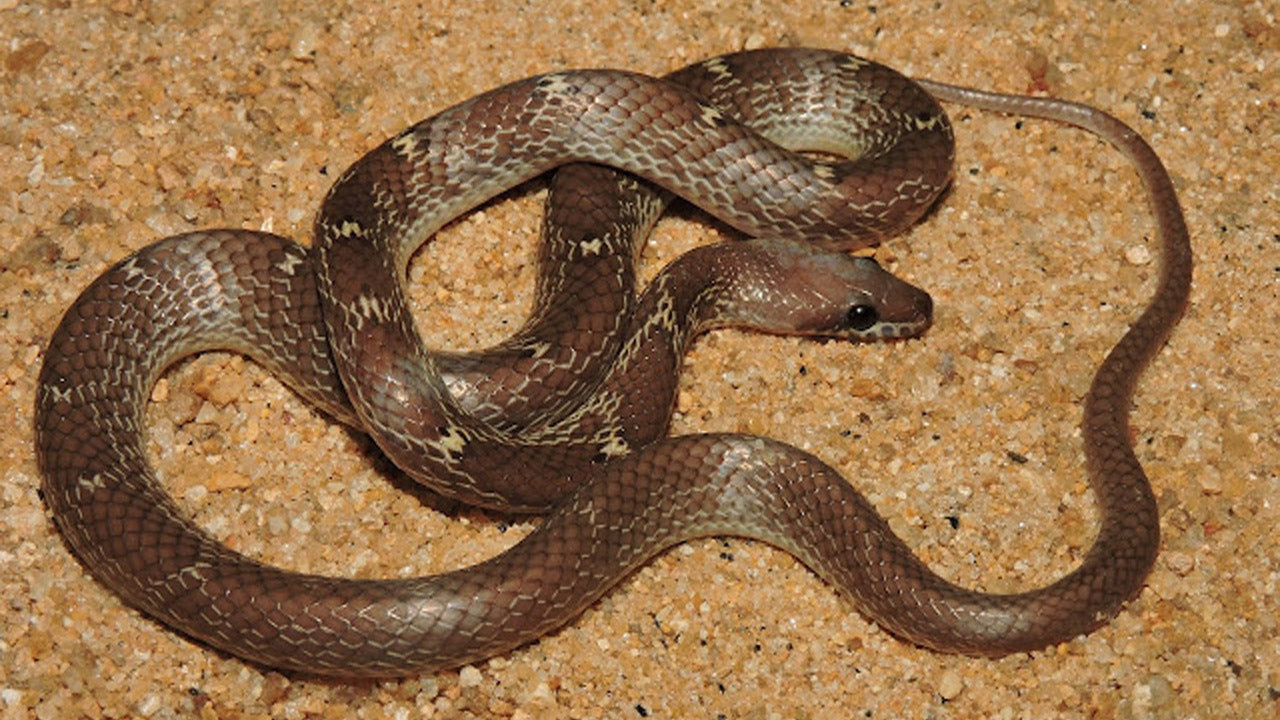 Flowery Wolf Snake
Lycodon anamallensis
-
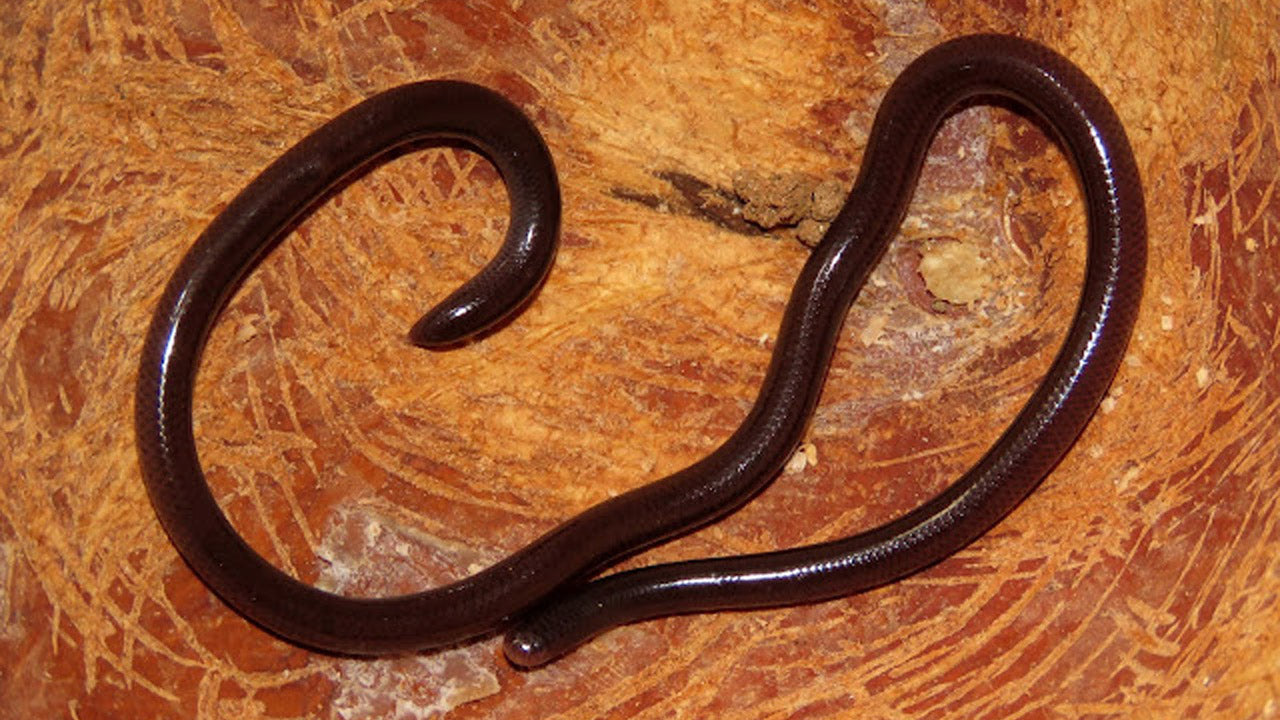 Brahminy Blind Snake
Indotyphlops braminus
-
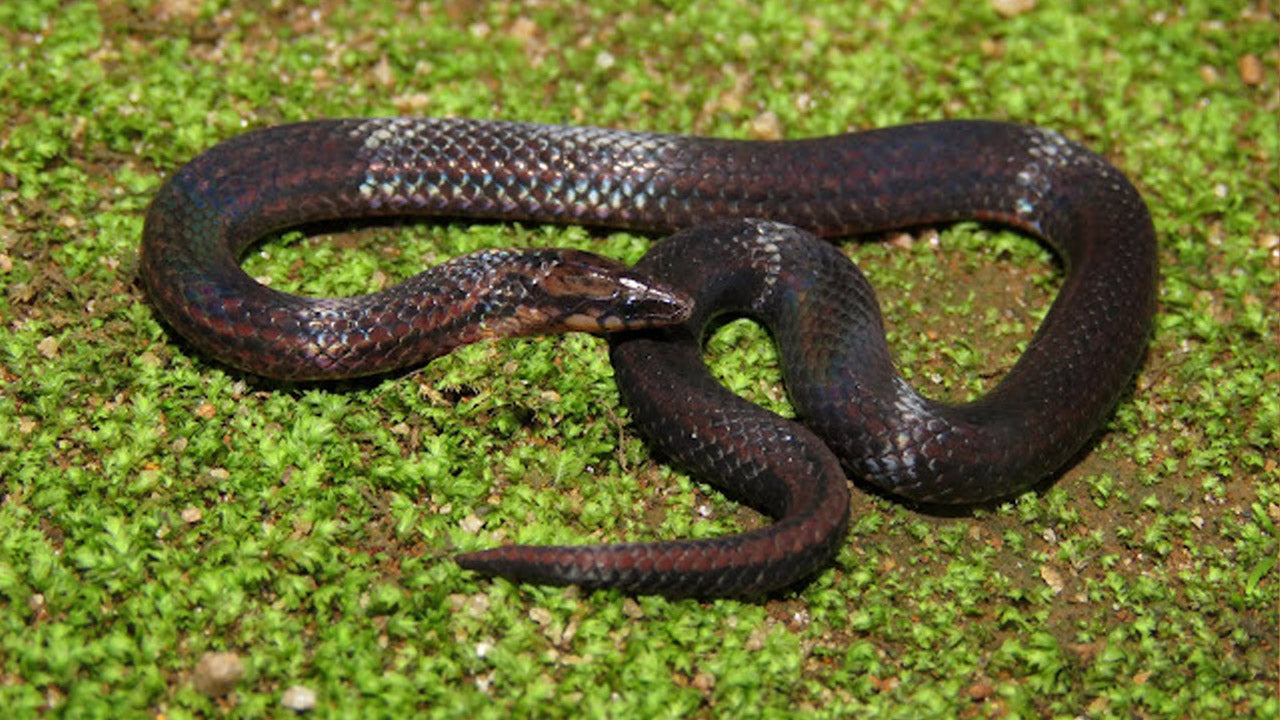 Common Rough-sided Snake
Aspidura trachyprocta
-
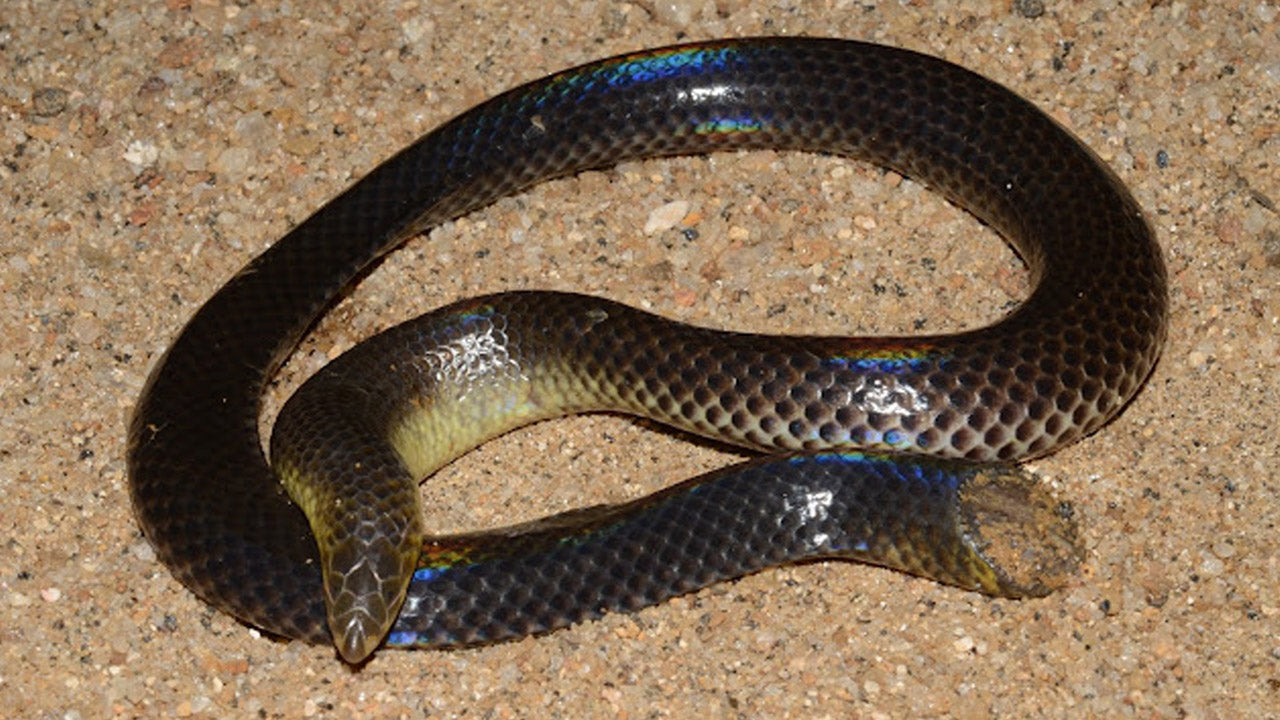 Large Shieldtail
Rhinophis saffragamus
-
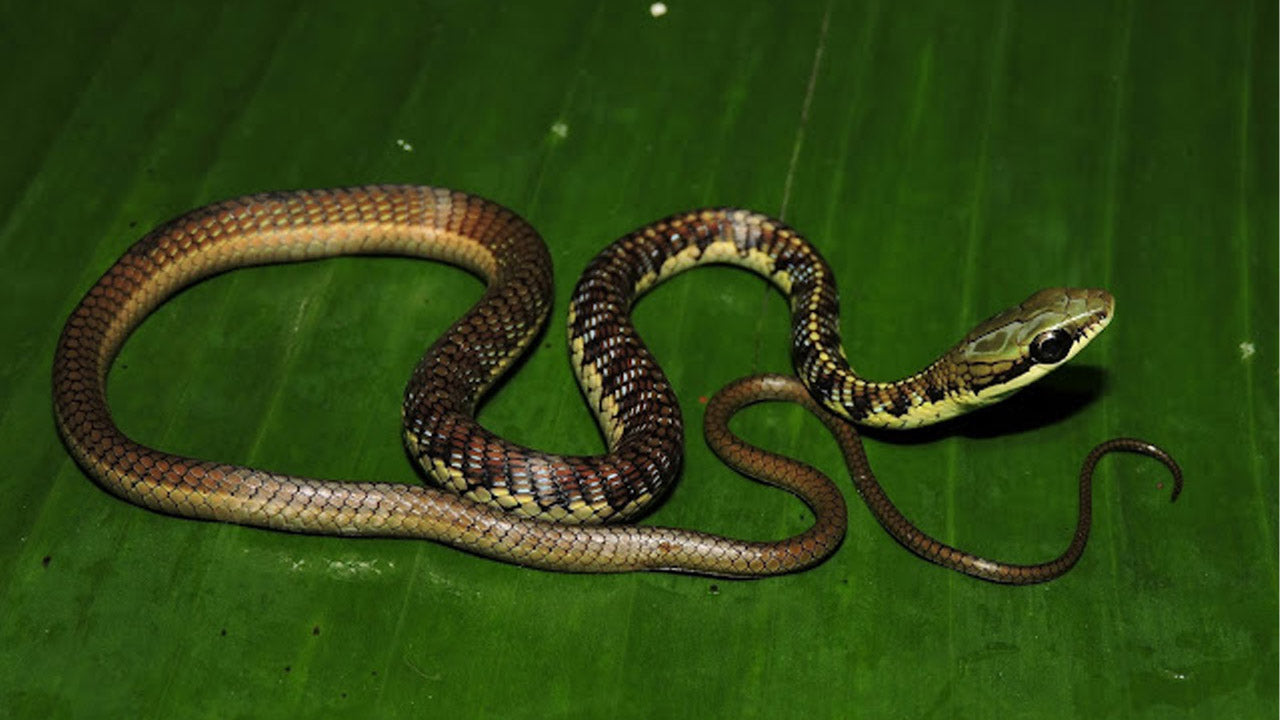 Schokar's Bronzeback
Schokar's bronzeback
-
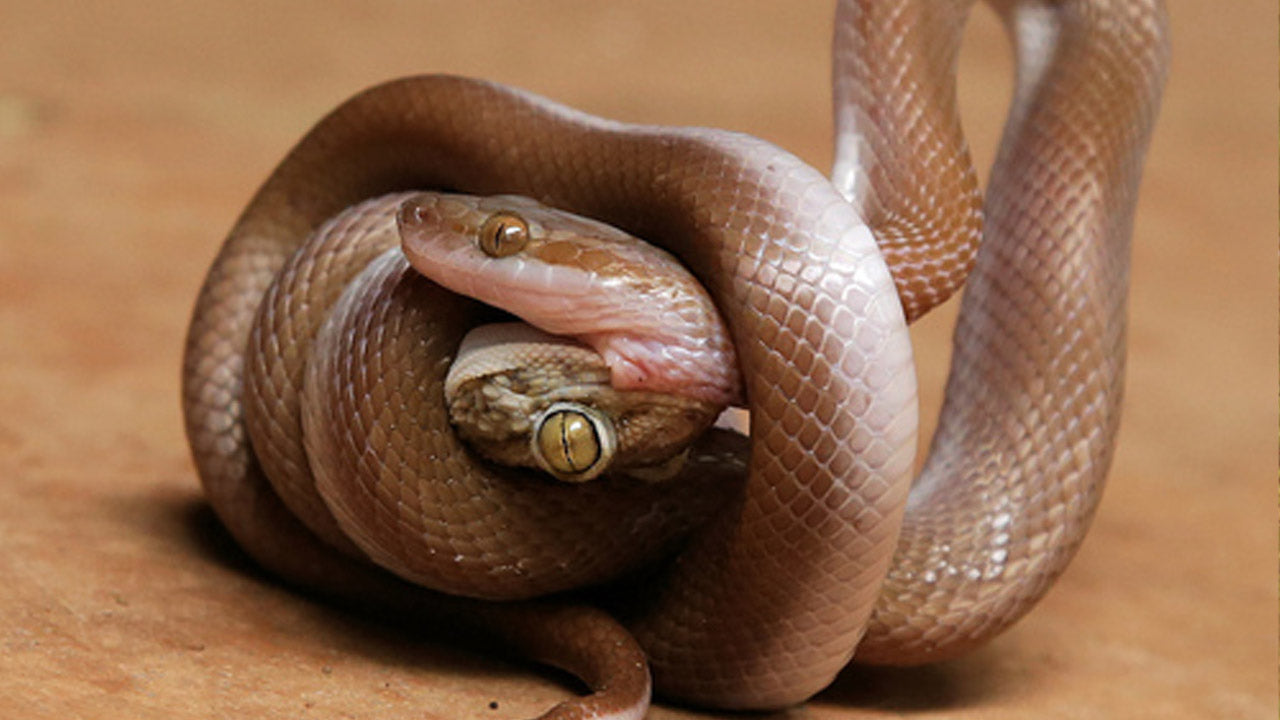 Jan's Worm Snake
Typhlops mirus
-
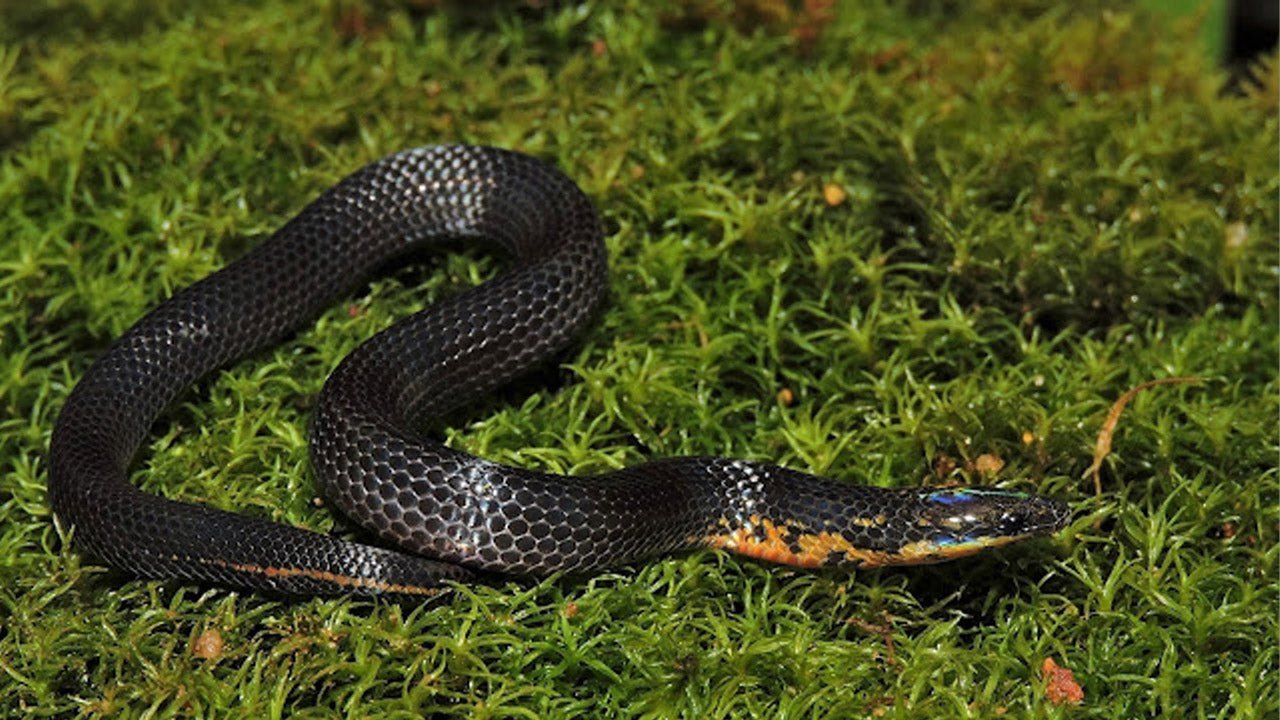 Ravana's Rough-sided Snake
Aspidura ravanai
-
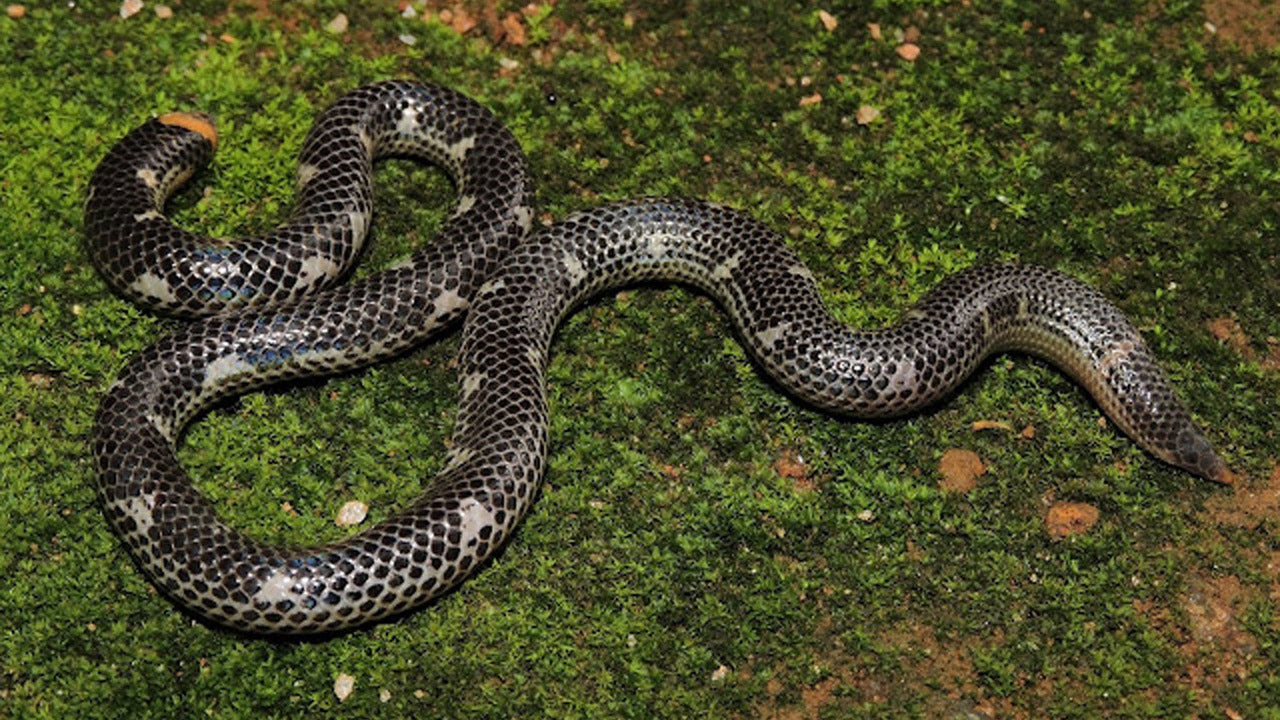 Hemprich's Shieldtail
Uropeltis hemprichii.
-
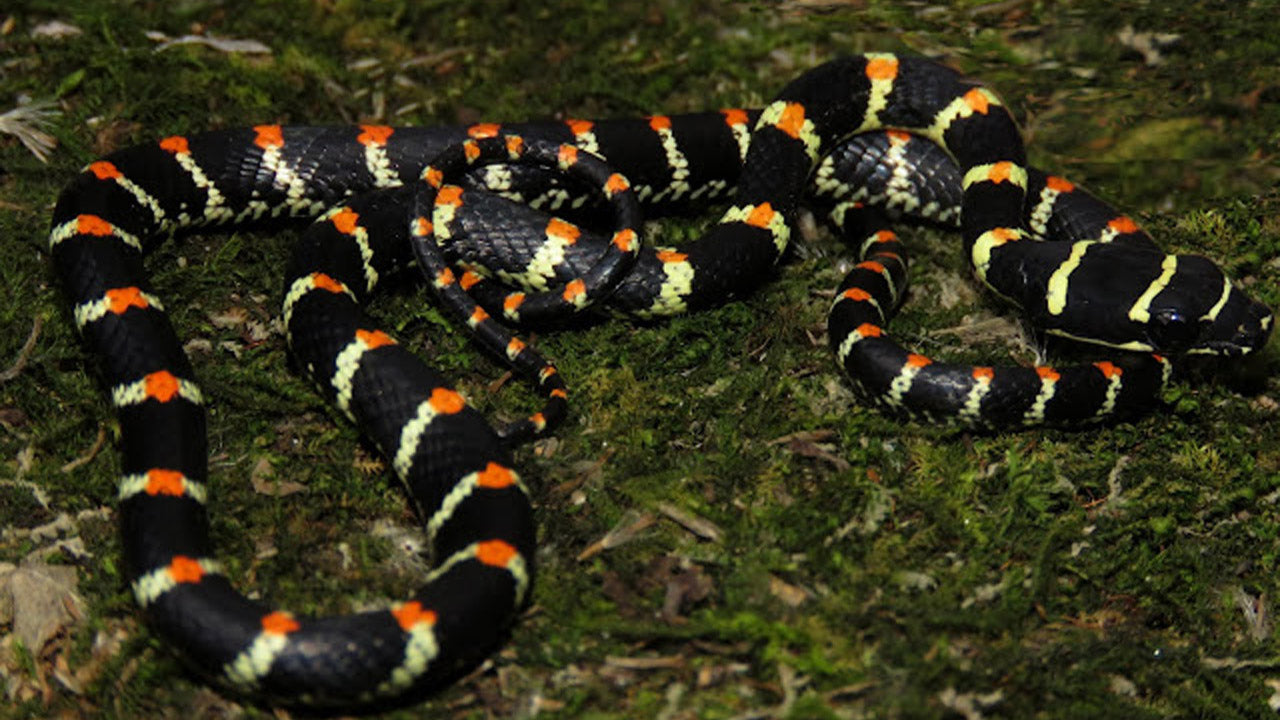 Ornate Flying Snake
Chrysopelea ornata
-
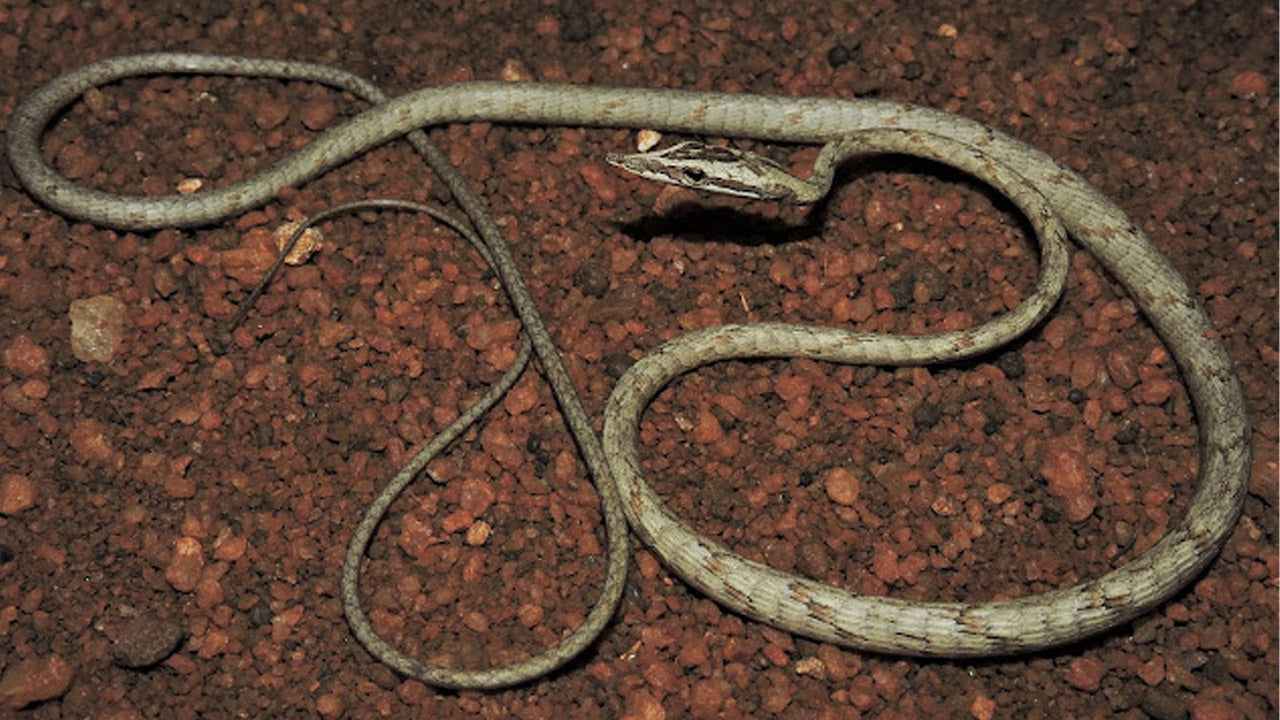 Brown Vine Snake
Ahaetulla pulverulenta
-
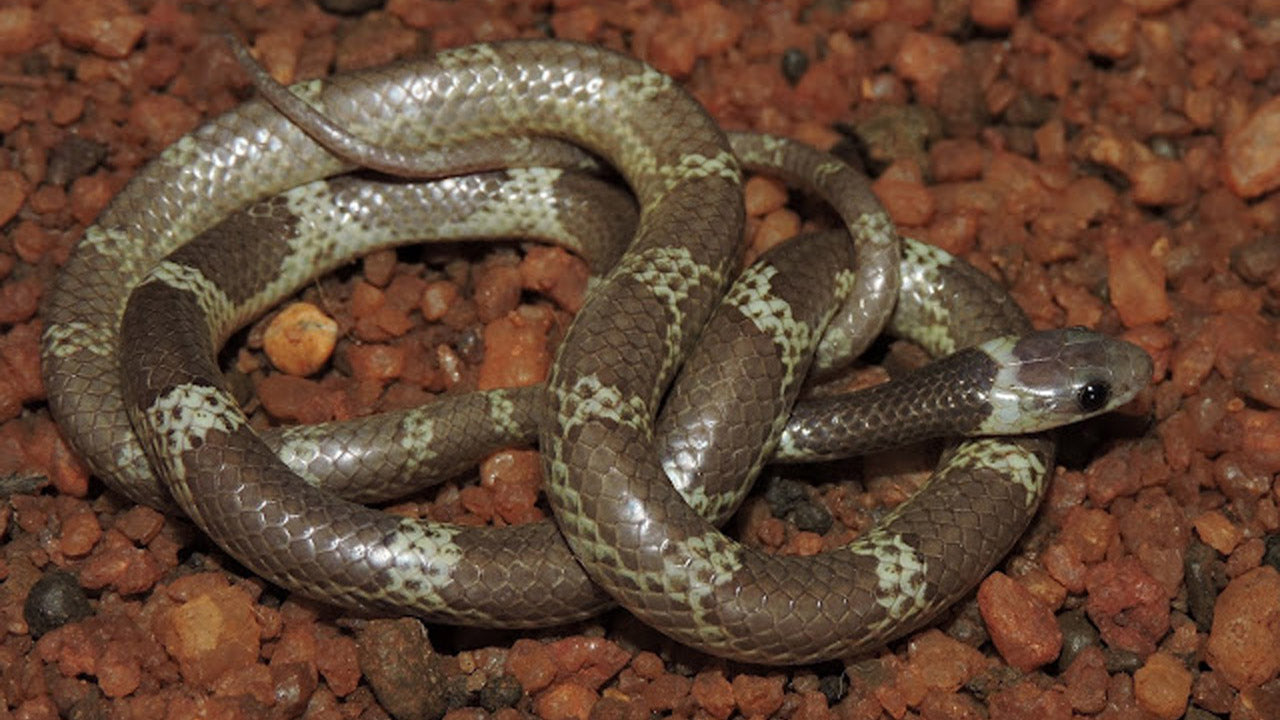 Common Bridal Snake
colubrid snake
-
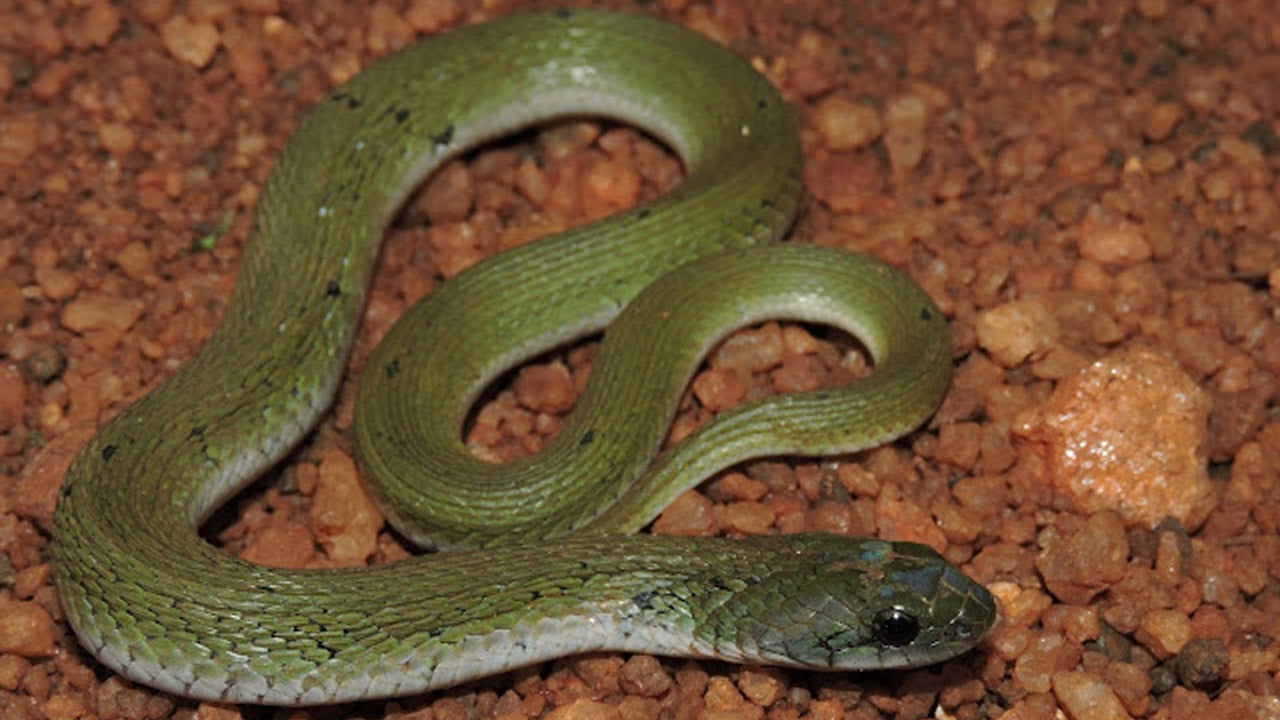 Green Keelback
Rhabdophis plumbicolor