Hemprich's Shieldtail


Scientific Name: Uropeltis hemprichii
Family: Uropeltidae
Common Name(s): Hemprich's Shieldtail
Overview:
Hemprich's Shieldtail (Uropeltis hemprichii) is a fascinating species of non-venomous, burrowing snake found in the forests of South India. As part of the Uropeltidae family, which is known for its specialized shield-like tail, this snake is rarely seen due to its subterranean lifestyle. It plays an important role in its ecosystem by preying on invertebrates, particularly soil-dwelling insects and larvae. Due to its cryptic nature and underground habitat, Hemprich's Shieldtail remains a poorly understood species in terms of behavior and ecology.
Physical Description:
- Size: Hemprich's Shieldtail is a medium-sized snake, usually measuring between 30 to 50 cm (12 to 20 inches) in length.
- Coloration: The body is typically glossy black or dark brown, with a smooth appearance. The underside may appear lighter, often ranging from pale pinkish to yellowish.
- Body: The snake has a cylindrical, smooth body with a slight, subtle taper toward the tail. The body is thickset, aiding in its burrowing activities.
- Head: Hemprich’s Shieldtail has a small, blunt head that is not easily distinguishable from the rest of its body, which helps it blend in while underground.
- Tail: The most distinctive feature of this species is its shield-like tail, which is hard and flattened, resembling a small, thickened shield that the snake uses to seal off its burrows and for defense.
Habitat and Distribution:
- Geographical Range: Hemprich's Shieldtail is found in the Western Ghats and nearby regions of South India, particularly in the states of Kerala, Tamil Nadu, and parts of Karnataka.
- Habitat: This snake is primarily fossorial, meaning it spends most of its life underground. It thrives in forested environments, where it is typically found in loose, moist soils. Hemprich's Shieldtail prefers areas with plenty of leaf litter, debris, and rich organic matter, which helps it maintain its burrow and access its prey.
- Preferred Environments: Dense forests, especially in moist or tropical regions, with abundant soil cover for burrowing.
Behavior and Diet:
- Burrowing Lifestyle: Hemprich's Shieldtail is a fossorial species, spending nearly all of its life underground. It uses its shield-like tail to seal burrows and to help it navigate through the soil. The snake is most active at night (nocturnal), emerging to hunt for food.
- Diet: Hemprich's Shieldtail feeds mainly on soil-dwelling invertebrates such as earthworms, insect larvae, and ants. It is a predator of small creatures that live within the soil and leaf litter, using its sense of touch to detect movements through vibrations.
- Behavior: The snake is generally non-aggressive and highly secretive. It avoids human contact and will retreat into its burrow if
-
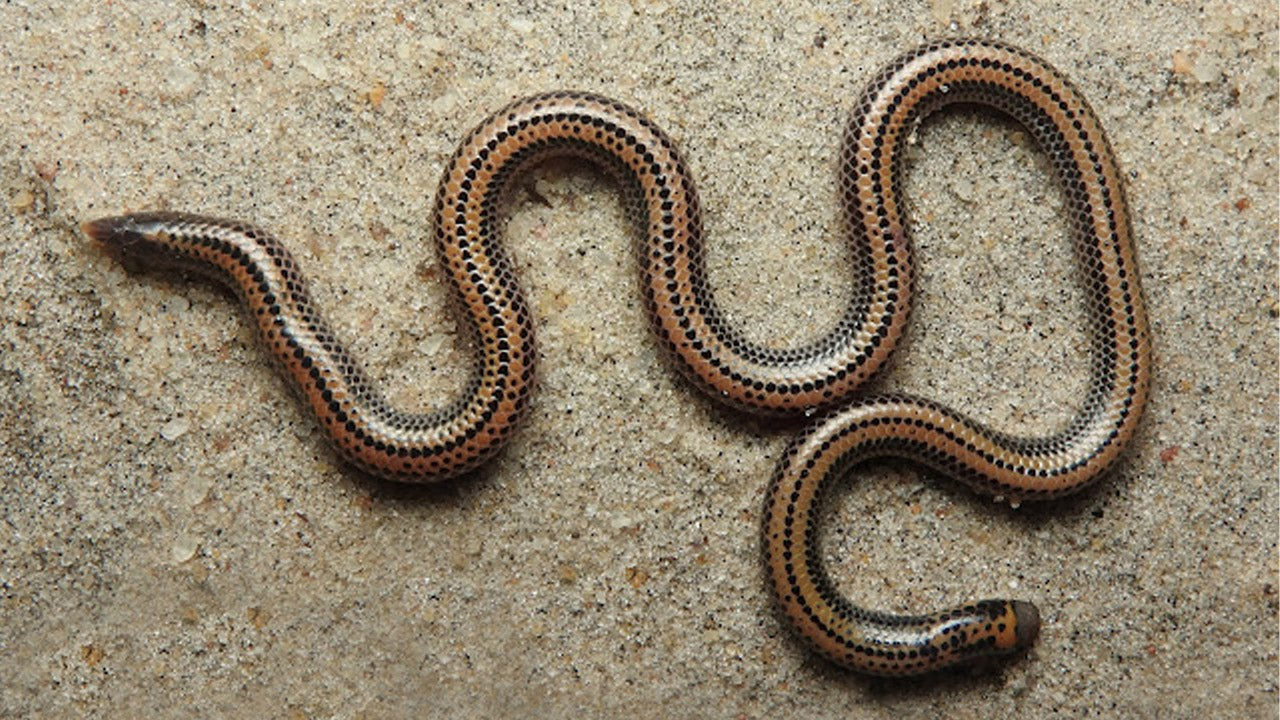 Muller's Shieldtail
Uropeltis mülleri
-
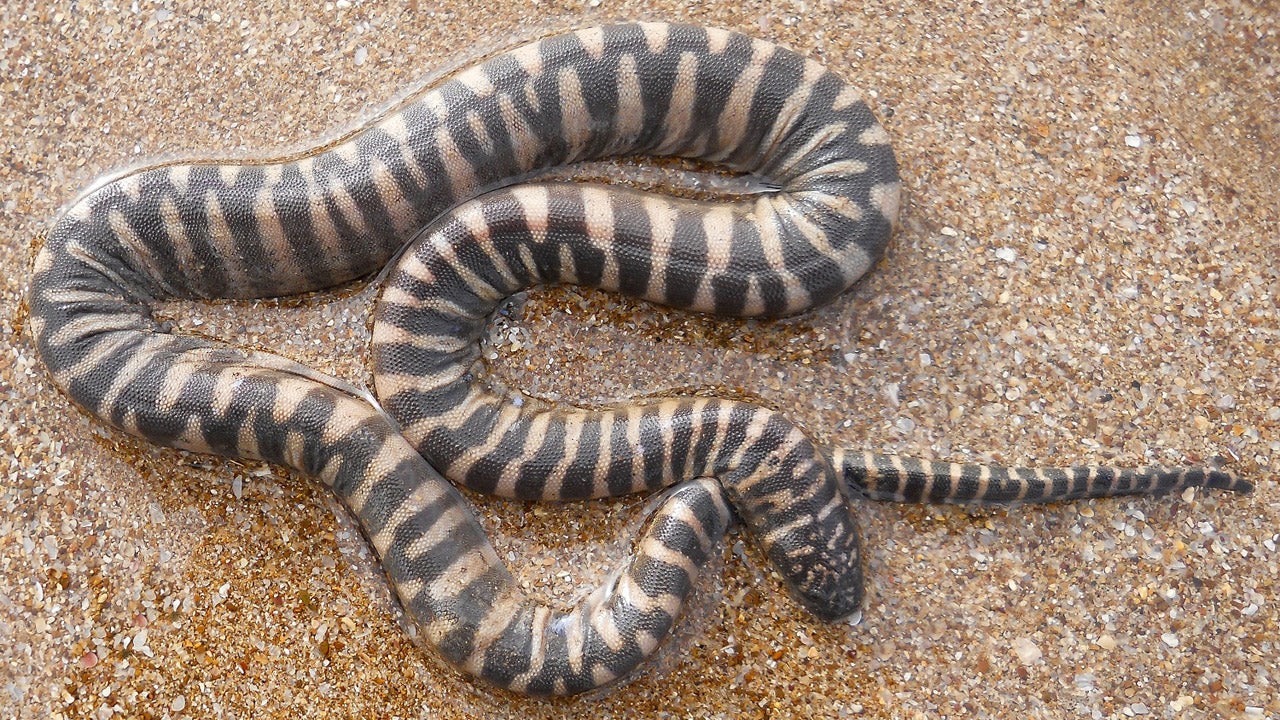 Wart Snake
Acrochordus
-
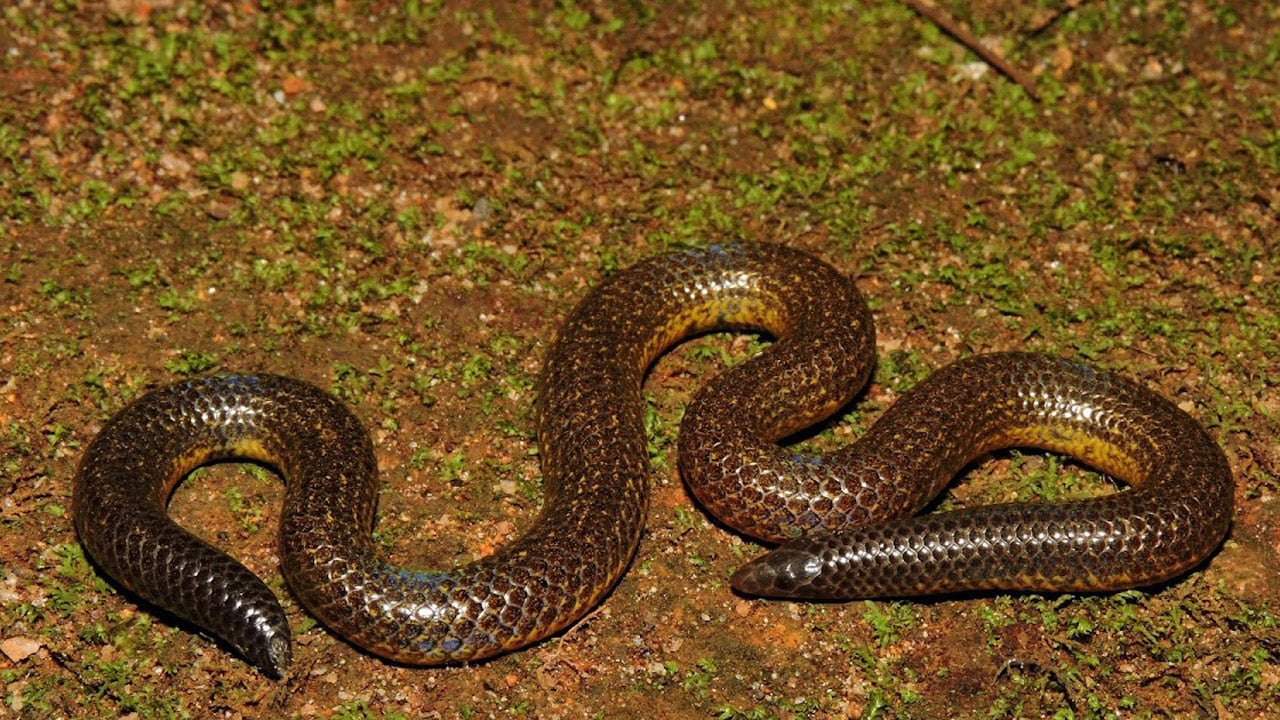 Drummond-Hay's Shieldtail
Rhinophis drummondhayi
-
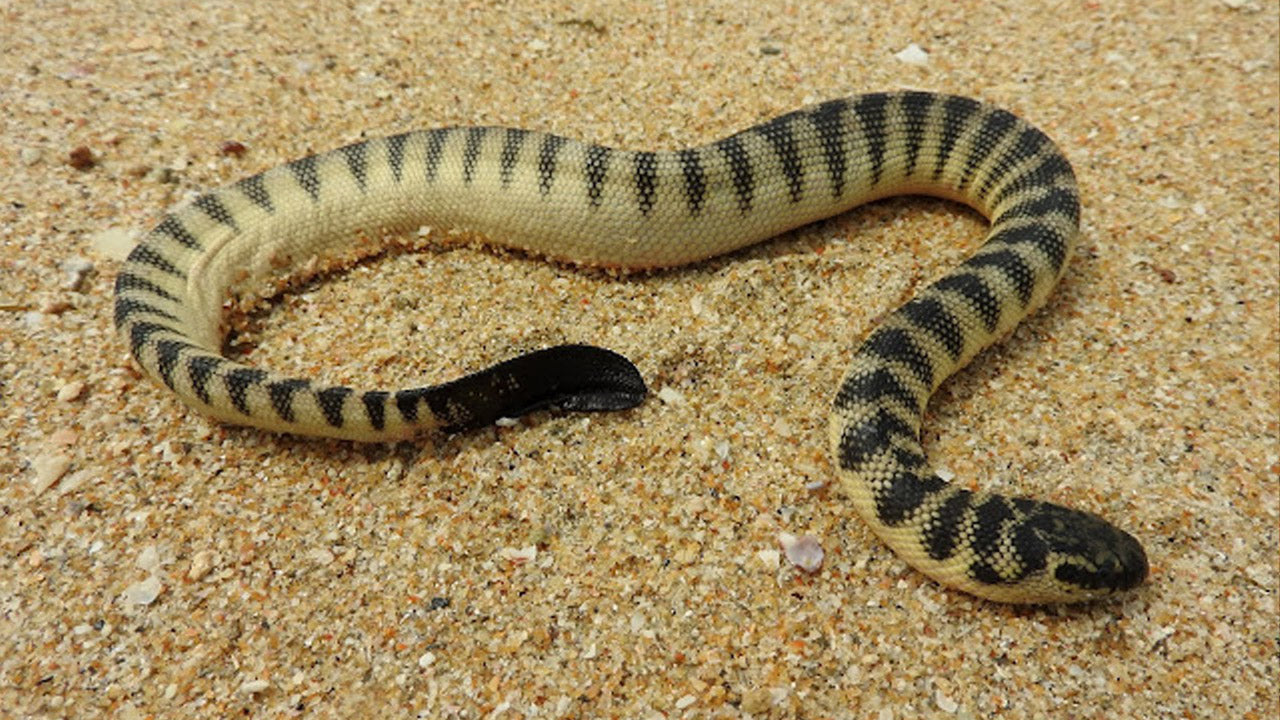 Shaw's Sea Snake
Hydrophis curtus
-
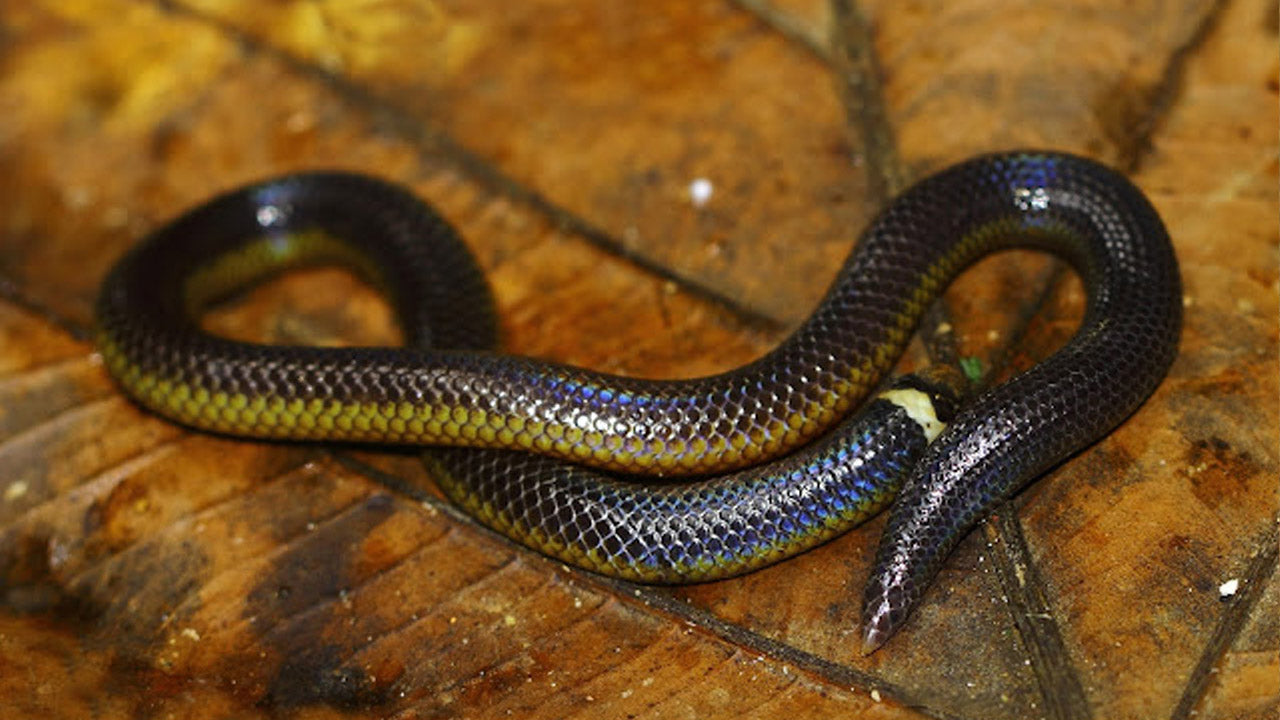 Deraniyagala's Shieldtail
Rhinophis tricoloratus
-
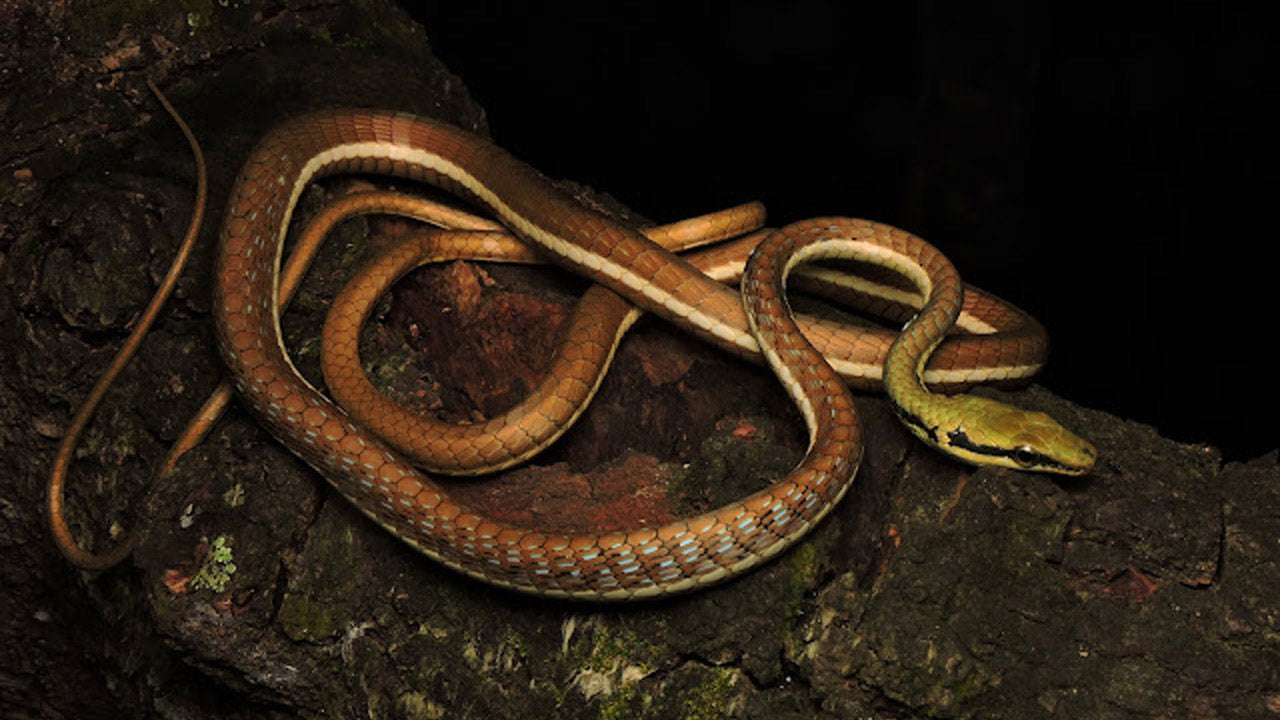 Wickramasinghe's Bronzeback
Dendrelaphis wickrorum
-
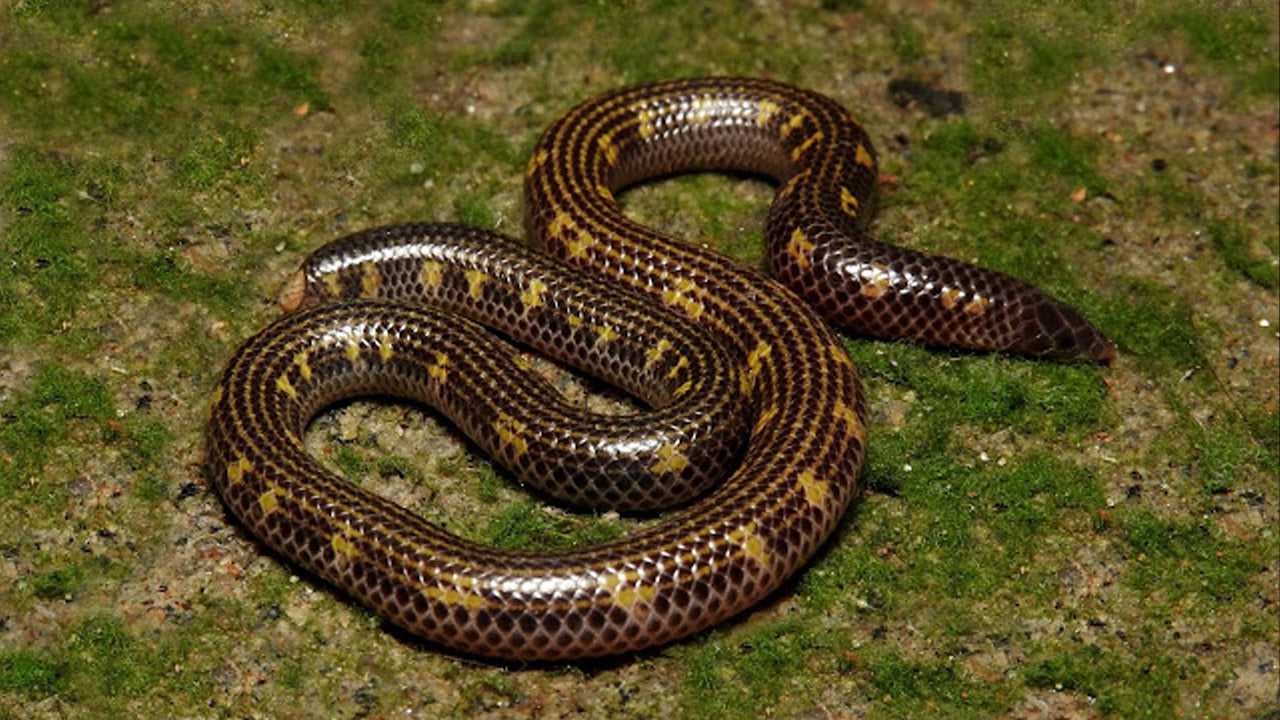 Phillip's Earth Snake
Rhinophis phillipsi
-
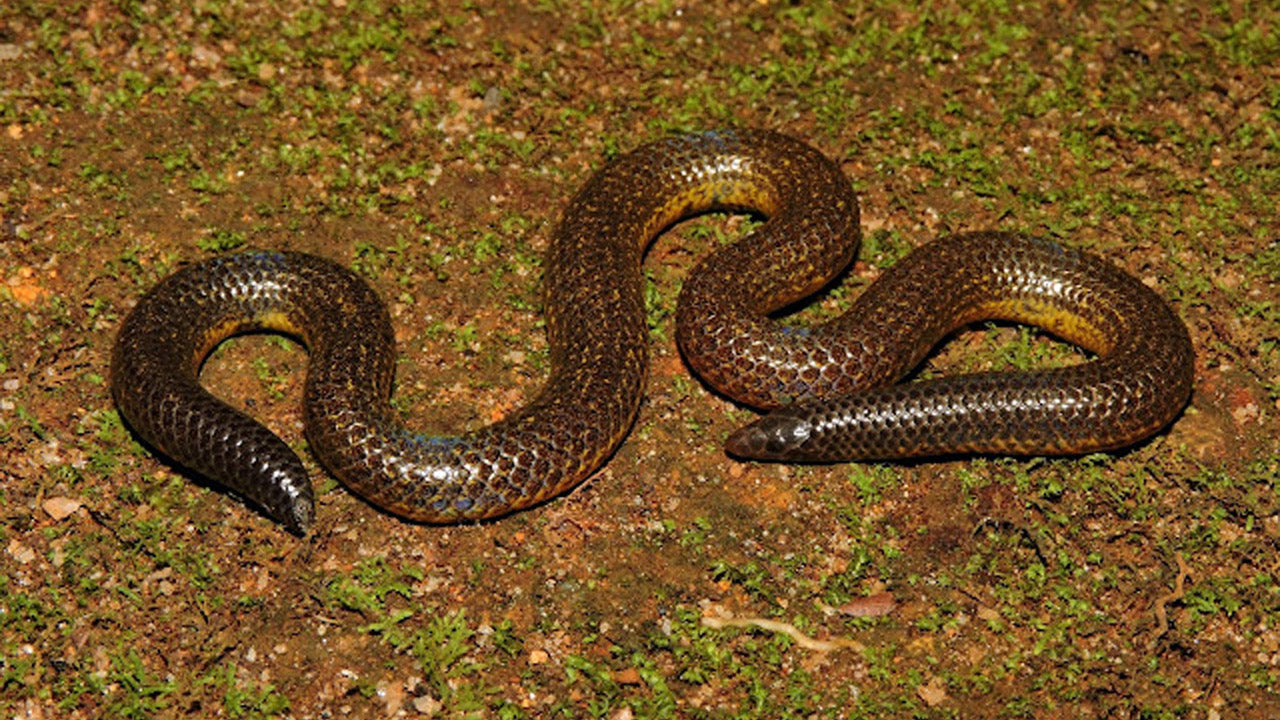 Gray's Earth Snake
Aparallactus grayi
-
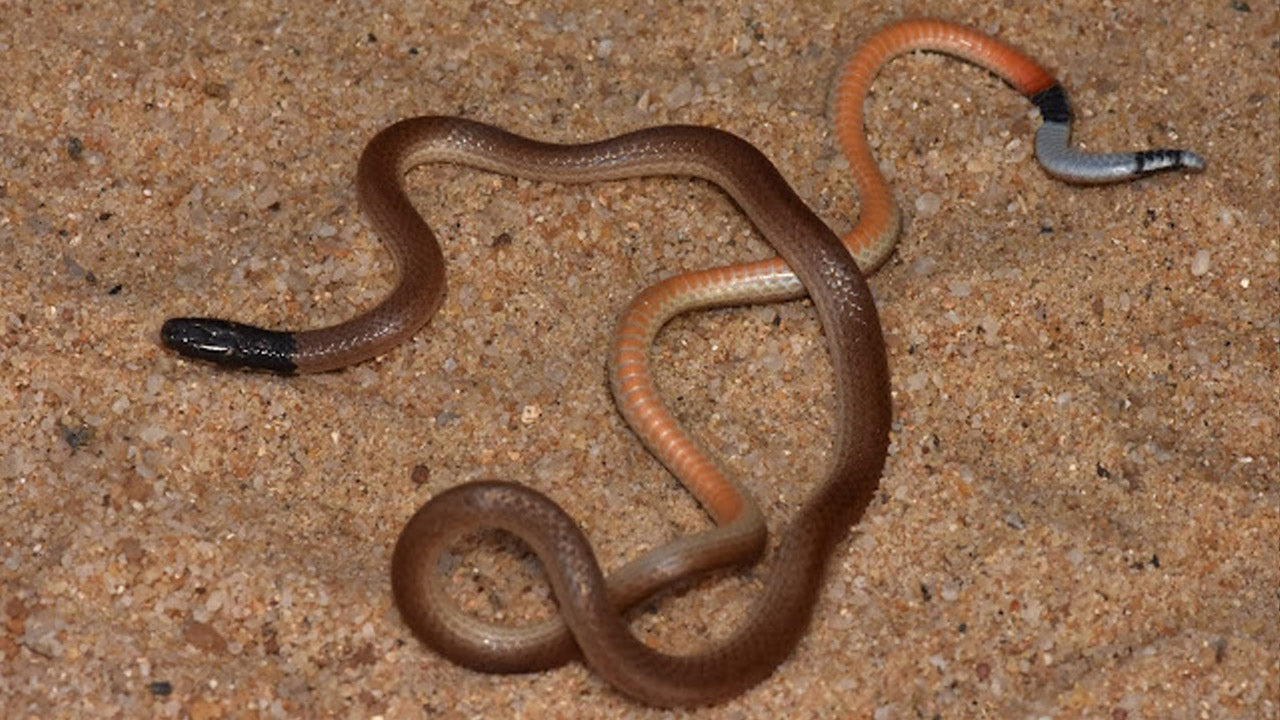 Slender Coral Snake
Calliophis Melanurus
-
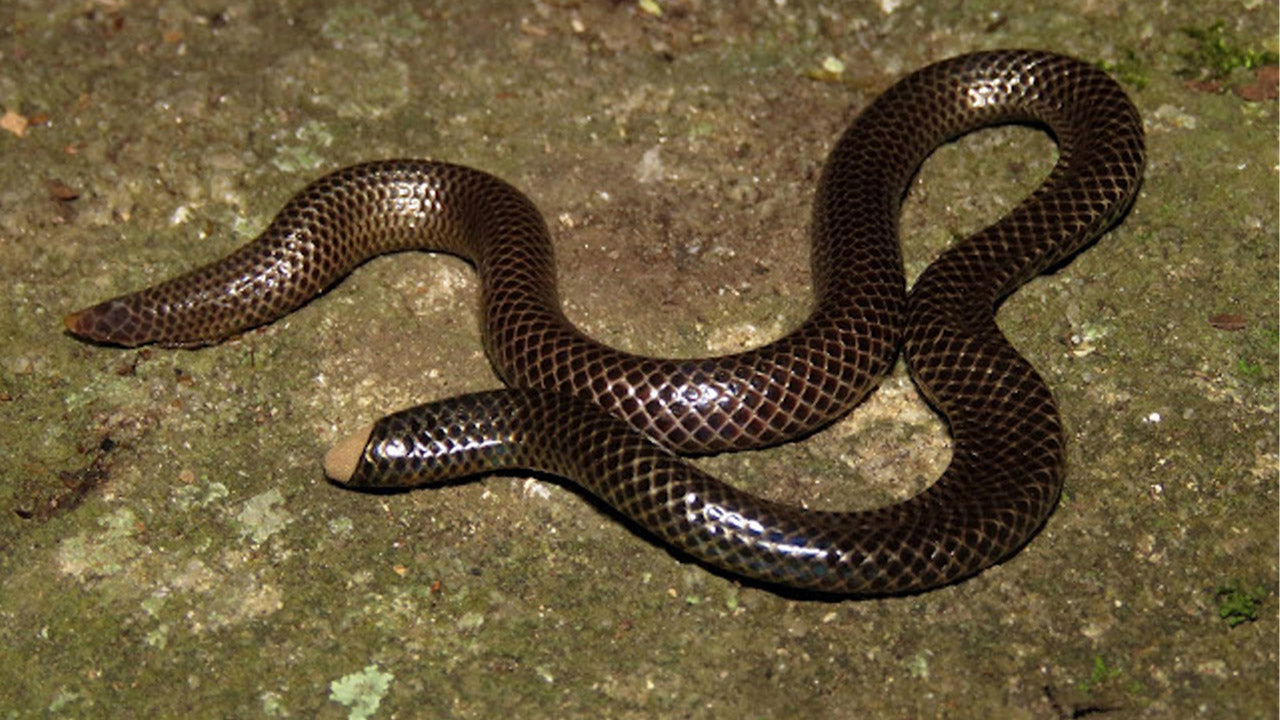 Cuvier's Shieldtail
Uropeltis ceylanica
-
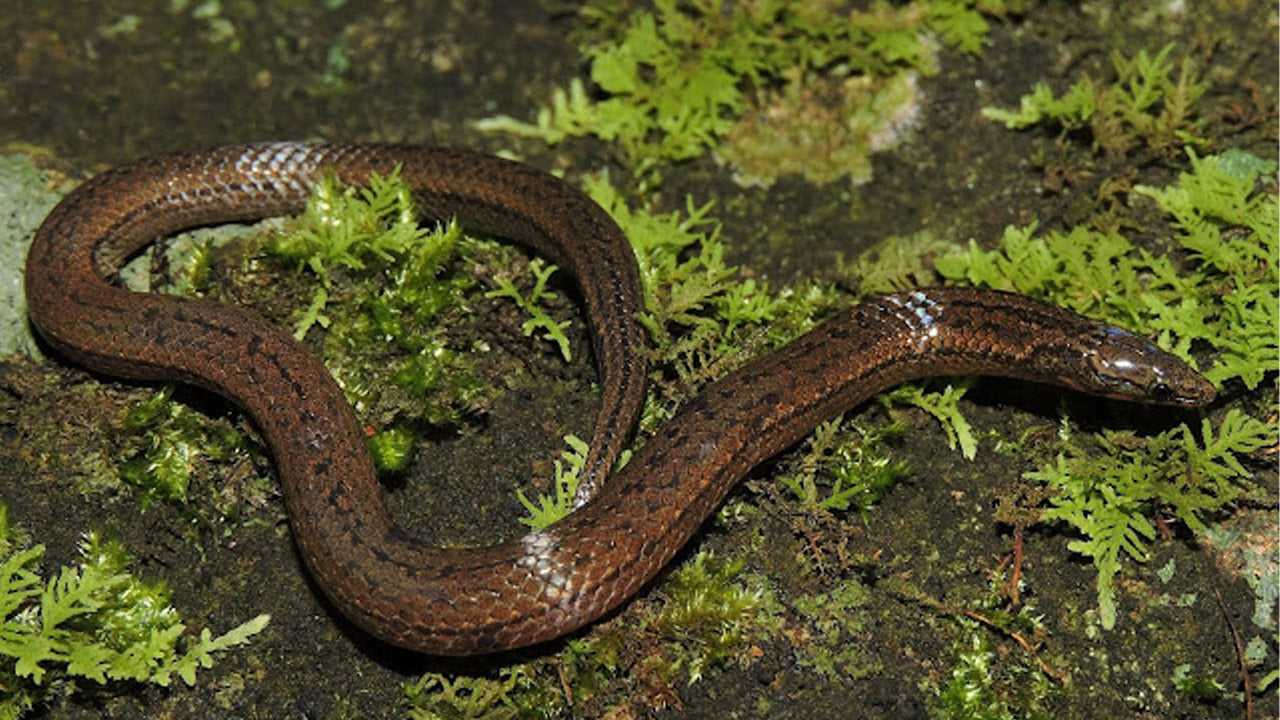 de Silva's Rough-sided Snake
Aspidura desilvai
-
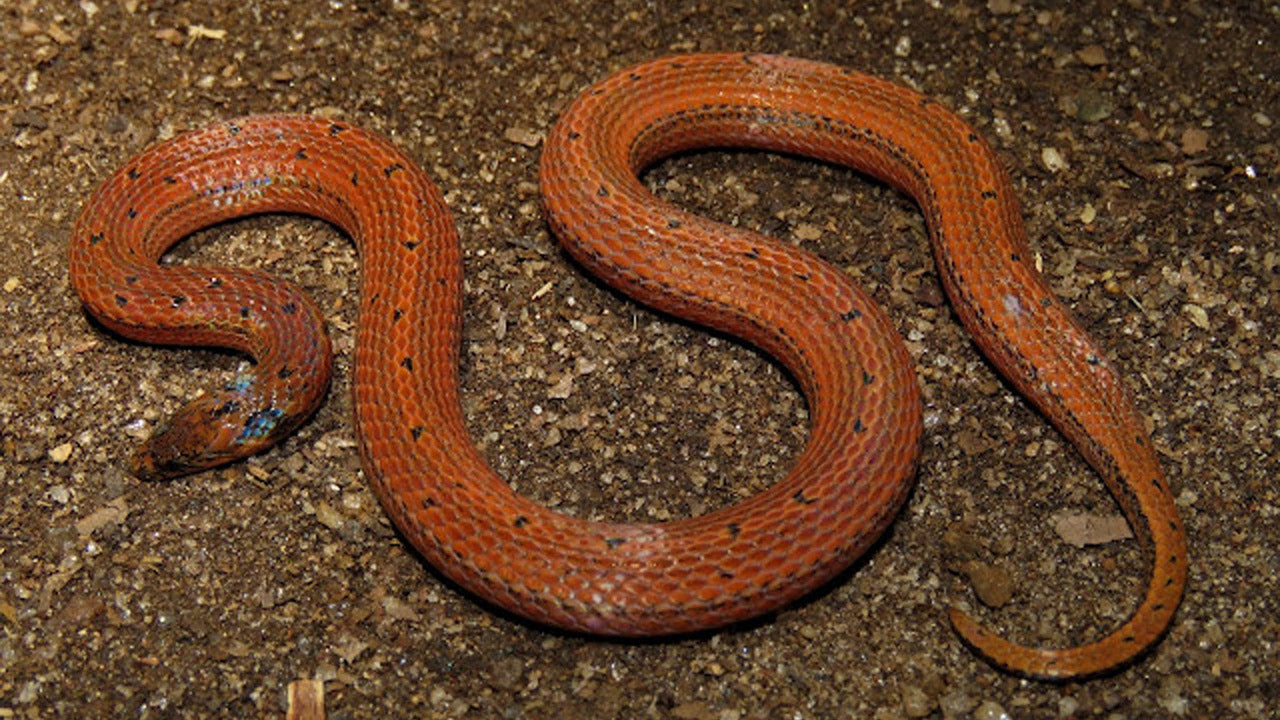 Boie's Rough-Sided Snake
Aspidura brachyorrhos
-
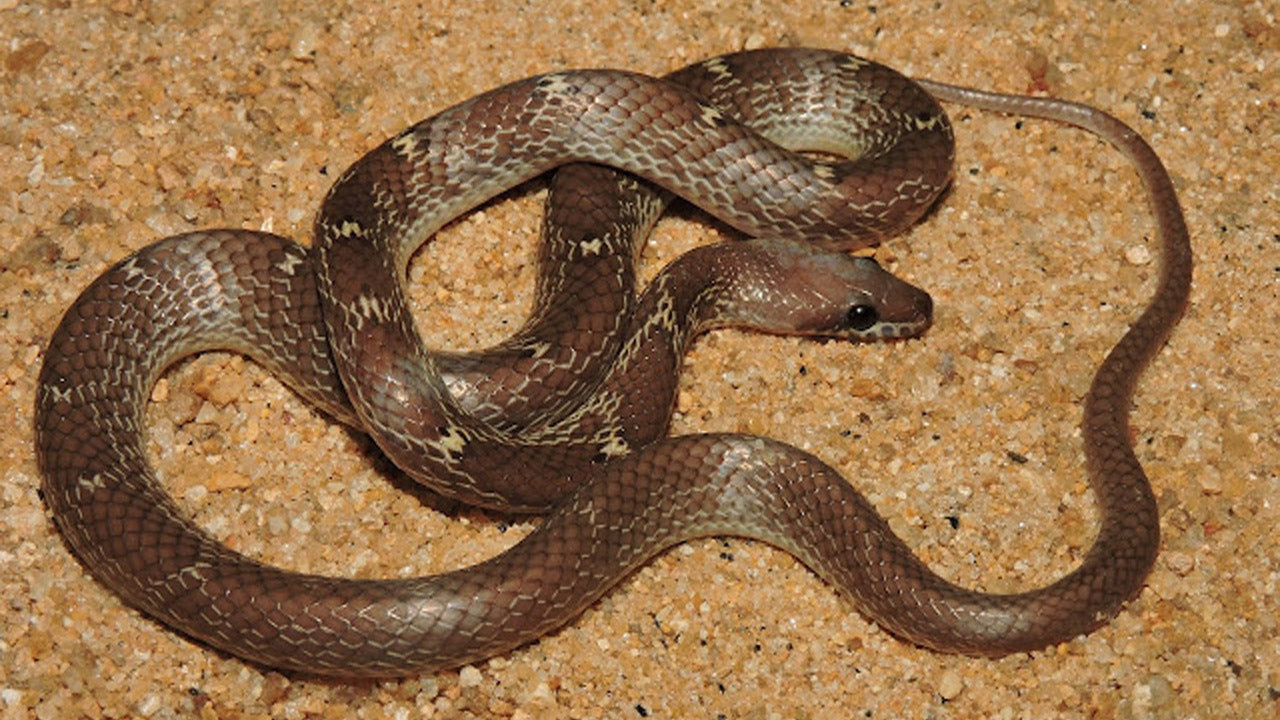 Flowery Wolf Snake
Lycodon anamallensis
-
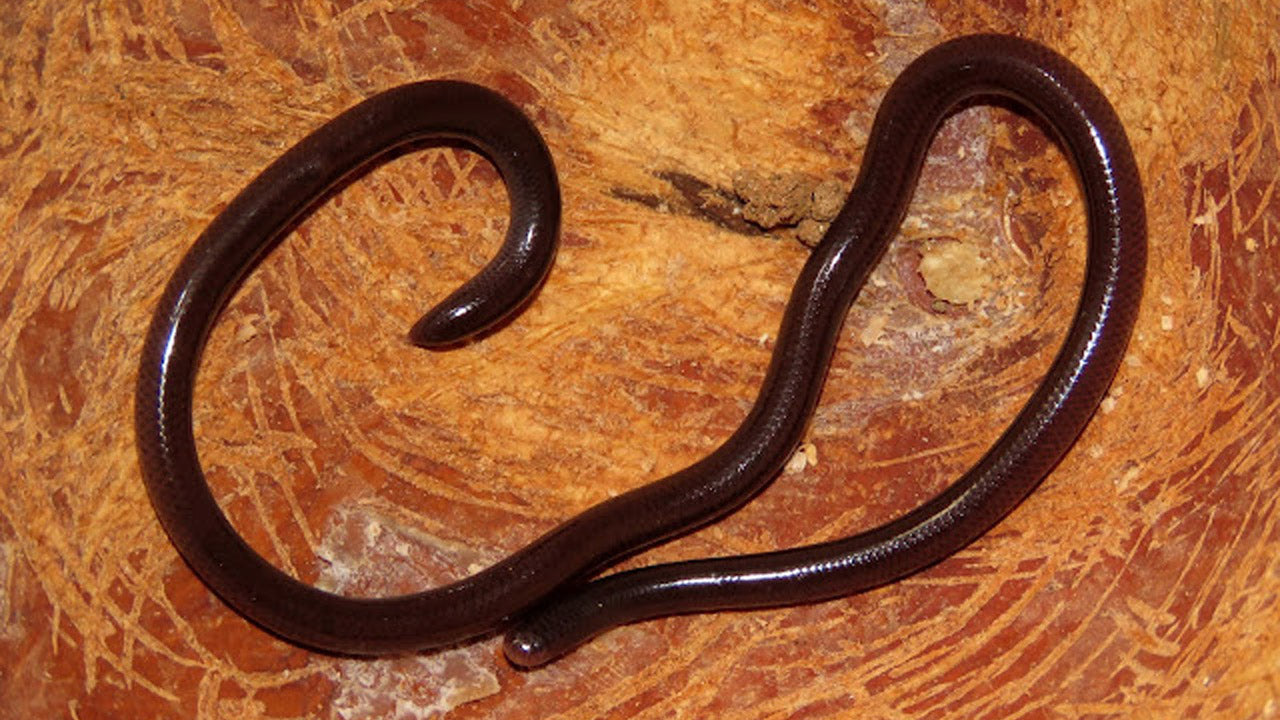 Brahminy Blind Snake
Indotyphlops braminus
-
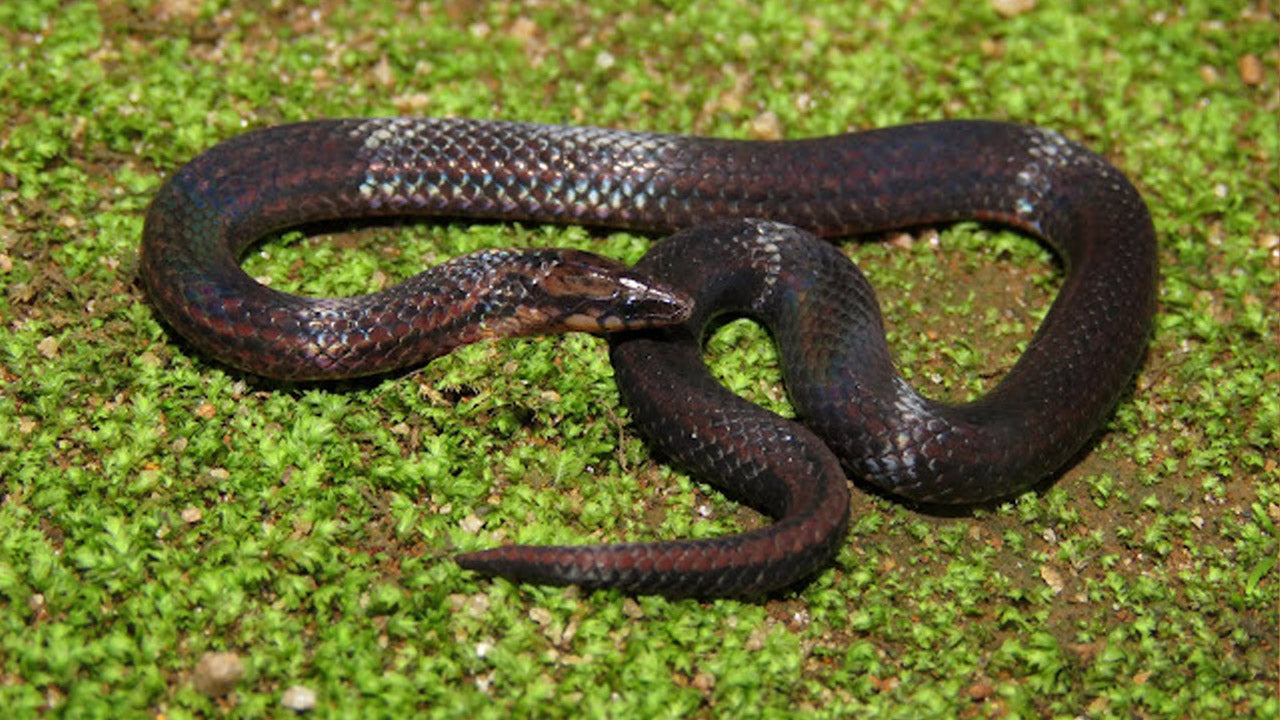 Common Rough-sided Snake
Aspidura trachyprocta
-
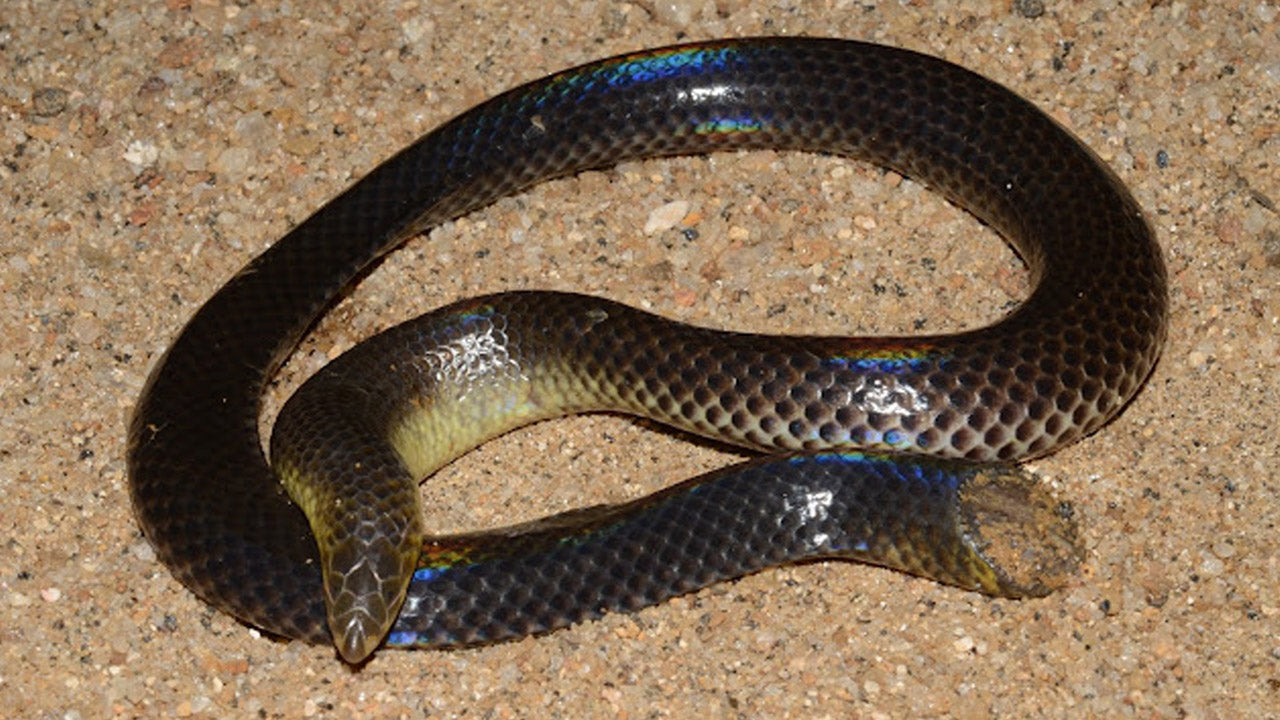 Large Shieldtail
Rhinophis saffragamus
-
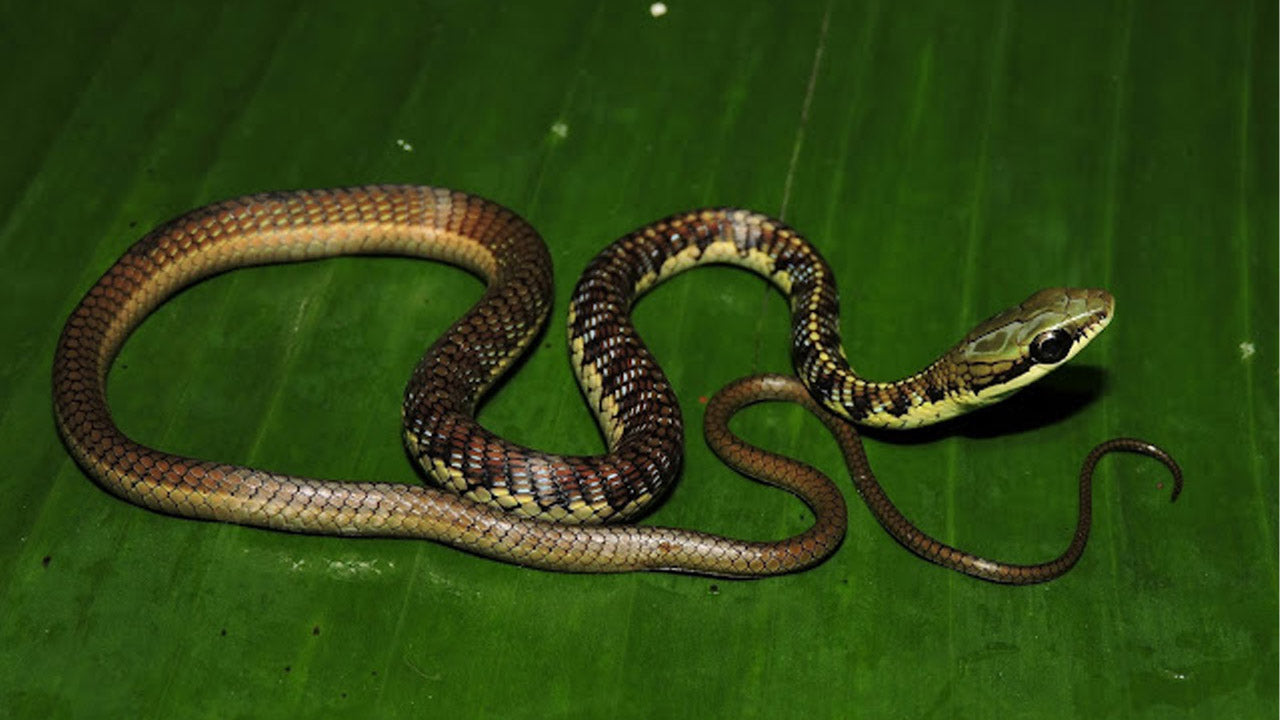 Schokar's Bronzeback
Schokar's bronzeback
-
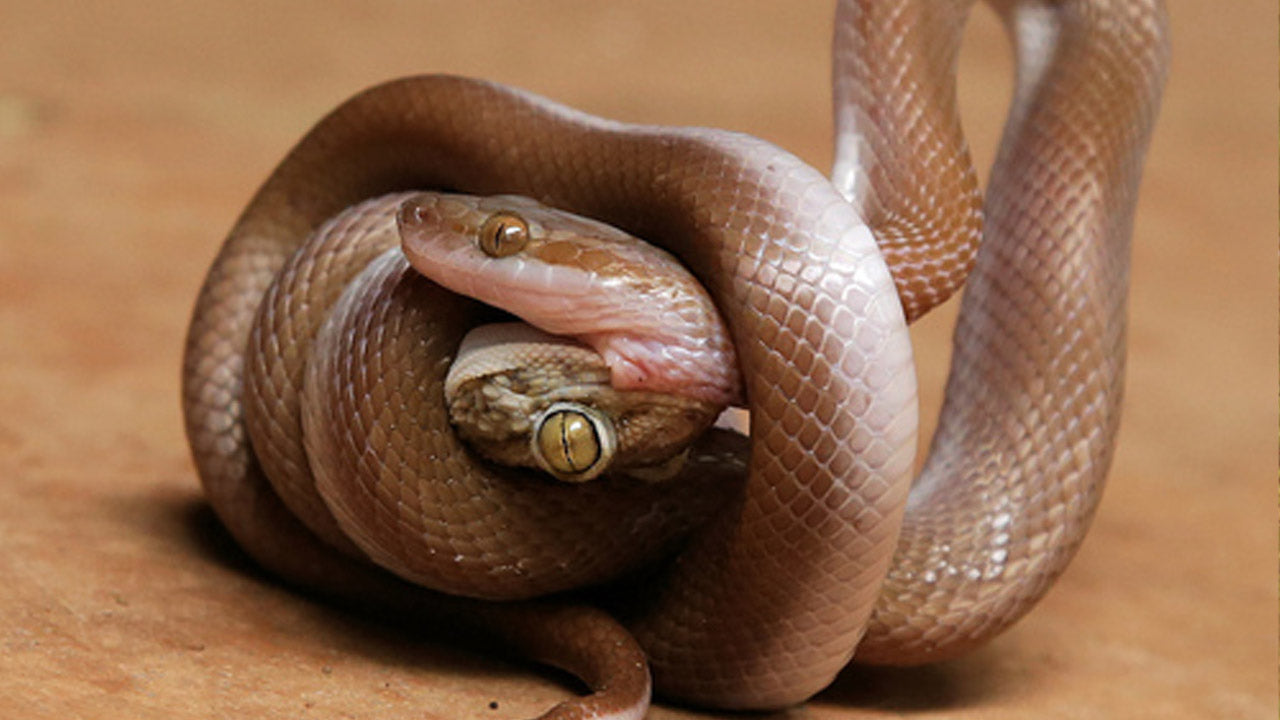 Jan's Worm Snake
Typhlops mirus
-
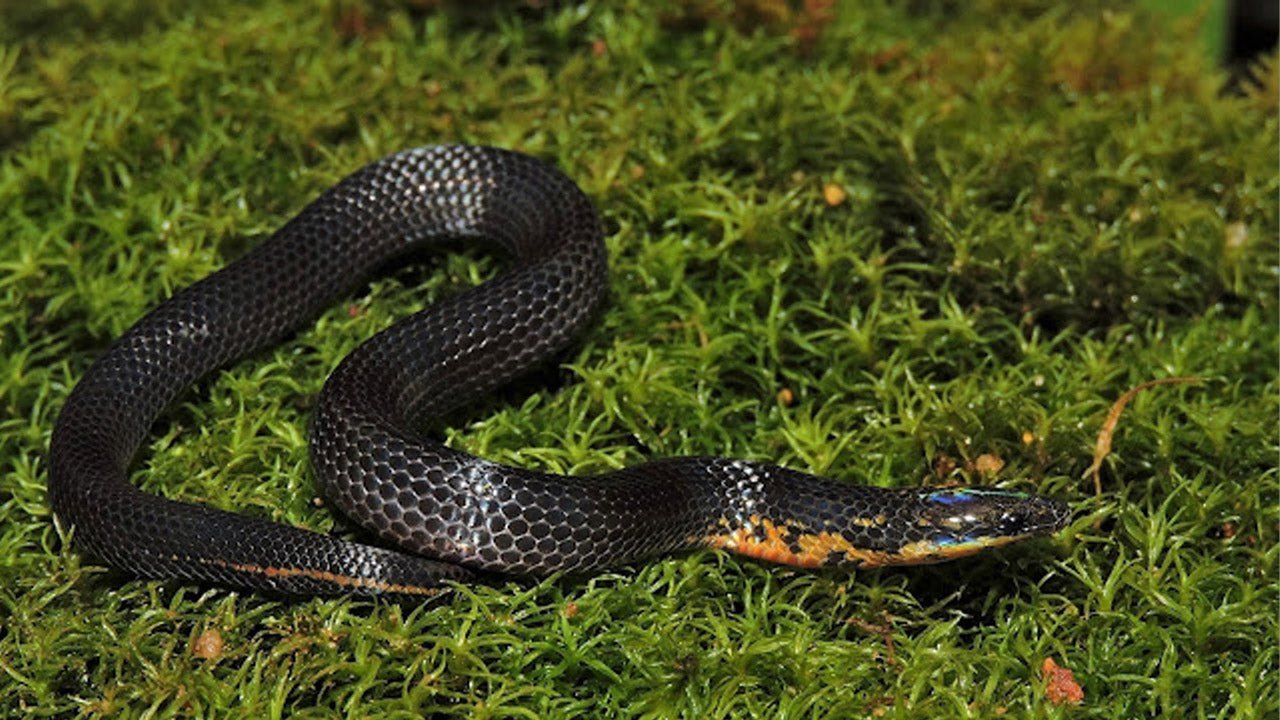 Ravana's Rough-sided Snake
Aspidura ravanai
-
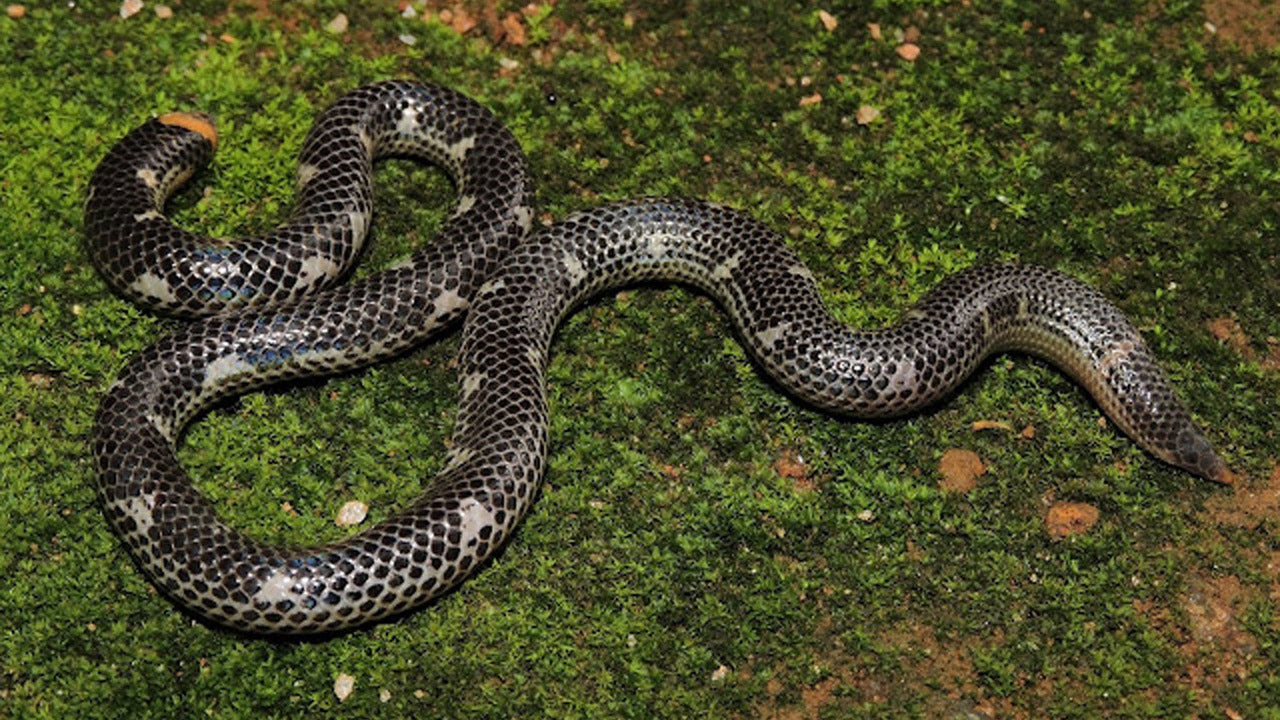 Hemprich's Shieldtail
Uropeltis hemprichii.
-
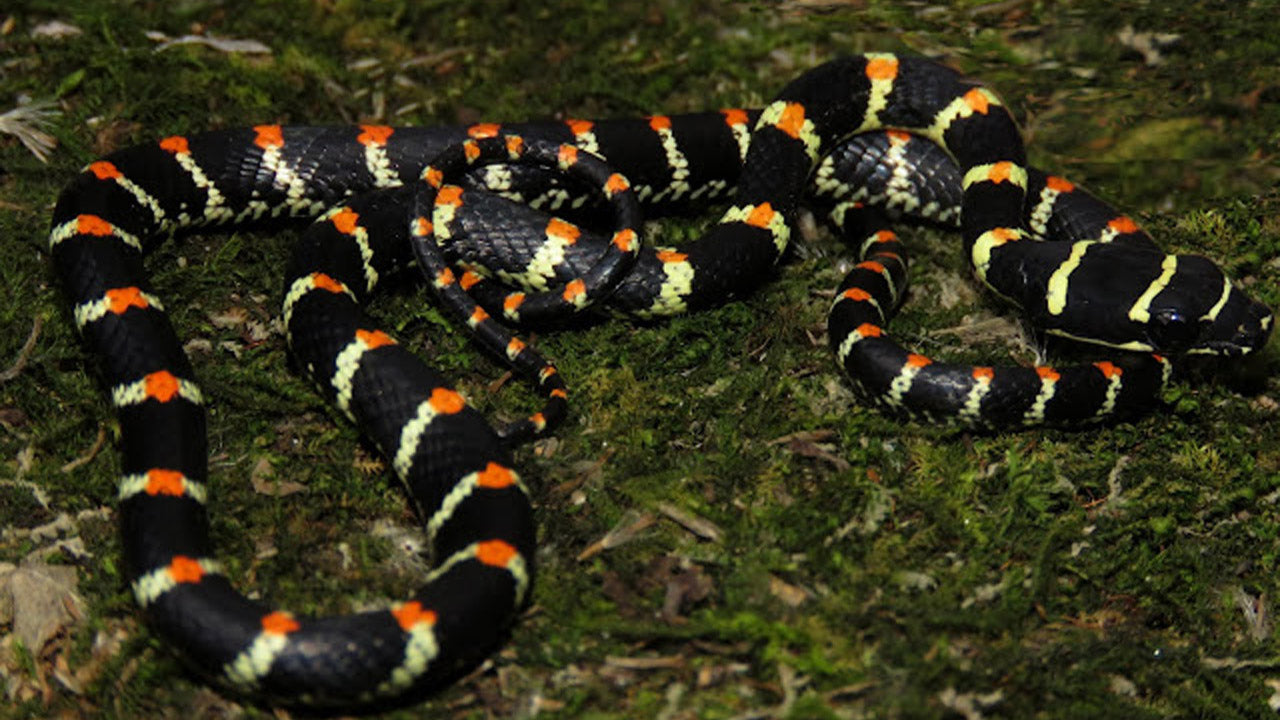 Ornate Flying Snake
Chrysopelea ornata
-
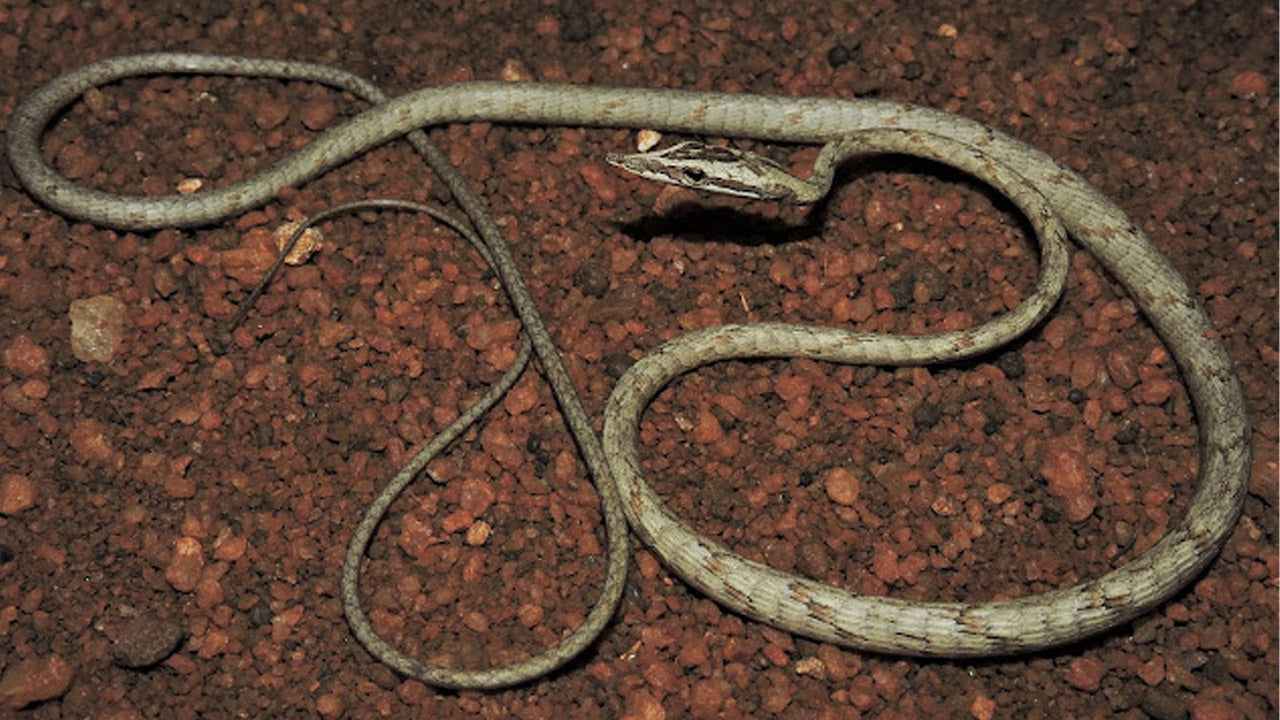 Brown Vine Snake
Ahaetulla pulverulenta
-
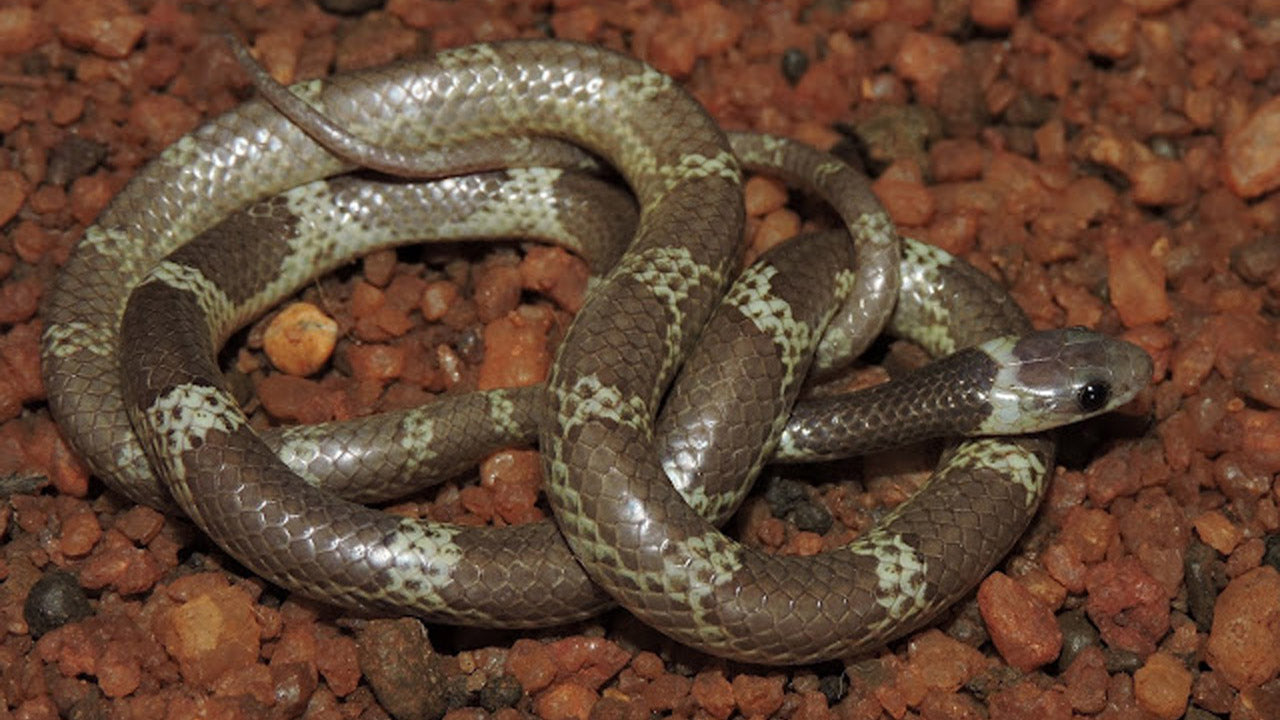 Common Bridal Snake
colubrid snake
-
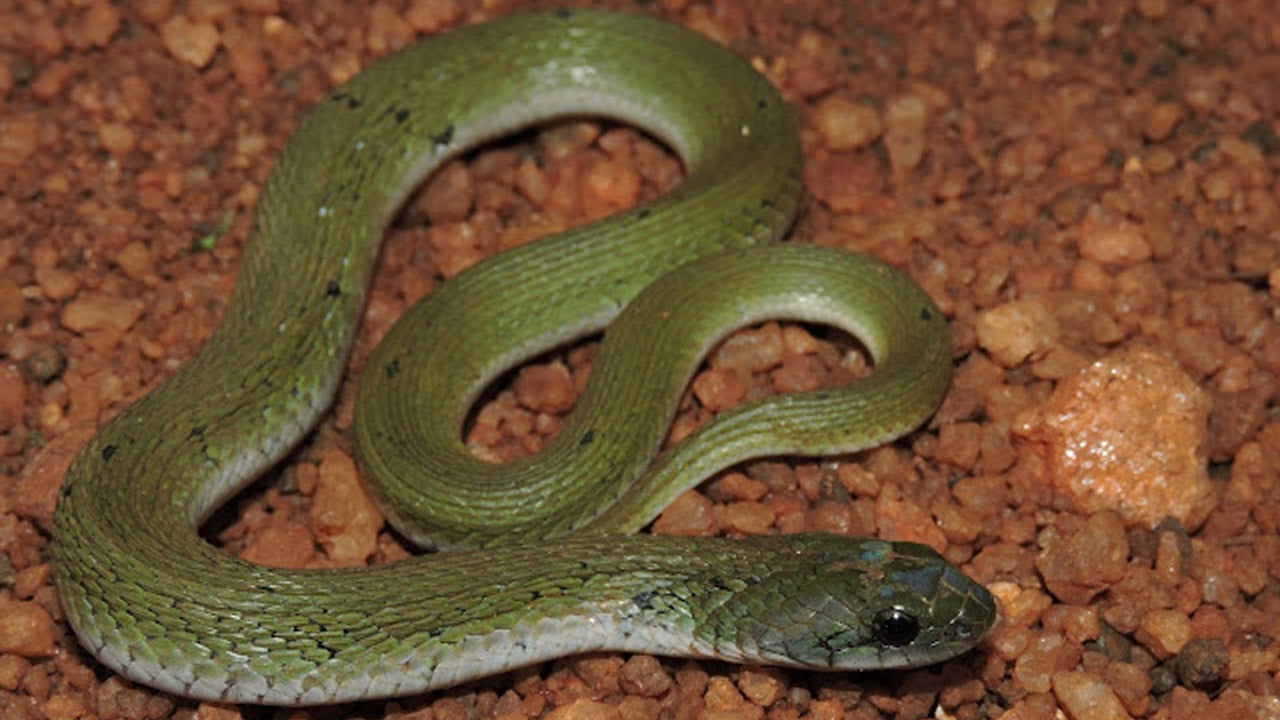 Green Keelback
Rhabdophis plumbicolor