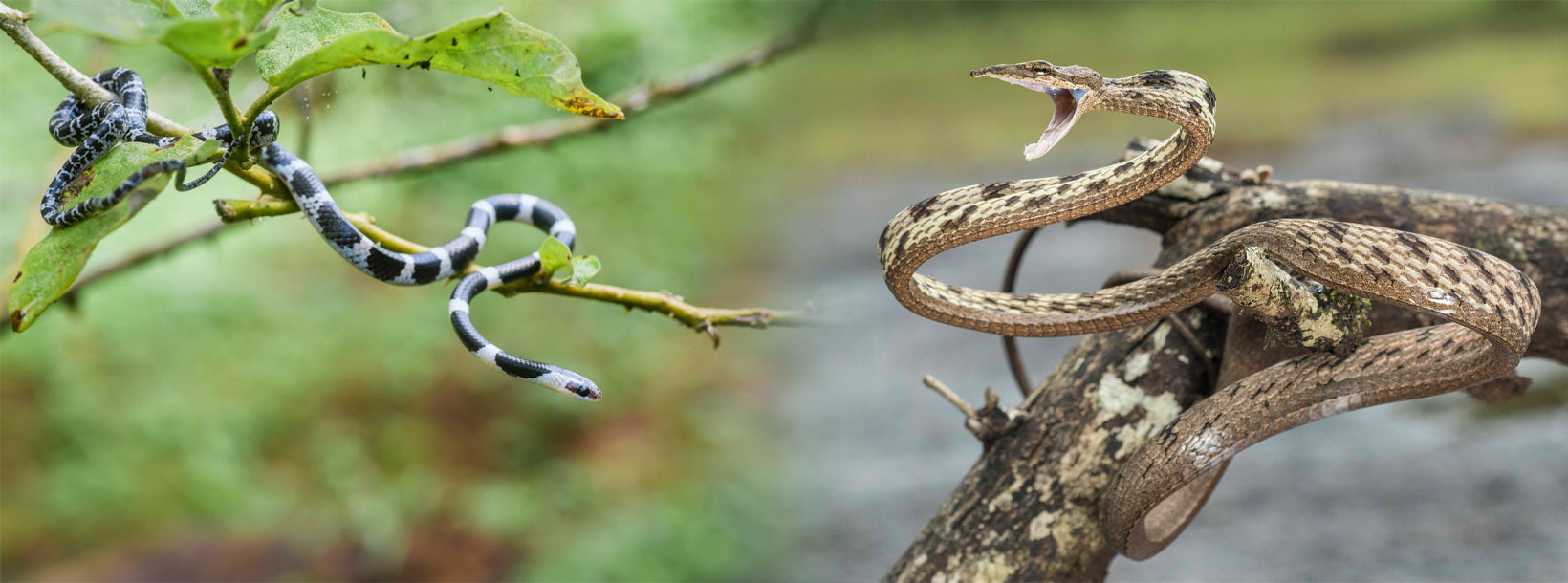
Green Keelback


Scientific Name: Rhamphotyphlops braminus (commonly referred to as the Green Keelback, though some variations of keelback snakes are also referred to by this name)
Family: Colubridae
Common Name(s): Green Keelback, Common Keelback
Overview:
The Green Keelback is a non-venomous, semi-aquatic snake that is native to South and Southeast Asia. This species is known for its distinct green coloration, making it highly camouflaged in its natural habitat of wetlands and forests. The Green Keelback is often found near water sources, including ponds, streams, and rice fields, and it plays an important ecological role by controlling populations of small prey.
Physical Description:
- Size: Green Keelbacks are medium-sized snakes, typically ranging between 60 cm to 1 meter in length, though some individuals can reach up to 1.2 meters.
- Coloration: Their bodies are typically green, ranging from light to darker shades, often with lighter yellowish or white underbellies. Some may have faint dark markings along the back and sides, though their overall appearance remains quite smooth.
- Keels: The term "keelback" comes from the pronounced ridges or "keels" along the scales of their bodies. These keels provide texture and grip, assisting the snake in climbing and swimming.
- Head: The head is moderately triangular but distinct from the body, with large, round eyes that are set on the sides of the head. Its large eyes help it navigate in both water and dense vegetation.
- Tail: The tail is slender and helps with swimming, acting as a rudder to guide the snake through water.
Habitat and Distribution:
- Geographical Range: The Green Keelback is found in parts of South and Southeast Asia, including India, Sri Lanka, Bangladesh, Myanmar, Thailand, Malaysia, and parts of Indonesia.
- Preferred Habitat: It prefers wetlands, including ponds, rivers, streams, rice fields, and marshy areas. It is often found in areas with abundant vegetation where it can hide and hunt in the water and on land.
Behavior and Diet:
- Semi-Aquatic Lifestyle: The Green Keelback is an excellent swimmer and spends a considerable amount of time in or near water. It is often seen resting on riverbanks, hunting along the shores, or swimming in search of prey.
- Diet: It feeds primarily on small amphibians, fish, and invertebrates, including frogs, tadpoles, and aquatic insects. It hunts by ambush, waiting for prey to come near and striking quickly.
- Defensive Behavior: When threatened, the Green Keelback may attempt to flee into the water or use its agile swimming skills to escape. It is generally not aggressive unless provoked.
Reproduction:
- Reproductive Mode: Green Keelbacks are oviparous, meaning they lay eggs. The female usually lays a clutch of eggs in hidden locations, such as under rocks or in crevices, where they are protected from predators.
-
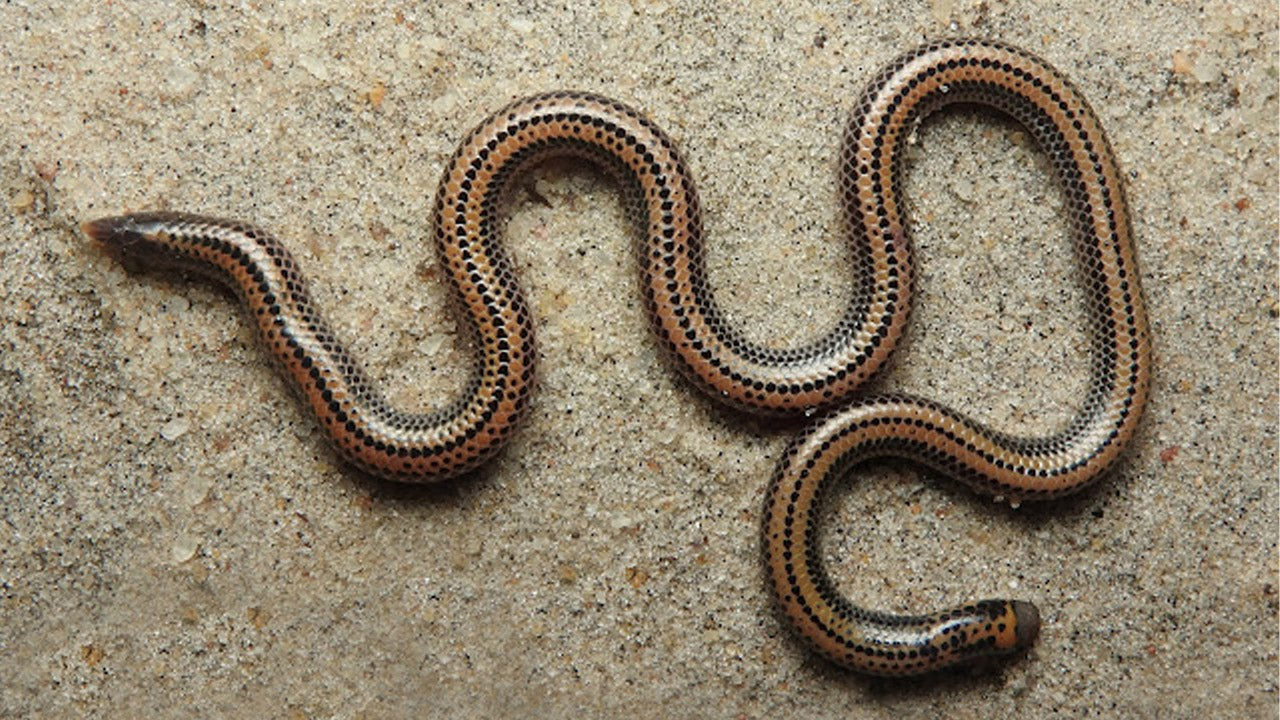 Muller's Shieldtail
Uropeltis mülleri
-
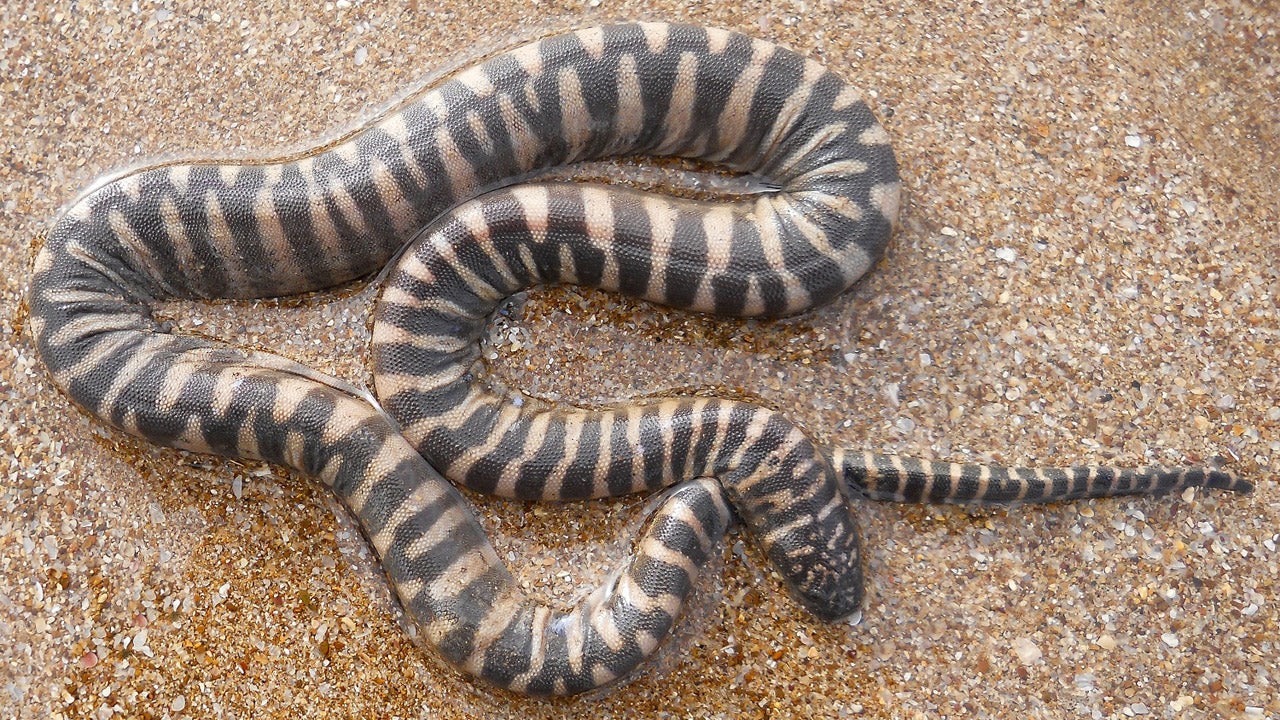 Wart Snake
Acrochordus
-
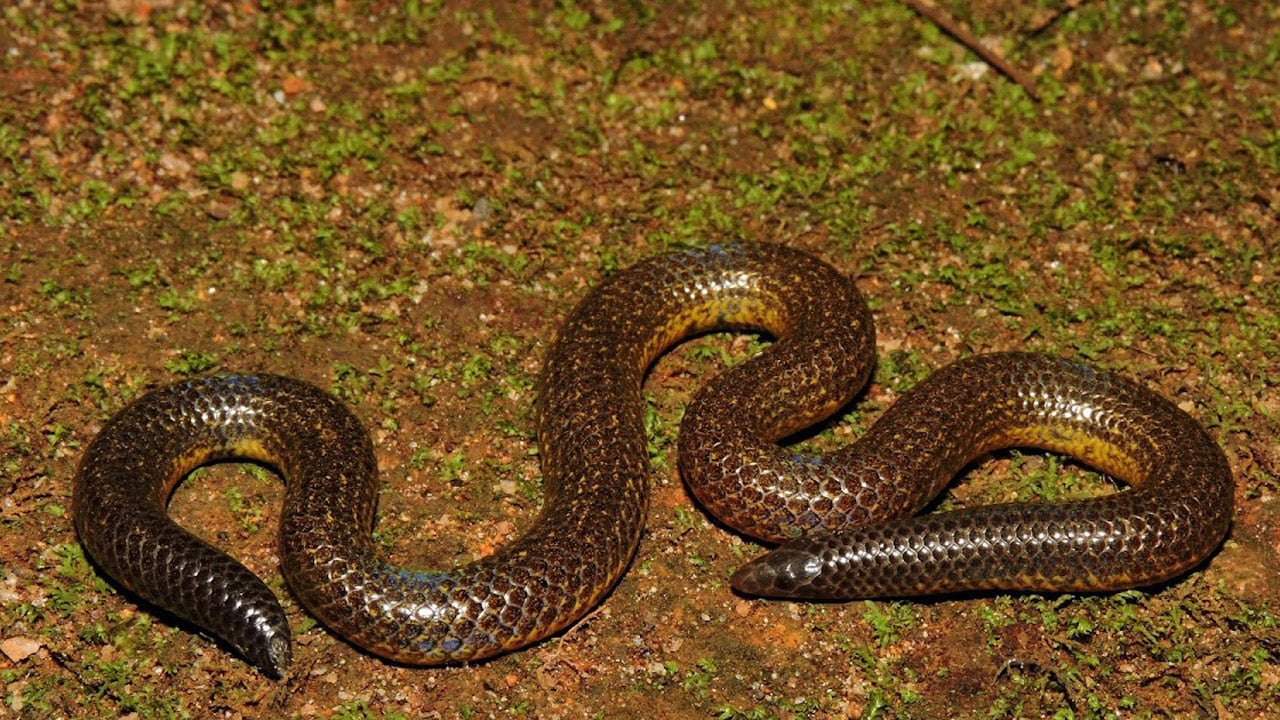 Drummond-Hay's Shieldtail
Rhinophis drummondhayi
-
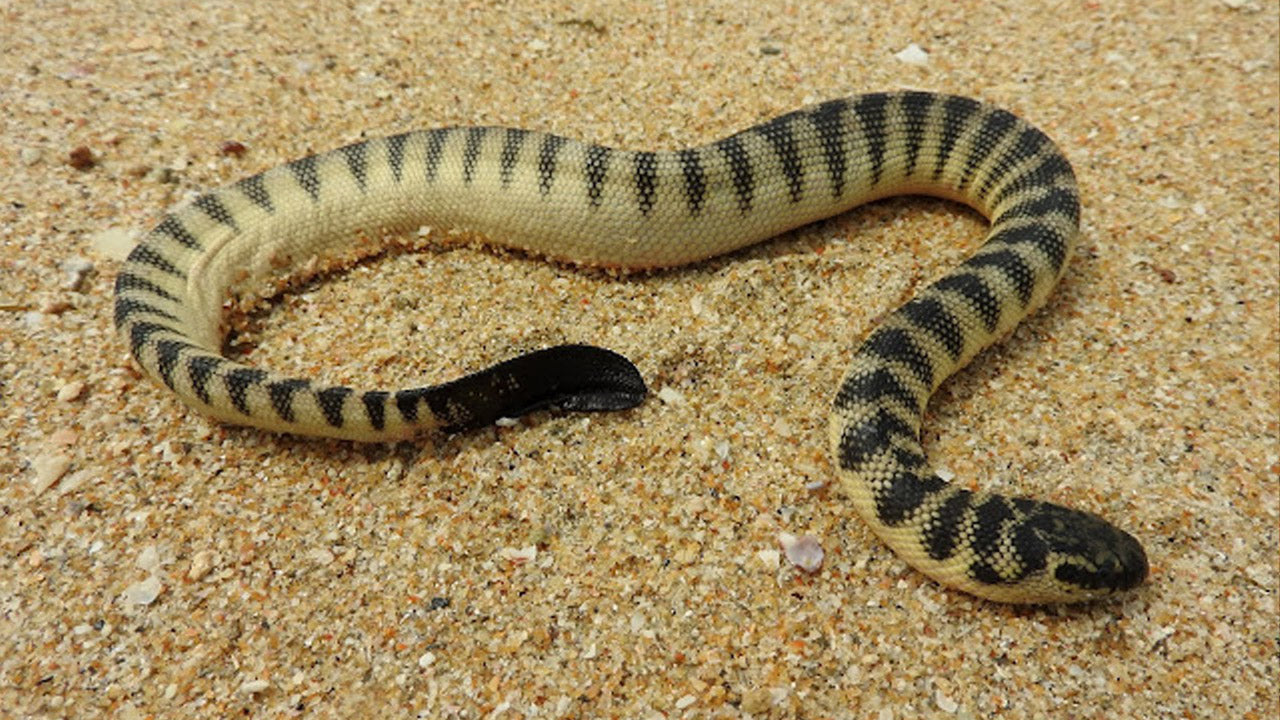 Shaw's Sea Snake
Hydrophis curtus
-
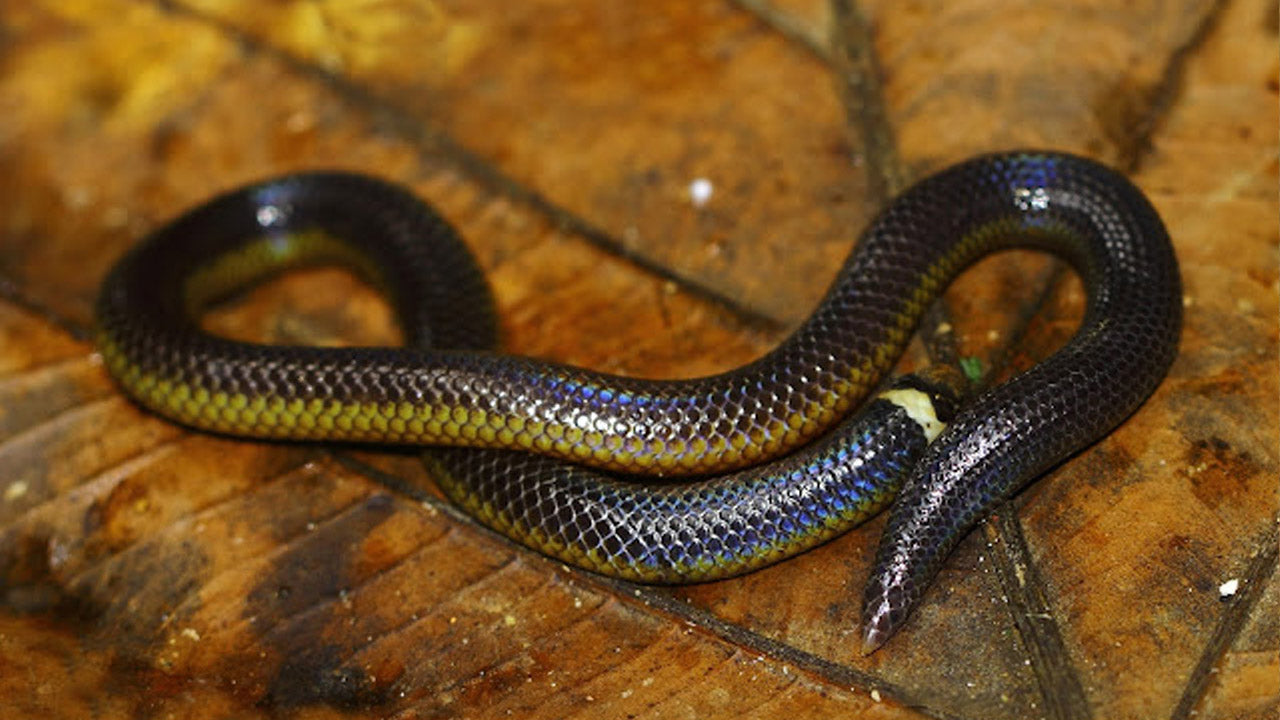 Deraniyagala's Shieldtail
Rhinophis tricoloratus
-
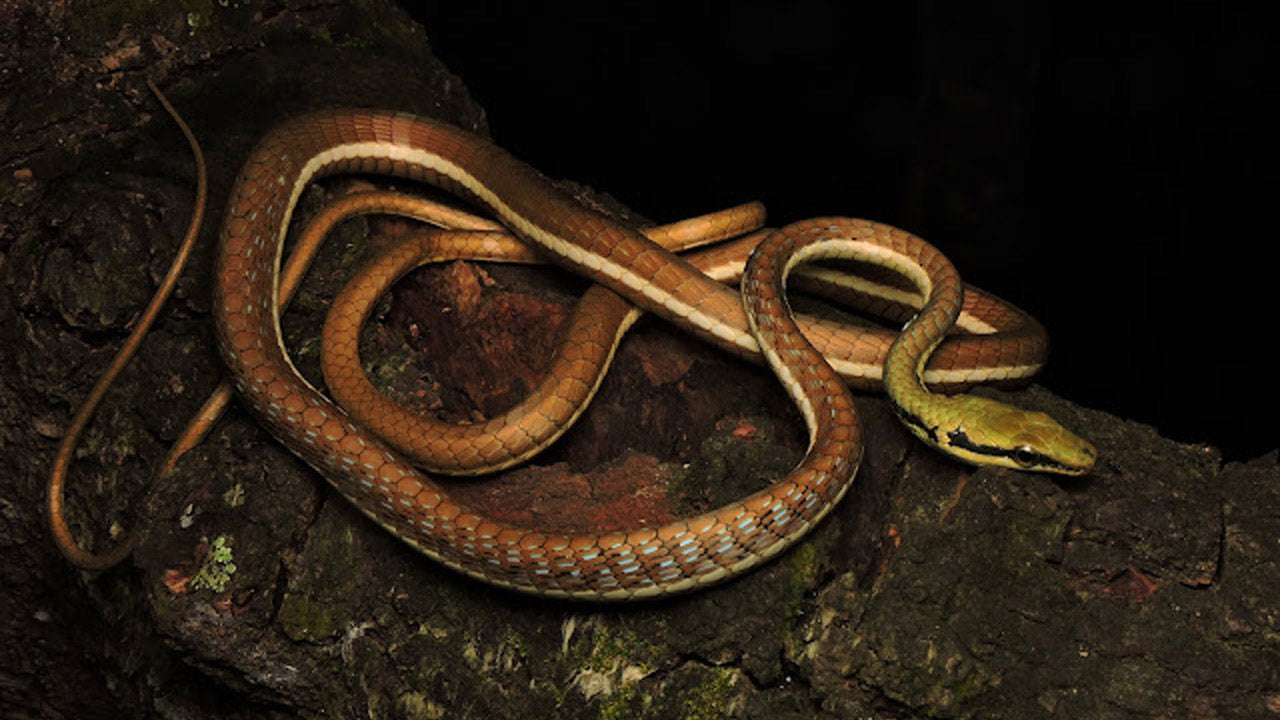 Wickramasinghe's Bronzeback
Dendrelaphis wickrorum
-
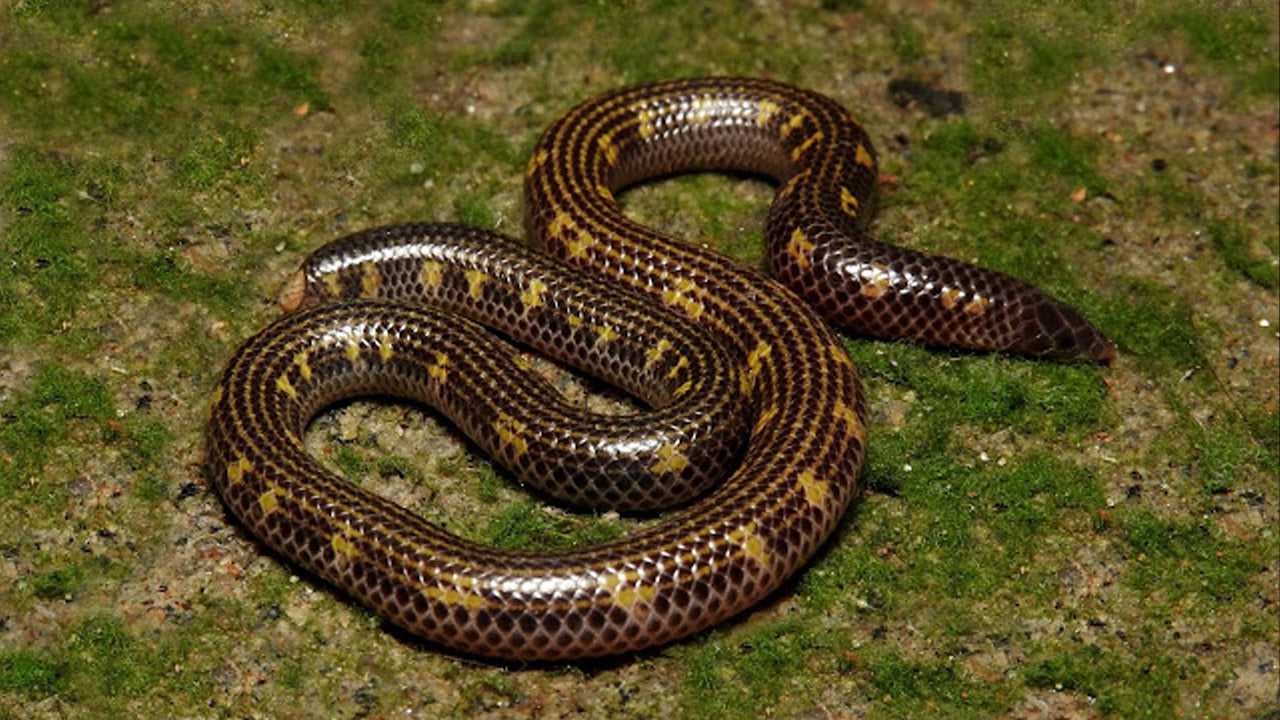 Phillip's Earth Snake
Rhinophis phillipsi
-
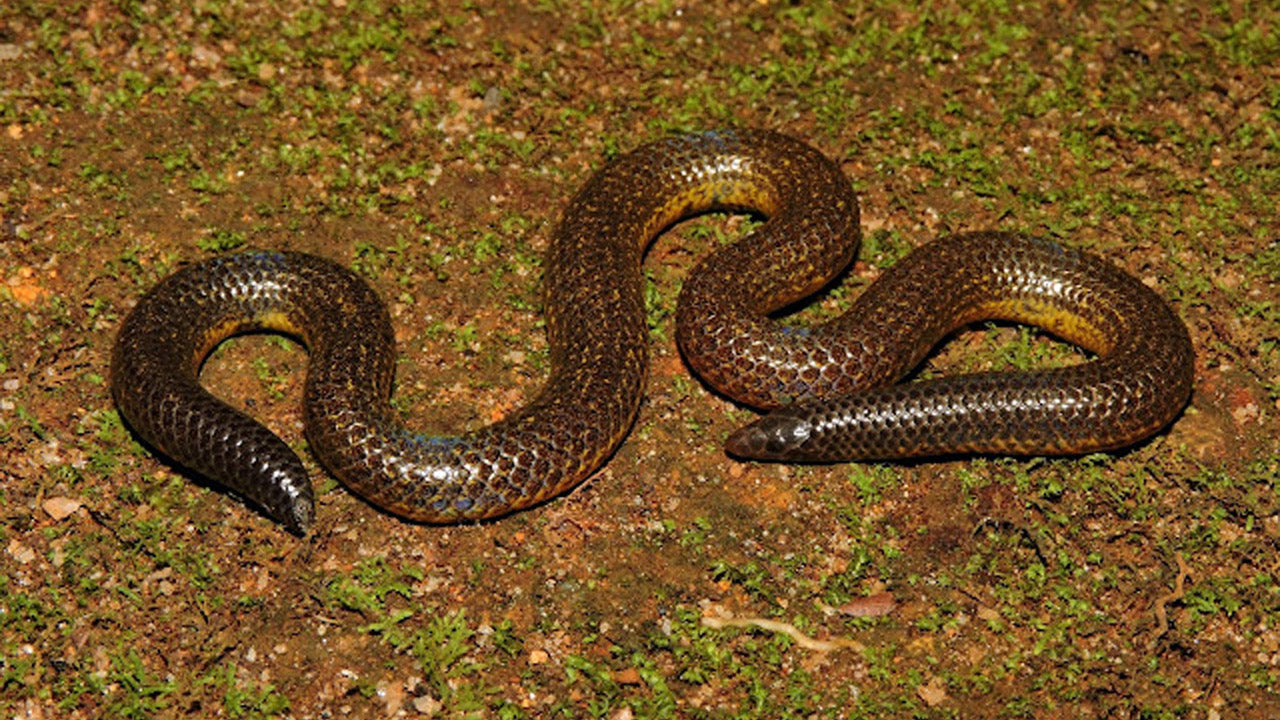 Gray's Earth Snake
Aparallactus grayi
-
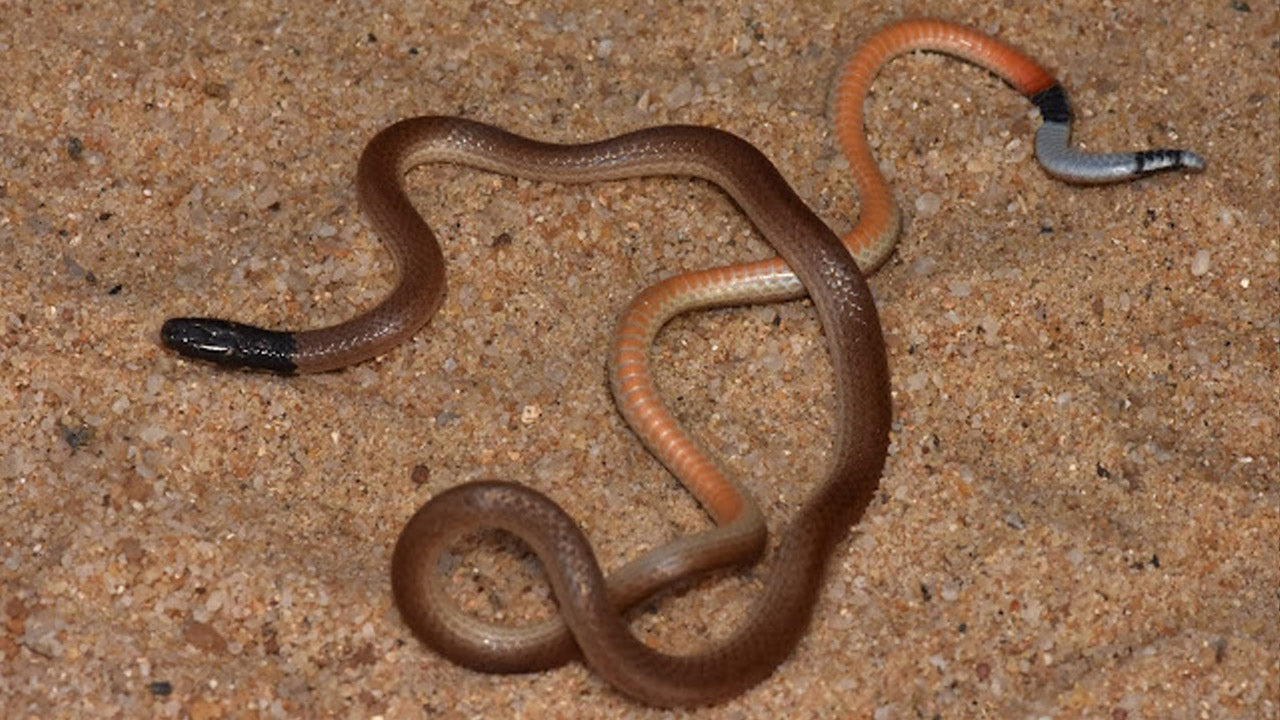 Slender Coral Snake
Calliophis Melanurus
-
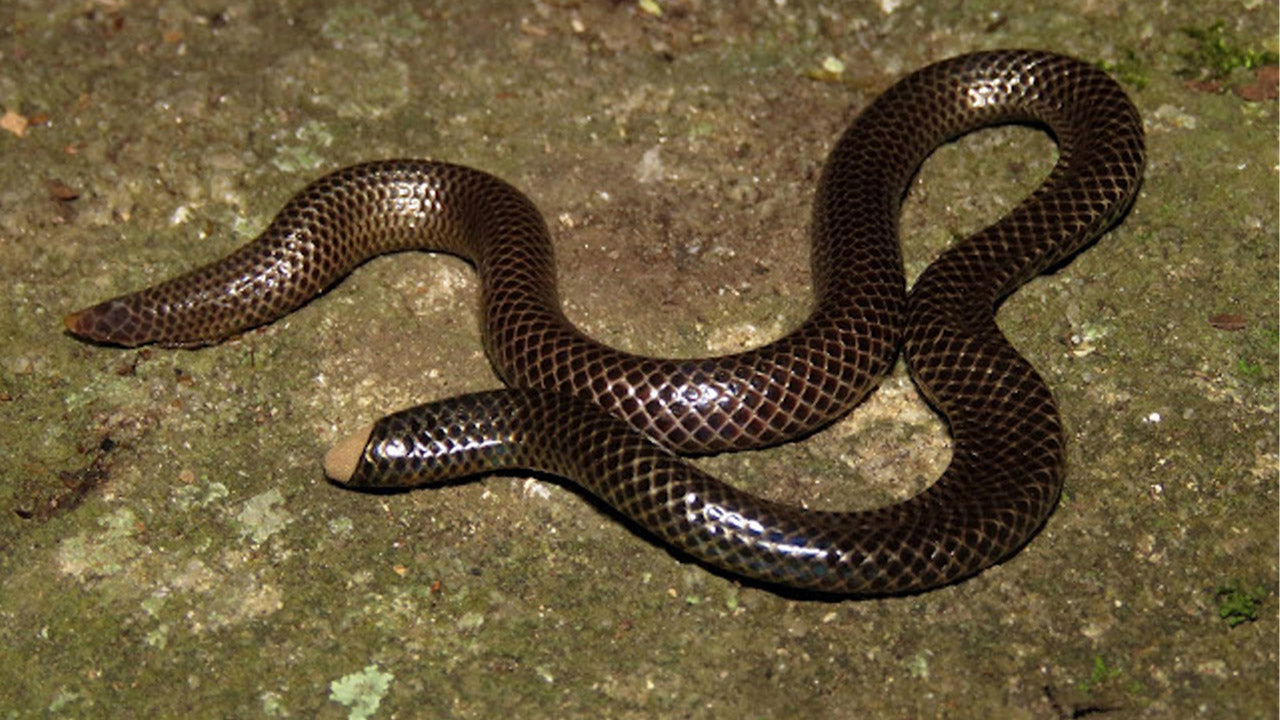 Cuvier's Shieldtail
Uropeltis ceylanica
-
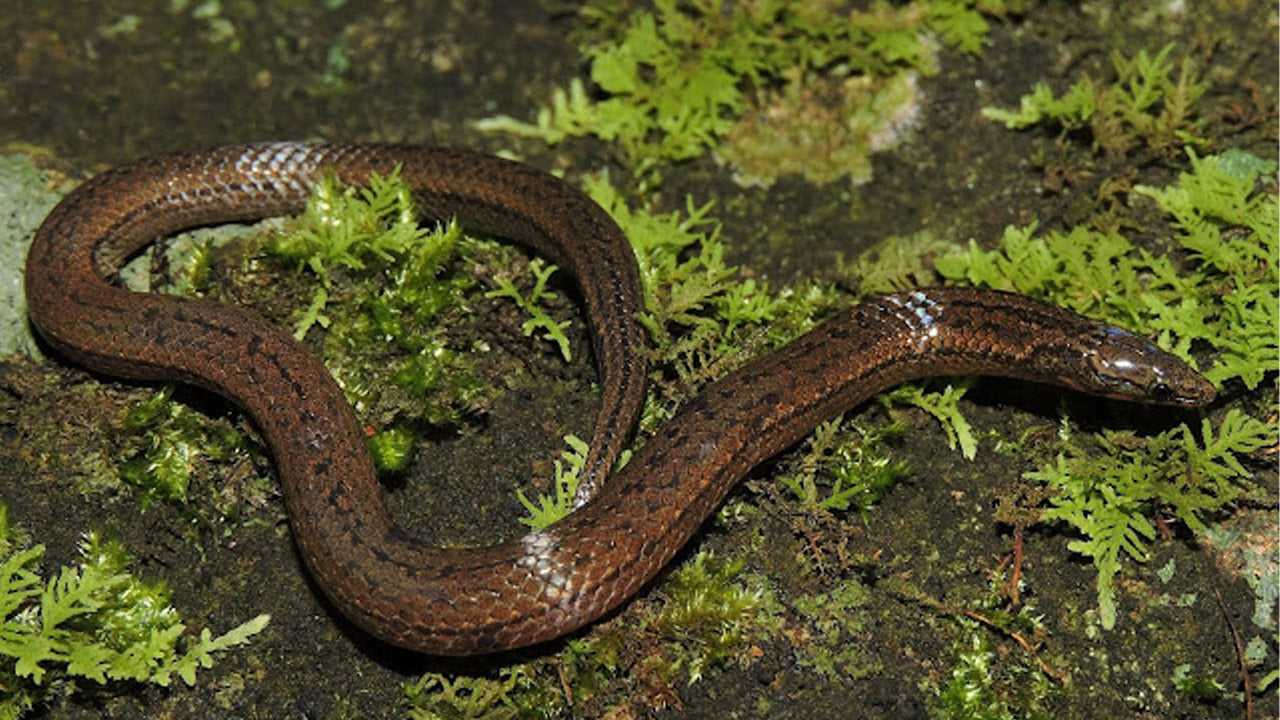 de Silva's Rough-sided Snake
Aspidura desilvai
-
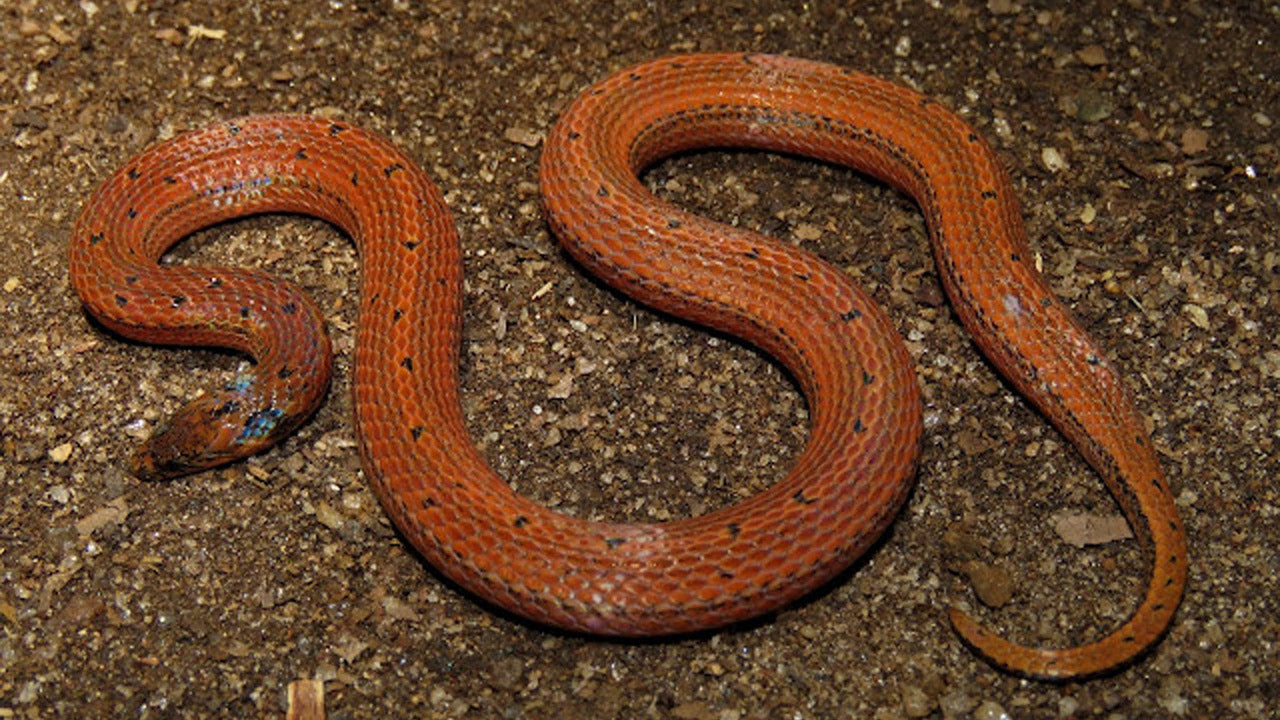 Boie's Rough-Sided Snake
Aspidura brachyorrhos
-
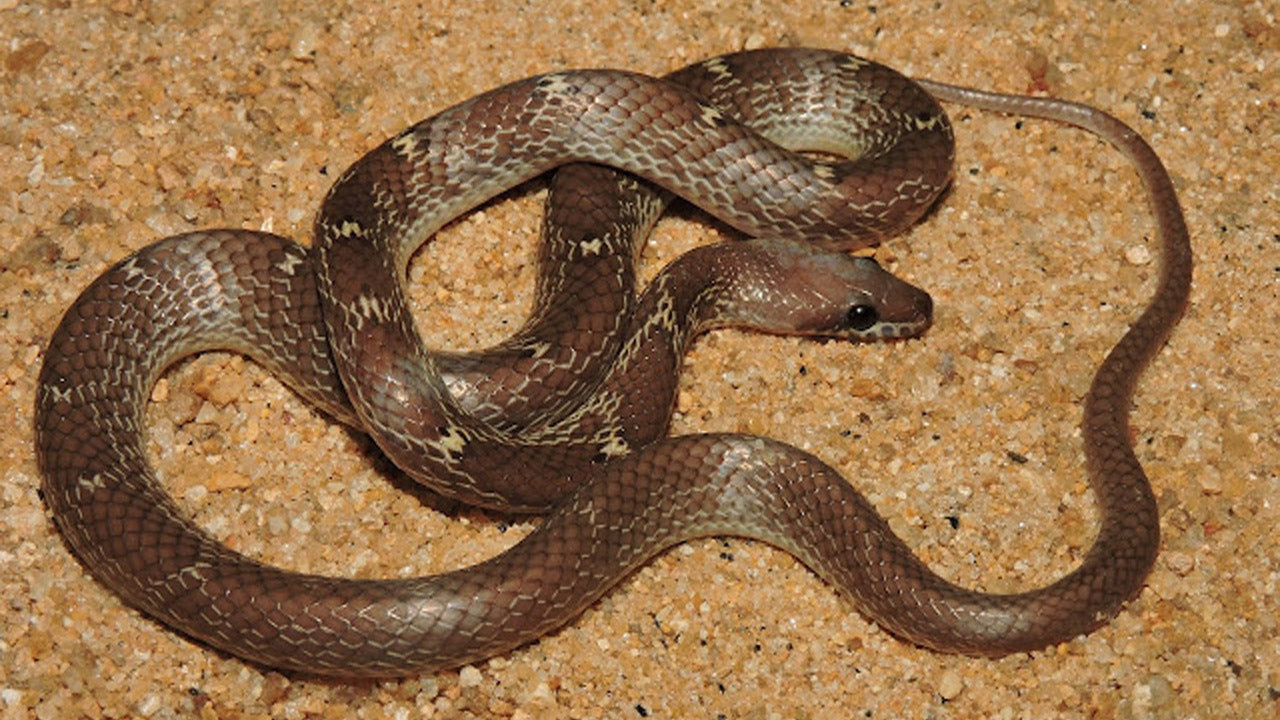 Flowery Wolf Snake
Lycodon anamallensis
-
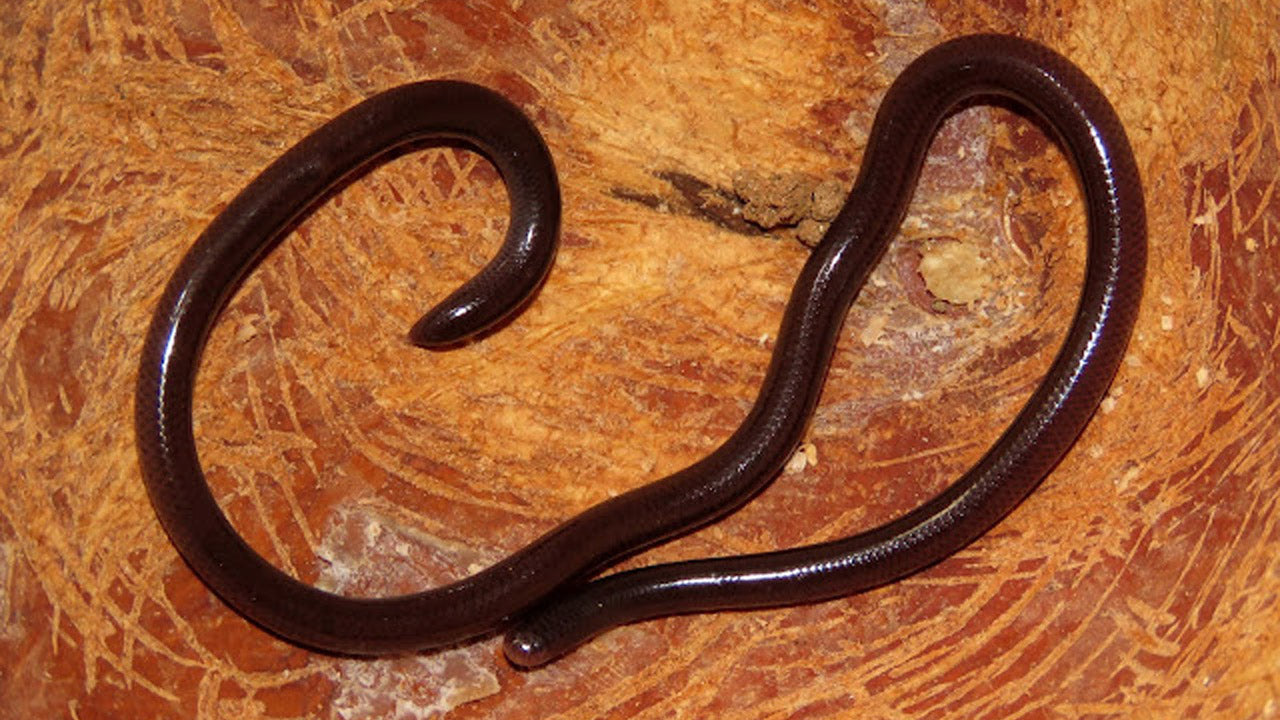 Brahminy Blind Snake
Indotyphlops braminus
-
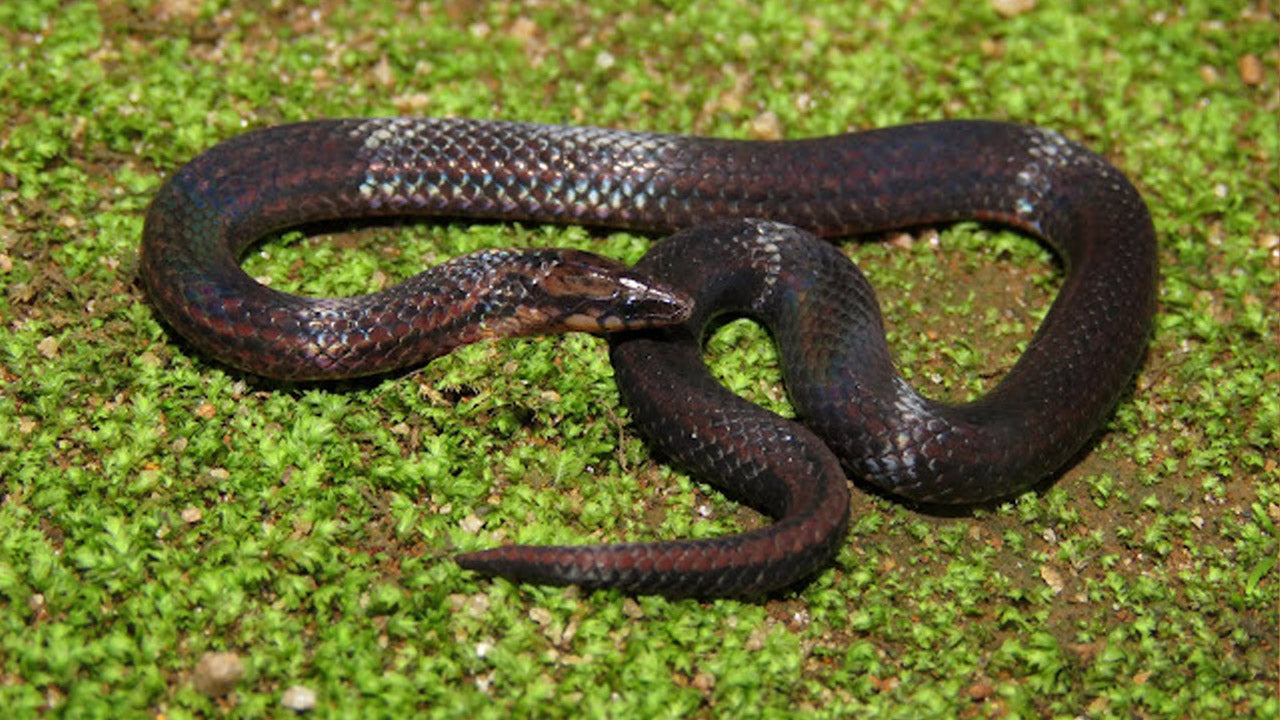 Common Rough-sided Snake
Aspidura trachyprocta
-
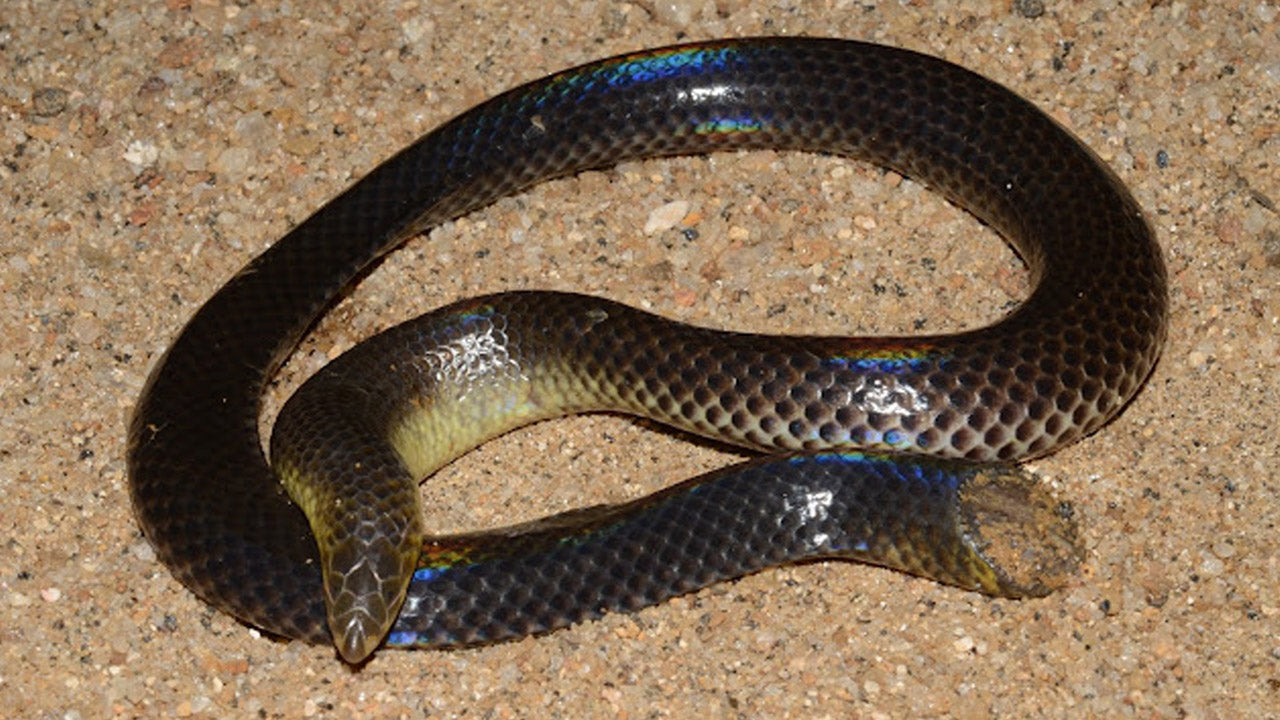 Large Shieldtail
Rhinophis saffragamus
-
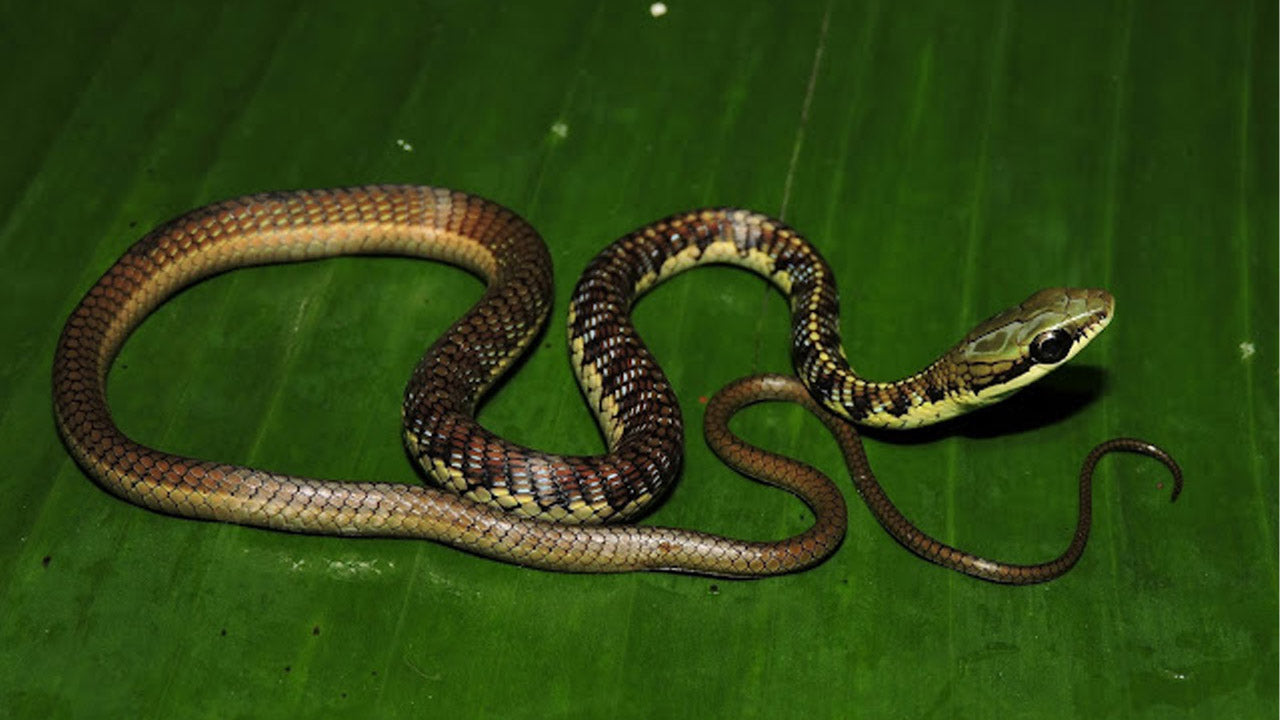 Schokar's Bronzeback
Schokar's bronzeback
-
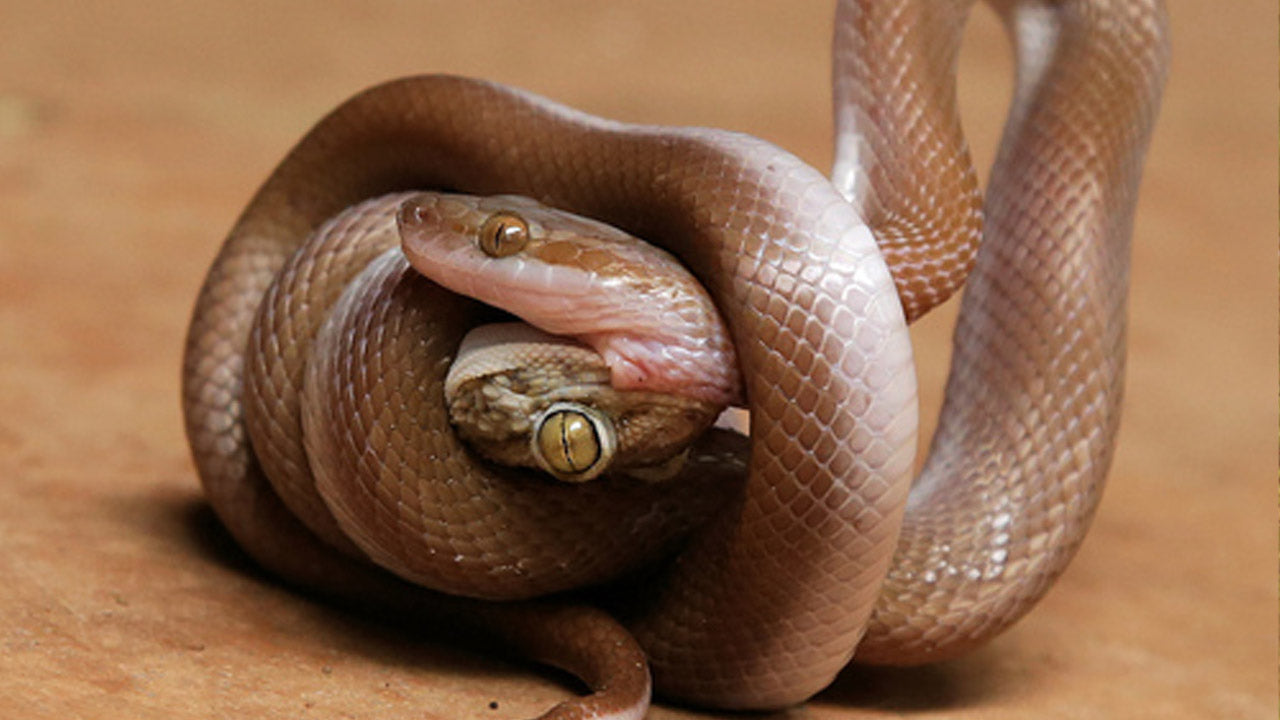 Jan's Worm Snake
Typhlops mirus
-
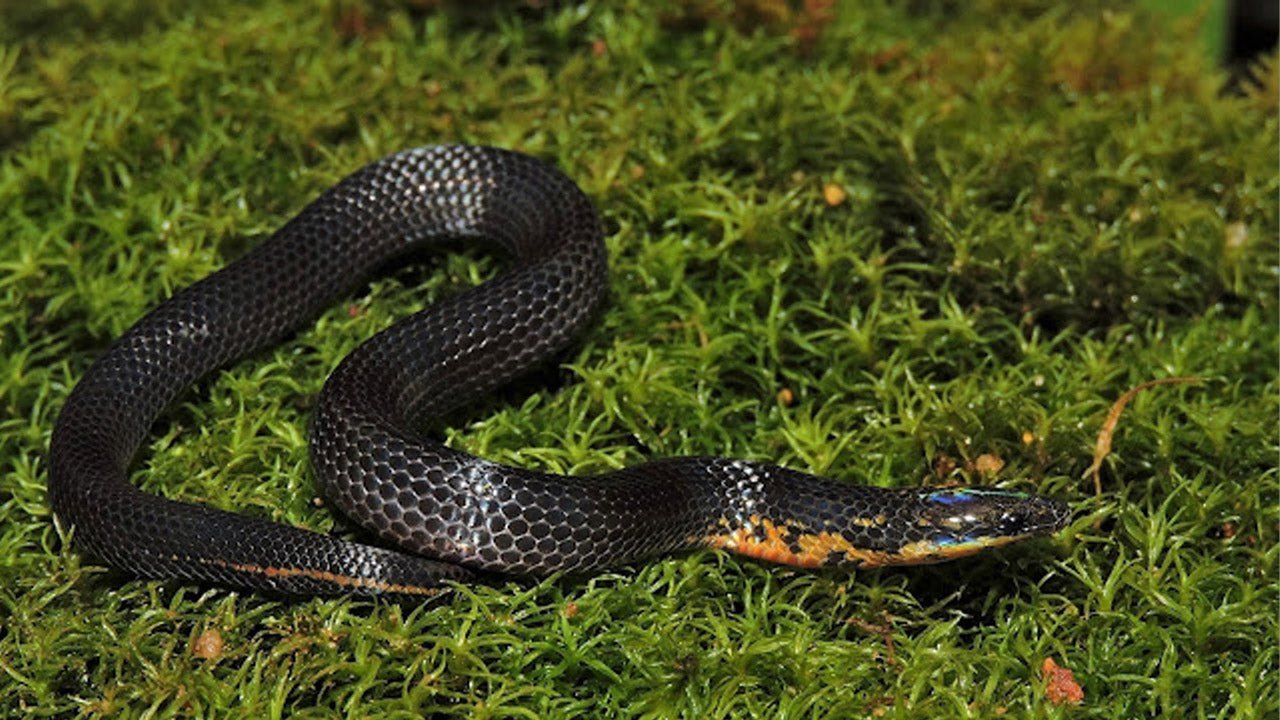 Ravana's Rough-sided Snake
Aspidura ravanai
-
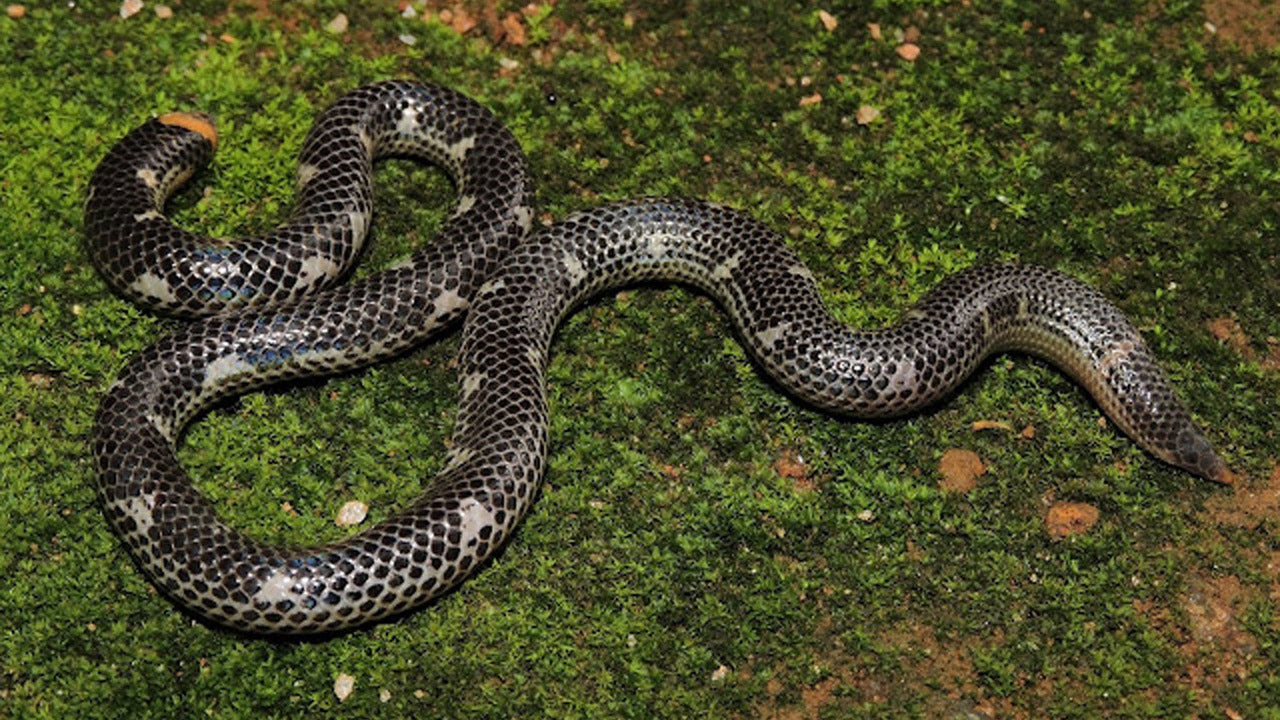 Hemprich's Shieldtail
Uropeltis hemprichii.
-
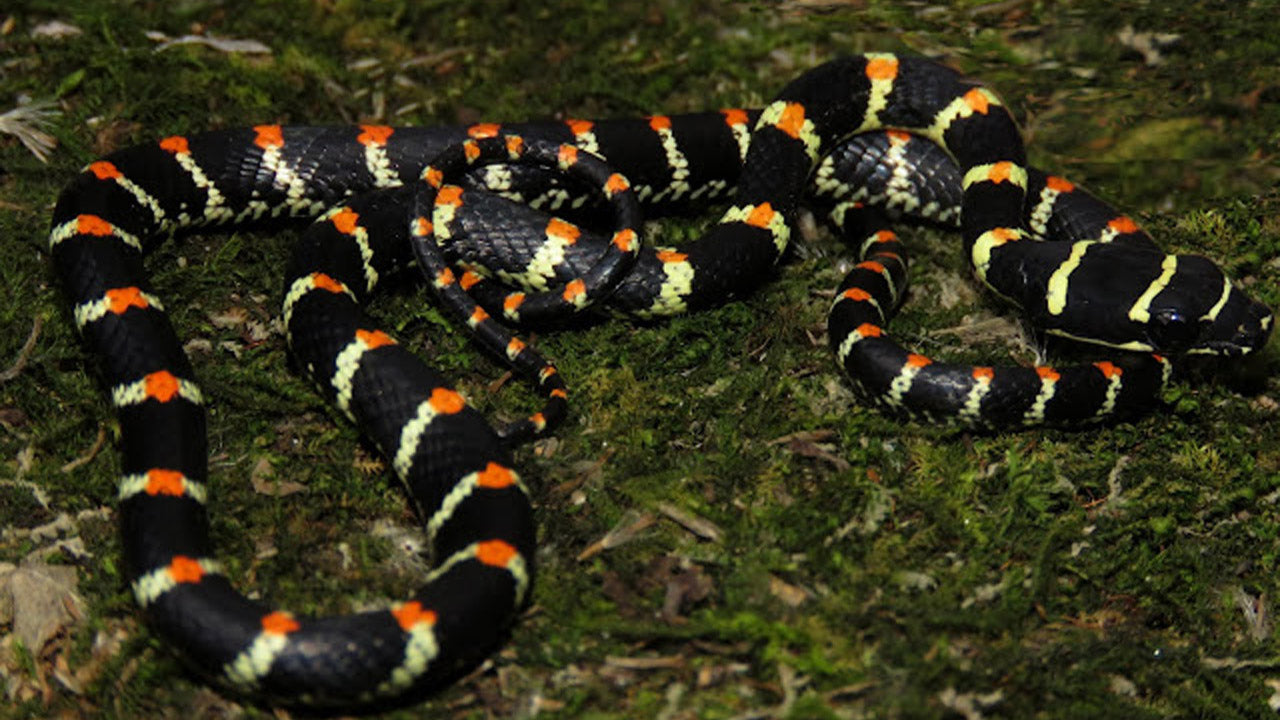 Ornate Flying Snake
Chrysopelea ornata
-
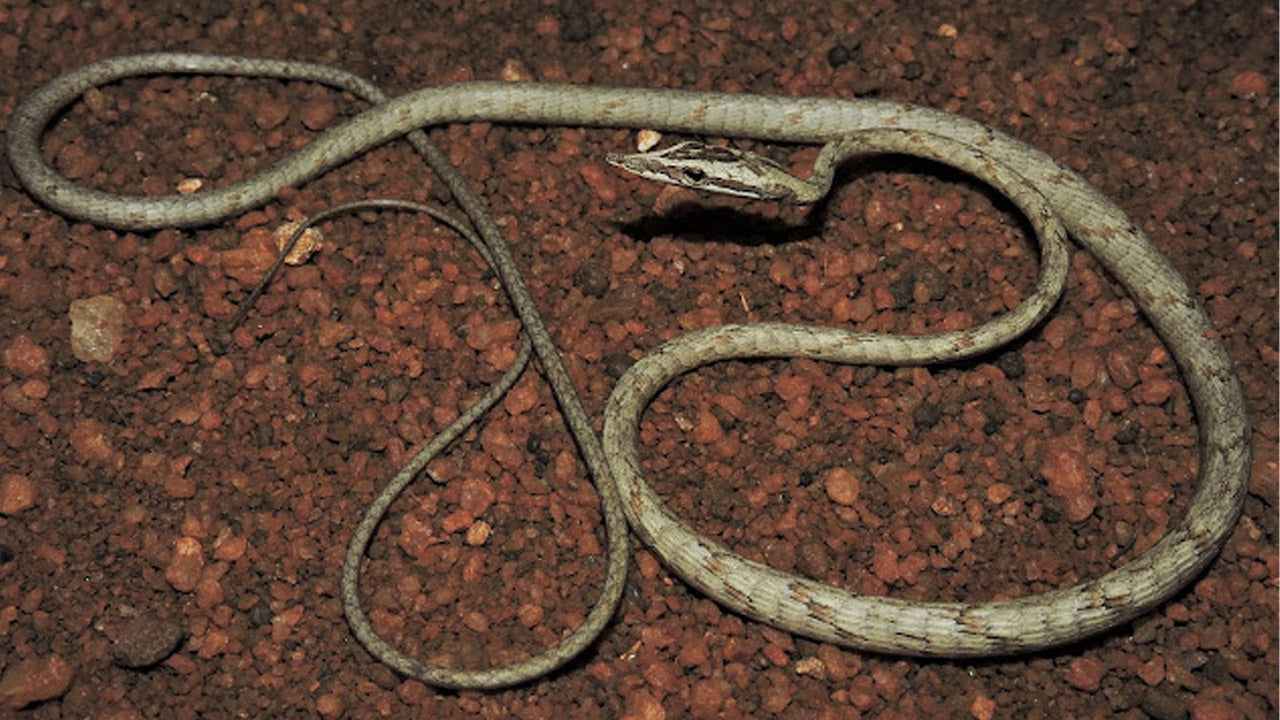 Brown Vine Snake
Ahaetulla pulverulenta
-
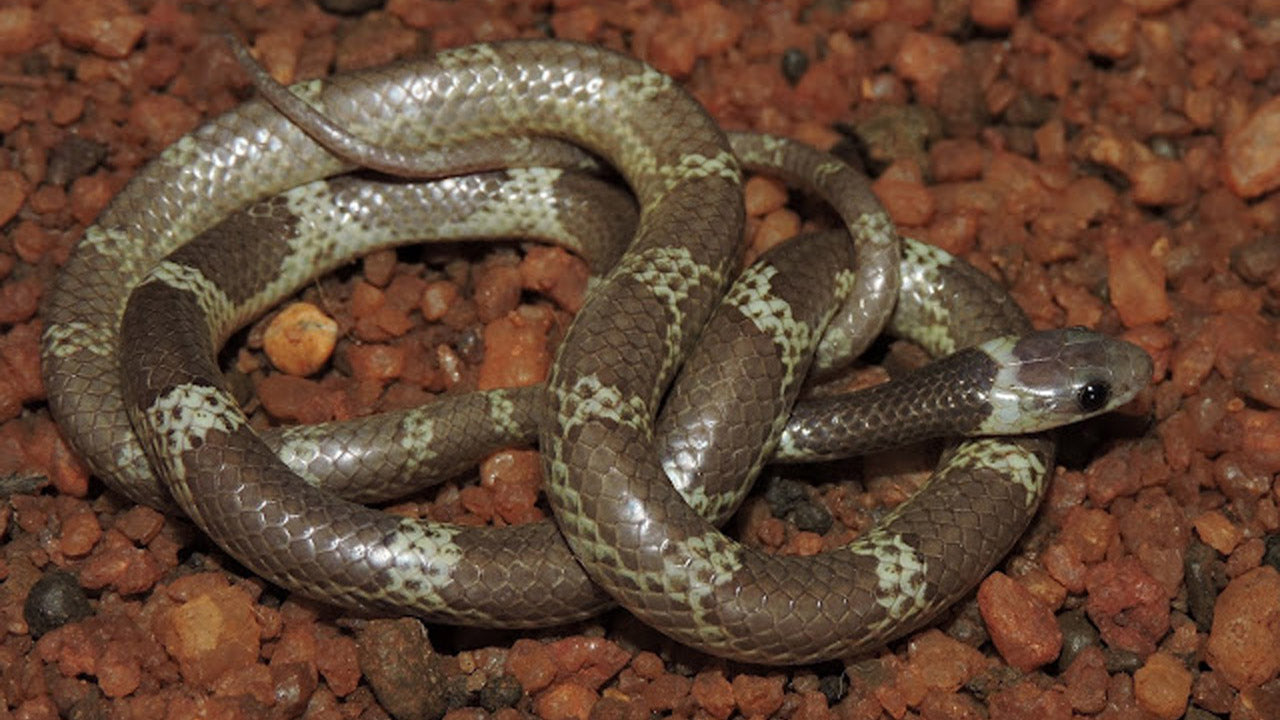 Common Bridal Snake
colubrid snake
-
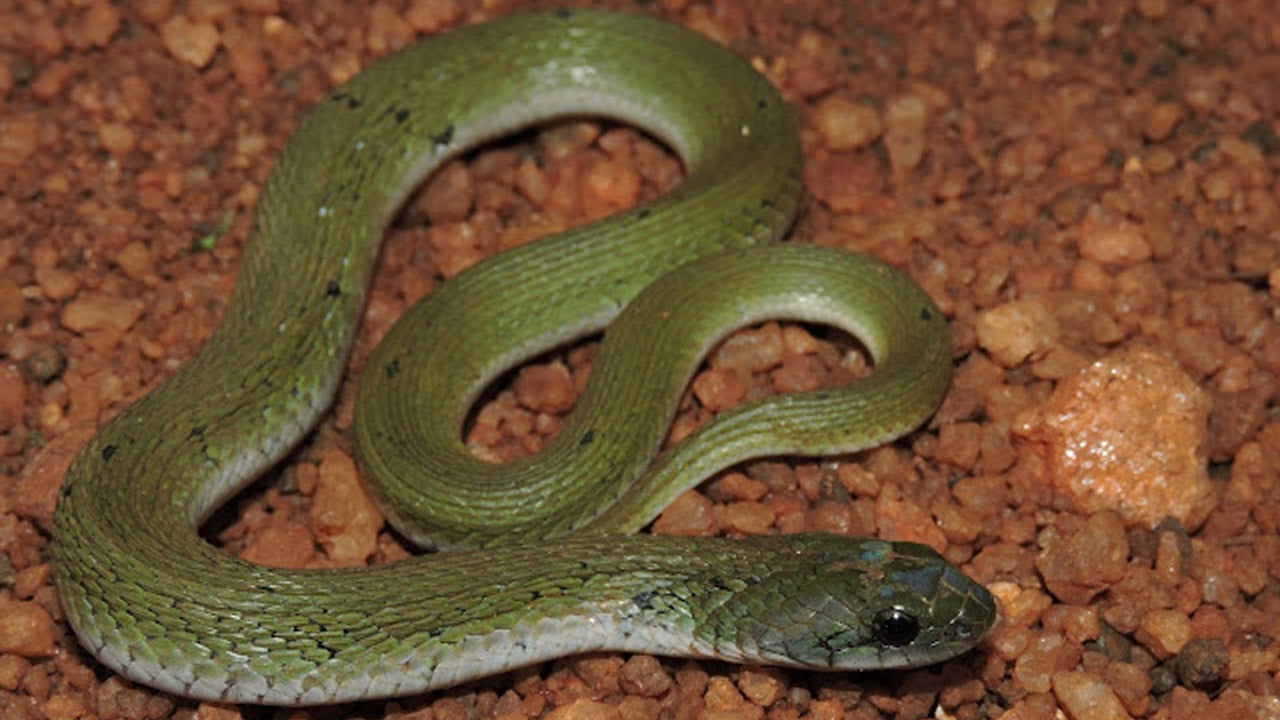 Green Keelback
Rhabdophis plumbicolor