Lakpura
Lakpura®

Kalupahana Village

Kalupahana is a quiet highland village tucked into the Badulla District of Sri Lanka's Uva Province, sitting at an elevation that keeps temperatures cool year-round. Surrounded by pine-clad ridges, mist-filled valleys, and a network of streams that tumble off the escarpment, it draws hikers, wildlife watchers, and anyone looking to slow down in genuine countryside rather than a resort town. The village itself is small, but its position in the central highlands gives it outsized access to some of the most dramatic waterfall scenery in the country.

What makes Kalupahana worth visiting?

The short answer is Bambarakanda Falls — Sri Lanka's tallest waterfall at around 263 metres — but the area rewards visitors who look beyond the famous cascade. The surrounding hills contain lesser-known falls, forest trails that see relatively few tourists, and farmland producing tea, vegetables, and spices that thrive in the cool, wet climate. The pace is unhurried, accommodation is simple, and the landscape feels genuinely remote despite being reachable from major highland hubs.

Kalupahana also sits within reasonable driving distance of Horton Plains National Park, making it a logical overnight stop for travellers combining highland walking with a World's End sunrise.

What are the main waterfalls near Kalupahana?

Bambarakanda Falls is the centrepiece. Formed by the Kuda Oya — a tributary of the Walawe River — it drops in a single horsetail plunge through a grove of pine trees planted during the colonial era. The fall is most powerful between May and August, after the south-west monsoon has saturated the catchment, though the surrounding scenery is attractive in any season.

  • Bambarakanda Falls — approximately 263 m; Sri Lanka's highest waterfall; viewable from a marked trail that takes around 30–45 minutes return from the main road.
  • Lanka Ella — a multi-tiered fall accessible via a forested hiking trail; less visited than Bambarakanda and rewarding for that reason.
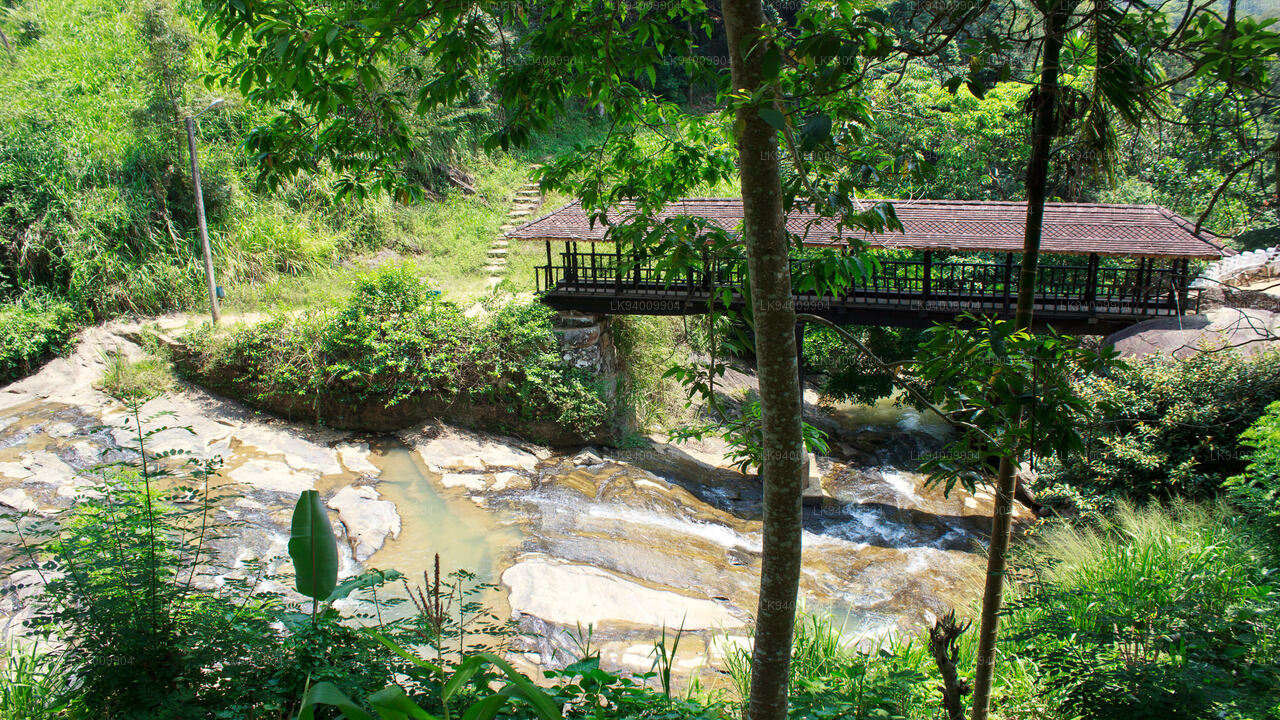
  • Surathali Ella — another cascade in the same watershed, reachable on trails that pass through dense secondary forest; natural pools at the base offer a place to rest after the walk.

All three falls are on or near foot trails that branch off the road between Kalupahana and the Belihuloya valley. A local guide is advisable for Lanka Ella and Surathali Ella, as the paths are not always clearly signed.

When is the best time to visit Kalupahana?

The south-west monsoon (roughly May to August) brings the heaviest rainfall to the area and pushes waterfall volume to its peak — ideal if the falls themselves are the priority. The weather can be wet and unpredictable, so pack accordingly. The period from January to April tends to be drier and clearer, making it better for hiking and photography, though the falls will be less dramatic. December can bring mist and occasional rain from the north-east monsoon.

Temperatures in the village stay between roughly 15 °C and 24 °C throughout the year, so a light jacket is useful at any time, particularly in the early morning and evening.

How do I get to Kalupahana from Colombo or Ella?

Kalupahana lies on or near the A4 highway that connects Colombo to Wellawaya via Beragala. From Colombo, the drive typically takes four to five hours depending on traffic through the mountain passes. From Ella, the village is around an hour's drive heading west towards Belihuloya. The nearest railway station is at Belihuloya, served by trains on the Colombo–Badulla line, but onward travel to Kalupahana from there requires a tuk-tuk or hired vehicle.

There is no direct public bus service to the falls themselves. Most visitors either drive or hire a vehicle for the day. The road approaching Bambarakanda can be narrow and steep in places; a four-wheel-drive or high-clearance vehicle is not essential but is useful after heavy rain.

What wildlife and nature can I expect in the area?

The forests around Kalupahana support a range of endemic bird species typical of Sri Lanka's highland zone, including Ceylon whistling thrush, Sri Lanka wood pigeon, and yellow-eared bulbul. Mammals are present — including endemic purple-faced langur — though dense vegetation means sightings require patience. The area is part of the broader highland biodiversity corridor that stretches toward the Sinharaja Forest Reserve to the south-west.

The pine plantations immediately around Bambarakanda are not primary forest, but the valleys below and the secondary growth along the stream courses hold more ecological interest. Birders tend to find the early morning hours most productive.

What else is near Kalupahana?

The village sits in a cluster of highland destinations that can be linked in a multi-day itinerary. Belihuloya, in the valley below, is a popular base for white-water activities and nature walks. Horton Plains, with its cloud-forest plateau and World's End viewpoint, is roughly an hour to the north. The Elephant Transit Home at Udawalawe is accessible to the south, via Wellawaya.

  • Belihuloya — valley town; river swimming, rafting, and accommodation.
  • Horton Plains National Park — plateau hike and World's End viewpoint.
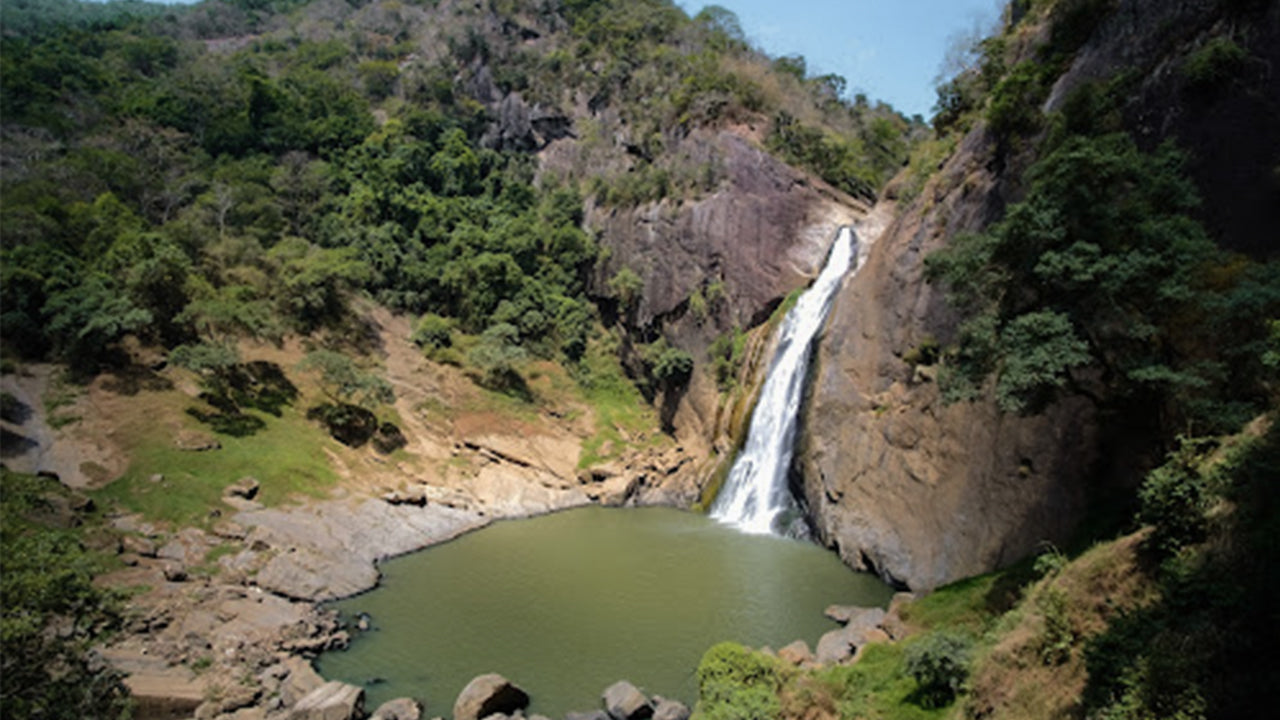
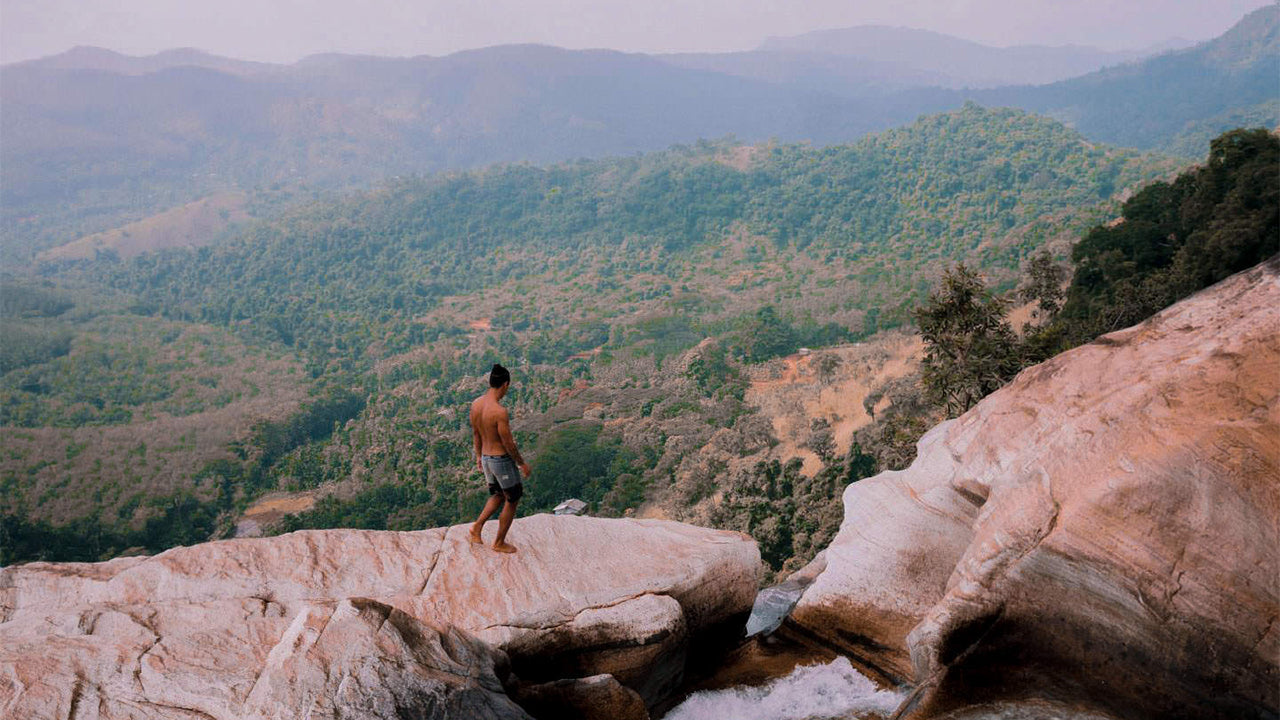
  • Haputale and Diyaluma Falls — east along the escarpment; Diyaluma is another of Sri Lanka's tallest waterfalls.
  • Rawanagala — a rock outcrop near Wellawaya with panoramic views over the southern plains.

Is Kalupahana suitable for families and non-hikers?

The main viewpoint for Bambarakanda Falls involves a walk of around 30–45 minutes on a reasonably well-maintained path; it is manageable for most visitors who are comfortable walking on uneven ground. The path gains some elevation and can be muddy after rain, so grip footwear is recommended. Lanka Ella and Surathali Ella require more effort and are better suited to people with some hiking experience.

For visitors who are not keen on extended walks, the view of Bambarakanda from the road below is itself impressive, particularly when the fall is in full flow. The village and surrounding countryside are pleasant to explore by vehicle, and the cool air alone is a draw for those escaping the heat of the coast or the low country.

Where do I stay near Kalupahana?

Accommodation in Kalupahana itself is limited to small guesthouses and homestays, which suit budget and independent travellers well. Belihuloya in the valley offers a slightly wider range of options, including a handful of nature lodges positioned along the river. Visitors looking for more comfortable highland accommodation often base themselves in Haputale or use the area as a day trip from Nuwara Eliya, though the latter adds significant drive time. Booking ahead is advisable during Sri Lankan school holidays and the peak season between December and March.

Ask Lakpura® Agent