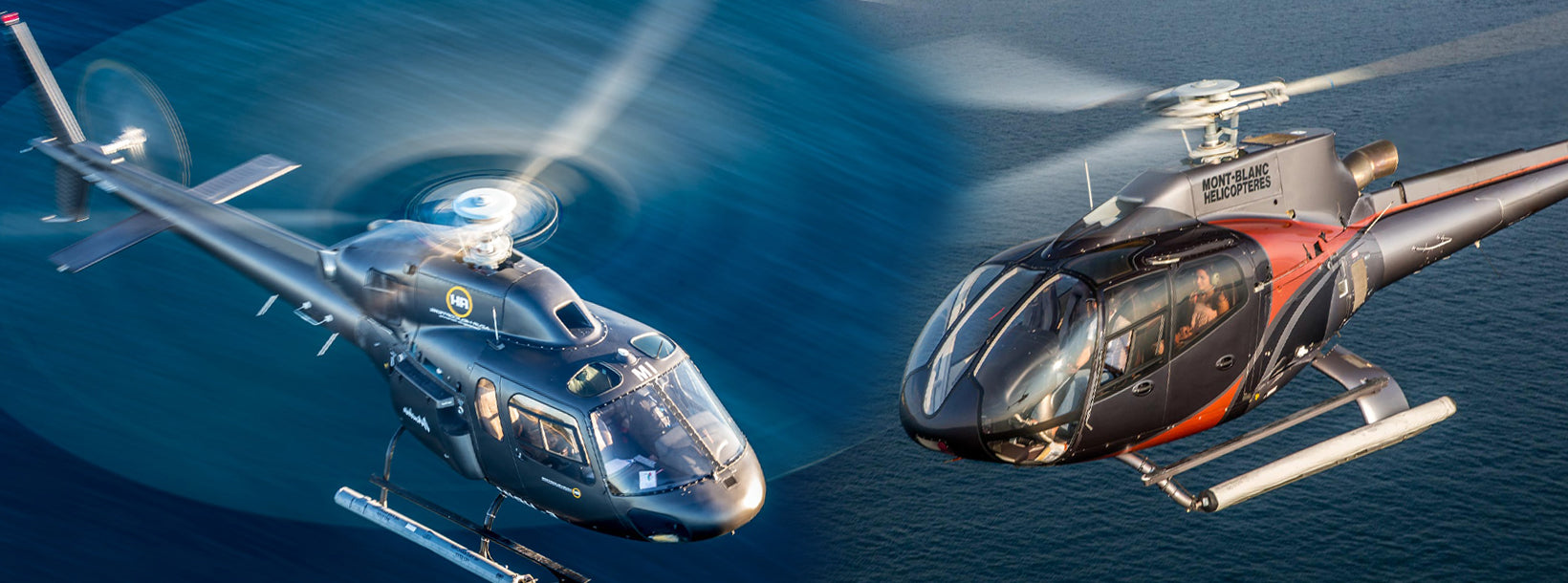
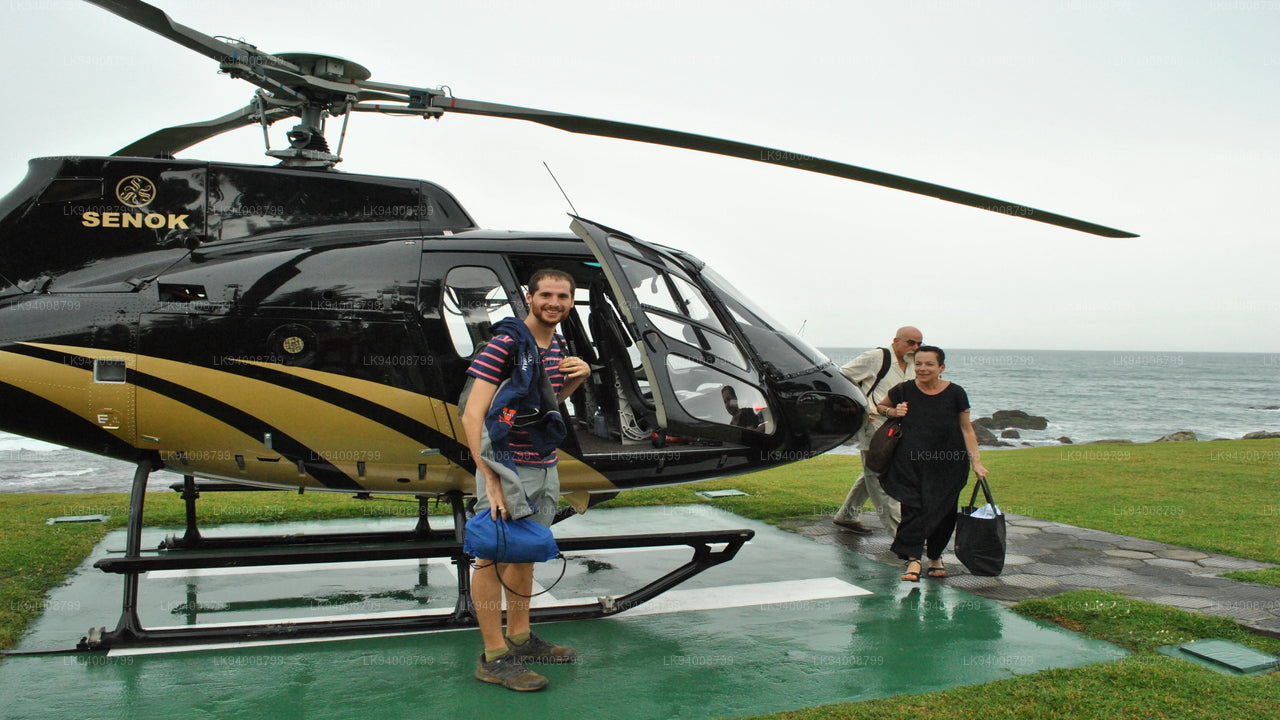
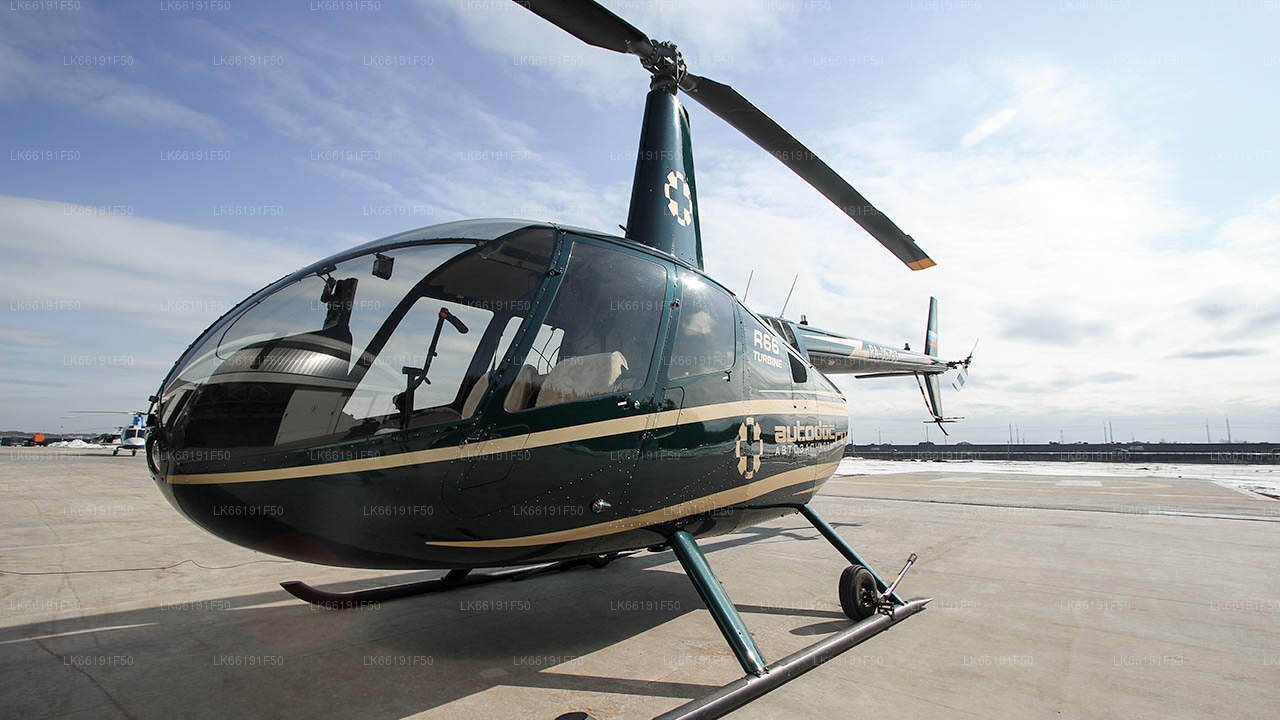
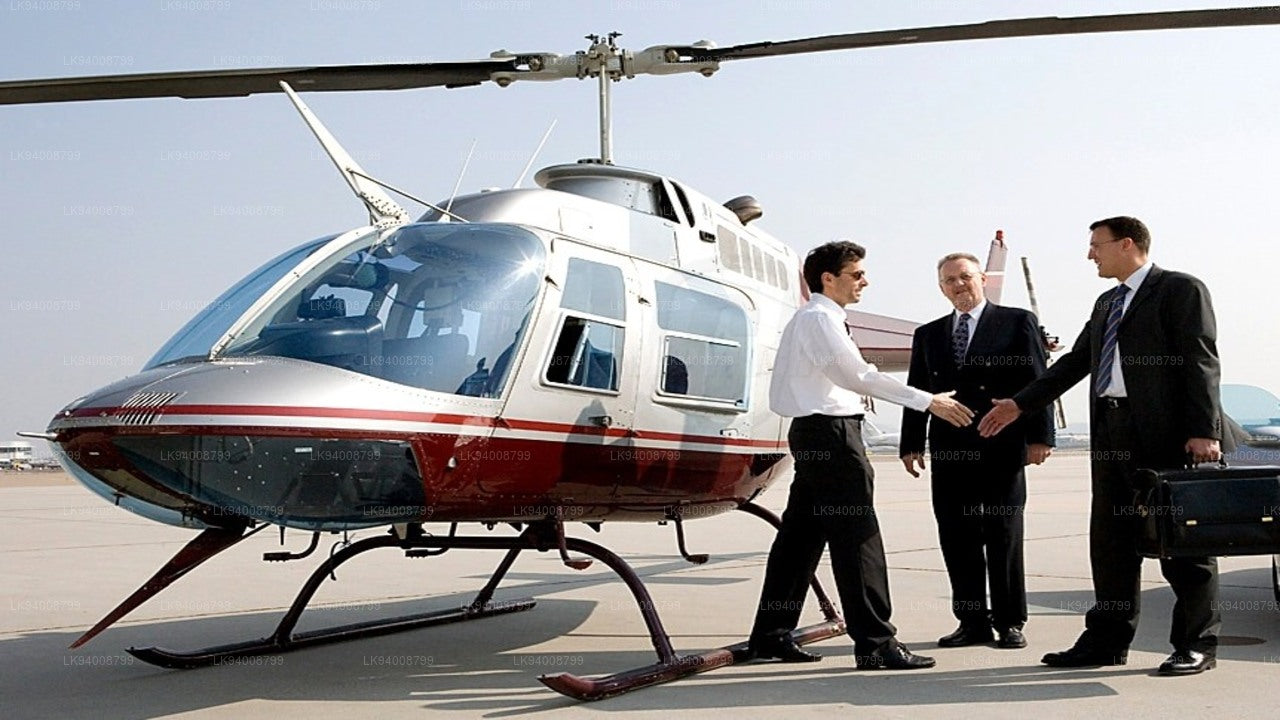
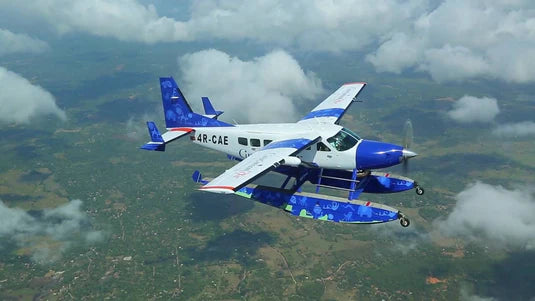
Helicopter travel has quietly become one of the most practical ways to move around Sri Lanka. The island is compact but its road network can be slow, particularly through the hill country and across the north-east. A short flight collapses a four-hour drive into twenty minutes, and the views along the way — over paddy fields, ancient reservoirs, and coastal lagoons — make the journey worthwhile in itself. Whether you are arriving at a remote resort, transiting between cities, or planning a medical transfer, knowing where Sri Lanka's helipads sit and what each one is used for is useful groundwork before you fly.
What types of helipads operate in Sri Lanka?
Helipads in Sri Lanka fall into three broad categories. Airfield-adjacent pads sit within or alongside existing domestic airports and are managed by the Civil Aviation Authority of Sri Lanka; they handle the widest range of charter and emergency operations. Resort and hotel helipads are privately operated and typically reserved for guests or clients of the property — always confirm access in advance. Temporary or approved ground sites — school grounds, beaches, and open fields — are used for specific operations when permanent infrastructure is not available nearby; these normally require prior clearance from the relevant authority.
Where are the main helipads located across the island?
The list below covers the principal sites by region. ICAO or operator codes, where known, are included in brackets.
Western Province & Colombo
- Rathmalana Airport (RML) — the primary hub for domestic and charter helicopter operations, south of Colombo city.
- Colombo City Helipad (MOD Grounds) — a central pad used for government and VIP transfers; access is subject to approval.
- Waters Edge (CCWE) — a commercial helipad attached to the Waters Edge leisure complex in Battaramulla, convenient for business travellers connecting to Colombo.
Southern Province
- Ahungalla Beach (DIAG) — a coastal landing site serving the Ahungalla resort corridor.
- Beruwala Beach (BERH) — used for resort transfers along the Beruwala–Bentota coast.
- Gamini School Grounds, Bentota (VCCN) — an approved ground site serving the Bentota leisure zone.
- Mahamodara Beach (MMBH), Galle — a beach landing site near Galle, suitable for connecting to the Galle Fort area. Travellers exploring the fort may also enjoy the Galle city tour offered by Lakpura.
- Dickwella Naval Helipad / Tangalle (TGNH) — operated by the Sri Lanka Navy; civilian use is subject to Navy HQ approval and is typically reserved for emergencies or approved charters.
- Seenimodara Beach (SNMH), Dickwella — a beach landing site in the Dickwella area.
- Batheegama School Ground, Dickwella (BTGH) — an auxiliary ground site near Dickwella town.
Central Province & Cultural Triangle
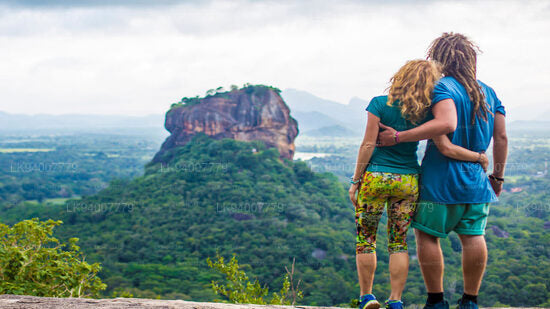
- Sigiriya Airfield (GIU), Dambulla — the main regional airfield for the Cultural Triangle, serving Sigiriya, Dambulla, and Polonnaruwa. Visitors arriving here often continue to Sigiriya Rock Fortress.
- Heritance Kandalama Helipad (DIWK) — a private pad at Heritance Kandalama hotel near Dambulla; guests only.
- Gam Udawa Ground, Dambulla (GUDH) — a large open ground used as an approved landing site for the Dambulla region.
- Vil Uyana Helipad (VUHN) — private helipad at Vil Uyana resort, Sigiriya.
- Elephant Corridor Helipad (ELCH) — reserved for hotel guests of Elephant Corridor resort only.
- Victoria Golf Club, Digana (KDW) — a helipad serving the Kandy–Digana area, close to Victoria Reservoir.
- Serendip Stone Bungalow Helipad, Digana — a private landing site in the hills east of Kandy.
North Central Province
- Anuradhapura Airfield (ACJ) — one of the most historically important domestic airfields, serving Sri Lanka's ancient capital and the surrounding national parks including Wilpattu National Park.
- Ulagalla Resort Helipad (ULAG) — a private pad at Ulagalla by Uga Escapes, a luxury boutique resort near Thirappane.
Eastern Province
- Ampara Airfield (ADP) — the main airfield for Ampara district, supporting access to the south-east coast.
- Arugam Bay Beach (AYY) — a beach landing site at Arugam Bay, popular during surf season for swift coastal transfers.
- Passikudah Beach (PQD), Batticaloa — serves the Passikudah resort strip, one of Sri Lanka's most rapidly developing beach destinations.
- Batticaloa Airfield (BTC) — the main domestic airfield for Batticaloa district on the east coast.
How do I book a helicopter charter in Sri Lanka?
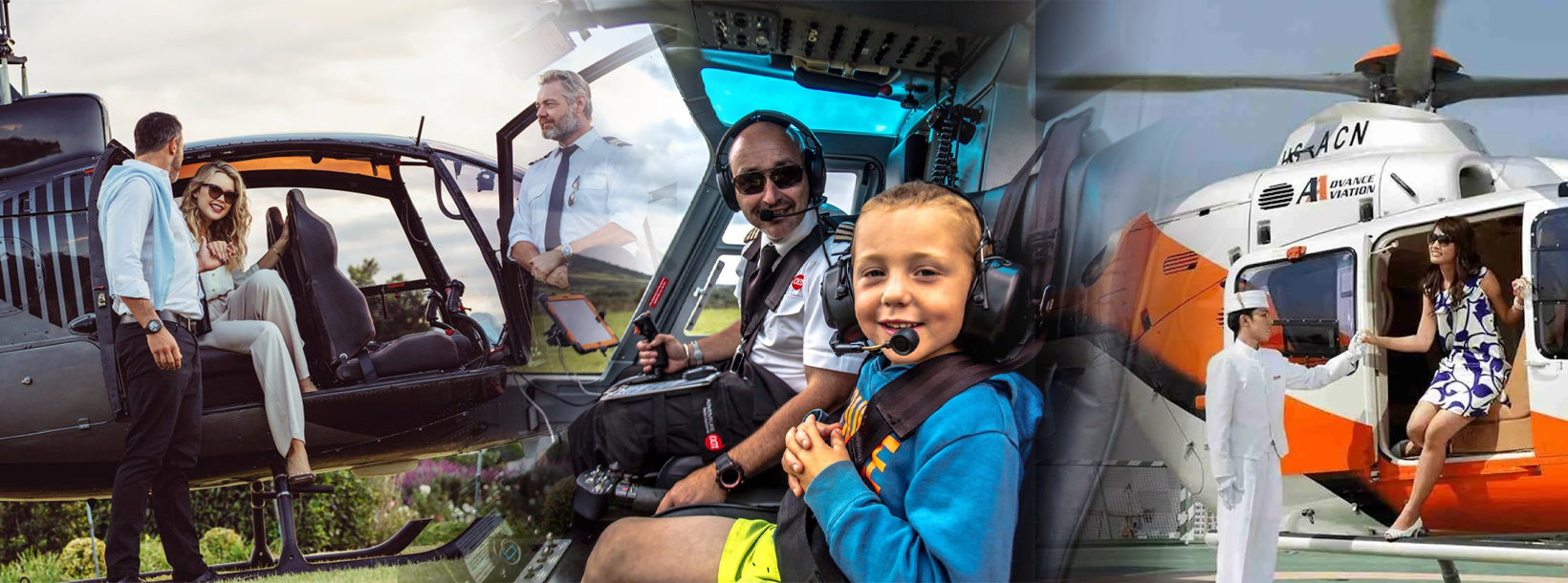
Helicopter charters in Sri Lanka are handled by a small number of Civil Aviation Authority-licensed operators. Most resorts with private helipads can coordinate a charter on your behalf as part of an arrival or departure transfer. For independent arrangements, bookings are typically made directly with the charter company and confirmed once a flight manifest and weather clearance are in place. Lead times of 48–72 hours are common during busy travel seasons. Lakpura can assist in coordinating helicopter arrivals as part of a wider itinerary — contact the Lakpura reservations team for current operator contacts and scheduling.
What restrictions apply to helipad use in Sri Lanka?
The Civil Aviation Authority of Sri Lanka (CAASL) regulates all commercial helicopter operations, and landing at any site requires prior clearance. Navy-operated pads, such as the Dickwella Naval Helipad, require explicit approval from Navy HQ and are generally not available for tourism transfers except in agreed circumstances. Private resort helipads are restricted to guests or those with a pre-arranged booking. Beach and school-ground sites are treated as temporary landing zones and are activated on a per-operation basis, typically by the charter operator handling the paperwork.
Foreign-registered helicopters are subject to additional permit requirements, including overflight clearances and landing permissions from the Department of Immigration and Emigration and the CAASL. These should be arranged well in advance of any planned operation.
What is the aerial view like when arriving by helicopter in Sri Lanka?
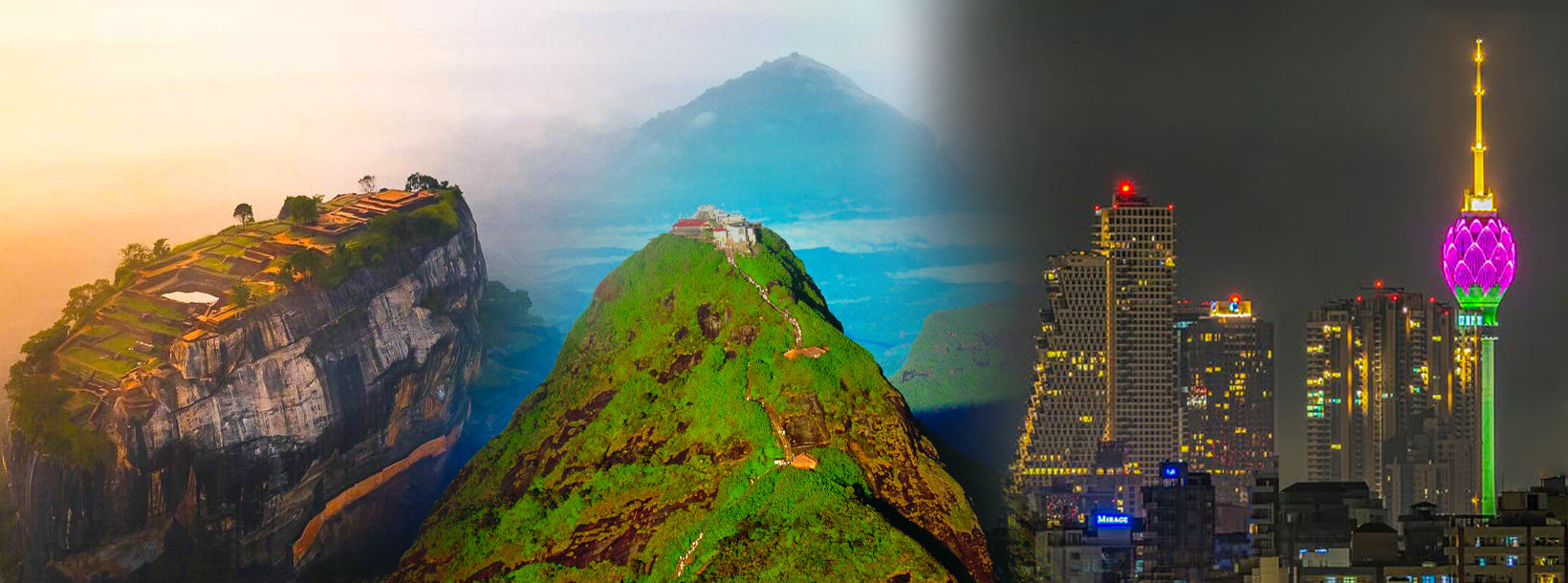
Arriving by helicopter gives passengers a perspective of Sri Lanka that is simply not available by road. Flying into the Cultural Triangle from Colombo, for instance, reveals the geometric precision of ancient irrigation tanks stretching across the dry-zone landscape — a civilisation-scale feat of engineering that is easy to underestimate from ground level. Approaches to the southern coast pass over coastal lagoons, casuarina-lined beaches, and mangrove estuaries, including the waterways of the Madu River. Hill-country approaches into Kandy or Sigiriya reward passengers with close views of forested ridgelines and the rock fortress itself emerging from the surrounding plains.
Sunrise and late-afternoon flights offer the best light and, in the dry zones, a better chance of spotting elephant herds in the open. Pilots on established charter routes are usually familiar with the scenic highlights along the corridor and can point out features of interest.
Are helipads in Sri Lanka connected to emergency services?
Yes. Several of the pads listed — particularly those at domestic airfields and the naval facility in Dickwella — serve a critical role in medical evacuation (medevac) operations. Sri Lanka's geography means that helicopter evacuation is sometimes the fastest way to reach a specialist hospital from remote areas along the east coast or the deep south. Some international travel insurance policies cover medevac by air, and travellers visiting very remote areas are advised to verify their cover before departure.