Lakpura
Lakpura®

Tinospora cordifolia (Rasakinda)

Tinospora cordifolia, known locally as Rasakinda, is a climbing herbaceous vine that has earned a respected place in Ayurvedic and traditional medicine across the Indian subcontinent for centuries. Indigenous to tropical regions including Sri Lanka, India, and Myanmar, it belongs to the family Menispermaceae and is commonly referred to in English as heart-leaved moonseed, guduchi, or giloy. In Sri Lanka, it features prominently in the island's catalogue of Ayurvedic medicinal plants, where it is valued for its wide-ranging therapeutic properties.

What is Rasakinda and where does it grow in Sri Lanka?

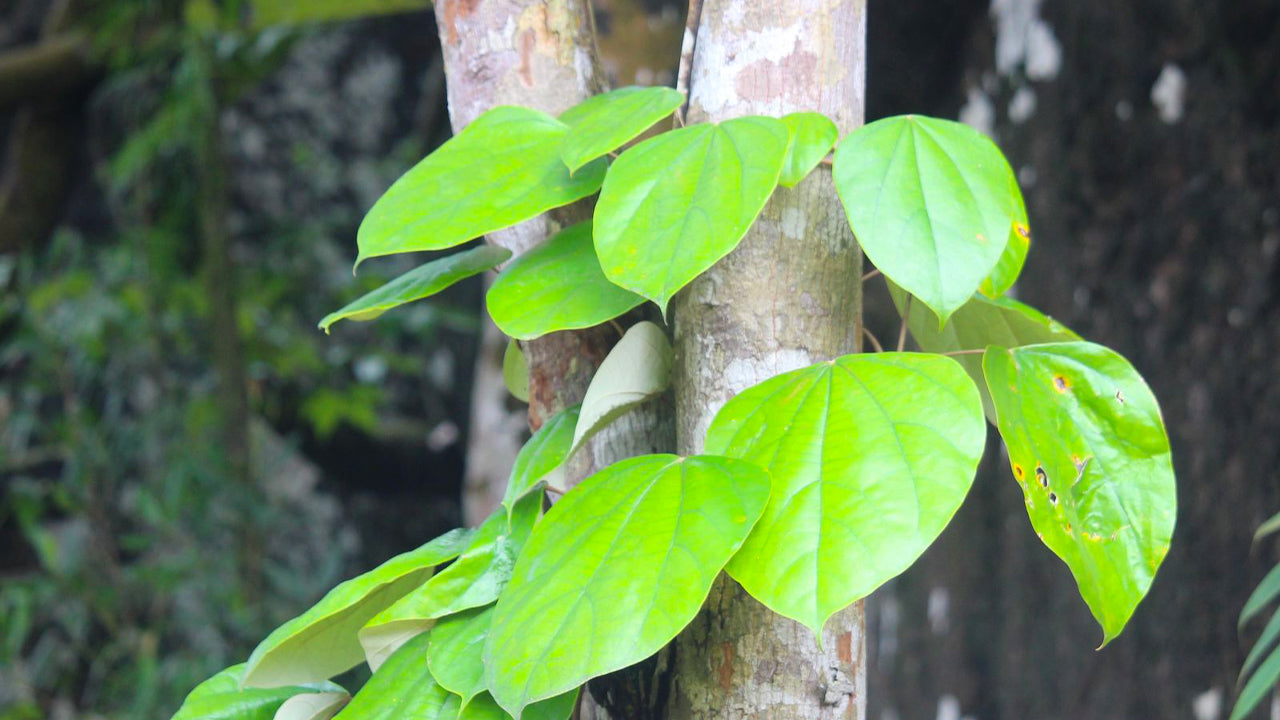
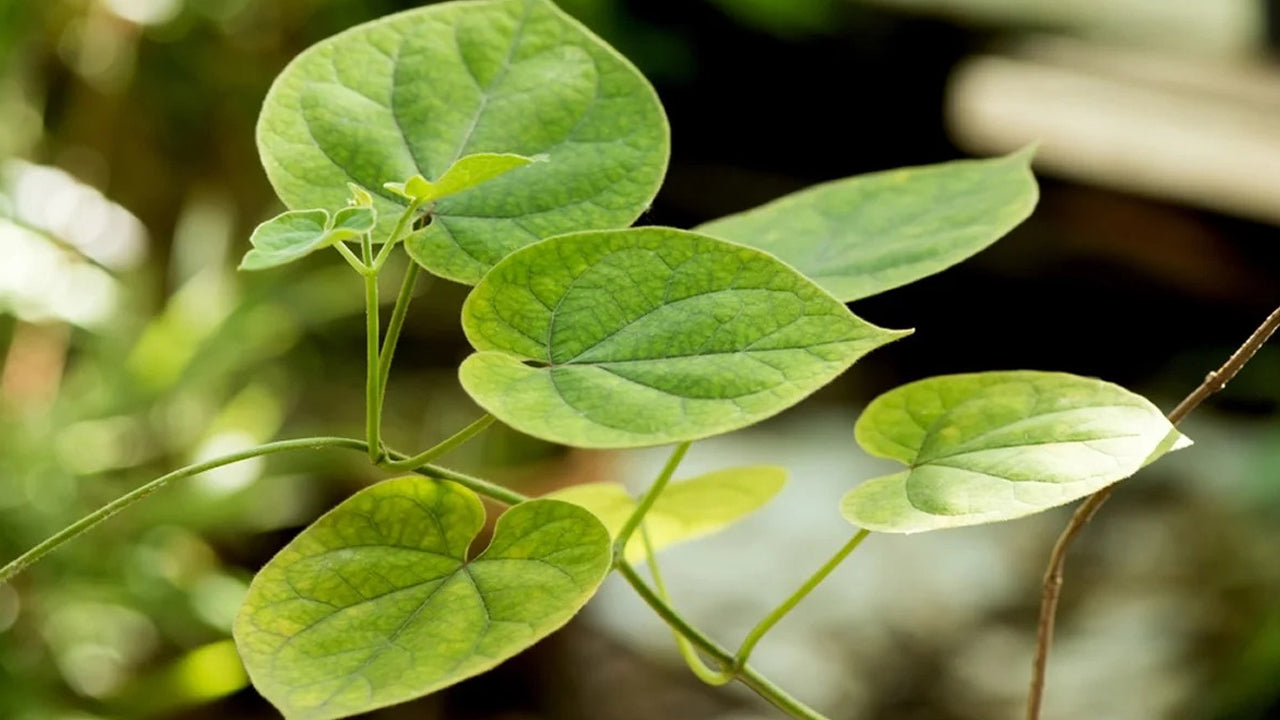
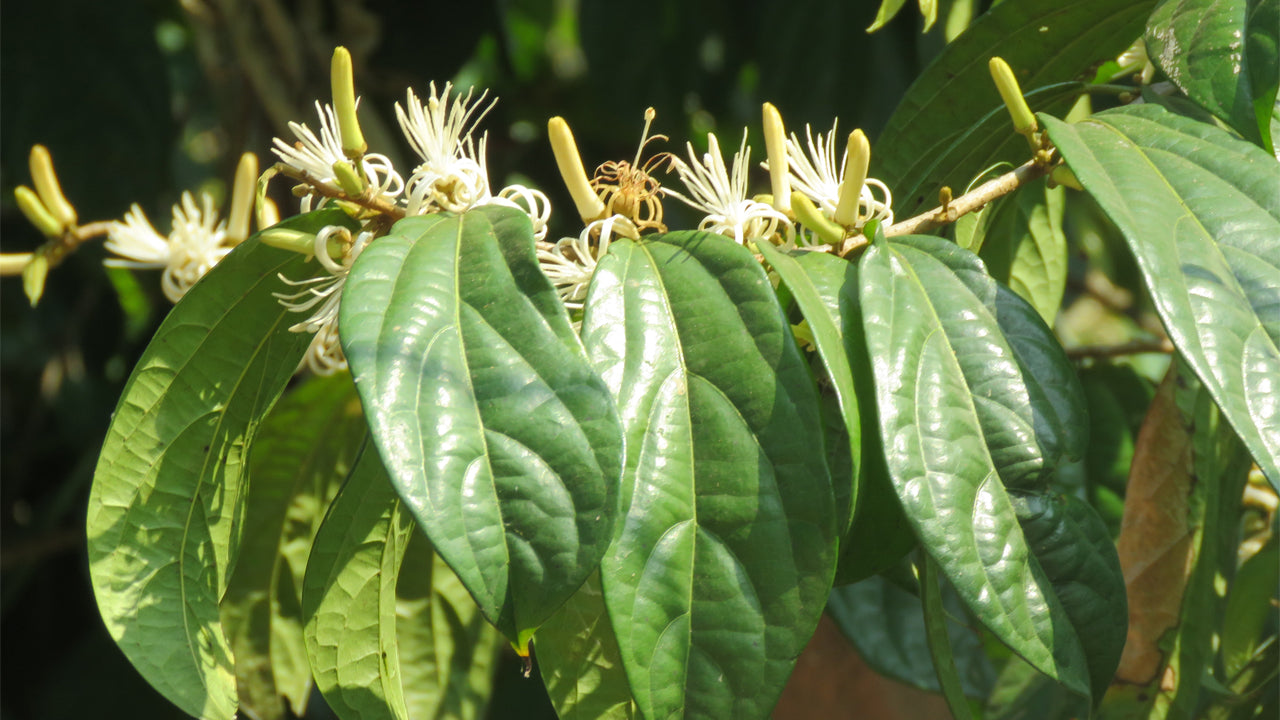
Rasakinda is a deciduous vine that thrives in tropical climates, typically growing along forest edges, hedgerows, and in home gardens across Sri Lanka's low and mid-country zones. It can be found climbing trees and fences in the wild, particularly in dry and intermediate climatic zones. The plant is recognised by its heart-shaped leaves — the feature that gives it the English name "heart-leaved moonseed" — along with its slender, corky stems and small yellow-green flowers.

Like other traditional medicinal plants catalogued in Sri Lanka, such as Acacia chundra and Pongamia pinnata, Rasakinda has been cultivated and harvested by local communities for generations. All three parts of the plant — root, stem, and leaves — are used in Ayurvedic preparations, though the stem is considered particularly potent and is the most commonly referenced in classical texts.

What are the traditional Ayurvedic uses of Tinospora cordifolia?

In classical Ayurveda, Tinospora cordifolia is classed as a Rasayana — a category of herbs believed to promote longevity, rejuvenate tissues, and strengthen the body's natural defences. Sri Lankan and South Asian traditional practitioners have long prescribed it for a broad spectrum of conditions:

  • Fevers — including chronic and intermittent fevers, where it is used as a febrifuge
  • Skin diseases — applied topically or taken internally to address inflammatory skin conditions
  • Syphilis — historically cited in classical Ayurvedic texts as a treatment for venereal disease
  • Chronic diarrhoea and dysentery — valued for its astringent and anti-inflammatory qualities in the gut
  • Diabetes mellitus — used as a hypoglycaemic agent in traditional formulations
  • Snake bites and insect stings — regarded as an antidote in folk medicine traditions
  • Heart disease — mentioned in classical texts as a cardioprotective herb

It is worth noting that while these uses are documented within Ayurvedic tradition, they represent traditional knowledge rather than universally validated modern medical claims. Individuals seeking treatment for any medical condition should consult a qualified healthcare professional.

What does modern research say about Tinospora cordifolia?

Scientific interest in Tinospora cordifolia has grown substantially in recent decades. Researchers have identified a range of bioactive compounds in the plant, including alkaloids (such as berberine and tinosporine), glycosides, steroids, and polysaccharides. Laboratory and clinical studies have investigated its potential immunomodulatory, anti-inflammatory, antioxidant, and antidiabetic effects.

Some studies suggest that extracts of the plant may support immune function and have hepatoprotective (liver-protective) properties, which aligns broadly with its long-standing use in traditional medicine. However, large-scale randomised clinical trials remain limited, and regulatory guidance in many countries recommends caution with self-medication using herbal extracts. The plant's profile as a subject of ongoing research reflects a wider global interest in validating South Asian medicinal plant traditions through modern pharmacology.

How is Rasakinda used in Sri Lankan Ayurvedic practice today?

In contemporary Sri Lanka, Rasakinda remains an active ingredient in both home remedies and formal Ayurvedic preparations. It appears in decoctions (kashayas), powders (churnas), and compound formulations used at government and private Ayurvedic hospitals across the island. The Department of Ayurveda, operating under Sri Lanka's Ministry of Health, oversees the regulation and quality standards of such herbal medicines.

Compound Ayurvedic preparations that incorporate Tinospora cordifolia include classical formulations such as Kaishore Guggulu and Yogaraja Guggulu, both of which are used for conditions involving inflammation and metabolic imbalance. Rasakinda may also be combined with other time-honoured Sri Lankan medicinal plants — for instance, Ceylon black pepper is frequently used in Ayurvedic formulations to enhance the bioavailability of companion herbs.

A simple home preparation common in Sri Lanka involves boiling a small piece of dried Rasakinda stem in water to make a decoction taken to support general wellness, particularly during the change of seasons or during febrile illness. Such remedies are passed down through families and remain part of everyday household knowledge in many parts of the country.

What is Rasakinda's place in Sri Lanka's broader herbal heritage?

Sri Lanka's tropical climate and diverse ecosystems — ranging from coastal lowlands to montane forests — support an exceptionally rich flora of medicinal plants. The island's Ayurvedic tradition, deeply rooted in the ancient Sinhala medical system known as Desheeya Chikitsa, has documented and preserved knowledge of these plants over many centuries. Tinospora cordifolia is one of hundreds of plants recorded in classical texts such as the Charaka Samhita and the locally important Sarartha Sangrahaya.

The plant's presence across Sri Lanka's varied landscapes — from the humid lowlands around Sinharaja Forest Reserve to drier northern zones — makes it accessible to communities throughout the island. Ethnobotanical surveys have consistently found Rasakinda among the most commonly used plants in Sri Lankan traditional medicine, reflecting its enduring importance in local health culture.

Interest in Sri Lanka's medicinal plant heritage has grown in recent years among visitors undertaking wellness and Ayurvedic travel. The island hosts a number of certified Ayurvedic resorts and hospitals that offer consultations, treatments, and educational programmes, giving visitors an opportunity to learn about plants such as Rasakinda in context.

How does Tinospora cordifolia compare with other Sri Lankan medicinal plants?

Plant Local Name Family Primary Traditional Use
Tinospora cordifolia Rasakinda Menispermaceae Fevers, diabetes, immunomodulation
Acacia chundra Kaluwarana Fabaceae Wound healing, diarrhoea, oral care
Pongamia pinnata Magul Karanda Fabaceae Skin conditions, anti-inflammatory
Syzygium aromaticum Karabu Nati Myrtaceae Dental pain, digestive disorders

Each of these plants occupies a distinct niche within Sri Lankan herbal medicine. Syzygium aromaticum (clove) is perhaps better known globally as a spice and flavouring, but like Rasakinda it carries a long record of therapeutic application in the Ayurvedic tradition.

Ask Lakpura® Agent