Lakpura
Lakpura®

Myristica fragrans (Sadikka)

Nutmeg — known in Sinhala as Sadikka (සාදික්කා) and botanically as Myristica fragrans — ranks among Sri Lanka's most valued spice crops, standing alongside pepper and cinnamon as a pillar of the island's centuries-old spice trade. What makes the nutmeg tree uniquely productive is that it yields not one but two distinct spices: nutmeg itself, derived from the seed kernel, and mace (wasavasi in Sinhala), the lacy red aril that wraps around the seed. This dual yield has made the tree a cornerstone of Sri Lanka's spice gardens and an important contributor to agricultural exports.

What exactly is nutmeg, and how is it different from mace?

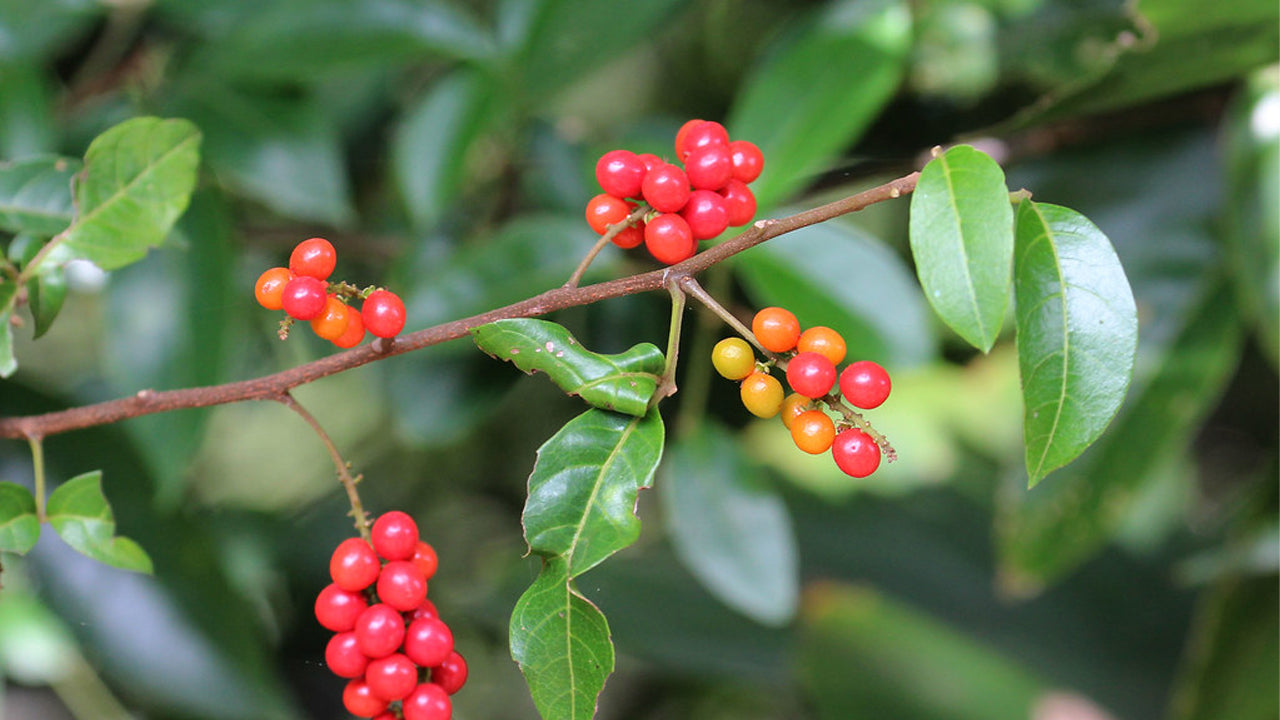
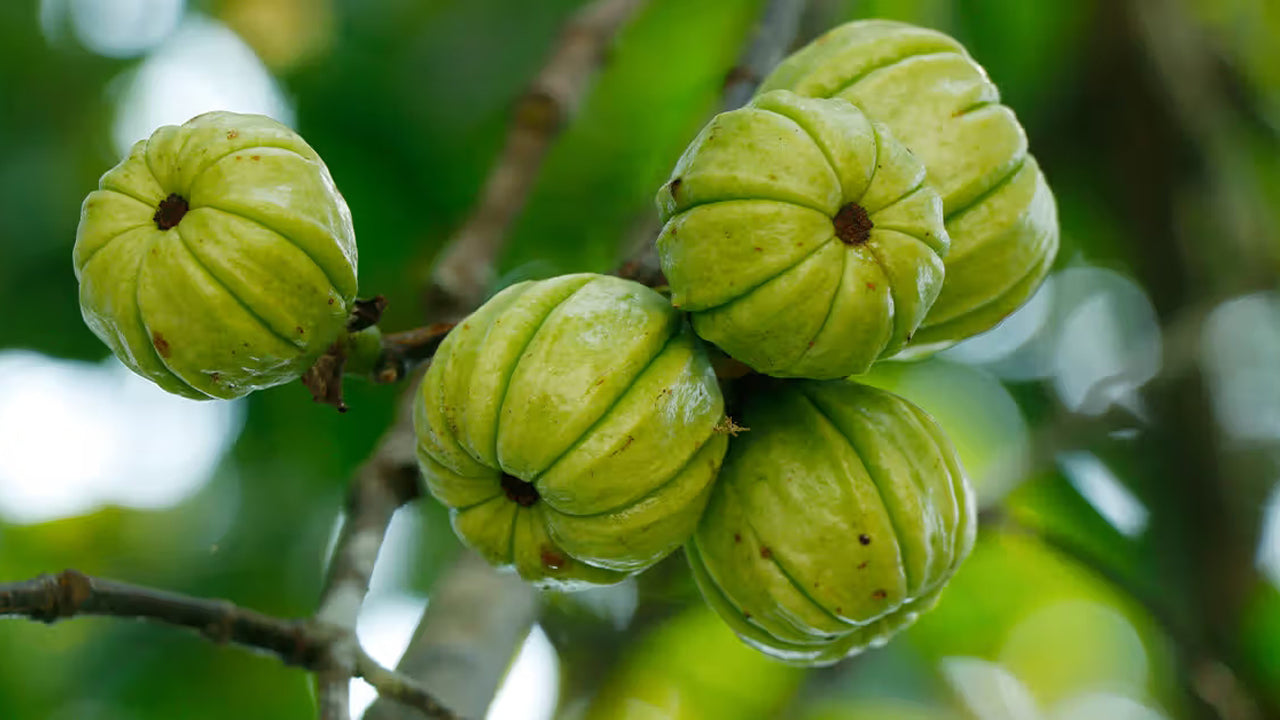
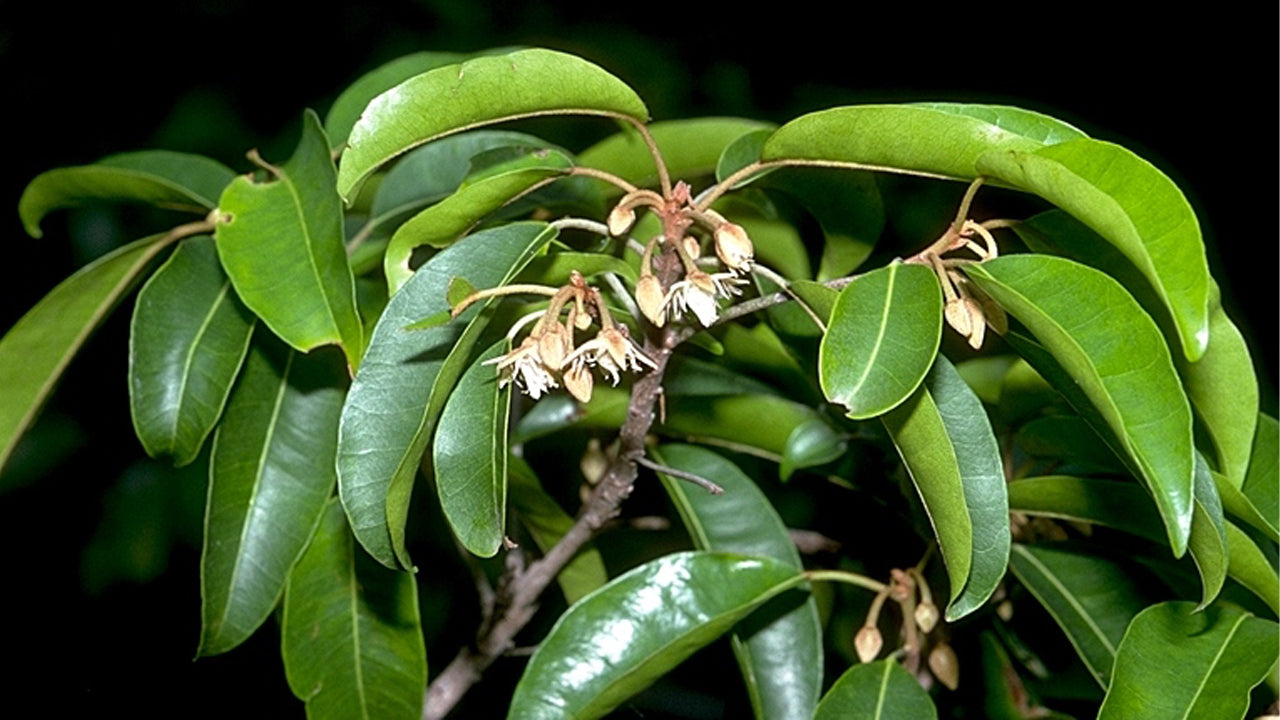
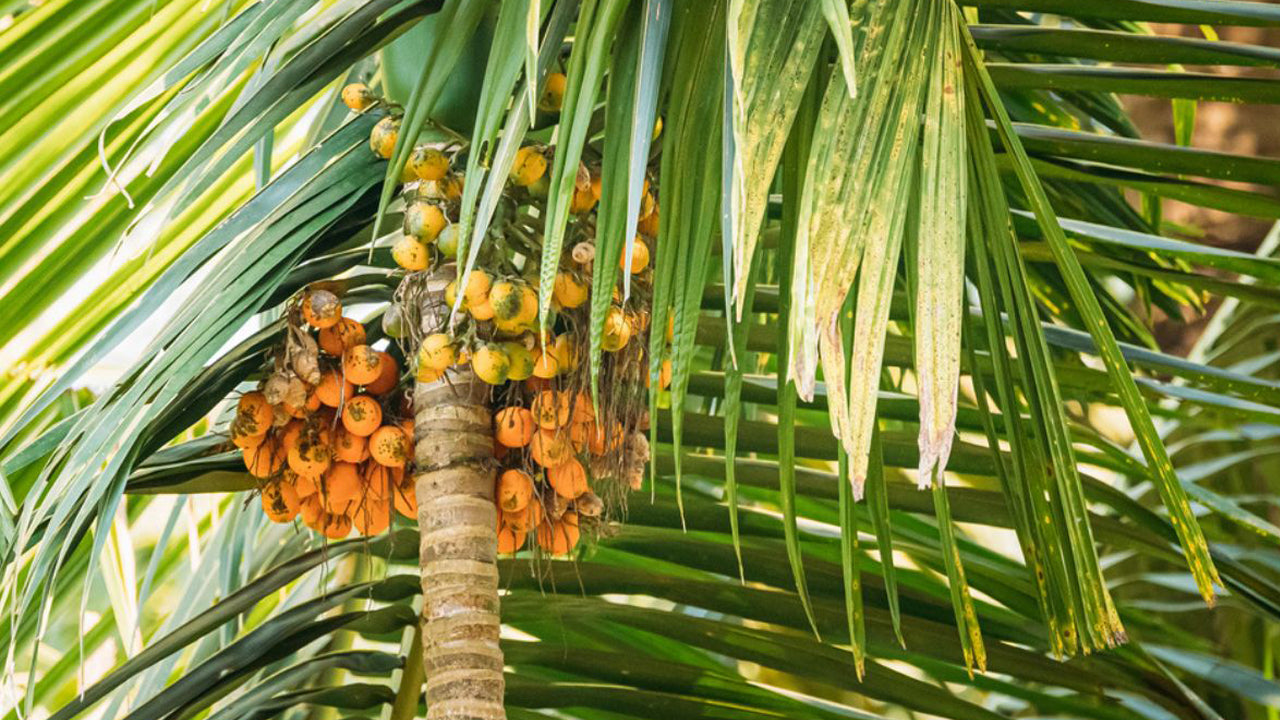
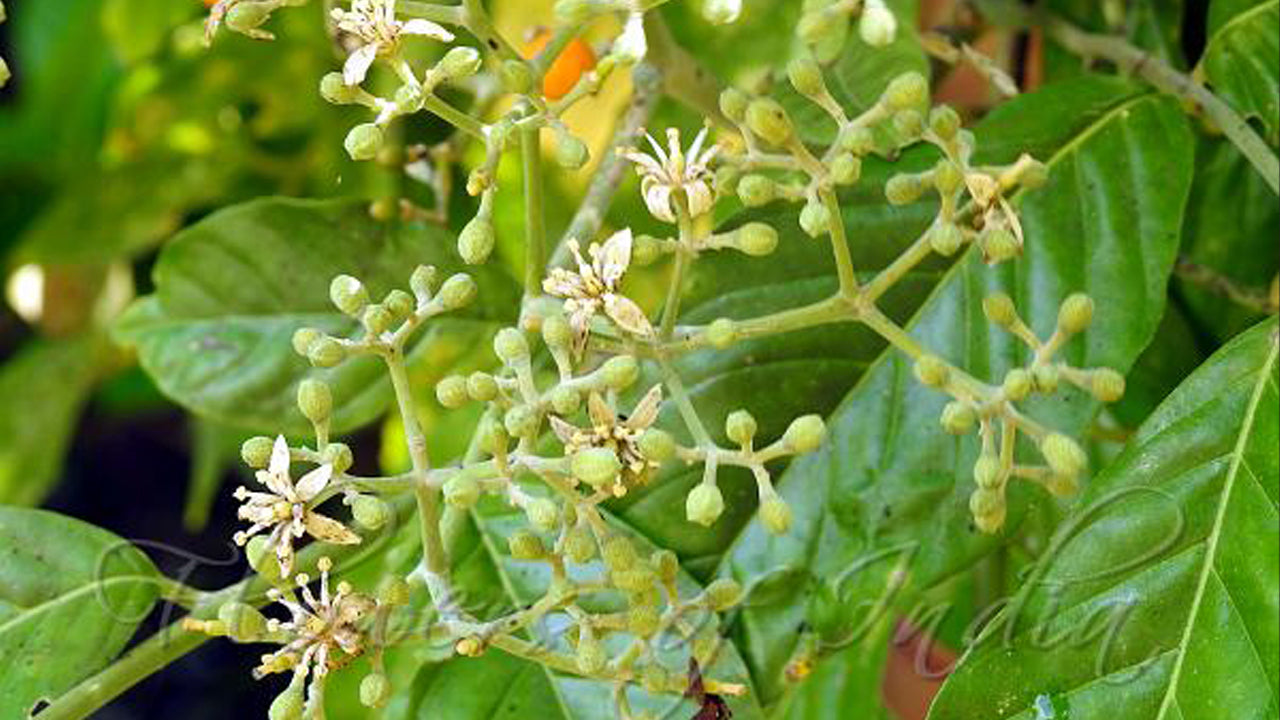
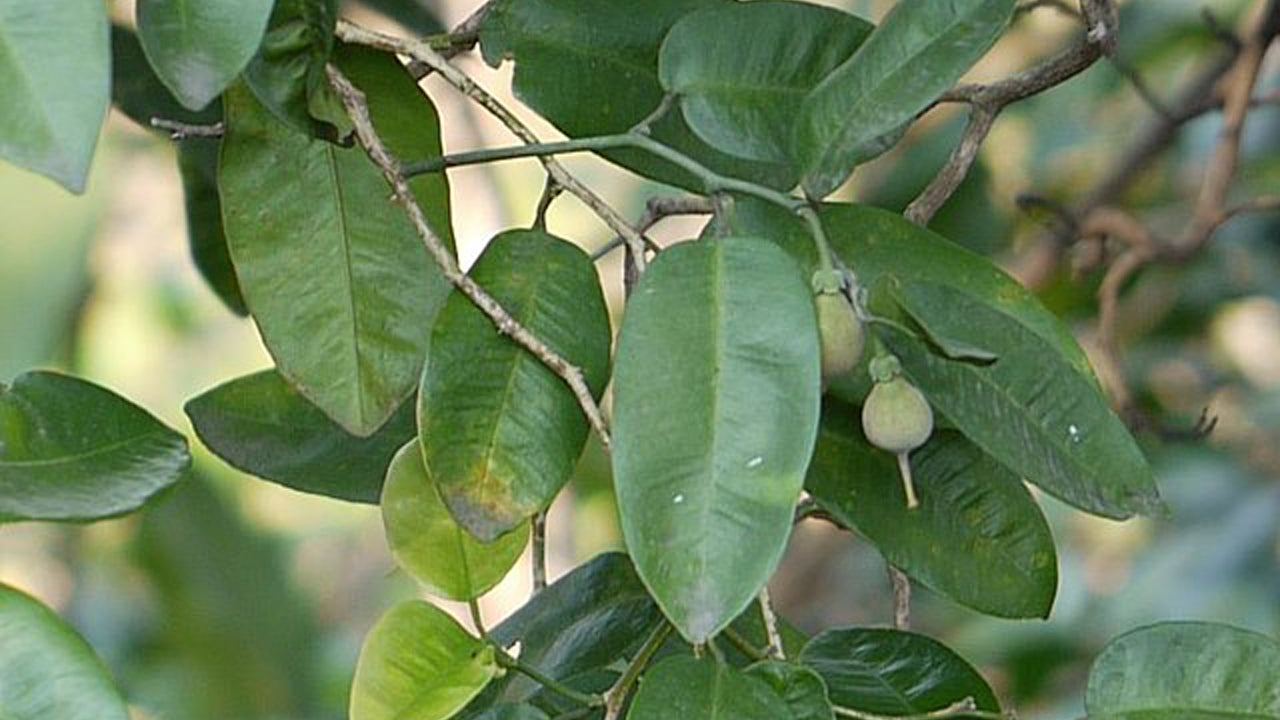
The fruit of Myristica fragrans resembles a small apricot. When it ripens and splits open, it reveals a hard dark shell enclosing the seed kernel — this kernel, once dried, is what we know as nutmeg. Surrounding that shell is the mace: a thin, bright-red, net-like membrane that dries to a warm amber-orange. Though both spices come from the same fruit, they carry subtly different flavour profiles. Nutmeg is warm, slightly sweet, and deeply aromatic; mace is more delicate and faintly peppery.

Both products are harvested, separated, and dried before processing. The shell itself is discarded or used as organic matter, while the kernel and mace are processed separately for different commercial markets.

Where is nutmeg grown in Sri Lanka?

Myristica fragrans thrives in Sri Lanka's warm, humid low-country zones, particularly in the wet zone of the south and southwest. The Matara, Galle, and Kalutara districts have historically been strong producing areas, and the spice is commonly found growing alongside cinnamon and cloves in home gardens and dedicated spice plantations. Visitors to the Sinharaja Forest Reserve region will often encounter nutmeg cultivation in the surrounding villages. The tree prefers well-drained, loamy soils and consistent rainfall — conditions the Sri Lankan wet zone delivers reliably.

Nutmeg trees are slow to mature, typically taking around seven to nine years to begin bearing fruit, but once established they can remain productive for decades, making them a long-term investment for spice farmers.

What are the culinary uses of nutmeg and mace?

In Sri Lankan cooking, ground nutmeg is used sparingly as a finishing spice in curries, rice dishes, and rich meat preparations. Its warm, slightly sweet depth complements the boldness of Ceylon black pepper and other aromatics common in local cuisine. Beyond savoury dishes, nutmeg features in:

  • Puddings, custards, and milk-based desserts
  • Baked goods including spiced cakes and biscuits
  • Sauces and gravies for fish and seafood preparations
  • Spiced teas, cordials, and certain traditional beverages
  • Confectionery products and flavoured chocolates

Mace is used in much the same categories but tends to appear more prominently in seafood dishes and light sauces where its subtler character won't overpower other flavours. Both are ground fresh for maximum potency, as pre-ground nutmeg loses its volatile aromatic compounds relatively quickly.

How is nutmeg used in traditional medicine?

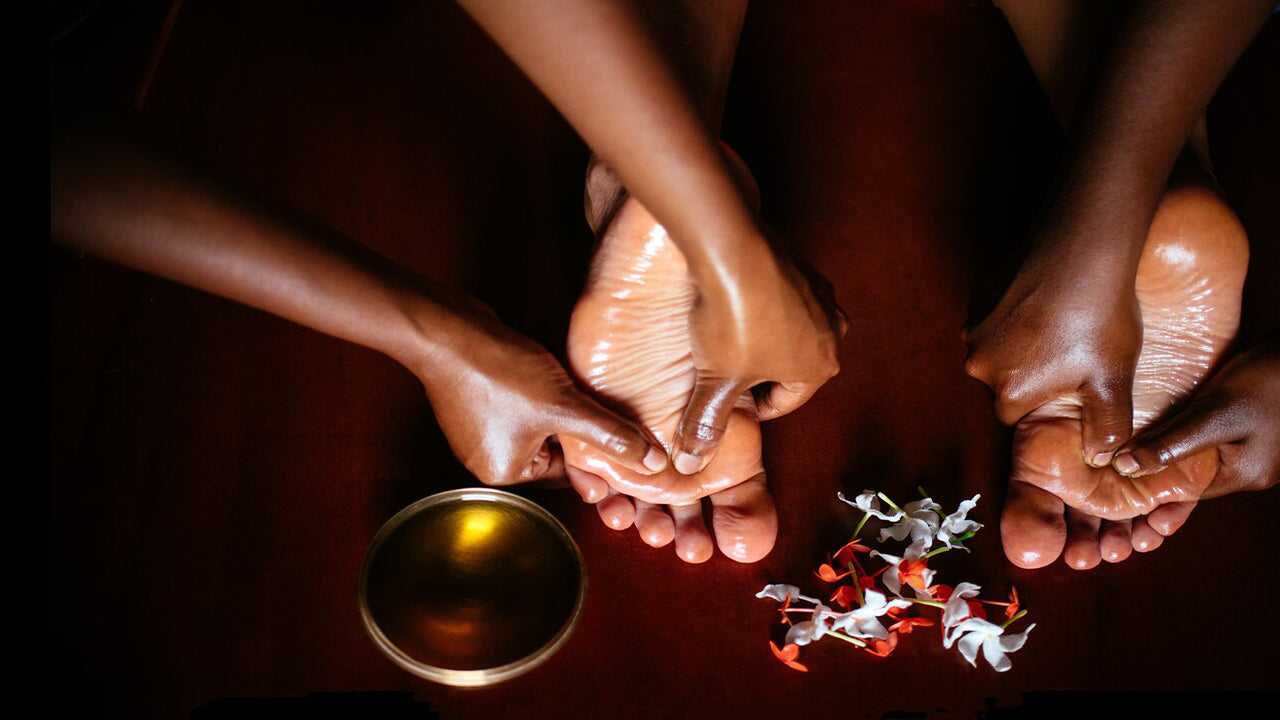
In Ayurvedic practice, nutmeg has a long history of therapeutic application. It is considered warming in nature and is used to address digestive complaints such as flatulence, nausea, and poor appetite. Small quantities are incorporated into formulations intended to support liver function and improve circulation. Nutmeg also features in preparations addressing sleep disorders and mild anxiety, reflecting its mild sedative properties when used at low doses.

Traditional Chinese medicine similarly employs nutmeg — known there as rou dou kou — for its warming and astringent qualities, particularly in remedies for digestive weakness. It is worth noting that nutmeg contains myristicin and other compounds that can be toxic in large quantities; traditional medicinal use always involves small, carefully measured amounts under informed guidance.

Nutmeg oil, extracted from both the kernel and the mace, is used in the pharmaceutical and cosmetic industries for its analgesic and anti-inflammatory properties, and appears in topical preparations for muscle and joint relief.

What does the global spice trade mean for Sri Lankan nutmeg?

Sri Lanka exports nutmeg and mace to markets across Europe, the Middle East, and Asia. Although Indonesia — particularly the island of Banda — dominates global nutmeg production, Sri Lankan nutmeg is valued for its quality and the relatively sustainable, small-holder farming model through which much of it is produced. The spice is exported as whole dried nuts, broken or shelled product, and as distilled essential oil. Mace is traded separately, typically commanding a higher price per kilogram than the nutmeg kernel itself.

Spice gardens open to visitors across the south and southwest of Sri Lanka offer an accessible way to see the full production cycle — from flowering tree to dried and packaged product — and to purchase freshly processed spices directly from the source.

How does nutmeg compare to Sri Lanka's other major spices?

Spice Part used Primary growing regions Key uses
Nutmeg (Myristica fragrans) Seed kernel and mace aril Galle, Matara, Kalutara Culinary, Ayurvedic, essential oil
Cinnamon (Cinnamomum verum) Inner bark Kurunegala, Galle, Matara Culinary, medicinal, cosmetics
Black pepper (Piper nigrum) Dried berries Kandy, Matale, Kegalle Culinary, medicinal
Clove (Syzygium aromaticum) Dried flower buds Matale, Kandy Culinary, dental, essential oil

For a closer look at another remarkable spice from the same botanical family, the Syzygium aromaticum (clove) page explores a crop with an equally rich history in Sri Lankan agriculture and trade.

Can visitors see nutmeg cultivation during a Sri Lanka trip?

Spice gardens that include Myristica fragrans are found throughout the south and southwest, and many are open for guided walkthroughs. These visits typically cover identification of live plants at different growth stages, explanation of harvesting methods, and on-site processing demonstrations. Visitors can usually purchase freshly dried nutmeg, mace, and infused products directly. The Midigama Fruit Farm in the southern province is one example of an agricultural attraction that gives insight into tropical cultivation in this part of the island.

For those travelling through the spice-growing heartland around Matale and Kandy, organised spice garden visits are a standard and worthwhile addition to any itinerary focused on Sri Lanka's agricultural heritage.

Ask Lakpura® Agent