Lakpura
Lakpura®

Boswellia serrata

Boswellia serrata, widely known as Indian frankincense, is a resin-producing tree with deep roots in traditional medicine across South and Southeast Asia. Though native to the Indian subcontinent, it is cultivated in select dry-zone regions of Sri Lanka where the climate and well-drained soils closely mirror its natural habitat. For centuries, both the tree and its aromatic resin have occupied a quiet but important place in Ayurvedic practice, ritual life, and — increasingly — scientific research.

What does Boswellia serrata look like?

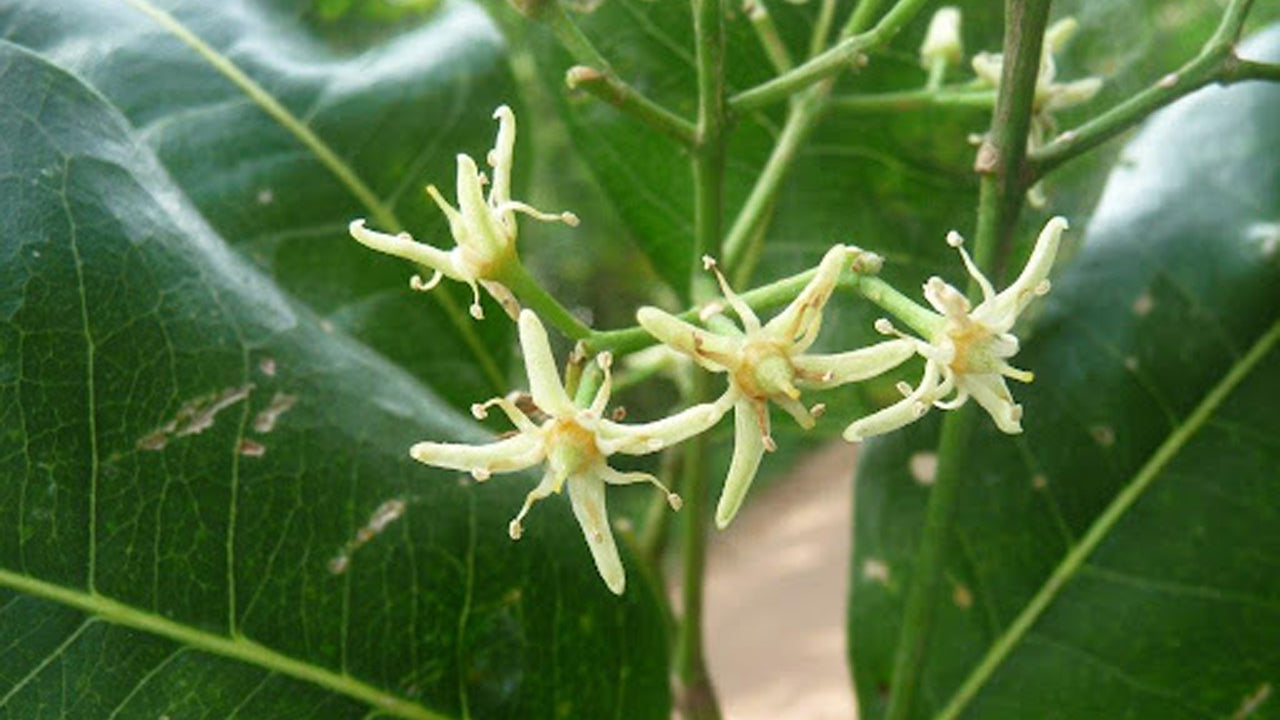
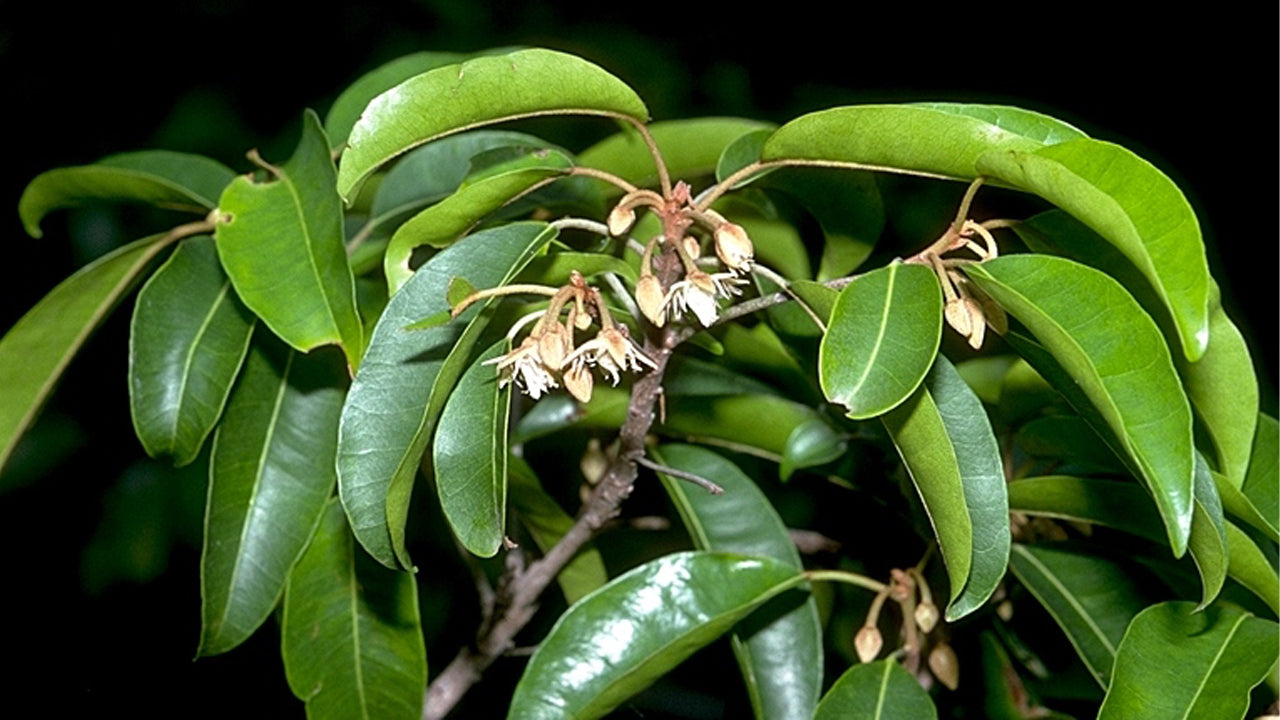
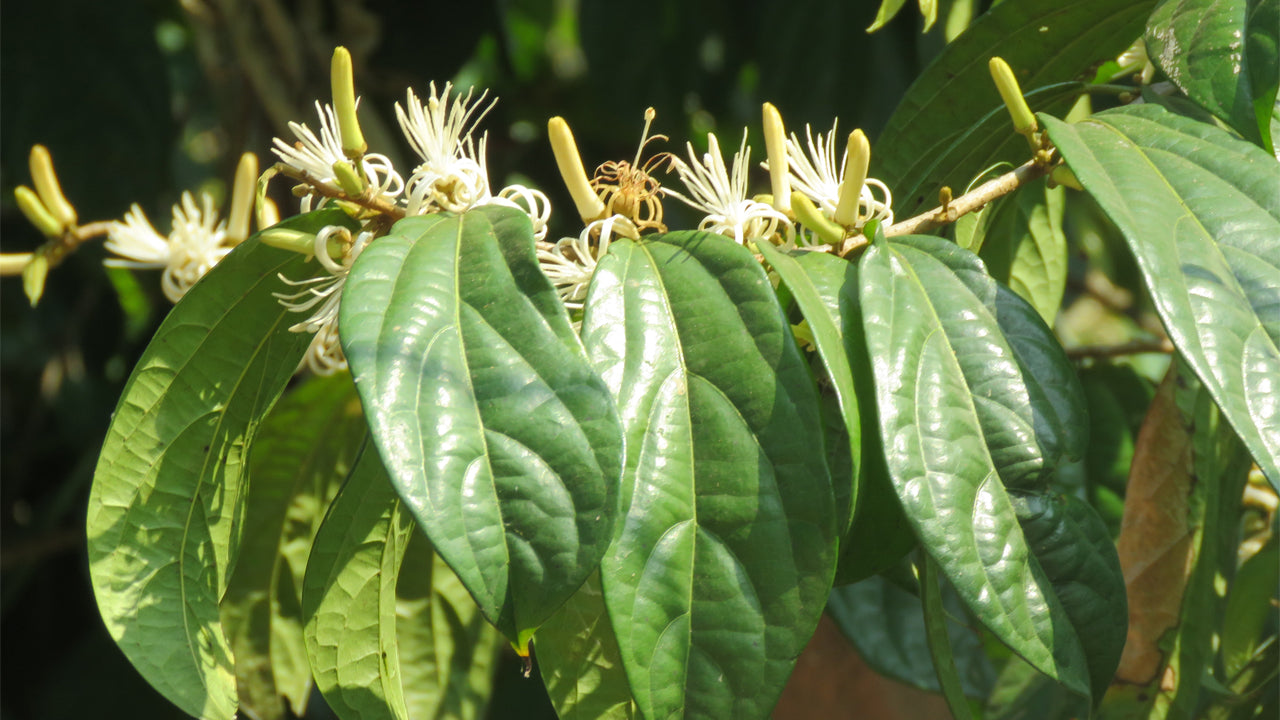
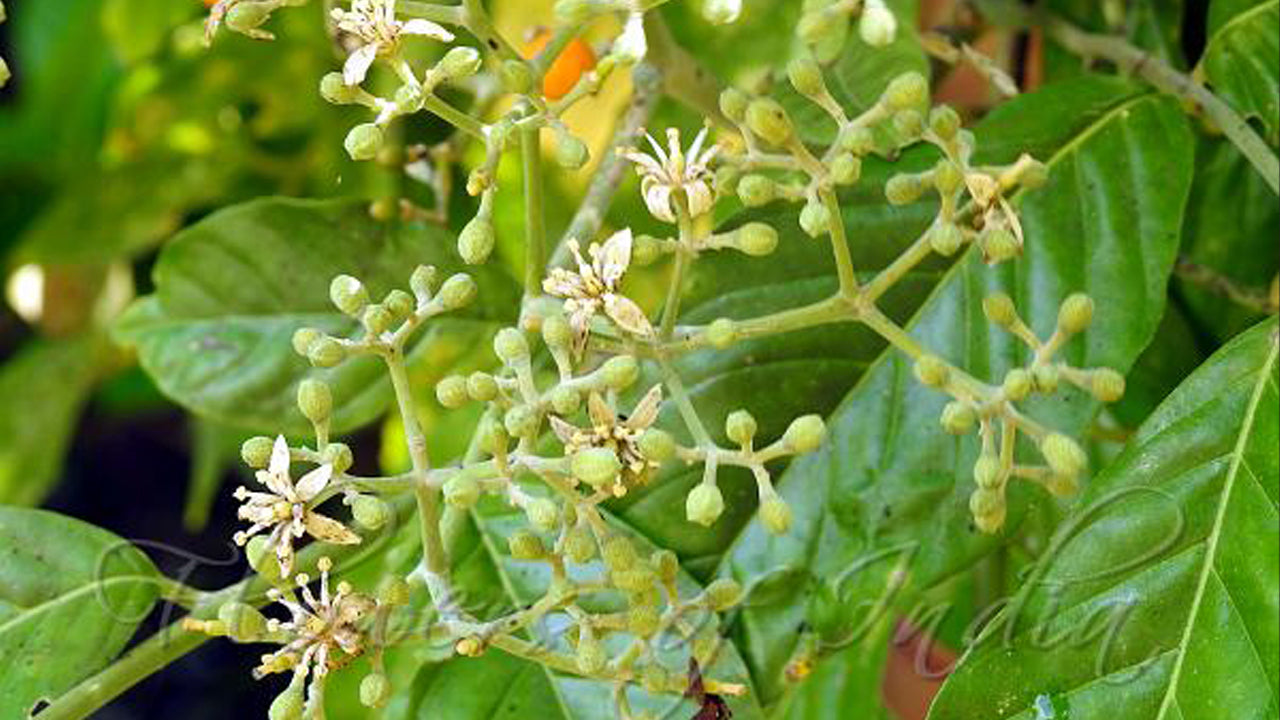
The tree grows to a small or medium height, rarely reaching the canopy in mixed dry-zone forests. Its most recognisable feature is the papery, peeling bark — pale and slightly silvery — that comes away in thin layers, much like birch bark. The leaves are pinnate and tend to cluster toward the tips of branches. During the flowering season, small white blossoms appear in clusters, releasing a faint, resinous fragrance. The resin itself oozes as a milky exudate when the bark is tapped or naturally wounded, then hardens into irregular amber-coloured lumps known in commerce as frankincense or, in the Indian subcontinent, as salai.

What are the medicinal properties of Boswellia serrata resin?

The therapeutic value of this tree lies almost entirely in its resin, which contains a group of triterpenoid compounds called boswellic acids. These acids inhibit the enzyme responsible for producing leukotrienes — inflammatory mediators that drive chronic inflammatory conditions. The key effects documented in research and codified in Ayurvedic texts include:

  • Anti-inflammatory action — helpful in conditions such as rheumatoid arthritis and osteoarthritis
  • Analgesic properties — reducing joint and muscle pain without the gastrointestinal side effects associated with some synthetic anti-inflammatory drugs
  • Anti-arthritic use — one of the most cited applications in classical Ayurveda for joint degeneration
  • Respiratory support — traditionally prescribed for asthma and bronchitis, with the resin sometimes burned so the smoke can be inhaled
  • Digestive benefits — used to address inflammatory bowel conditions and general digestive discomfort

Ayurvedic physicians in Sri Lanka incorporate the resin into compound formulations targeting chronic musculoskeletal conditions. Two classical preparations that draw on related dry-zone plant resins are Yogaraja Guggulu and Kaishore Guggulu, which illustrate the tradition of combining several herbal ingredients to amplify and balance therapeutic effects.

How is Boswellia serrata used in Sri Lanka's Ayurvedic tradition?

Sri Lanka's Ayurvedic system, rooted in classical Sanskrit texts but adapted over millennia to local flora, treats Boswellia serrata resin — locally called salai guggul — as a valued ingredient for joint and inflammatory conditions. Practitioners typically prescribe it in powdered or capsule form, sometimes decocted with other plant materials. Given the island's ageing demographic, osteoarthritis has become one of the most common conditions presenting at Ayurvedic clinics, and the boswellic acid content of this resin makes it a natural fit for long-term management protocols.

The tree also shares ecological ground with other medicinally significant dry-zone species. Acacia chundra, for instance, grows in comparable habitats and contributes its own set of therapeutic compounds to the Ayurvedic pharmacopoeia. Similarly, Pongamia pinnata is another dry-zone tree whose bark and seeds are used in traditional formulations alongside Boswellia resin.

What role does frankincense play in Sri Lankan religious and cultural life?

While frankincense is more prominently associated with Middle Eastern and Indian religious ceremonies, Boswellia resin does appear in certain Buddhist ritual contexts in Sri Lanka. Aromatic resins and incense are burned at temple offerings, and the purifying quality of frankincense smoke aligns with broader South Asian beliefs about the spiritual cleansing power of fragrant combustion. This use is modest compared to the elaborate incense traditions of India and the Levant, but it reflects the tree's cultural resonance beyond its purely medicinal profile.

Dry-zone temples and villages, particularly in the North Central Province, occasionally use frankincense as part of ceremonial practices tied to stupa offerings and poya observances. The overlap between medicinal plant knowledge and everyday religious life is characteristic of Sri Lankan rural communities, where the boundaries between pharmacy and devotion have historically been porous.

Where is Boswellia serrata found in Sri Lanka?

The species is not naturally widespread across the island — Sri Lanka's wet and intermediate zones are generally too humid for it. It is primarily found or cultivated in the dry-zone lowlands, where annual rainfall is lower and the seasonal dry period creates conditions closer to those of its native Indian range. Areas in the North Central and Northern provinces, with their scrub and thorn-forest ecosystems, offer the most suitable habitat. Cultivation on homestead and estate scale remains limited but is part of a broader movement to revive Ayurvedic raw-material production within Sri Lanka rather than relying entirely on imported resin from India.

What does current research say about Boswellia serrata?

Scientific interest in Boswellia serrata has grown considerably since the 1990s, with published trials supporting its use in osteoarthritis, inflammatory bowel disease, and asthma. The compound AKBA (acetyl-11-keto-β-boswellic acid) has attracted particular attention as the most potent anti-inflammatory constituent. Sri Lankan research institutions and Ayurvedic universities have begun investigating the efficacy of locally produced resin and its potential in combination formulas incorporating other Sri Lankan medicinal plants — a line of inquiry that could eventually inform standardised herbal supplements manufactured on the island.

Boswellia serrata is formally listed in the catalogue of Ayurvedic medicinal plants of Sri Lanka, giving it recognised status within the regulatory framework that governs traditional medicine practice and herbal product development in the country.

How does Boswellia serrata fit into Sri Lanka's broader herbal heritage?

Sri Lanka's dry zone has long functioned as a reservoir of Ayurvedic plant material, with species like Boswellia serrata sitting alongside better-known commodities such as Ceylon black pepper and Syzygium aromaticum (clove) in the island's ethnobotanical record. The frankincense tree occupies a narrower niche — it is neither a mass export commodity nor a household kitchen ingredient — but its therapeutic specificity has kept it relevant in specialist Ayurvedic practice for generations. As consumer interest in plant-based anti-inflammatory remedies grows internationally, the quiet cultivation of Boswellia serrata in Sri Lanka's dry lowlands may yet assume greater commercial importance.

Ask Lakpura® Agent