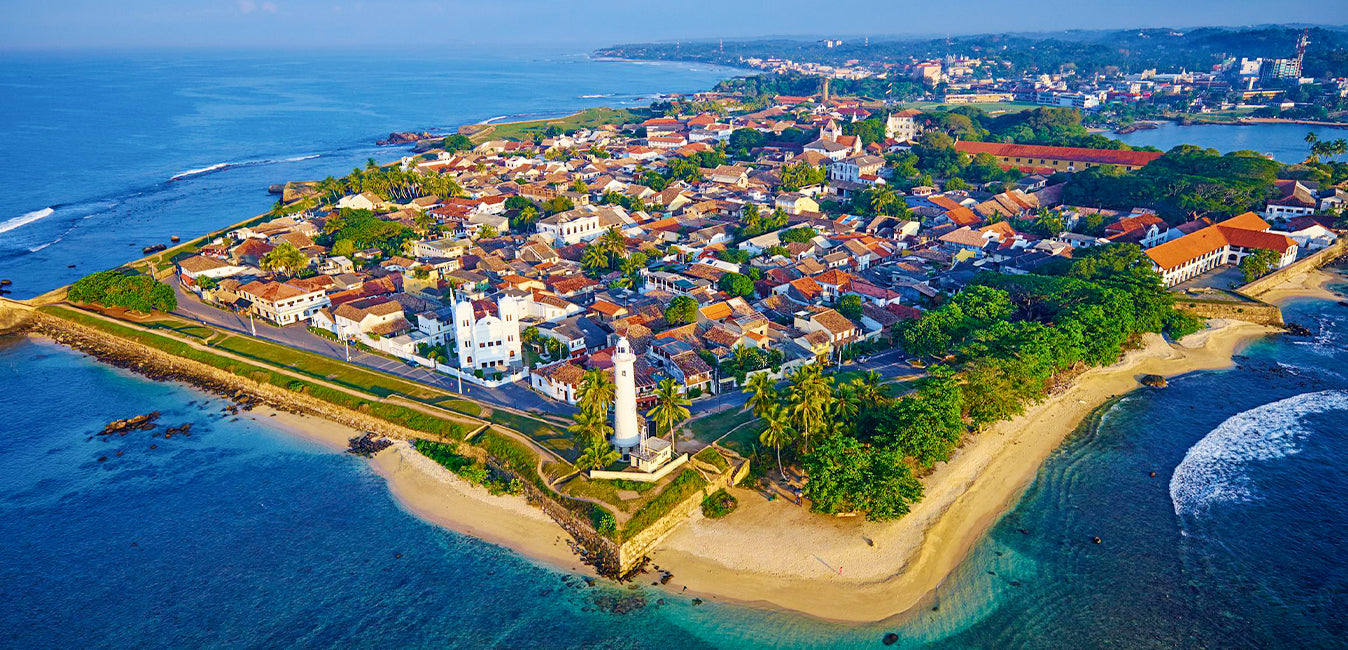
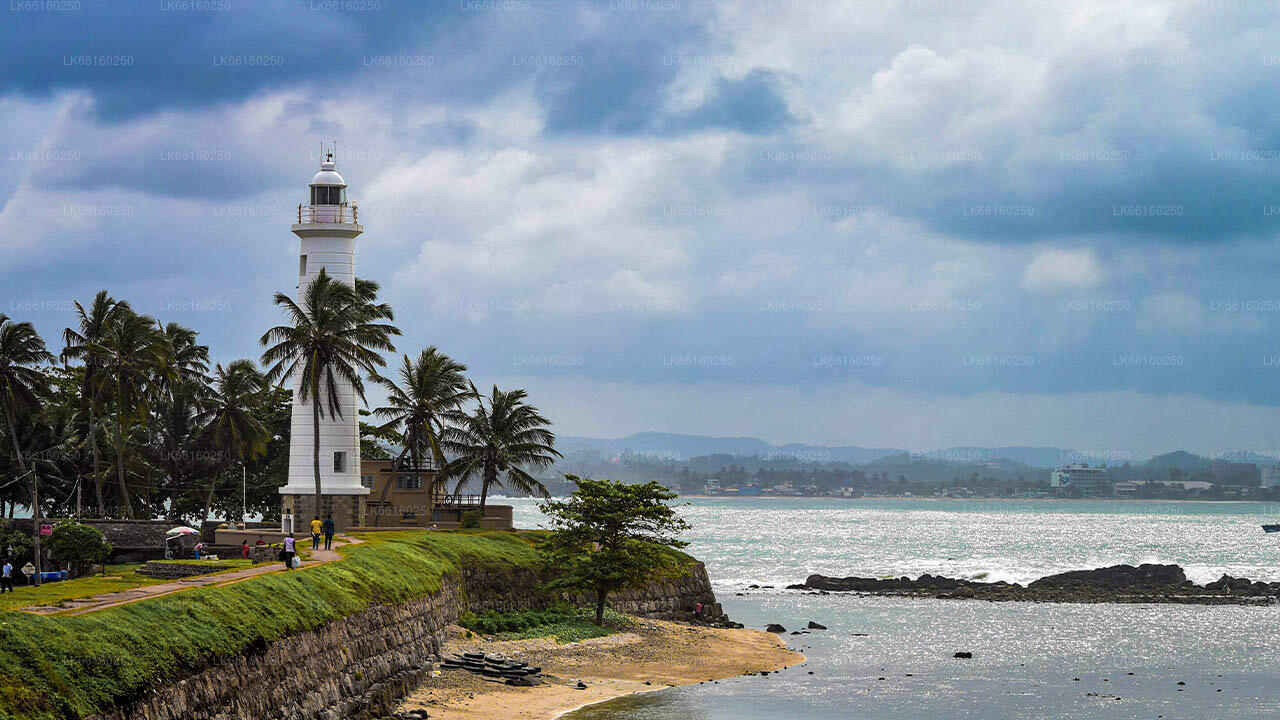
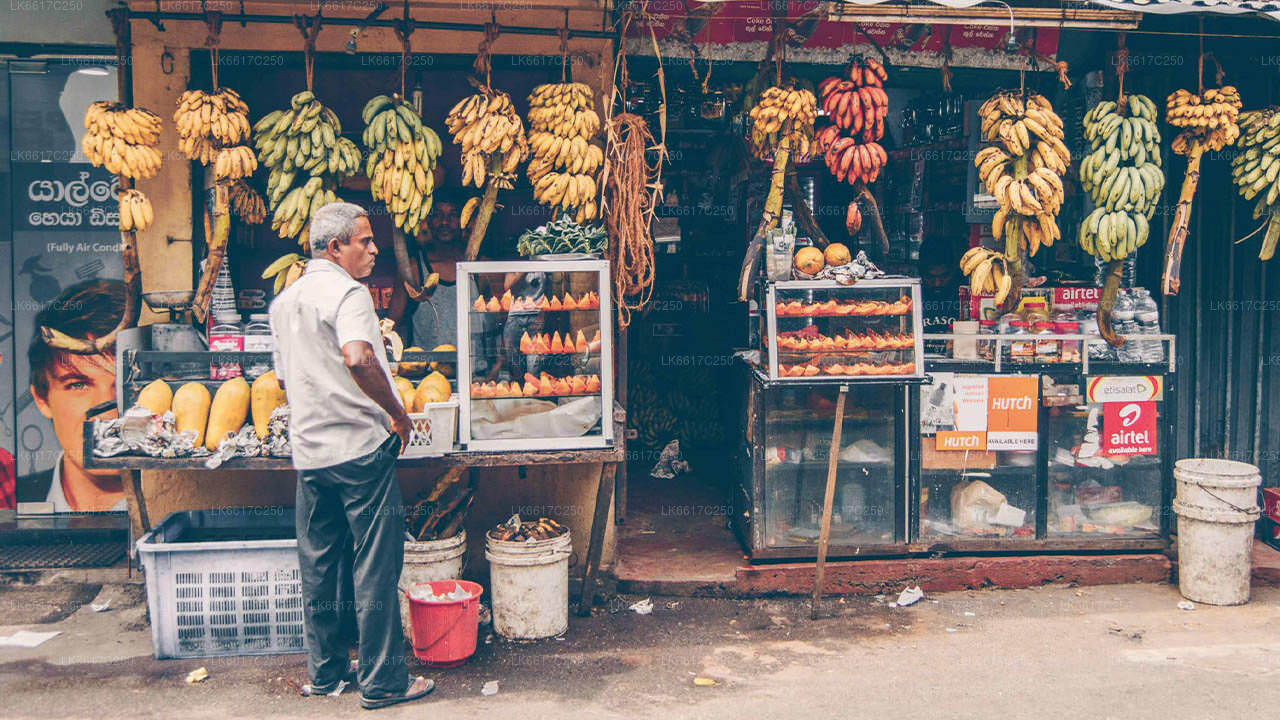
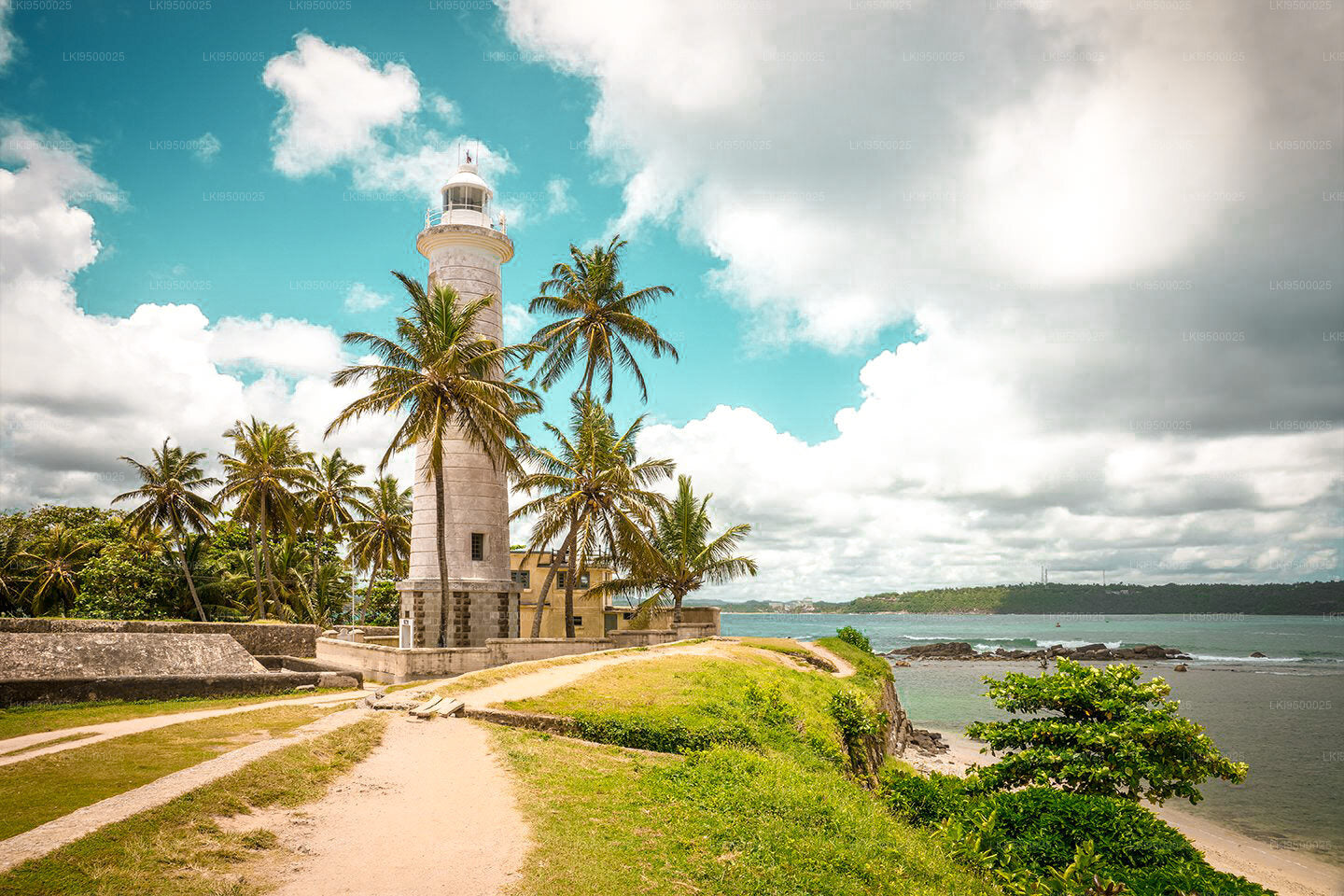
Sri Lanka'nın büyüleyici sahil şehri Galle, zengin bir tarihe ve canlı bir kültüre sahiptir. UNESCO Dünya Mirası Listesi'nde yer alan ikonik Hollanda Kalesi, sömürge etkisinin bir kanıtıdır. Galle'nin eski dünya cazibesi arasında, el değmemiş plajlarını keşfedin, kültürel festivallere katılın ve yerel lezzetlerin tadını çıkarın.
St. Joseph’s Chapel, located within Galle Fort, is a small yet significant place of worship that reflects the deep-rooted Catholic heritage within this historic area. The chapel is believed to have been established during the Dutch colonial period when Catholicism was introduced and spread by missionaries. While Galle Fort is primarily known for its Dutch Reformed Church, St. Joseph’s Chapel stands as a symbol of the enduring Catholic faith in the region.
Architecturally, St. Joseph’s Chapel is relatively modest compared to some of the grander churches in Sri Lanka, such as St. Mary’s Cathedral. However, its simple design and serene atmosphere offer a peaceful retreat for both worshippers and visitors exploring the fort. The chapel is a single-story structure with basic features such as wooden pews, a small altar, and simple stained-glass windows that lend it a quaint charm. The structure’s understated beauty reflects the humility and devotion of the local Catholic community that it serves.
One of the most striking aspects of St. Joseph’s Chapel is its proximity to other religious landmarks within Galle Fort, such as the Dutch Reformed Church and several Buddhist temples. This close proximity of different places of worship showcases the religious diversity that exists in Galle, making it a symbol of harmony and coexistence in the fort.
For visitors exploring the fort’s rich colonial history, St. Joseph’s Chapel offers a glimpse into the Catholic heritage of the area. Whether attending a quiet service or simply reflecting in the peaceful ambiance, tourists can appreciate the chapel’s role in maintaining the spiritual fabric of the Galle Fort community.
In summary, St. Joseph’s Chapel, though small and modest, is an important religious and historical site within Galle Fort, symbolizing the presence of Catholicism in this culturally diverse region.
Galle Bölgesi Hakkında Galle, Sri Lanka'nın güneybatı ucunda, Kolombo'ya 119 km uzaklıkta yer alan bir şehirdir. Galle, Avrupalılar tarafından Güney ve Güneydoğu Asya'da inşa edilmiş müstahkem bir şehrin en iyi örneğidir ve Avrupa mimari tarzları ile Güney Asya gelenekleri arasındaki etkileşimi göstermektedir. Galle Kalesi, bir dünya mirası alanıdır ve Avrupalı işgalciler tarafından inşa edilmiş Asya'daki en büyük kaledir. Galle, Sri Lanka standartlarına göre oldukça büyük bir kasabadır ve çoğunluğu Sinhala kökenli olan 91.000 kişilik bir nüfusa sahiptir. Ayrıca, özellikle kale bölgesinde, antik Galle limanına yerleşen Arap tüccarların soyundan gelen büyük bir Sri Lankalı Mağribi azınlık da bulunmaktadır. Güney Bölgesi Hakkında Sri Lanka'nın Güney Bölgesi, Galle, Matara ve Hambantota bölgelerinden oluşan küçük bir coğrafi alandır. Geçimlik tarım ve balıkçılık, bu bölge halkının büyük çoğunluğu için ana geçim kaynağıdır. Güney Bölgesi'nin önemli yapıları arasında Yala ve Udawalawe Milli Parkları'ndaki yaban hayatı koruma alanları, kutsal Kataragama şehri ve Tissamaharama, Kirinda ve Galle antik şehirleri yer alır. (Galle antik bir şehir olmasına rağmen, Portekiz işgalinden öncesine ait neredeyse hiçbir şey günümüze ulaşmamıştır.) Portekiz döneminde, Dickwella'dan Andare ve Matara Bölgesi'ndeki Denipitiya'dan Gajaman Nona adında, sıradan insanlar hakkında şiirler yazan iki ünlü Sinhalese şair vardı.