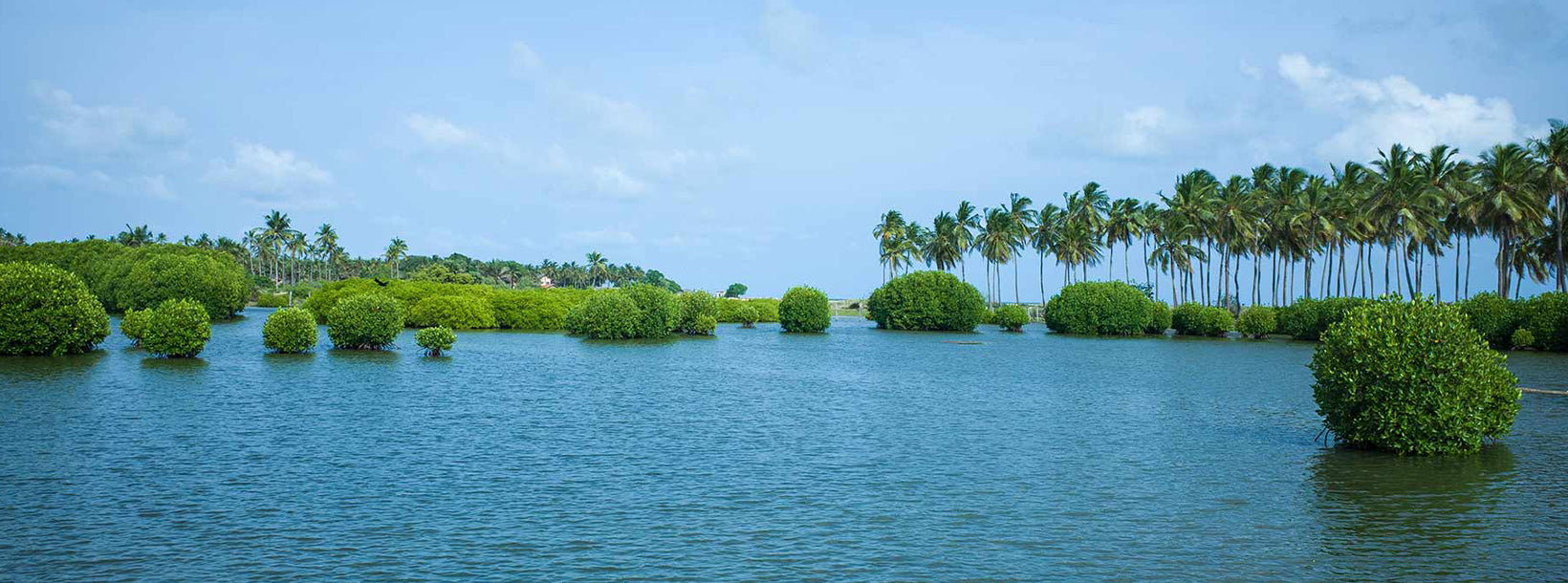
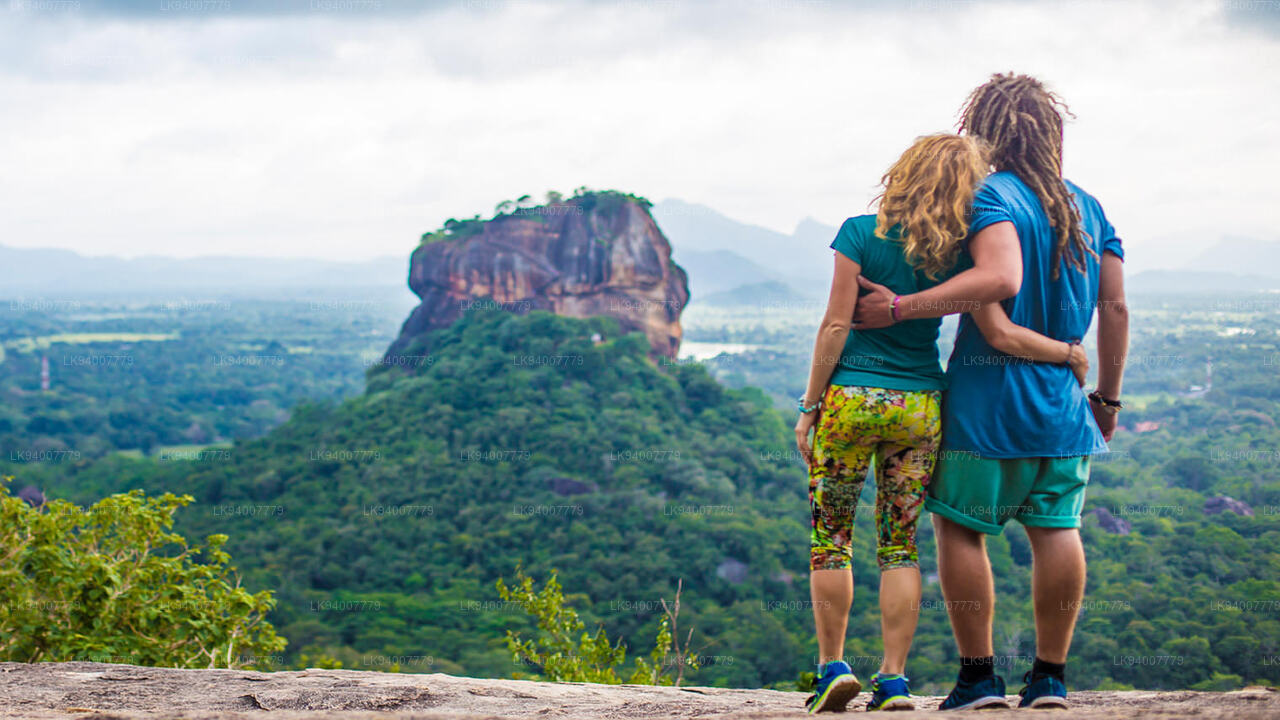
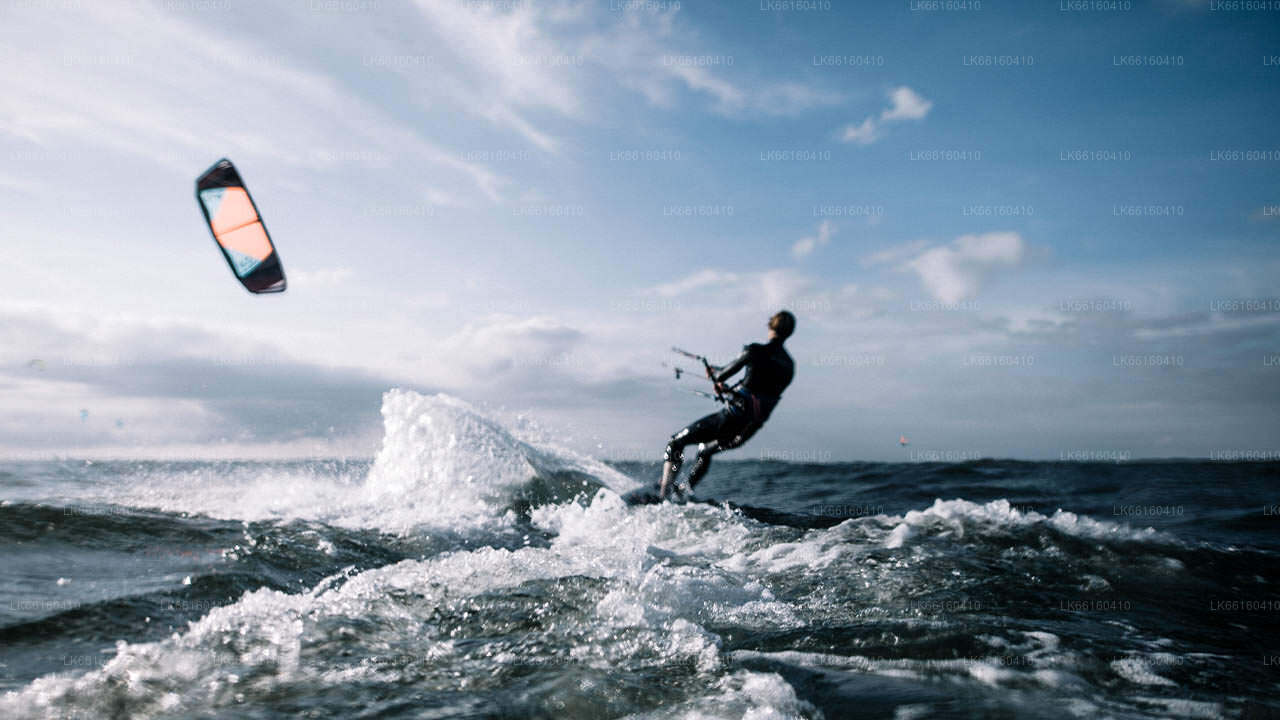
Kalpitiya is a picturesque peninsula on the northwest coast of Sri Lanka, renowned for its stunning beaches and water-based activities. It's a popular destination for kitesurfing, dolphin watching, and exploring the diverse marine ecosystem, including the Bar Reef Marine Sanctuary.
Kalpitiya Köyü: Kalpitiya köyü, Sri Lanka'nın kuzeybatı kıyısında yer alan Kalpitiya Yarımadası'nın kuzeyinde yer almaktadır.
Konum: Kalpitiya Yarımadası, batıda Hint Okyanusu ve doğuda geniş Puttalama Lagünü ile Sri Lanka'da yunusları görmek için en iyi yerdir.
Kalpitiya Yarımadası: Kalpitiya Yarımadası, batıda Hint Okyanusu ve doğuda geniş Puttalama Lagünü ile Sri Lanka'da yunusları görmek için en iyi yerdir.
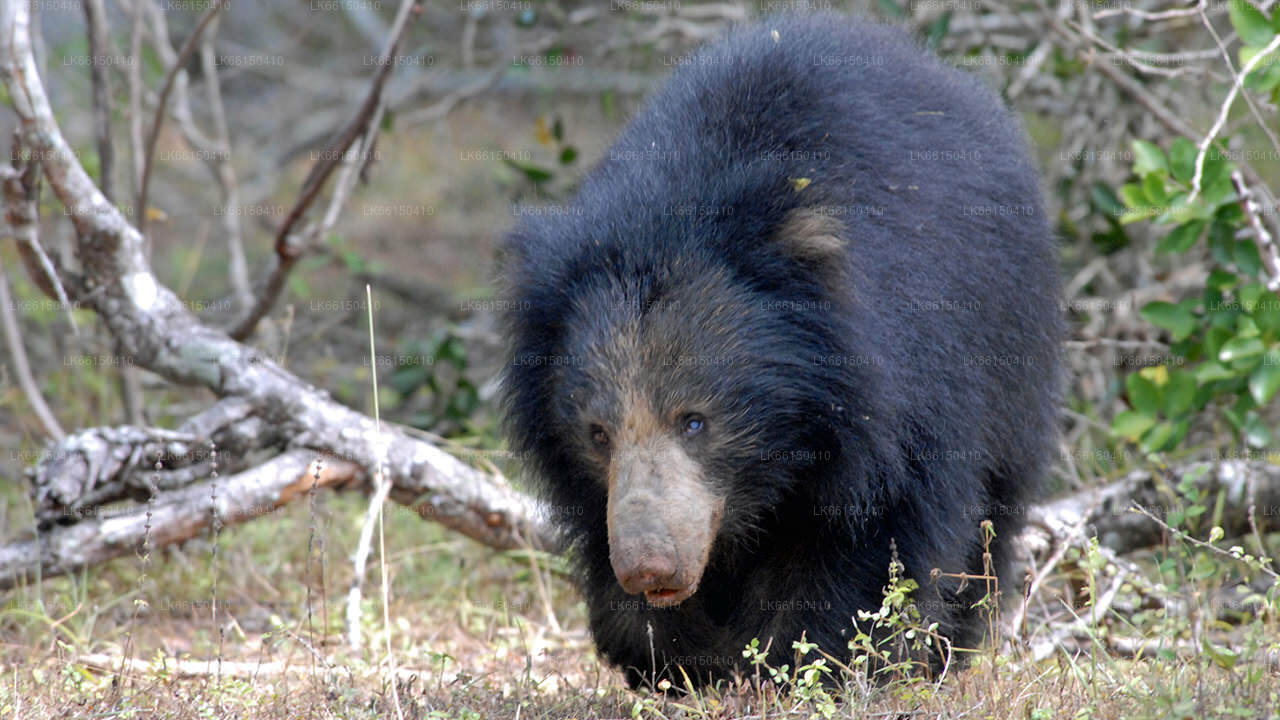
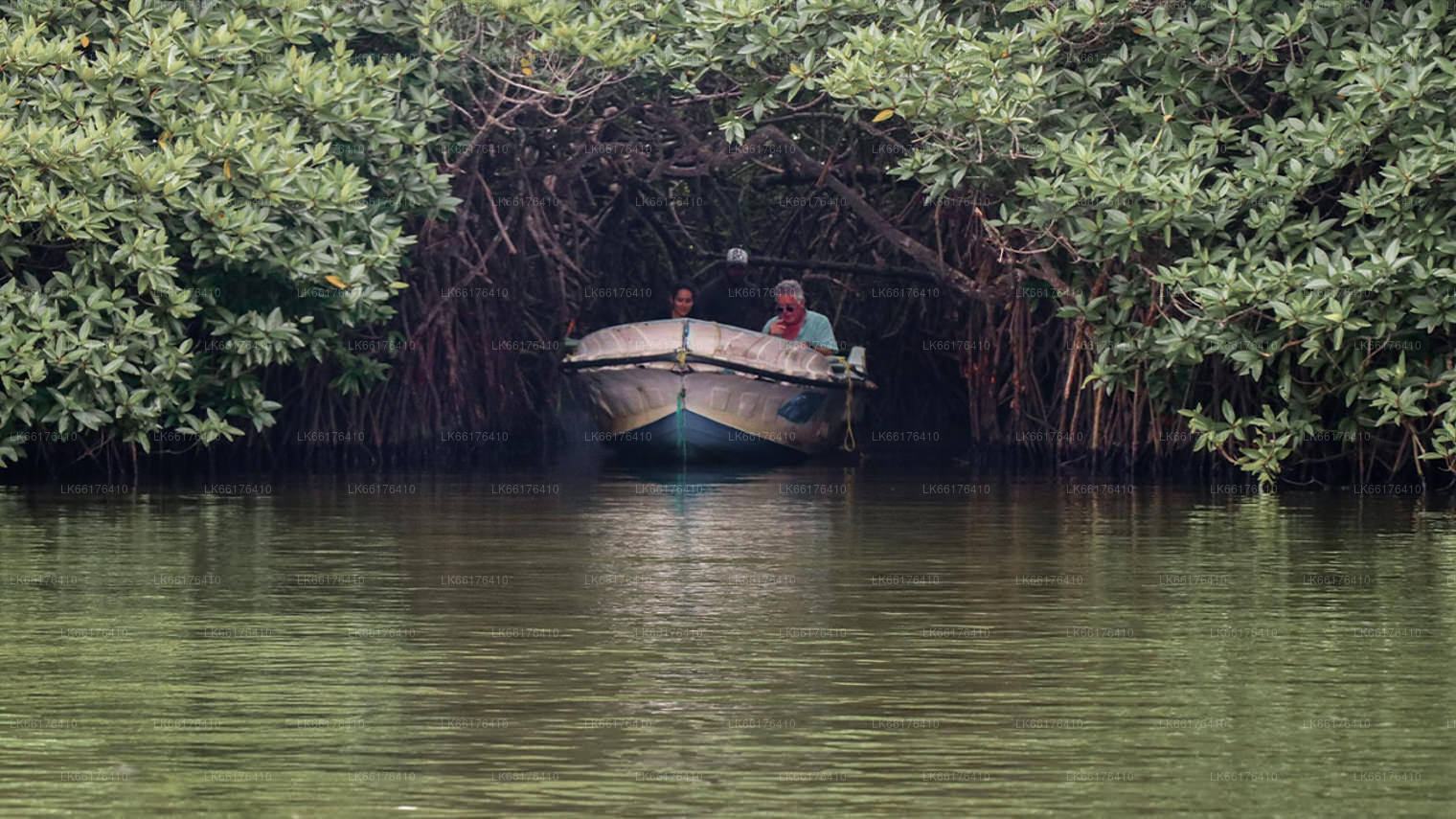
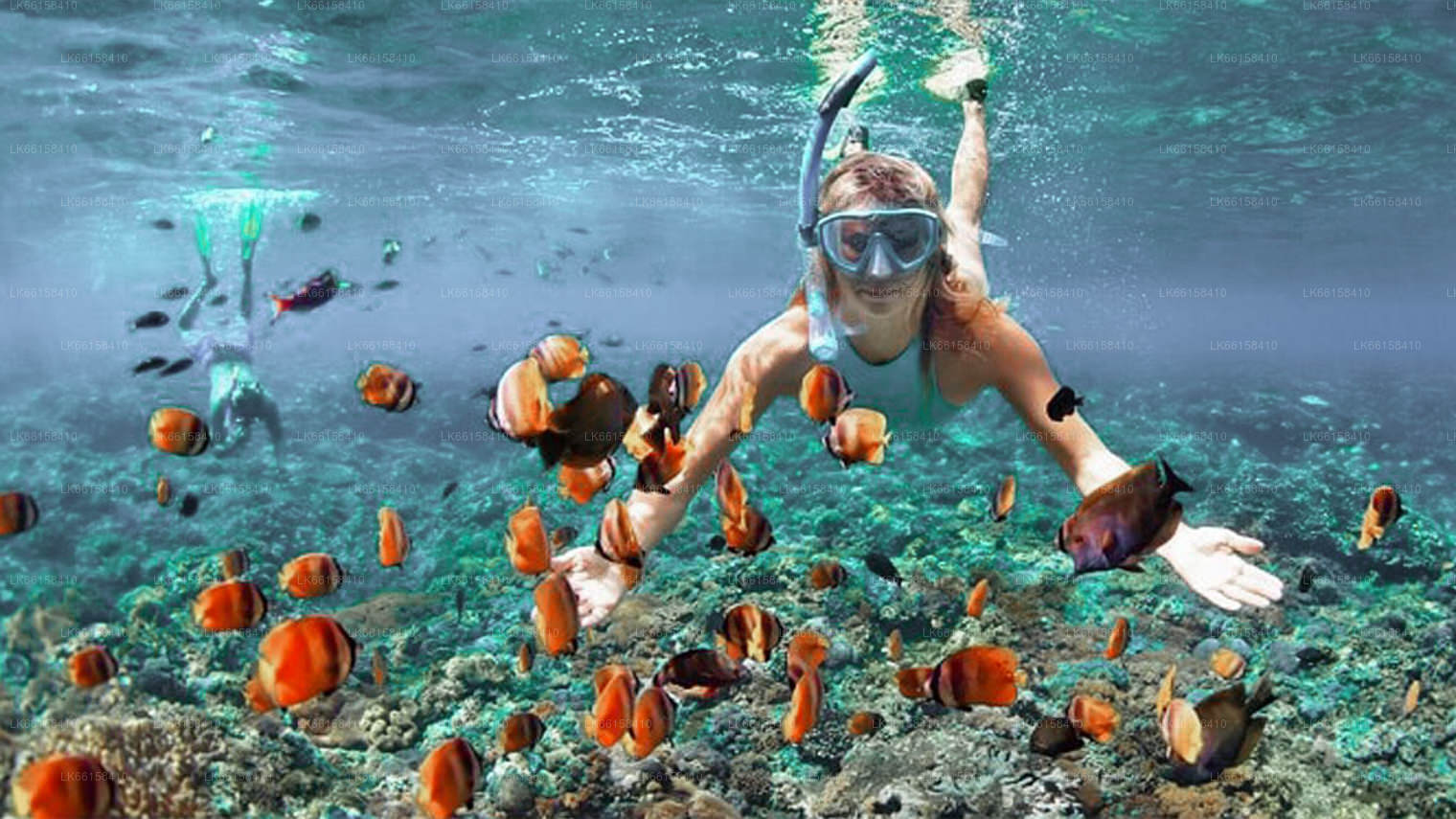
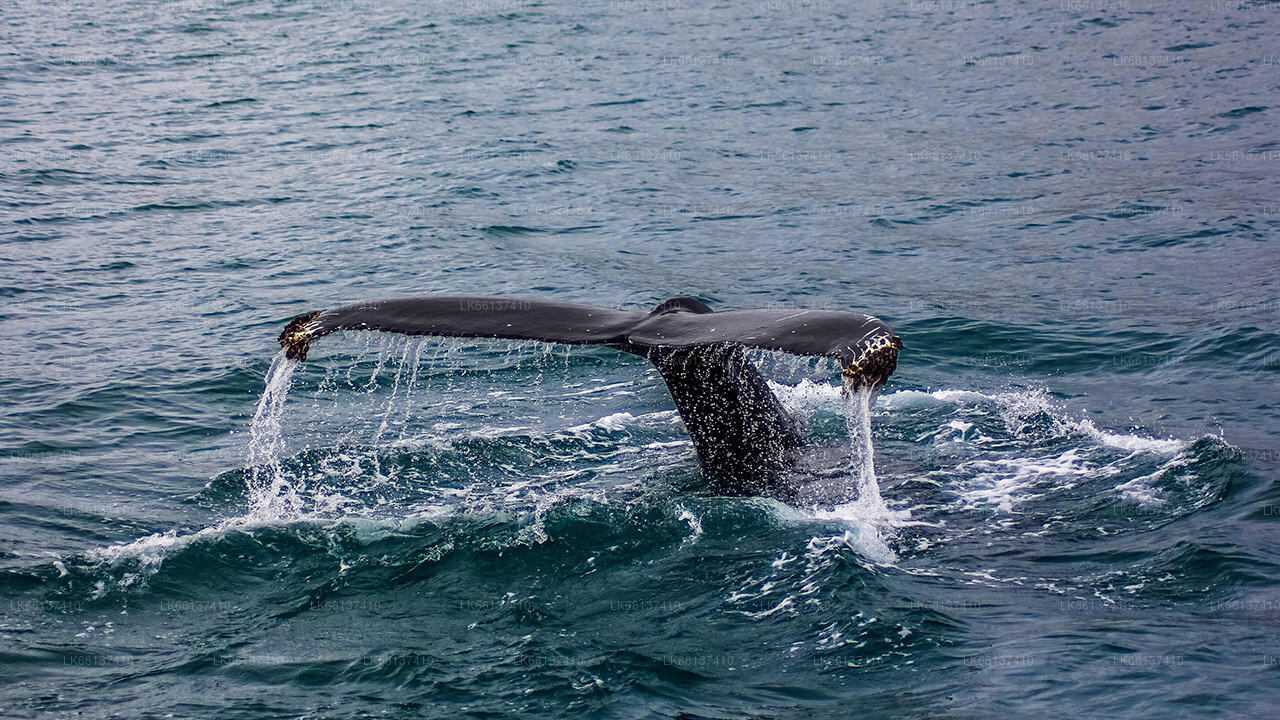
Kalpitiya Yarımadası'ndaki Biyoçeşitlilik: Kalpitiya Yarımadası, Bar Reef Deniz Koruma Alanı, lagünler, bakir ormanlar, fauna ve flora, mangrovlar, egzotik kuşlar, deniz kaplumbağaları, yunuslar ve balinalarla zengindir.
Kalpitiya Entegre Kalkınma Projesi: Kalpitiya Entegre Kalkınma Projesi (KITDP), gelişim planlarında birçok küçük adadan 14 bakir adayı, çevre dostu sürdürülebilir turizmi teşvik etmek için tatil köyleri olarak geliştirilmek üzere belirlemiştir.
Kalpitiya'dan Geziler: Kalpitiya Lagünü'nün Hollanda Koyu'nun karşısında, ana karada Sri Lanka'nın en büyük vahşi yaşam koruma alanı olan Willpattu Milli Parkı bulunmaktadır.
Puttalam is a town in Puttalam District,Sri Lanka. Situated at the apex of the Coconut triangle, Puttalam is the second largest Coconut producer of the country. And Tabbowa, a fertile land for agriculture records highest paddy production per acre.Puttalam is the main salt producer of the country. Holland fort at Kalpitiya, St. Anne's Church in Thalawila,Munneshwaram Kovil in Chilaw and Mohideen Jumma Mosque (known as Grand Mosque) in Puttalam underline the historical importance of this region.
North Western Province
North Western Province is a province of Sri Lanka. The districts of Kurunegala and Puttalam formulate North Western or Wayamba. Its capital is Kurunegala, which has a population of 28,571. The province is known mainly for its numerous coconut plantations. Other main towns in this province are Chilaw (24,712) and Puttalam (45,661), which are both small fishing towns. The majority of the population of Wayamba province is of Sinhalese ethnicity. There is also a substantial Sri Lankan Moor minority around Puttalam and Sri Lankan Tamils in Udappu and Munneswaram. Fishing, prawn farming and rubber tree plantations are other prominent industries of the region. The province has an area of 7,888 km² and a population of 2,184,136 (2005 calculation).
Wayamba is the third largest paddy producing area in Sri Lanka .Wayamba has a highly developed agricultural economy, growing a variety of fruits and vegetables, flowering plants, spices, oil-seeds in addition to the traditional plantation crops such as Coconut, Rubber and Rice. Rich soils and varied climate give Wayamba a potential for growing of virtually any crop.
In Wayamba or North Western province, home for ancient Buddhist rock temples, magnificent citadels Panduwasnuwara, Dambadeniya, Yapahuwa and Kurunegala. Impressive remains of those citadels, palaces, Buddhist temples and monasteries provide exciting sight seeing to the visitors.