Shankari Devi Shakthi Peetam

Shankari Devi Shakthi Peetam Shankari Devi Shakthi Peetam Shankari Devi Shakthi Peetam

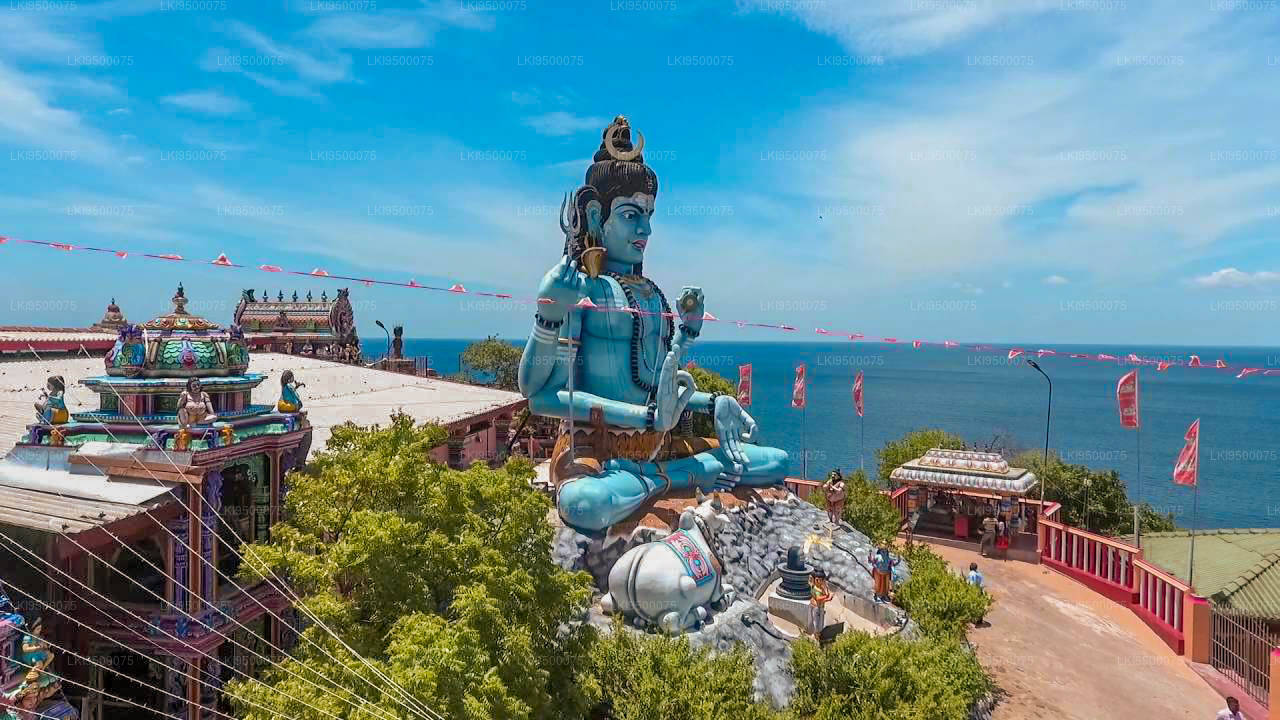
Shankari Devi temple in Tricomalee, Srilanka is a prominent temple for Hindus. But, it is most rarely visited and it is very least popular in all AstavaDasha Shakti peethas. Shanakri Devi Temple is situated in an east coast town of Srilanka, Tricomalee (Tri – Cona – Malai = a triangular hill).

Along with the temple of Shaankari Devi, there is a temple of Lord Shiva – TRIKONESHWARA Temple.

Portuguese people demolished these temples in 17th century.

About Temple

Koneswaram temple also Thirukoneswaram is a Hindu temple which is located in the town Trincomalee, Sri Lanka. It is dedicated to main deity in Shaivism namely Lord Siva and is one of the five ancient Sivan templearound the island.

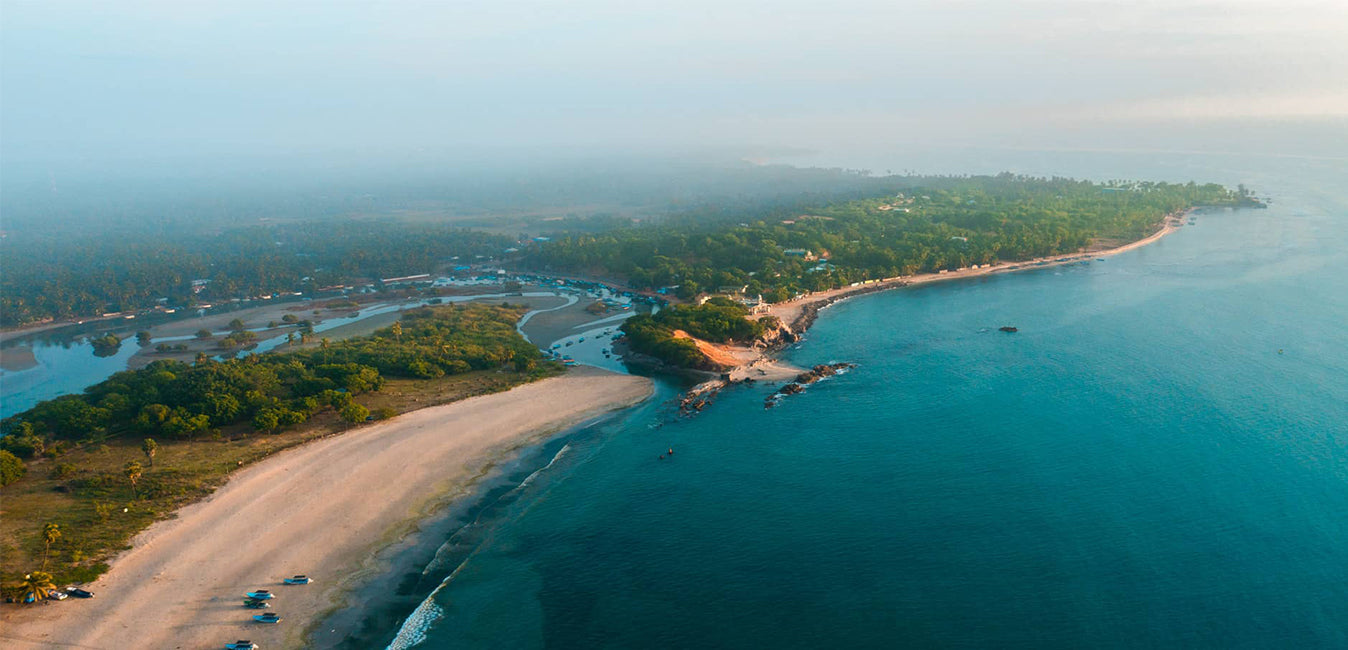
Trincomalee is a natural deep-water harbor that attracted great sea farers like Marco Polo, Ptolemy and sea traders from China and East Asia from the ancient times. The local name Thirukonamalai means "Holy East Hill". Kona is a derivative of the 1st Century Tamil word Kuna meaning East. Trinco as it is commonly called has been a sea port since the days of the ancient Kings and one of the British Empire's most important ports in Asia during the second world war. From 1941-45, Trinco had been the headquarters of Lord Louis Mountbatten Allied Southeast Asia commander. The Koneswaram temple is believed to have been a major religious shrine since before the arrival of Prince Vijaya 2500 years ago. Many inscriptions found in the surrounding area speak of Indian Pallava, Chola and even Pandya kings making contributions to the upkeep of the temple indicating an origin in antiquity. Local legend has it that it was renovated by a Tamil Chola king from South India named Kulakottan. This temple is one of the four important Saivite temple connected to the revival of Hinduism in Sri Lanka. The other three temples are situated in Ketheeswaram, Munneswaram and Galle

There is evidence that indicates at least some of the later Sinhalese Buddhist kings too maintained the temple although Buddhist King Mahasena was reported to have destroyed it and built a Buddhist temple and Dagoba in its place.

This shrine was demolished in 1622 by the Portuguese (who called it the Temple of a Thousand Columns), who fortified the heights with the materials derived from its destruction. Some of the artefacts from the demolished temple were kept in the Lisbon Museum. The stone inscription by Kulakottan has a dual fish emblem and is engraved with a prophesy stating that after 1500s, westerners with different eye colors will rule the country for the ensuing 500 years and at the end of it, the rule will revert back to Vadugus. Trincomalee was next held by the Dutch and subsequently by them and the French alternately, till the capture of Sri Lanka by the British in 1795.

The hill face is rugged and is called 'Ravanan Veddu'. As Trinco is full of seismic and volcanic activity as seen in Kanniya Hot Springs area, this rugged face of rock is a reminder of the movement of Earth's crust in this ar

Trincomalee Bölgesi Hakkında

Trincomalee, Sri Lanka'nın doğu kıyısındaki bir liman kentidir. Trincomalee Körfezi limanı, büyüklüğü ve güvenliğiyle ünlüdür; Hint Denizi'ndeki diğer limanlardan farklı olarak, her türlü hava koşulunda her türlü tekneye açıktır. Plajlar sörf, tüplü dalış, balıkçılık ve balina gözlemciliği için kullanılır. Şehir ayrıca Sri Lanka'daki en büyük Hollanda kalesine de ev sahipliği yapar. Büyük Sri Lanka deniz üslerine ve bir Sri Lanka Hava Kuvvetleri üssüne ev sahipliği yapar.

Tamil ve Sinhalaların çoğu, bu yerin kendileri için kutsal olduğuna ve bölgenin yerli halkı olduklarına inanır. Trincomalee ve çevresinde hem Hindu hem de Budist tarihi öneme sahip alanlar bulunur. Bu alanlar Hindular ve Budistler için kutsaldır.

Doğu Bölgesi Hakkında

Doğu Bölgesi, Sri Lanka'nın 9 bölgesinden biridir. Eyaletler 19. yüzyıldan beri varlığını sürdürüyordu, ancak 1978 Sri Lanka Anayasası'nın 13. Ek Maddesi ile eyalet konseylerinin kurulduğu 1987 yılına kadar yasal statüleri yoktu. 1988 ile 2006 yılları arasında eyalet, geçici olarak Kuzey Eyaleti ile birleştirilerek Kuzey Doğu Eyaleti oluşturuldu. Eyaletin başkenti Trincomalee'dir. Doğu Eyaleti'nin nüfusu 2007 itibarıyla 1.460.939'du. Eyalet, Sri Lanka'nın hem etnik hem de dini açıdan en çeşitli eyaletidir.

Doğu Eyaleti'nin yüzölçümü 9.996 kilometrekaredir (3.859,5 mil kare). Eyalet, kuzeyde Kuzey Eyaleti, doğuda Bengal Körfezi, güneyde Güney Eyaleti ve batıda Uva, Orta ve Kuzey Orta eyaletleriyle çevrilidir. İlin kıyı şeridi lagünlerle kaplıdır; bunların en büyükleri Batticaloa Lagünü, Kokkilai Lagünü, Upaar Lagünü ve Ullackalie Lagünü'dür.