Lakpura
Lakpura®

Vernonia arborea var. javanica


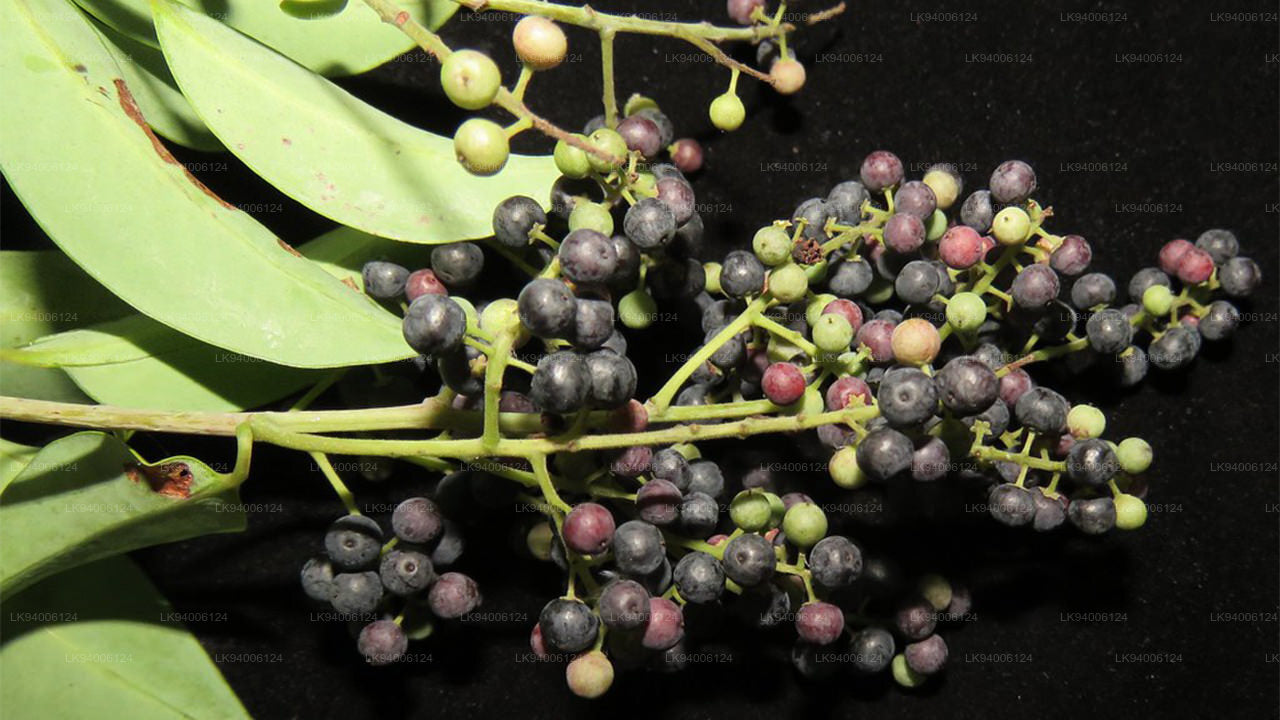
Vernonia arborea var. javanica is a medium to large deciduous tree belonging to the family Asteraceae (formerly Compositae). It is recorded in Sri Lanka's catalogue of ayurvedic medicinal plants and grows across tropical and subtropical forests throughout South and Southeast Asia, including the lowland and mid-elevation forests of Sri Lanka. The species is valued both ecologically and in traditional medicine systems.

What is Vernonia arborea var. javanica?

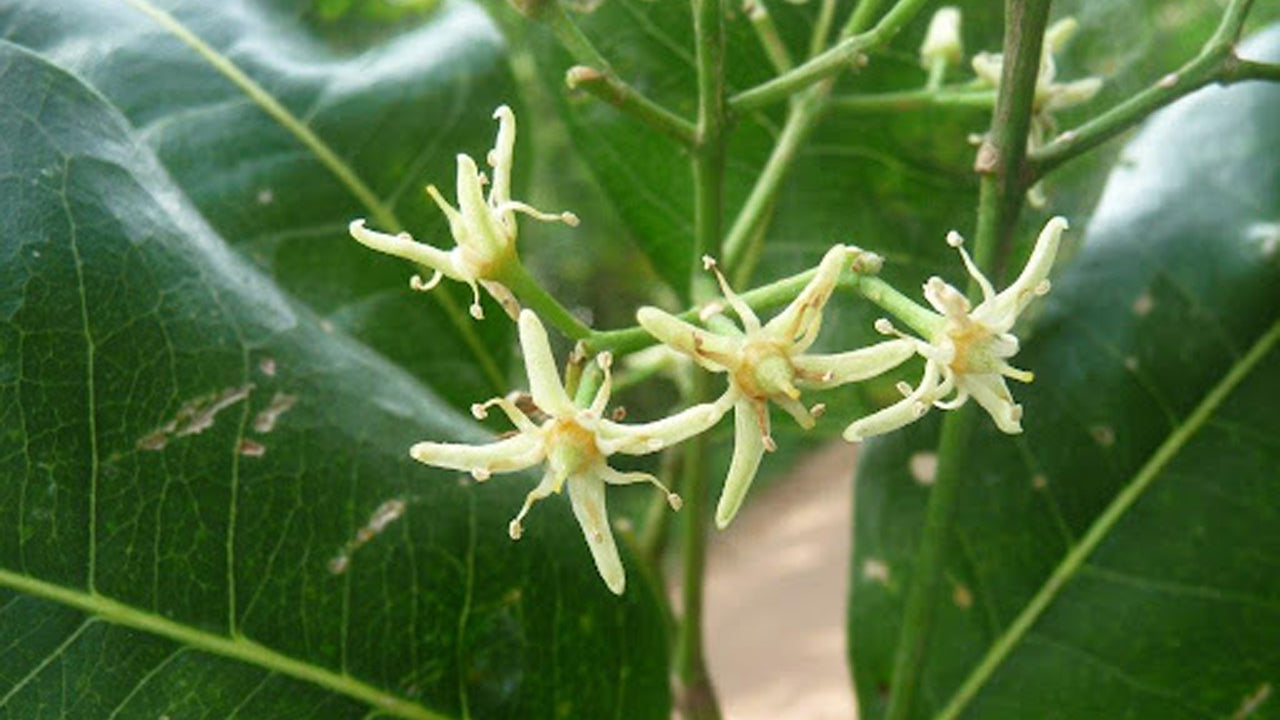
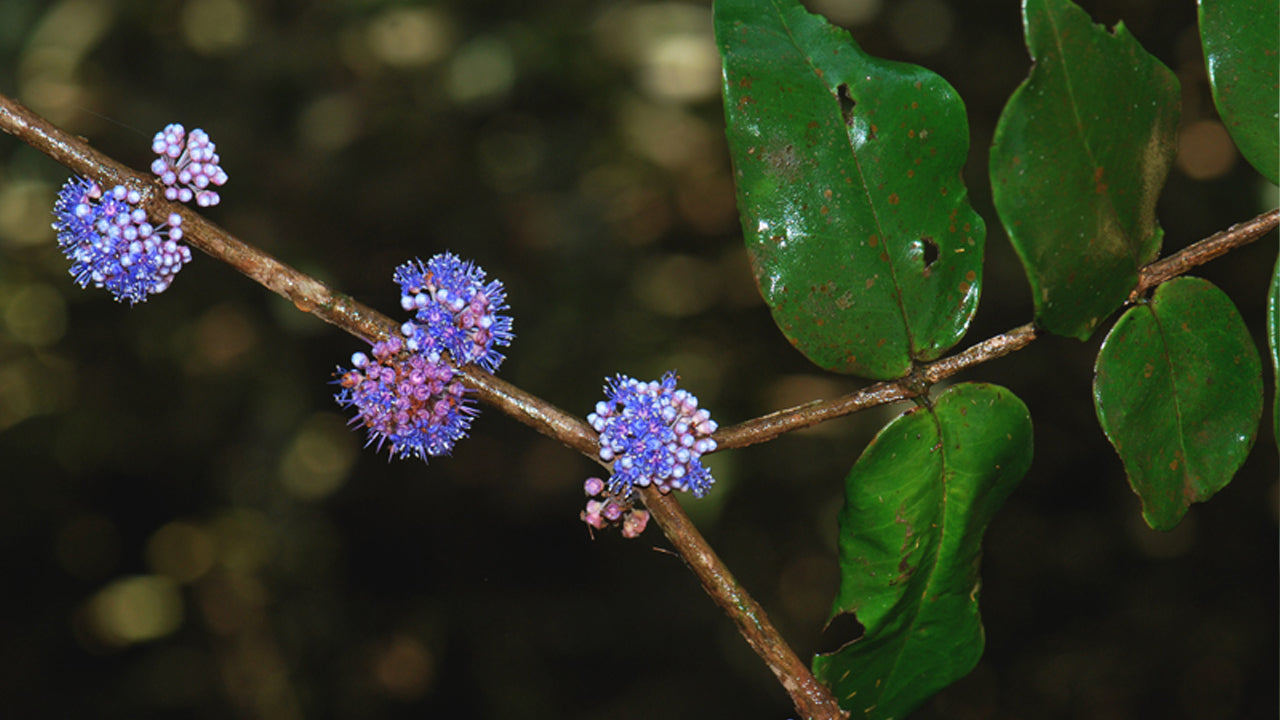
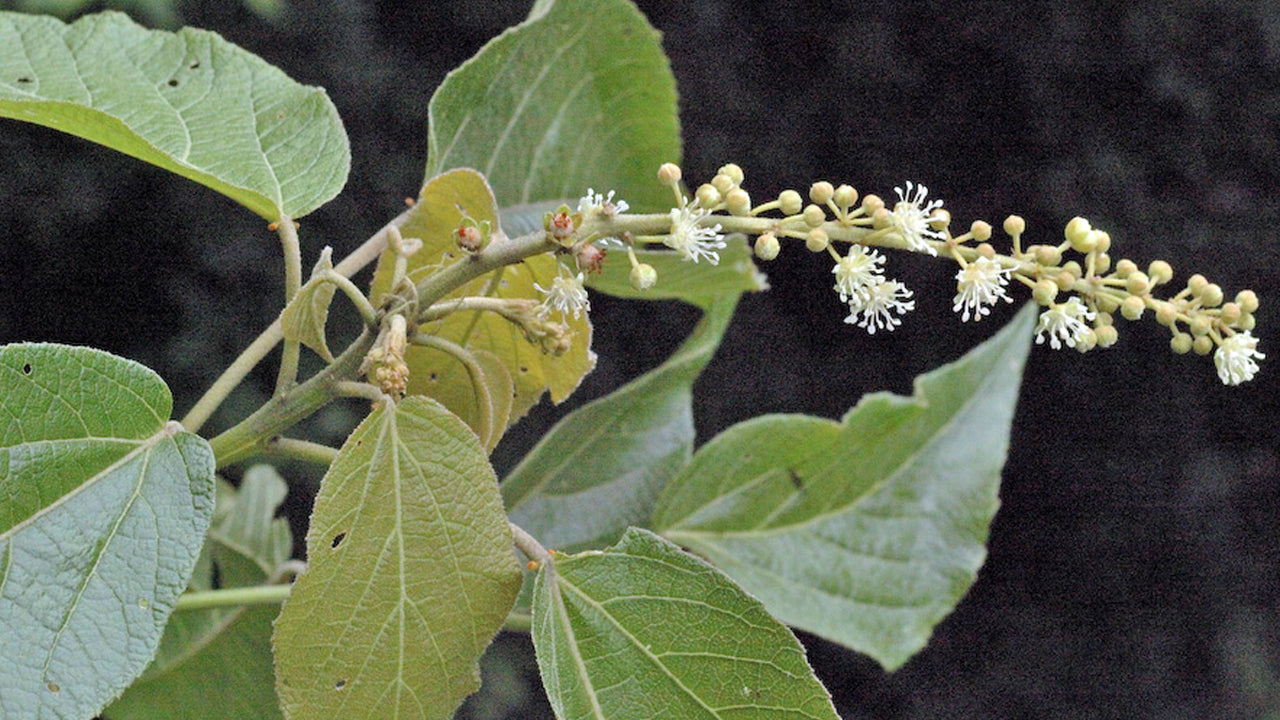
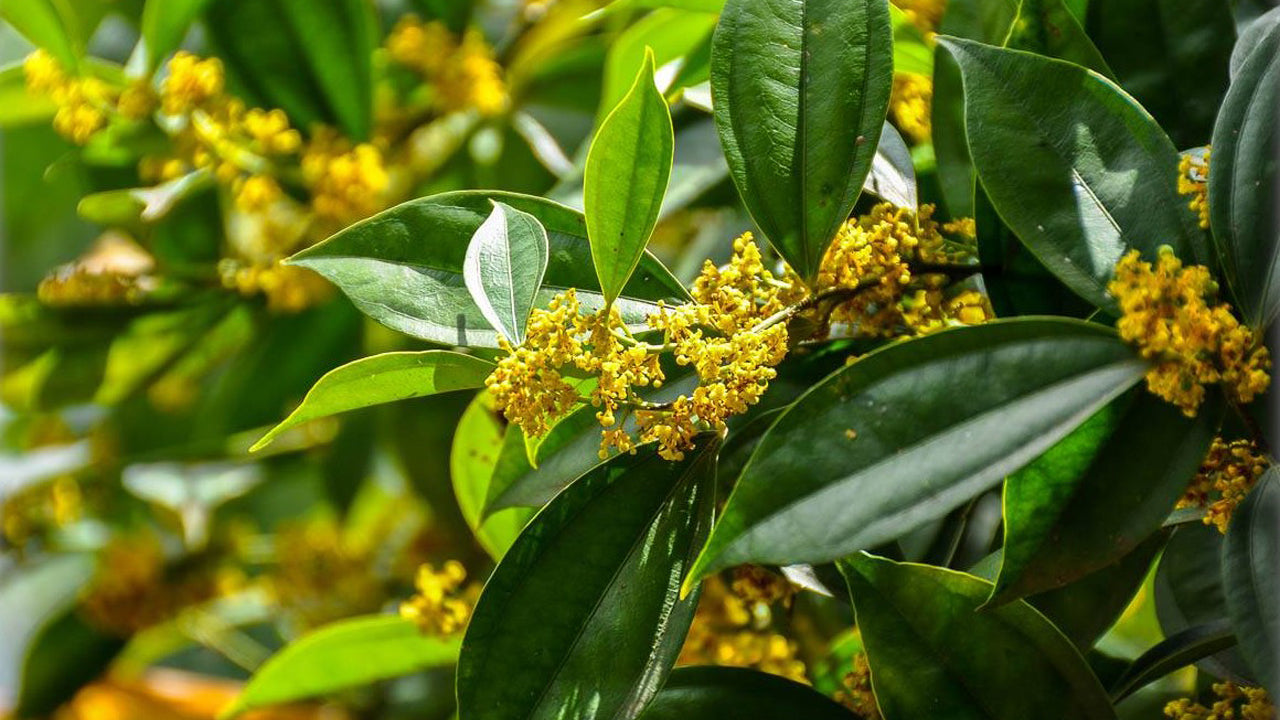
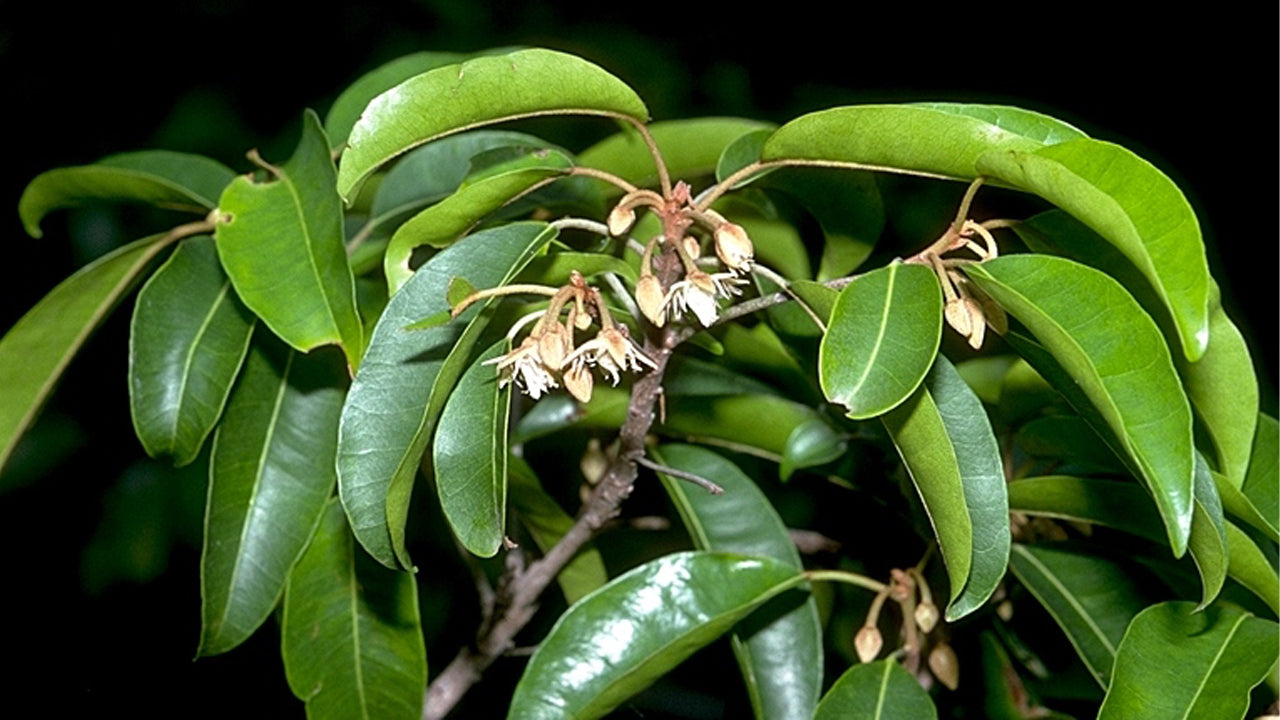
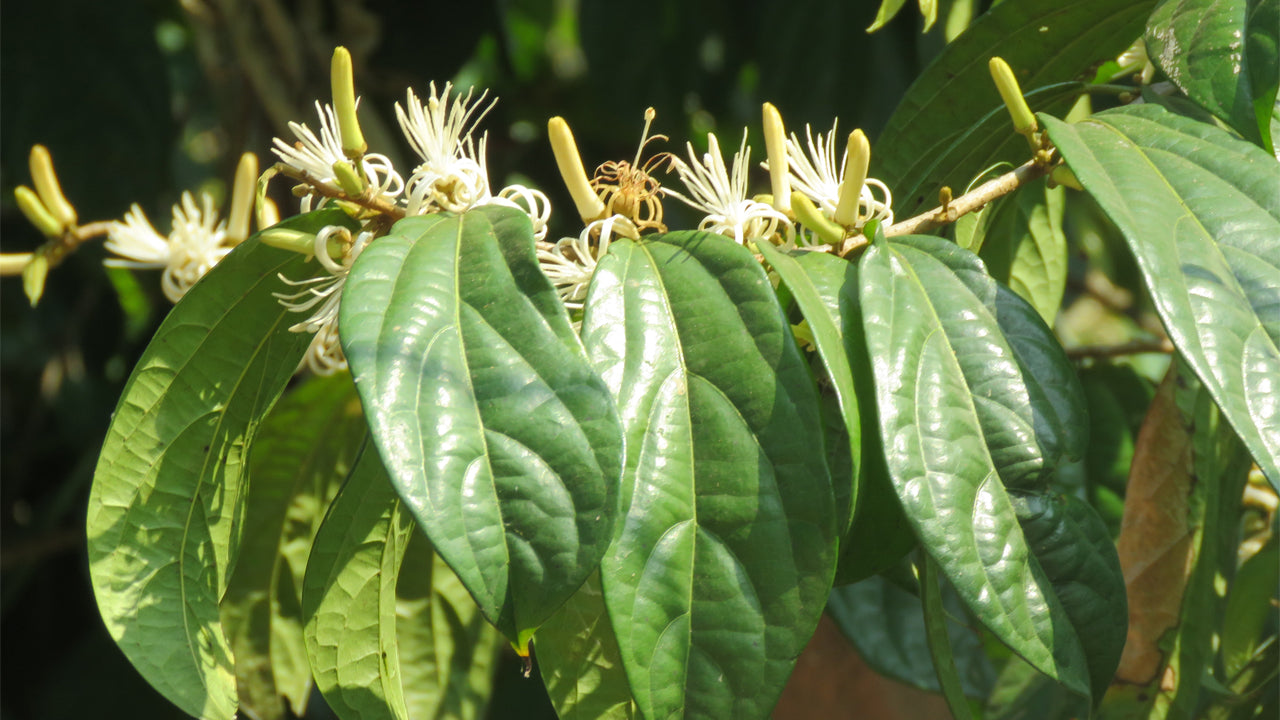
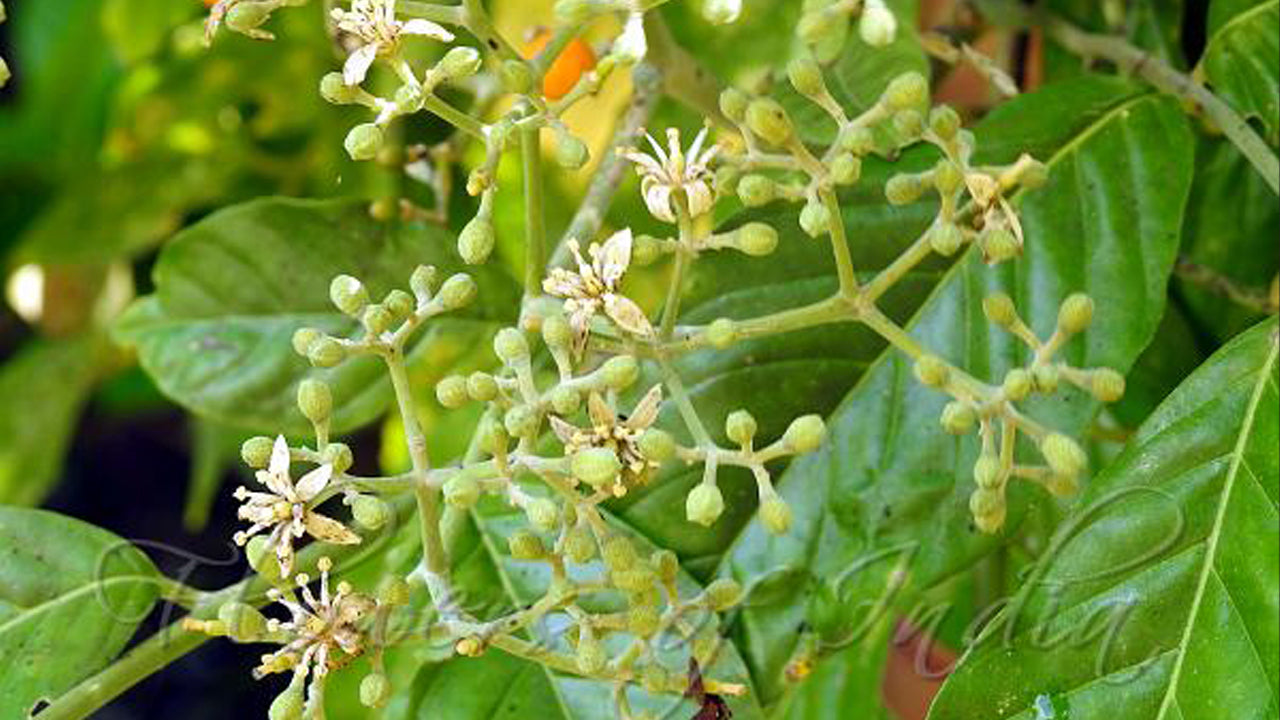
Vernonia arborea is commonly known as the white-flowered tree vernonia. The variety javanica is a botanical subdivision recognised for particular morphological traits found across its Javan and Sri Lankan populations. Like other members of the Vernonia genus, this tree produces clusters of small, white to pale-purple composite flowers that attract a range of pollinating insects.

In Sri Lanka, the tree is associated with secondary forests, forest margins, and disturbed habitats. It can grow rapidly in clearings and is sometimes found alongside other medicinal trees such as Acacia chundra, contributing to the structural diversity of mixed forest patches.

What are the traditional and medicinal uses of this plant?

Within the Ayurvedic tradition practised in Sri Lanka, several species of the Vernonia genus have documented medicinal applications. Parts of the plant — including bark, leaves, and roots — have historically been used in formulations targeting inflammatory conditions, skin disorders, and digestive complaints.

It is important to note that traditional uses documented in Ayurvedic texts should be understood in their cultural and historical context. Any therapeutic application should be guided by a qualified Ayurvedic practitioner. Sri Lanka maintains an active body of research into its native medicinal flora, with institutions such as the Gampaha Wickramarachchi Ayurveda Institute contributing to documentation efforts.

Where does Vernonia arborea var. javanica grow in Sri Lanka?

The species is generally found in the wet and intermediate climatic zones of Sri Lanka, particularly in lowland and lower montane forest areas. It favours well-drained soils and is tolerant of secondary growth conditions, making it relatively resilient in landscapes that have experienced some degree of human disturbance.

Forest reserves that support diverse native flora — such as the Sinharaja Forest Reserve, a UNESCO World Heritage site — provide habitat for a wide range of medicinal plant species including members of the Vernonia genus. Sinharaja in particular remains one of the most important repositories of Sri Lanka's endemic and indigenous plant life.

How is this species classified botanically?

  • Kingdom: Plantae
  • Family: Asteraceae
  • Genus: Vernonia
  • Species: Vernonia arborea
  • Variety: javanica
  • Common growth form: Deciduous tree
  • Distribution: South Asia, Southeast Asia; recorded in Sri Lanka

How does Vernonia arborea fit into Sri Lanka's Ayurvedic heritage?

Sri Lanka has one of the world's oldest living traditions of Ayurvedic medicine, with knowledge systems developed over more than two millennia. The island's biodiversity — encompassing thousands of flowering plant species — has made it a particularly rich source of herbal ingredients. Plants such as Pongamia pinnata and Syzygium aromaticum illustrate the breadth of Sri Lanka's medicinal flora, and Vernonia arborea var. javanica is one of many species catalogued as part of ongoing efforts to preserve this botanical knowledge.

Formal documentation of medicinal plants in Sri Lanka is carried out by government bodies, Ayurvedic research institutions, and academic herbaria. These catalogues serve as reference resources for practitioners, researchers, and conservation planners alike.

Is Vernonia arborea var. javanica of conservation concern?

While this variety is not currently listed among Sri Lanka's most critically threatened species, the broader pressure on tropical forest ecosystems means that native medicinal trees benefit from habitat protection. Deforestation, land conversion, and invasive species continue to reduce the range of many native plants across the island's wet zone.

Conservation of forest habitats — including protected reserves and community-managed forests — directly supports the survival of species like Vernonia arborea var. javanica. Visitors interested in Sri Lanka's native ecosystems may find that guided visits to protected areas offer valuable context for understanding the island's plant diversity within its ecological setting.

Can visitors learn about Sri Lanka's medicinal plants during a trip?

Several Sri Lankan experiences are designed to introduce visitors to the island's rich herbal and Ayurvedic traditions. Village tours, spice garden visits, and rainforest walks — particularly in the wet zone — often include introductions to native medicinal plants in their natural habitat. The Makandawa Rainforest near Kithulgala is one accessible location where forest guides regularly point out native flora, including medicinal species.

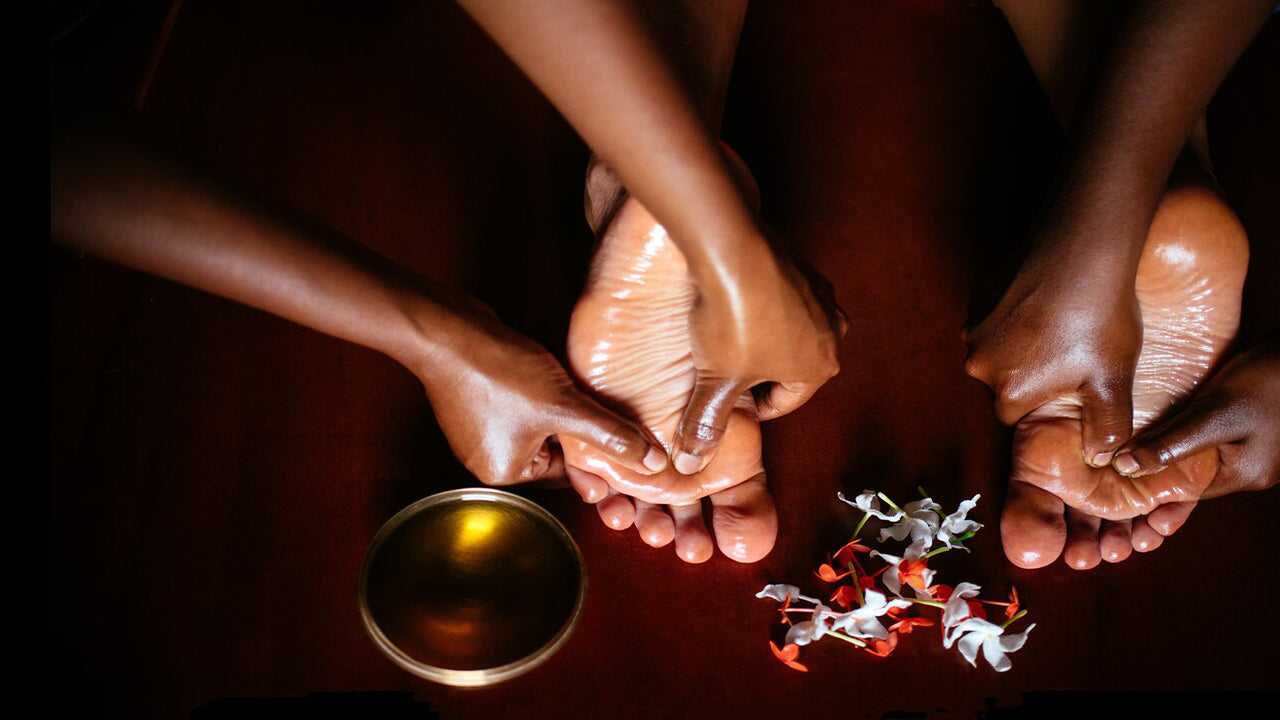
Ayurvedic wellness retreats and botanical garden tours are also widely available across Sri Lanka and can be arranged to suit both short stopovers and longer itineraries.

Book this experience with Lakpura

Curated by our local team. Direct booking, instant confirmation.

Ask Lakpura® Agent