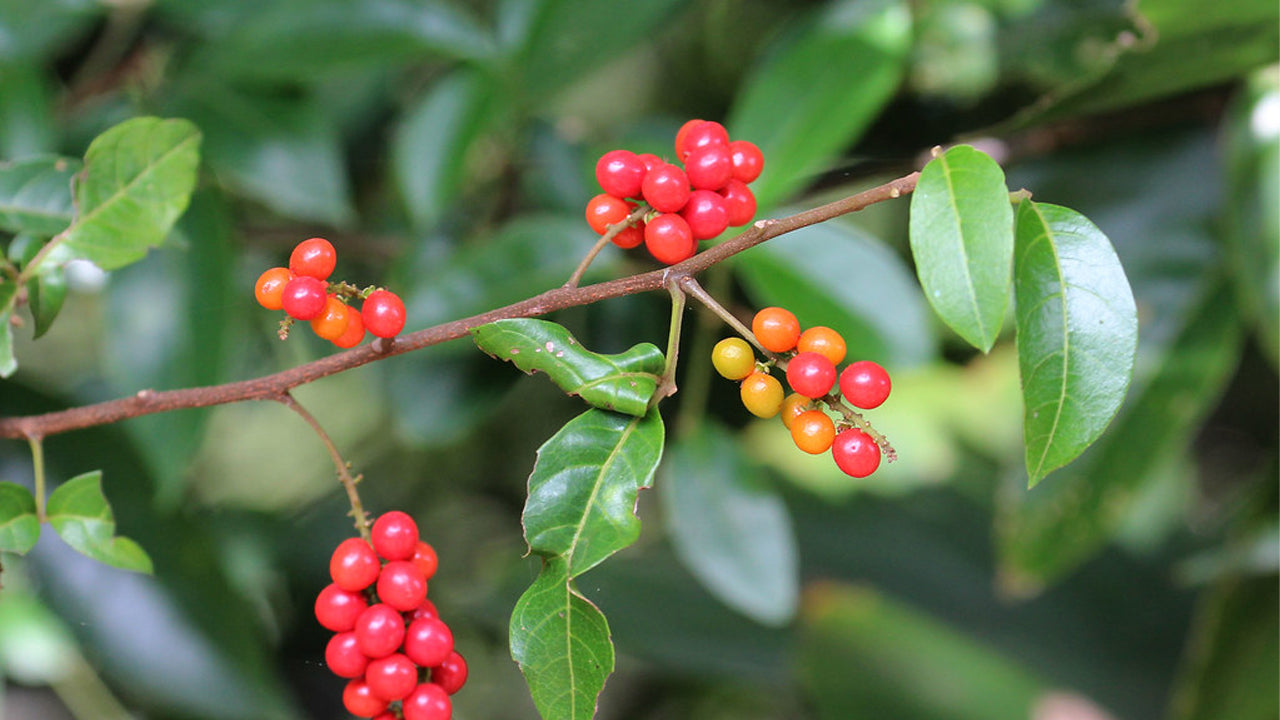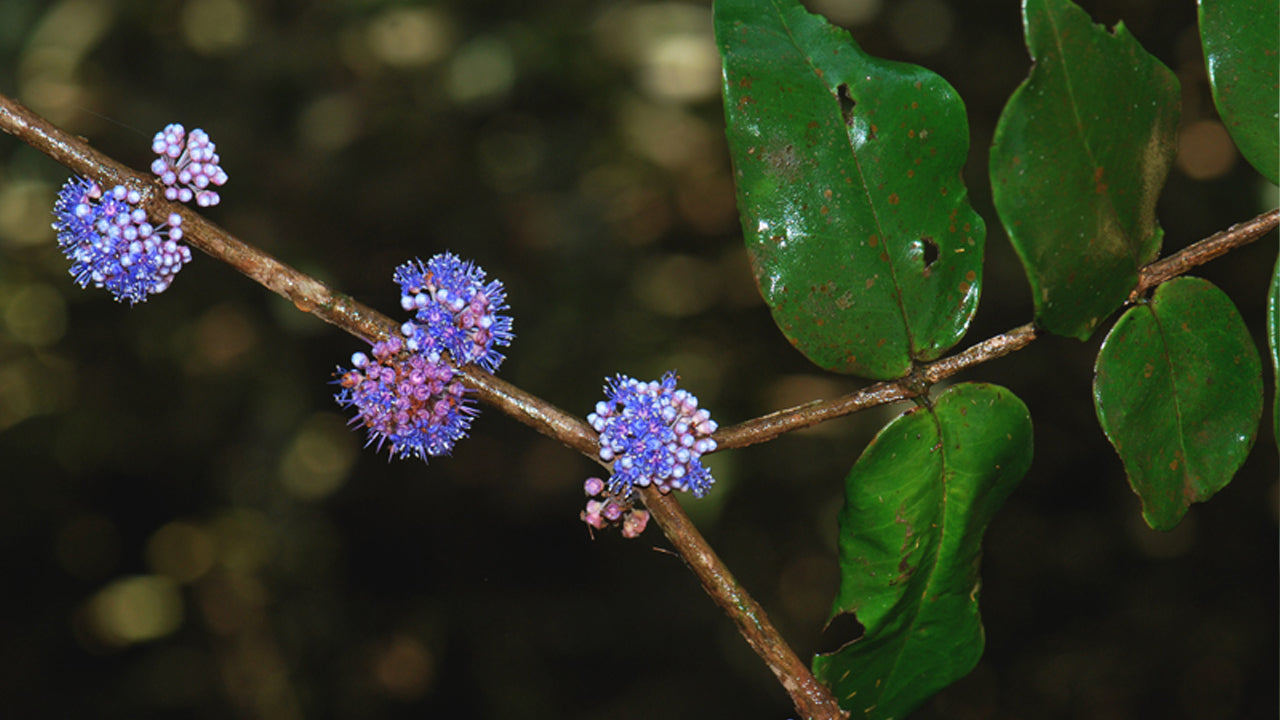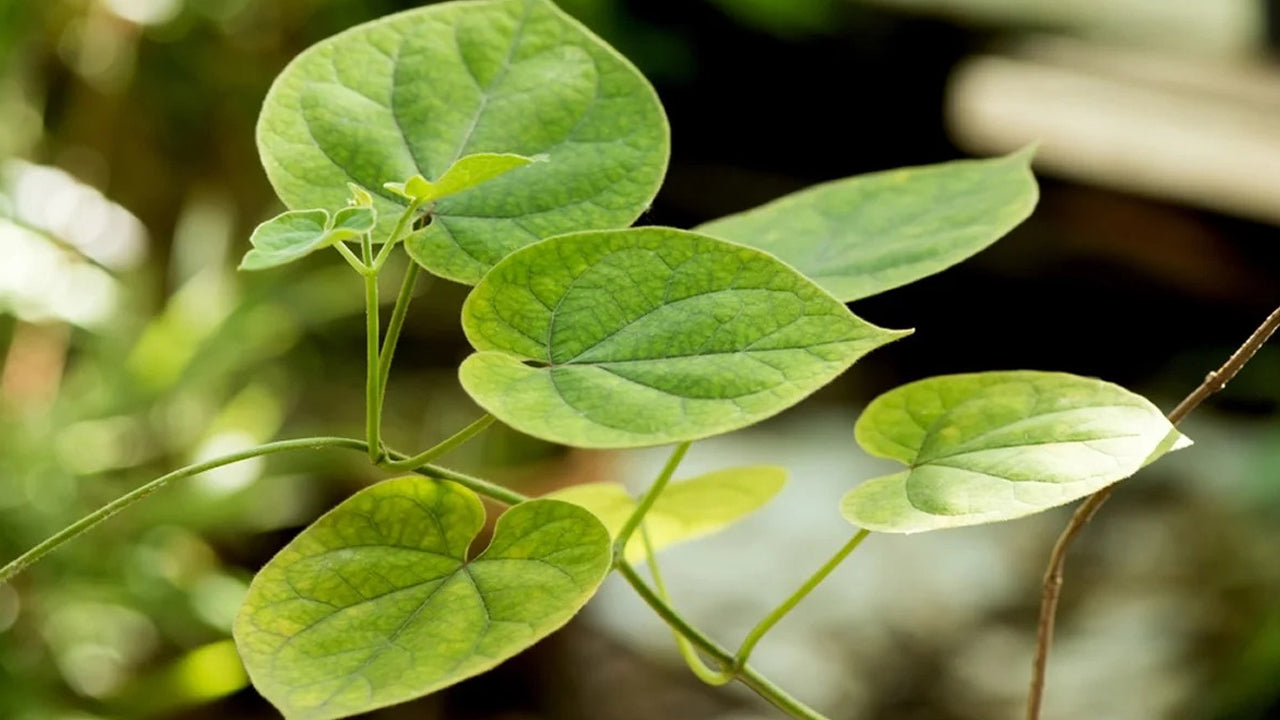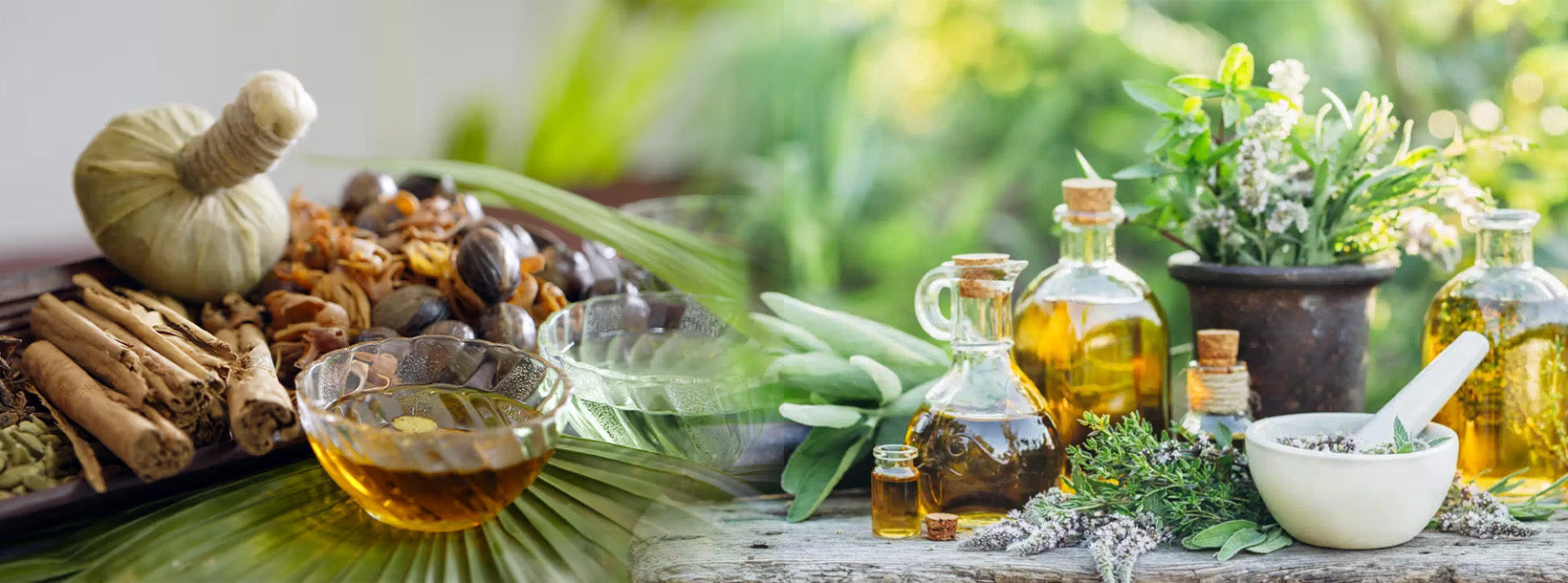



Uraria picta is a flowering plant belonging to the legume family Fabaceae, recognised across South and Southeast Asia for its longstanding role in traditional medicine. In Sri Lanka, it holds a documented place within the island's ayurvedic pharmacopoeia, where it has been used by practitioners for generations as part of compound herbal formulations and single-herb preparations alike.
What is Uraria picta and where does it grow?
Known in Sanskrit as Prishniparni, Uraria picta is a perennial herb or undershrub that typically grows to around one metre in height. It thrives in dry to moist deciduous forests, scrublands, and open grasslands across tropical Asia. In Sri Lanka, it can be found in the dry and intermediate zones, often growing alongside other medicinal plants in natural woodland settings.
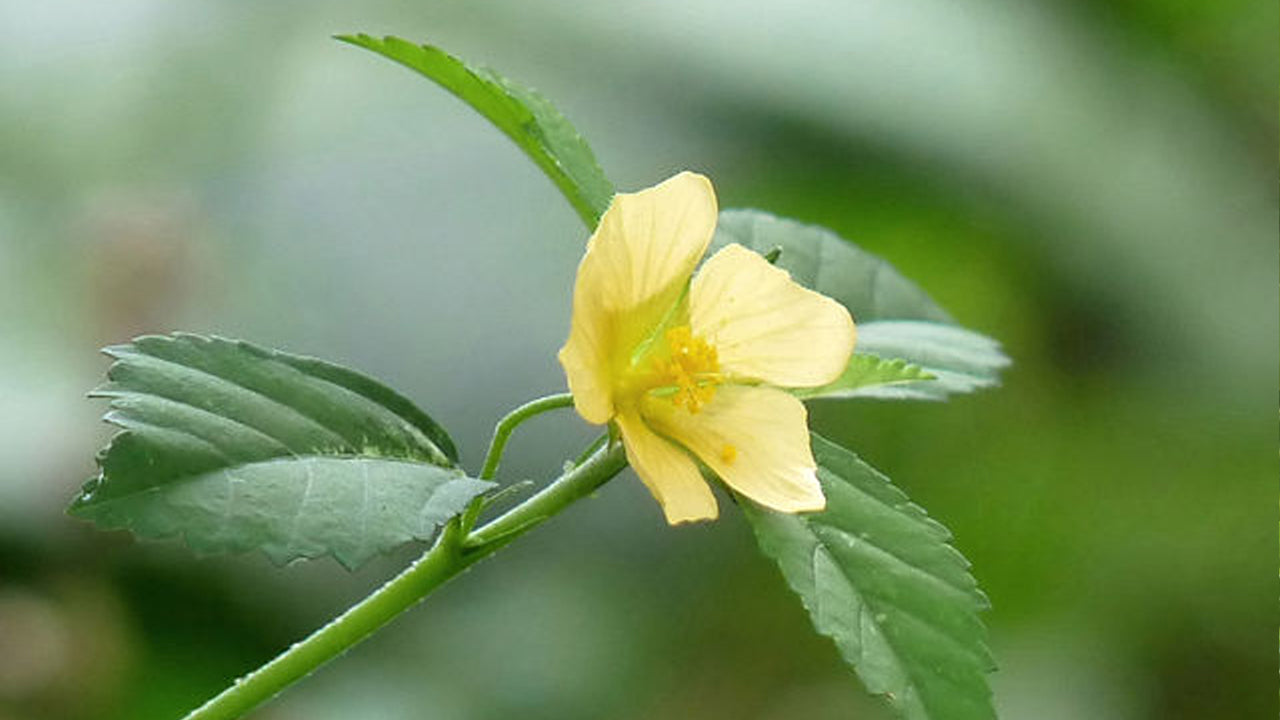
The plant is identifiable by its distinctive elongated leaves, which are pinnately compound and often marked with pale blotches or patterns — a characteristic reflected in the species epithet picta, meaning "painted" in Latin. Its small purplish-pink flowers are borne on dense, elongated racemes, and the plant produces small, jointed pods that cling easily to clothing and animal fur, aiding seed dispersal.
What role does Uraria picta play in Ayurveda?
Within the classical ayurvedic system, Uraria picta is considered one of the Dashamula — a group of ten roots widely used in traditional Indian and Sri Lankan medicine. The roots, leaves, and seeds of the plant are all employed medicinally, with the root being particularly valued. Preparations derived from this plant are traditionally associated with supporting respiratory health, reducing inflammation, and addressing conditions related to vata imbalance according to ayurvedic principles.
In Sri Lanka's indigenous medical tradition, known as Deshiya Chikitsa, Uraria picta appears in compound decoctions and powdered formulations. It is frequently combined with other botanicals to enhance therapeutic effect. Practitioners may use it as part of treatments for conditions ranging from fever and cough to joint discomfort and fatigue.
Related ayurvedic compound formulations such as Yogaraja Guggulu and Kaishore Guggulu reflect the broader tradition of multi-herb preparations in which plants like Uraria picta contribute as part of a carefully balanced recipe.
How is Uraria picta classified botanically?
| Classification Level | Name |
|---|---|
| Kingdom | Plantae |
| Family | Fabaceae |
| Genus | Uraria |
| Species | U. picta |
| Common Sanskrit name | Prishniparni |
| Sinhala name | Girandukola / Wel-nidikumba |
What parts of the plant are used medicinally?
- Roots: The most widely used part in ayurvedic preparations; typically dried and powdered or decocted.
- Leaves: Applied topically in certain traditional formulations, and sometimes used in poultices.
- Seeds: Used in some regional preparations, though less commonly than roots or leaves.
- Whole plant: In some traditions, the entire aerial portion is harvested and processed together.
How does Uraria picta fit into Sri Lanka's medicinal plant heritage?
Sri Lanka's tropical environment supports an exceptionally diverse flora, and the island has maintained a living tradition of plant-based medicine that predates written records. Ayurvedic practice in Sri Lanka draws on both classical Sanskrit texts and locally evolved knowledge passed down through families of traditional physicians, known as Veda Mahattayas.
Medicinal plants like Uraria picta are grown and harvested both from wild populations and from dedicated cultivation plots associated with ayurvedic institutions and home gardens. The Sri Lanka Ayurvedic Drugs Corporation and various government-affiliated research bodies have worked to document, standardise, and conserve such plants as part of broader efforts to protect the country's botanical heritage.
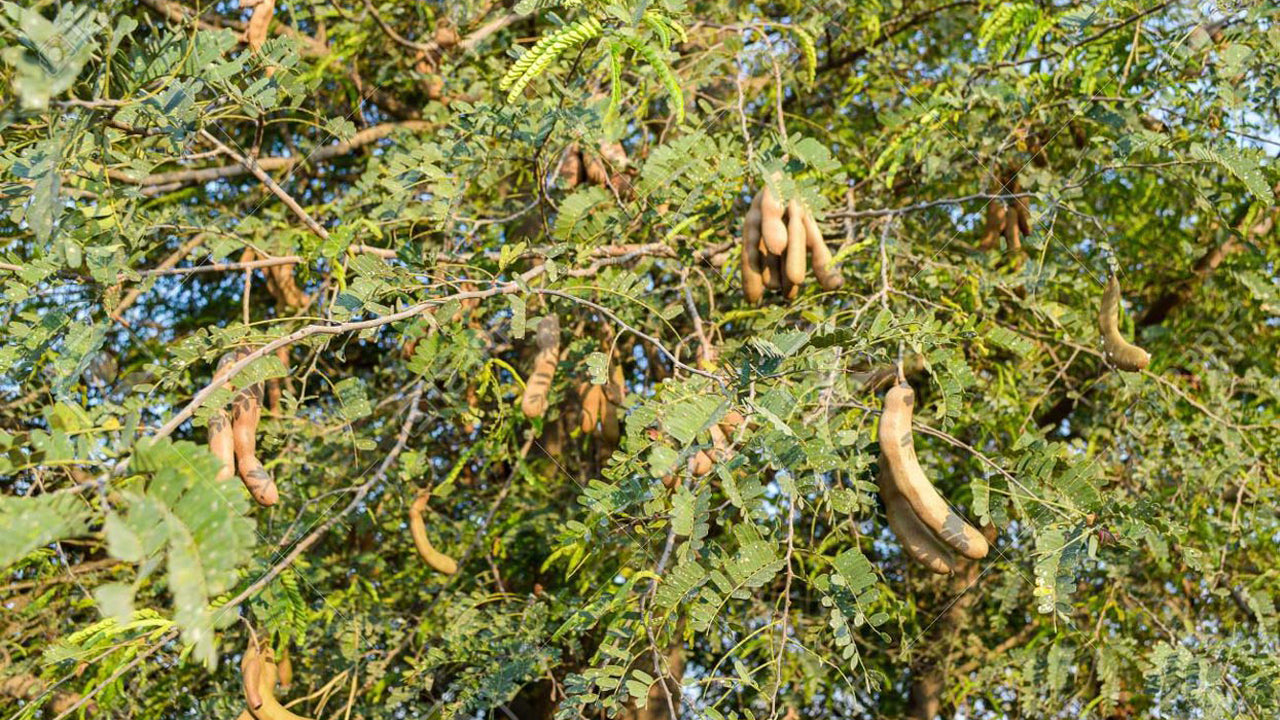
Other well-documented Sri Lankan medicinal plants include Acacia chundra and Pongamia pinnata, both of which share overlapping ecological habitats and traditional use contexts with Uraria picta.
Is Uraria picta subject to any conservation concerns?
While Uraria picta is not currently listed among critically threatened species in Sri Lanka, increasing pressure on dry-zone habitats from agricultural expansion and the commercial collection of medicinal plants has prompted calls for more systematic monitoring of wild populations. Sustainable harvesting practices and ex-situ cultivation are encouraged by ayurvedic institutions to reduce dependence on wild-harvested material.
Sri Lanka's protected areas, including forests within the dry zone, provide refuge for many of the plant communities in which Uraria picta naturally occurs. Conservation of these ecosystems indirectly supports the availability of this and many other traditionally important plants.
How is Uraria picta prepared and used in practice?
Traditional preparations vary by region and practitioner, but common methods include:
- Decoction (Kashaya): The dried root is boiled in water, often with other herbs, and the resulting liquid is consumed in measured doses under practitioner guidance.
- Powder (Churna): The dried root or leaf is ground and may be mixed with honey, ghee, or warm water before use.
- Compound formulations: Uraria picta root is a constituent in classical multi-herb preparations prescribed for specific conditions.
As with all medicinal plant preparations, use should follow the guidance of a qualified ayurvedic practitioner rather than self-administration. Dosage and suitability depend on individual constitution and health status.
Can visitors to Sri Lanka learn more about ayurvedic plants?
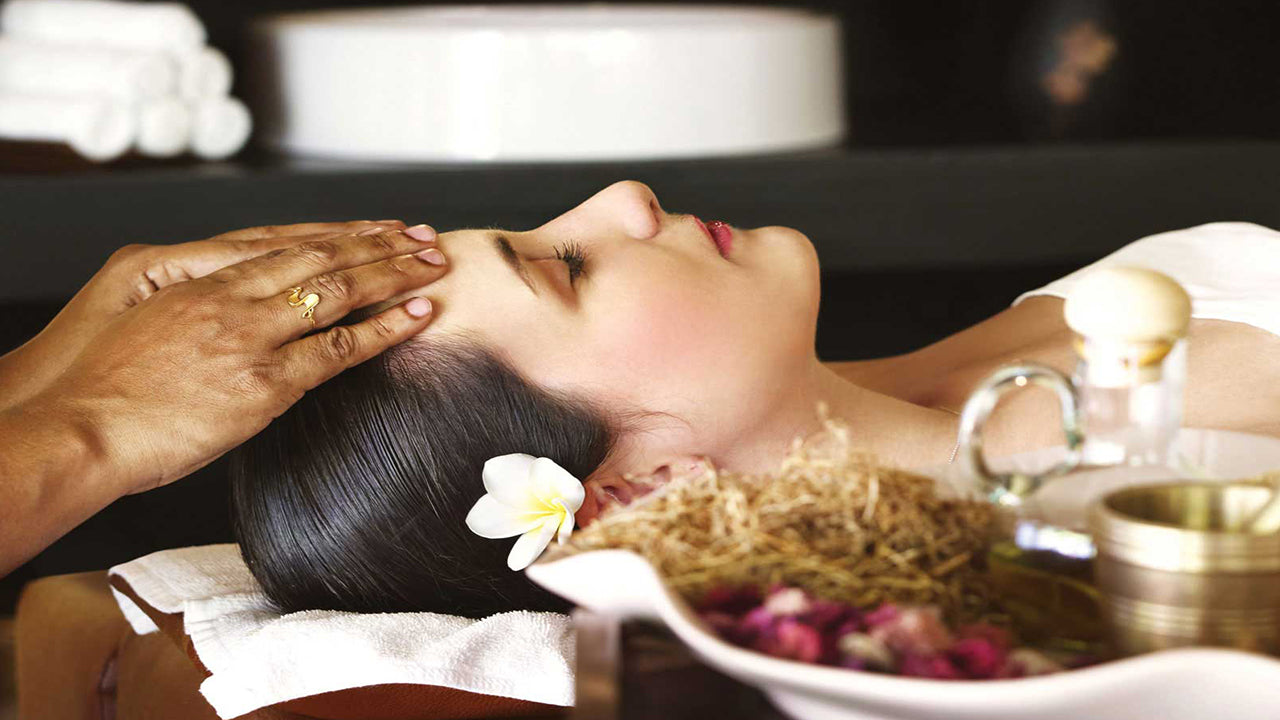
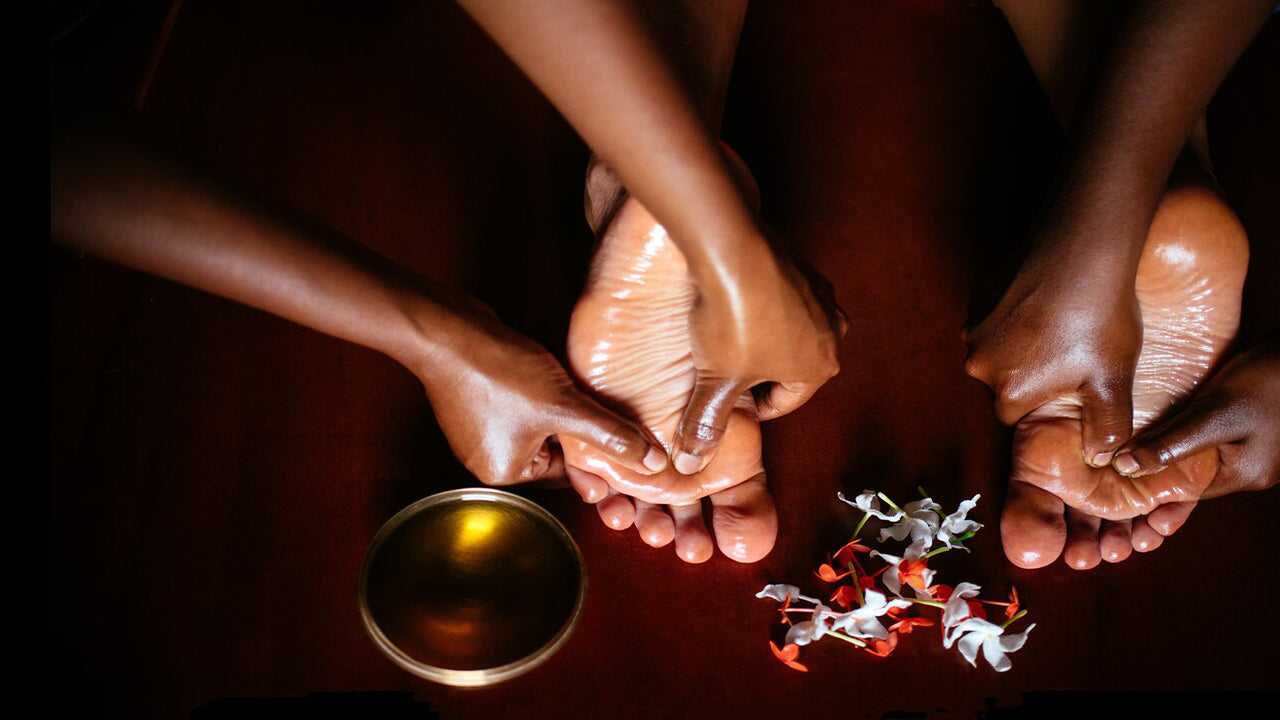
Sri Lanka offers genuine opportunities for travellers interested in traditional medicine and botanical heritage. Ayurvedic centres, herb gardens, and wellness retreats across the island — particularly in the hill country and the ancient city regions — provide guided introductions to the plants and practices of Sri Lankan traditional medicine. The cultural heartland around Polonnaruwa and the surrounding region is particularly rich in historical connections to ancient medical knowledge, as royal patronage of Ayurveda was a feature of Sri Lanka's classical kingdoms.