Panama sits at the southern fringe of Sri Lanka's Eastern Province, a small coastal village that most travellers pass through on the way to somewhere else — and quietly regret not stopping in. Located roughly 12 kilometres south of Arugam Bay and 126 kilometres south of Batticaloa, it marks the point where the Ampara District's populated coast gives way to the wild marshlands and forests of Kumana. The road ends here. Beyond Panama, the landscape belongs to birds, elephants, and salt lagoons.
What makes Panama different from Arugam Bay?
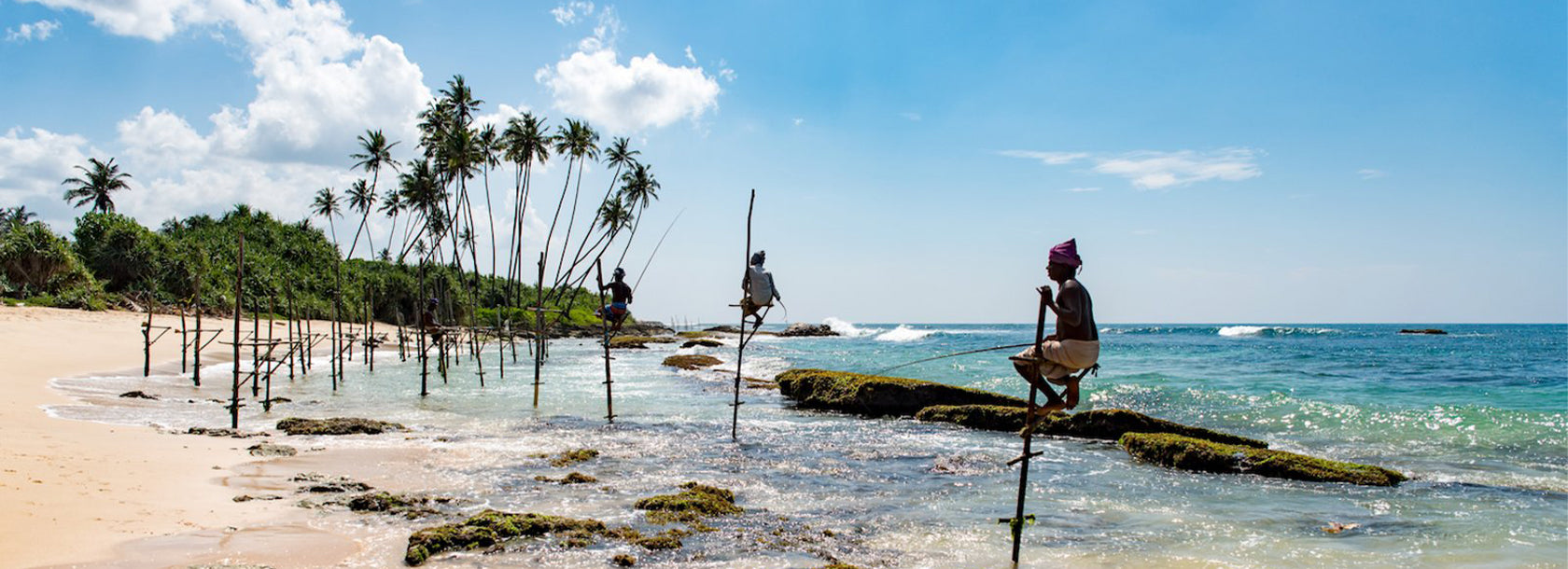
Arugam Bay draws surfers and beach crowds; Panama draws almost nobody — and that is precisely its appeal. The village retains the unhurried rhythm of a working fishing settlement, with outrigger canoes drawn up on the beach and a lagoon system that mirrors the sky at dusk. Accommodation is limited by design: a handful of small guesthouses and eco-cabanas rather than boutique hotels, which keeps the pace slow and the prices modest.
Panama's mixed Sinhalese and Tamil community reflects centuries of layered settlement along this coast. The village was once the administrative capital of the colonial Panamapattuwa division of Mattakkalappu Desam, and it appears on Portuguese and Dutch maps under names such as Panao, Panova, and Paneme — a reminder that European cartographers were charting this shoreline while Kandyan kings still ruled the interior.
What is the Pattini Cult, and why is it significant in Panama?
Panama is one of the most important centres of the Pattini Cult in Sri Lanka — a pre-Buddhist folk tradition venerating the goddess Pattini as a deity of health, chastity, and cosmic justice. Rituals associated with the cult here are elaborate and deeply communal, drawing participants from surrounding villages. Anthropologists have long considered the Eastern Province's Pattini traditions among the most intact in the island, and Panama stands at the heart of that living practice. If your visit coincides with a local ceremony, the experience is unlike anything on the standard tourist circuit.
What is the Panama Tank, and is it worth visiting?
The Panama Tank (wewa) is an ancient irrigation reservoir that has been in continuous use for well over a millennium. Fed by seasonal rains and surrounded by scrub forest, the tank attracts large numbers of waterbirds and is one of the most reliable spots in the area to see elephants at close range, particularly in the dry season when animals congregate around the water's edge. Early-morning and late-afternoon visits offer the best sightings. The tank is a short tuk-tuk or jeep ride from the village centre.
How do I get to Panama from Colombo or Arugam Bay?
From Colombo, the most practical route is via Monaragala and Pottuvil, a journey of around six to seven hours by road depending on conditions. From Arugam Bay, Panama is approximately 12 kilometres south — a straightforward drive of under 20 minutes along the coastal road. There is no direct rail connection; the nearest station of consequence is Batticaloa to the north, which adds considerable travel time. Most visitors arrange a private transfer or rent a tuk-tuk locally for day trips between Arugam Bay and Panama.
What is Kumana National Park, and how does Panama connect to it?
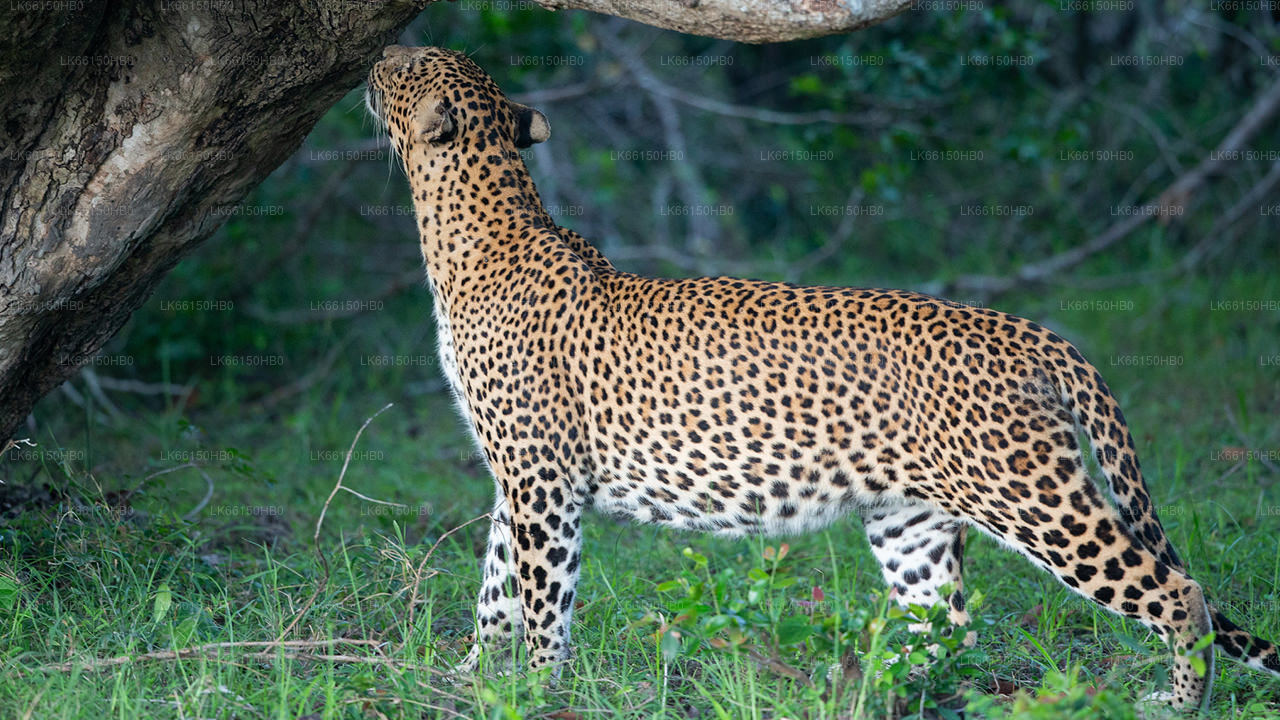
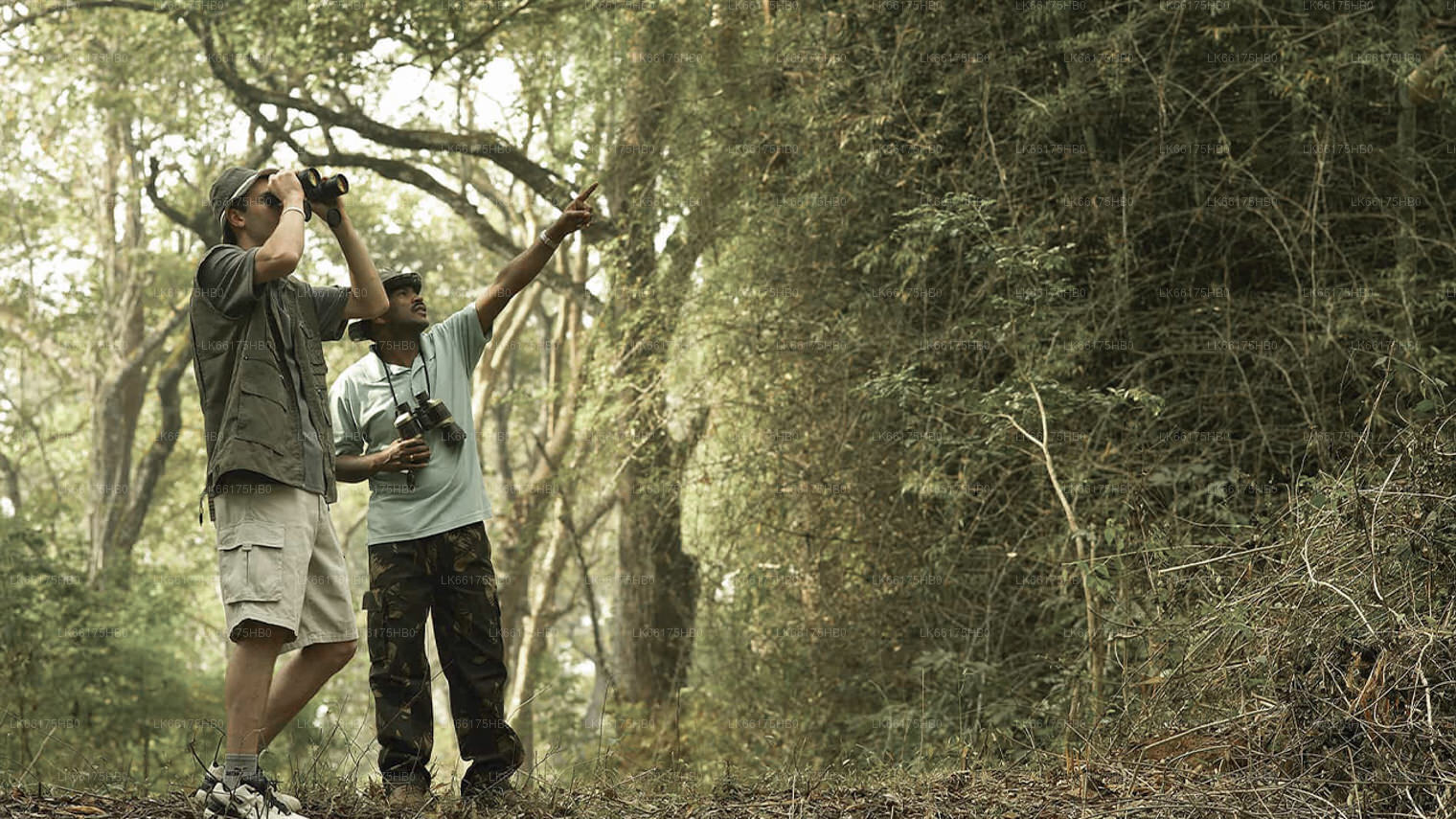
Kumana National Park — sometimes called Kumana Bird Sanctuary — begins immediately south of Panama village. The park protects a vast tract of mangroves, lagoons, and dry-zone forest and is internationally recognised for its waterbird colonies: painted storks, open-billed storks, herons, cormorants, and spoonbills nest here in numbers that few other sites in South Asia can match. Leopards, elephants, sloth bears, and crocodiles inhabit the drier inland sections. Safari jeeps depart from Panama, making the village the practical base for anyone visiting the park. Pigeon Island off the Trincomalee coast is another Eastern Province marine highlight worth combining with a visit to this region.
Kumana is less crowded than Yala despite comparable wildlife density, partly because it sits at the end of a long road and requires more planning to reach. That relative inaccessibility is the park's greatest asset for visitors who value quiet game drives over busy park circuits.
When is the best time to visit Panama and Kumana?
The Eastern Province experiences its dry season roughly from April to September — the opposite of the southwest coast. This period coincides with the Arugam Bay surf season and is generally the best time to visit Panama for wildlife, as low water levels concentrate animals around tanks and lagoons. Kumana's bird colonies are most active between April and July. The northeast monsoon brings heavier rain between October and January, when some tracks into the park become difficult.
| Month | Conditions | Wildlife highlight |
|---|---|---|
| April – July | Dry, warm | Peak nesting waterbirds; elephants at Panama Tank |
| August – September | Dry, occasionally windy | Good leopard and elephant sightings |
| October – November | Transitional; some rain | Migratory birds begin to arrive |
| December – March | Northeast monsoon | Wading birds; access to some tracks may be limited |
What wildlife can I expect to see around Panama?
The ecosystems around Panama support a wide range of species within a compact area. In and around the lagoon and tank you are likely to encounter water buffalo, mugger crocodiles, painted storks, and purple herons. The forest fringe holds grey langurs, sambar deer, and — with patience — leopards. Elephant sightings at the tank are common, especially in the early morning. The beach itself is a known sea turtle nesting site; olive ridley and green turtles come ashore between October and April.
- Waterbirds: painted stork, open-billed stork, purple heron, lesser adjutant
- Mammals: Asian elephant, leopard, sloth bear, water buffalo, spotted deer
- Reptiles: mugger crocodile, monitor lizard, olive ridley sea turtle
- Marine: spinner dolphin pods are occasionally seen offshore
A curious footnote: the postal mix-up
Panama village has an unexpected bureaucratic claim to fame. Sri Lanka Post has on record instances of local mail addressed to Panama, Ampara District, being routed to the Central American Republic of Panama — and international mail bound for Central America occasionally finding its way to this quiet corner of the Eastern Province instead. The confusion is a minor inconvenience for residents and an endearing quirk for visitors who hear the story from locals at the lagoon-side tea stalls.
The ancient roots of the name — documented in Portuguese and Dutch colonial records as Panao, Panova, and Paneme — suggest it long predates any connection to the canal nation, rooted instead in the Dravidian and Sinhalese place-naming traditions of the Ampara coast.