Lakpura
Lakpura®

Orange Pekoe

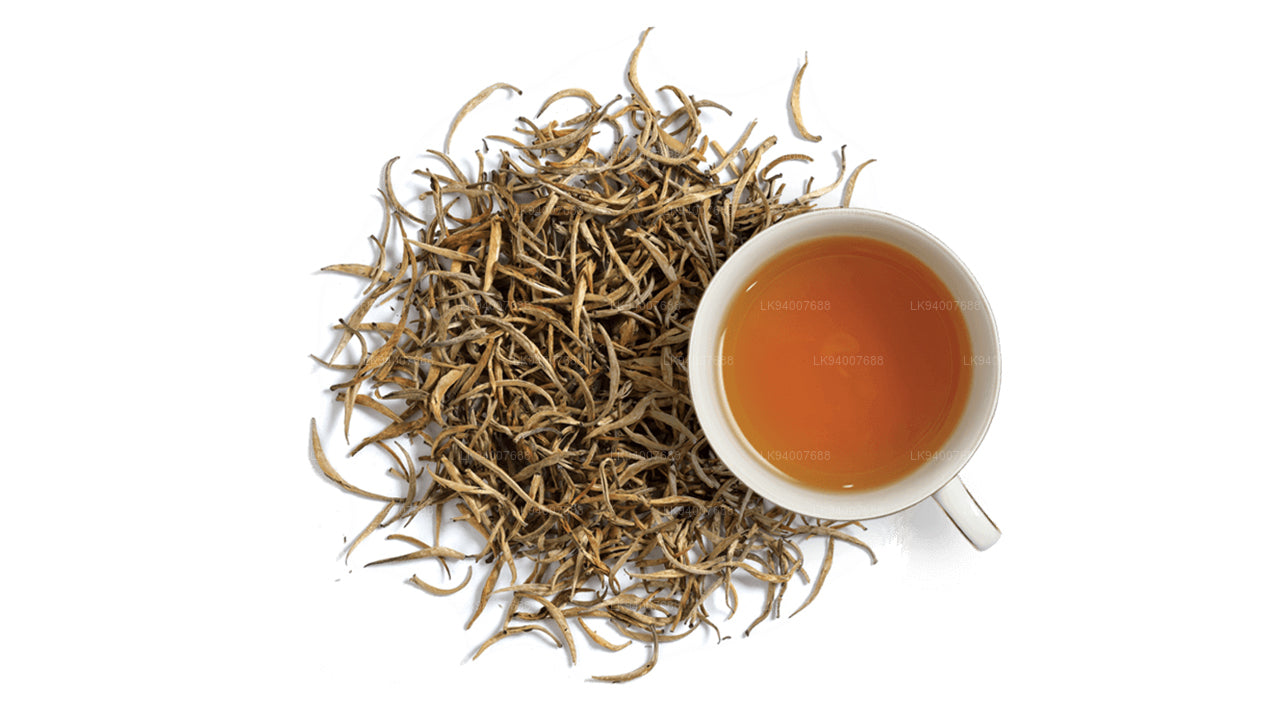
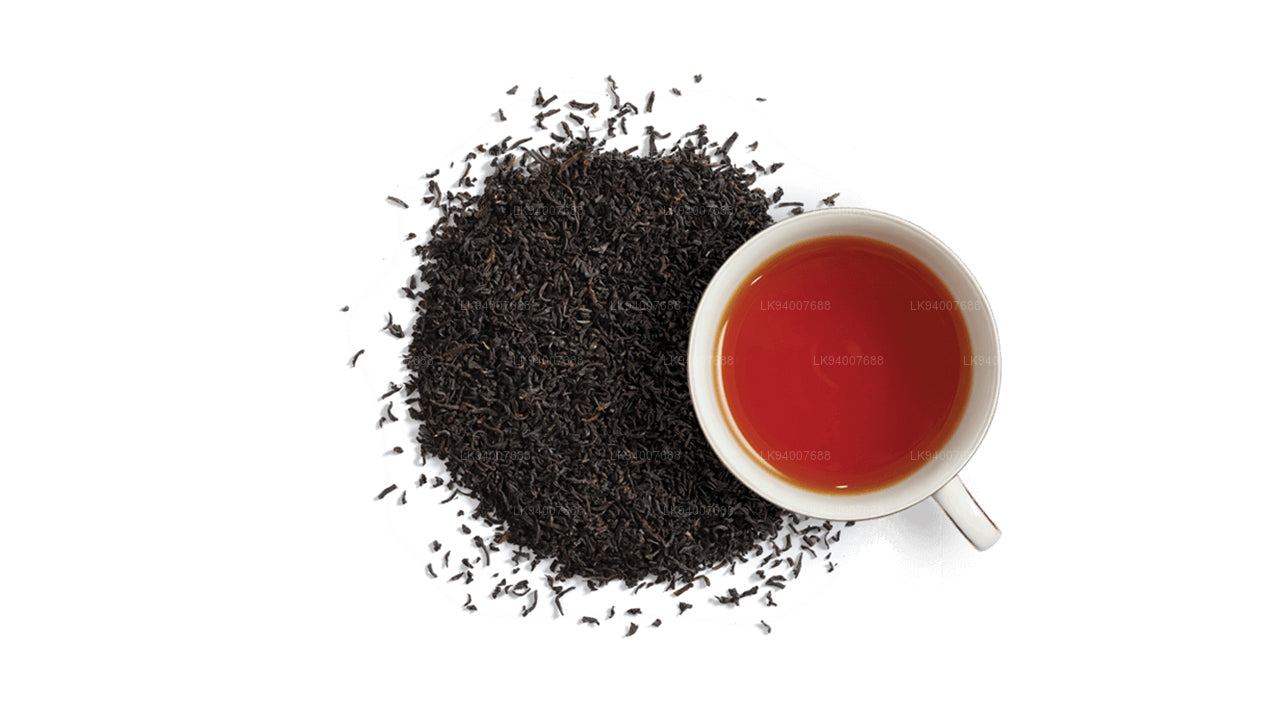
Walk into any tea shop in Sri Lanka and you will almost certainly encounter the letters OP on a canister label. Orange Pekoe is one of the most widely used terms in the world of black tea, yet it is also one of the most misunderstood. It does not describe a flavour, a colour, or a single estate. It is a grading code that tells you about the physical quality and leaf size of the tea inside — and once you understand the system, choosing a good cup of Ceylon Tea becomes considerably easier.

What does Orange Pekoe actually mean?

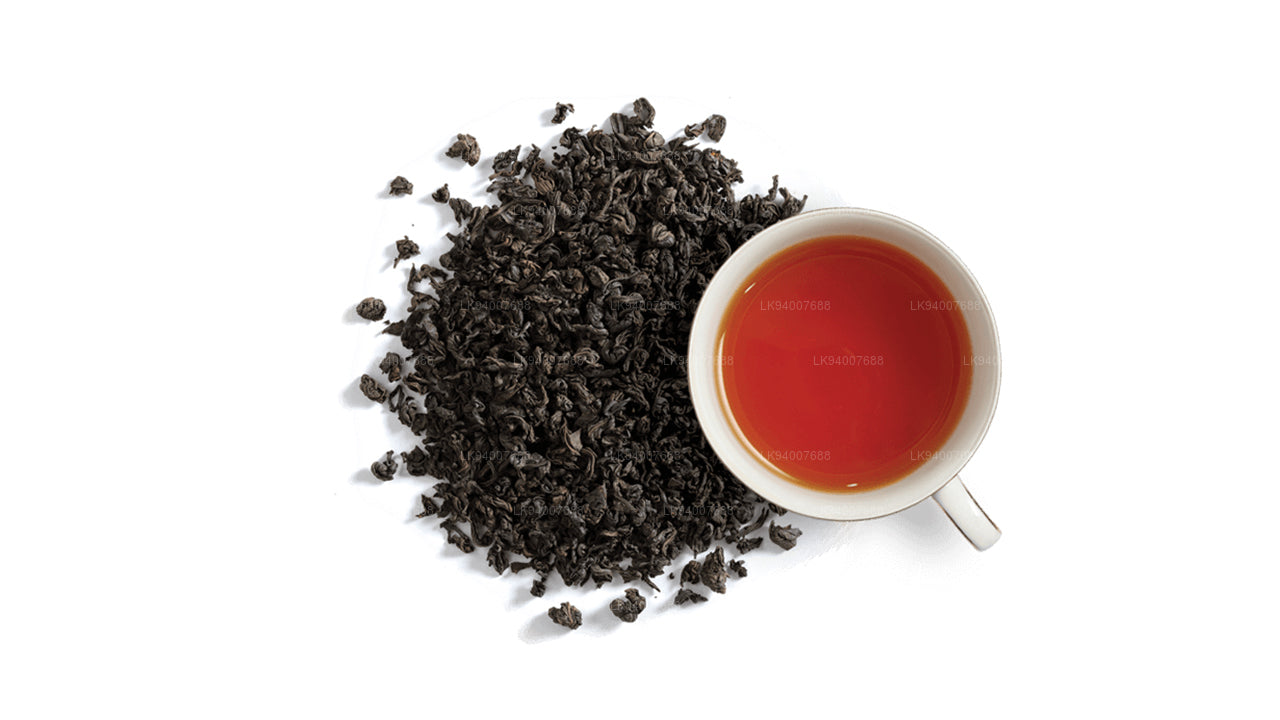
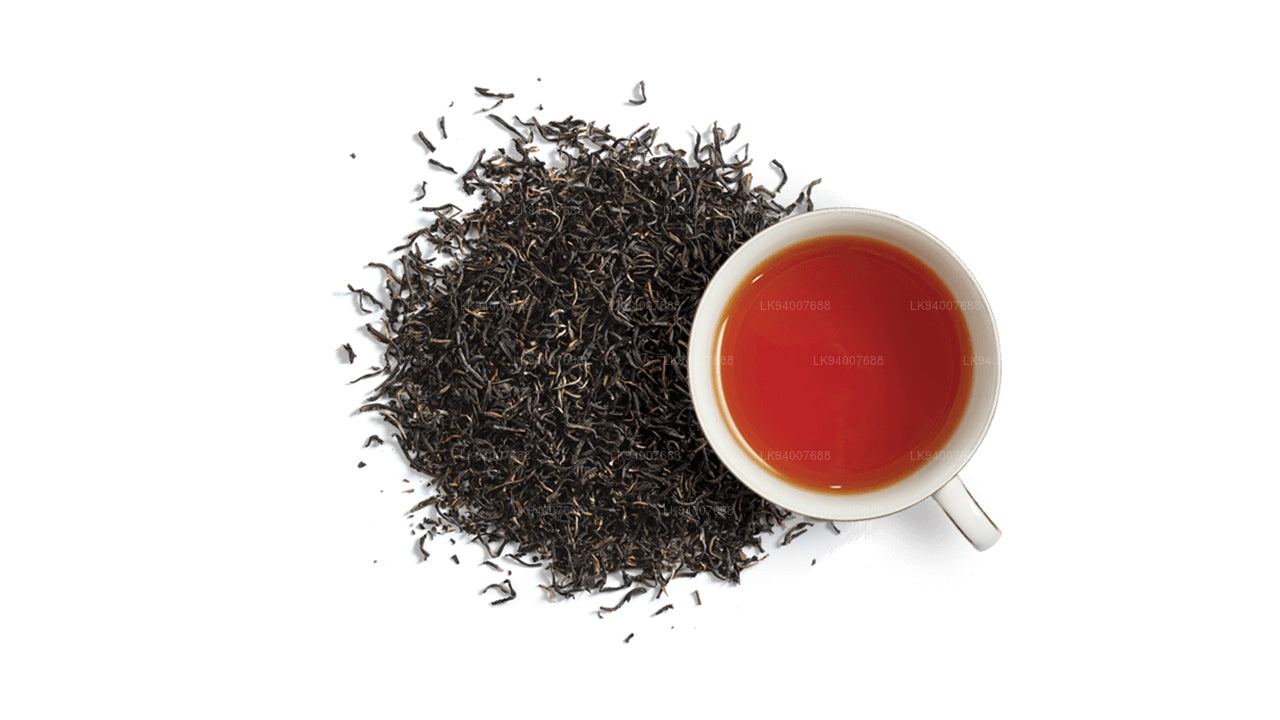
Orange Pekoe — abbreviated to OP — is a grade within the orthodox leaf-grading system applied to black teas from South Asia and Southeast Asia, including Sri Lanka, India, and parts of Indonesia. The grade describes a tea made from whole, unbroken leaves, typically the second leaf from the tip of a tea shoot, without the young bud attached. Chinese black teas are categorised under a different system entirely and are not graded as Orange Pekoe.

The origin of the phrase is debated by tea historians. One school of thought links it to a phonetic rendering of a Chinese term for the downy white tips of young tea buds. Another traces it to the Dutch House of Orange-Nassau, whose trading association with the Dutch East India Company helped bring Asian tea to European markets in the seventeenth century. Neither theory is conclusively proven.

What is certain is that the word has nothing to do with the fruit orange. A tea labelled Orange Pekoe will not taste of citrus, nor will it necessarily brew to an orange hue.

Where does Orange Pekoe sit in the grading hierarchy?

Within the whole-leaf grading system, OP sits at the base of the quality pyramid for loose leaf tea — but that is not a mark of poor quality. Being classified as Orange Pekoe still confirms that the tea consists of intact leaves rather than the dust and fannings left over after higher grades are sorted and processed. Those fragments are what fill most commercially produced teabags; OP is a clear step above them in terms of leaf integrity and cup complexity.

Above basic OP, additional letters are added to the grade code to indicate increasingly desirable characteristics. The table below decodes the most common designations used on Ceylon and Indian black teas.

Grade Full name Key characteristic
OPOrange PekoeWhole leaves, no bud, medium quality baseline
OPAOrange Pekoe ALonger, bolder whole leaves than standard OP
FOPFlowery Orange PekoeWhole leaves with some golden tips (buds) included
GFOPGolden Flowery Orange PekoeHigher proportion of golden-tipped buds
TGFOPTippy Golden Flowery Orange PekoeMajority of tips; regarded as a premium whole-leaf grade
FTGFOPFinest Tippy Golden Flowery Orange PekoeTop of the whole-leaf grading scale

What do the individual letters stand for?

Breaking the acronyms down letter by letter removes much of the mystery:

  • O (Orange) — the baseline grade indicator for the orthodox leaf system.
  • P (Pekoe) — confirms the tea is made from a particular leaf position on the shoot.
  • F (Flowery or Finest) — at the end of a grade code it means the leaves include buds; at the very beginning it typically means "finest," indicating exceptional quality.
  • G (Golden) — signals a high ratio of buds, which turn a warm gold colour during processing.
  • T (Tippy) — indicates the tea is composed largely of the finest tips and young buds from the top of the plant.

What about broken-leaf grades?

A parallel system exists for teas where the leaves have been intentionally cut or broken during rolling. Broken-leaf teas are not inferior by definition — they simply brew faster and produce a stronger, darker liquor than their whole-leaf equivalents. The "B" in any grade code signals broken leaves.

  • BP — Broken Pekoe
  • BOP — Broken Orange Pekoe
  • FBOP — Flowery Broken Orange Pekoe
  • GBOP — Golden Broken Orange Pekoe
  • GFBOP — Golden Flowery Broken Orange Pekoe
  • TGFBOP — Tippy Golden Flowery Broken Orange Pekoe

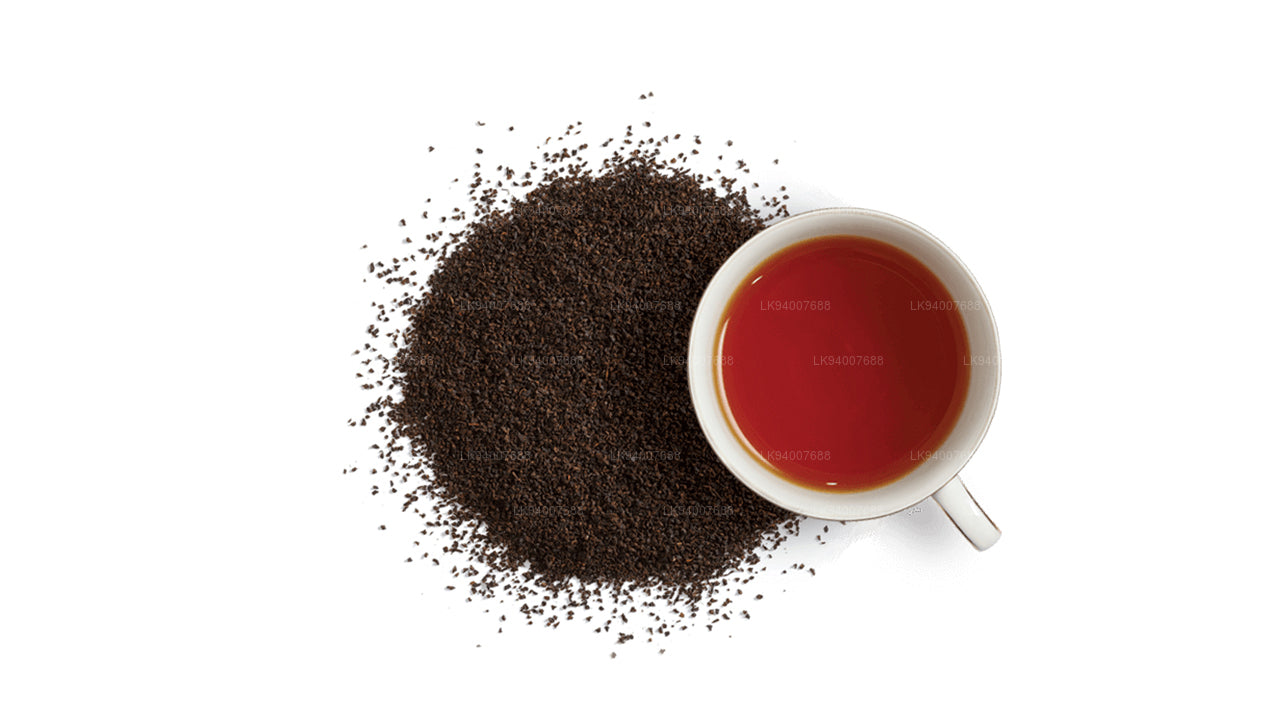
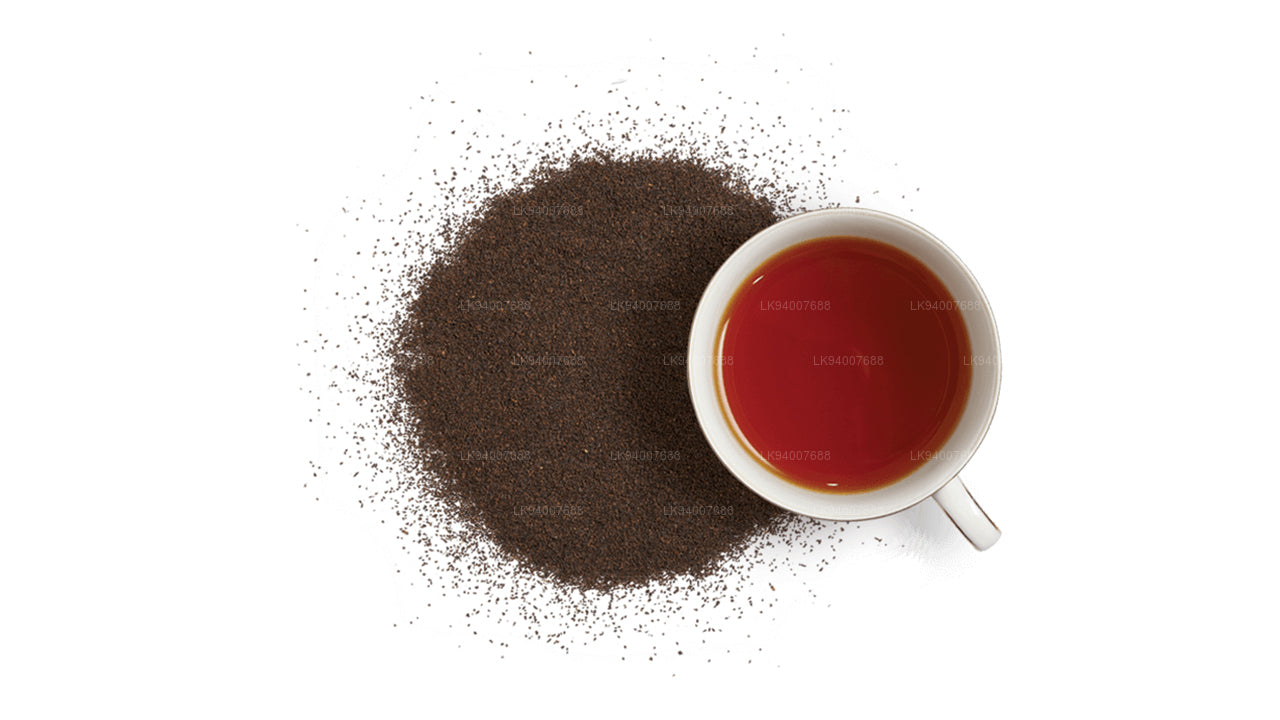
Below broken-leaf grades sit fannings and dust — very small particles used primarily in commercial teabags. They brew quickly but lack the depth and nuance of whole or broken leaf teas.

How does the grading system apply to Ceylon Tea specifically?

Sri Lanka uses the same orthodox grading system for its black teas, which are marketed internationally as Ceylon Tea. The island's teas are further divided by growing elevation — low-grown, mid-grown, and high-grown — and each elevation zone produces a different flavour profile regardless of grade. A low-grown OP from the Southern Province tends toward a fuller, earthier body, while a high-grown OP from estates around Nuwara Eliya or the hills near Ella is typically lighter, more aromatic, and with a longer finish.

The Bluefield Tea Gardens in the Hatton area, for instance, produce both OP and OPA grades that reflect the character of high-elevation Central Province leaf — a good illustration of how grade and terroir interact.

Ceylon Tea estates also produce a range of broken-leaf grades, many of which are blended into the English Breakfast and similar commercial blends sold around the world. When you see "Ceylon" on a teabag at a hotel breakfast table, there is a strong chance it contains BOP or BOPF from a Sri Lankan estate.

How should you brew an Orange Pekoe tea?

Whole-leaf OP teas benefit from a slightly longer steep than broken-leaf grades, since the intact leaf surface releases compounds more slowly. A general guide for loose-leaf OP:

  • Water temperature: around 90–95 °C (just off a rolling boil).
  • Leaf quantity: approximately 2–3 grams per 200 ml of water.
  • Steeping time: 3–4 minutes for a balanced cup; up to 5 minutes if you prefer a stronger liquor.
  • Milk and sugar are a matter of preference — high-quality OP is often enjoyed plain to appreciate its natural character.

Broken-leaf grades (BOP, BOPF) can be steeped for a shorter time — 2–3 minutes — because the greater leaf surface area releases tannins quickly. Over-steeping will make any black tea bitter.

Is Orange Pekoe the same as Ceylon black tea?

Not exactly. "Ceylon Tea" is a geographic designation covering all teas grown in Sri Lanka, spanning black, green, white, and oolong styles. Orange Pekoe is a leaf-grade classification within the black tea category. A Ceylon black tea can be graded as OP, BOP, TGFBOP, or any other grade on the scale. The two terms describe different attributes of the same tea and are not interchangeable.

Which Orange Pekoe teas are made in Sri Lanka?

Sri Lanka has a number of well-regarded producers whose Orange Pekoe offerings are widely available. Brands such as Mlesna, Mackwoods, Bluefield, Basilur, Battler, and Impra all produce OP and related grades from single estates or regional blends. Packaging ranges from foil-sealed bags and metal caddies to collector-grade wooden gift boxes — making Ceylon OP teas a popular souvenir as well as an everyday drink.

Book this experience with Lakpura

Curated by our local team. Direct booking, instant confirmation.

Ask Lakpura® Agent