Lakpura
Lakpura®

Namal Uyana

Jathika Namal Uyana is one of Sri Lanka's most unusual natural sites — a forest of ancient ironwood trees growing alongside a range of rose quartz mountains that geologists estimate to be over 550 million years old. Located in the dry zone of the North Central Province, the reserve covers around 260 acres and holds the distinction of being the largest ironwood forest in Asia. It was declared a National Heritage Site under the Department of Wildlife Conservation and draws visitors interested in ecology, history, and Buddhist heritage in equal measure.

What is the history of Namal Uyana?

The forest has a documented history stretching back to the 8th century AD, though its origins as a sanctuary pre-date even that. Scholarly evidence suggests the ironwood trees were systematically replanted during a period spanning from the reign of King Devanampiyatissa through to King Dappula IV. In its earliest phase, Namal Uyana served as a retreat for Buddhist monks. Later records indicate it was used as a form of penal colony in which the mandated work was planting Na trees — a form of restorative labour that inadvertently shaped the forest visitors see today. During the reign of King Dappula, the site was reclassified as a human sanctuary, ending its use as a prison.

Despite this layered history, the forest had largely fallen out of wider public awareness until around two decades ago, when Venerable Wanawasi Rahula Thero, a Buddhist monk, brought it to national and international attention. Since then, both conservation efforts and visitor numbers have grown steadily.

What can I see at Namal Uyana?

The centrepiece of a visit is the ironwood forest itself. The Na tree — botanically Mesua ferrea, known in English as the Ceylon ironwood — is endemic to Sri Lanka and holds the status of national tree. Its canopy is dense enough to filter out the intense dry-zone heat, creating a noticeably cooler microclimate at ground level. Beneath the canopy, a rich understorey of medicinal plants thrives in the shade; biologists have recorded around 102 species of tropical plants within the reserve, of which approximately 82 are classified as herbal plants with documented medicinal applications.

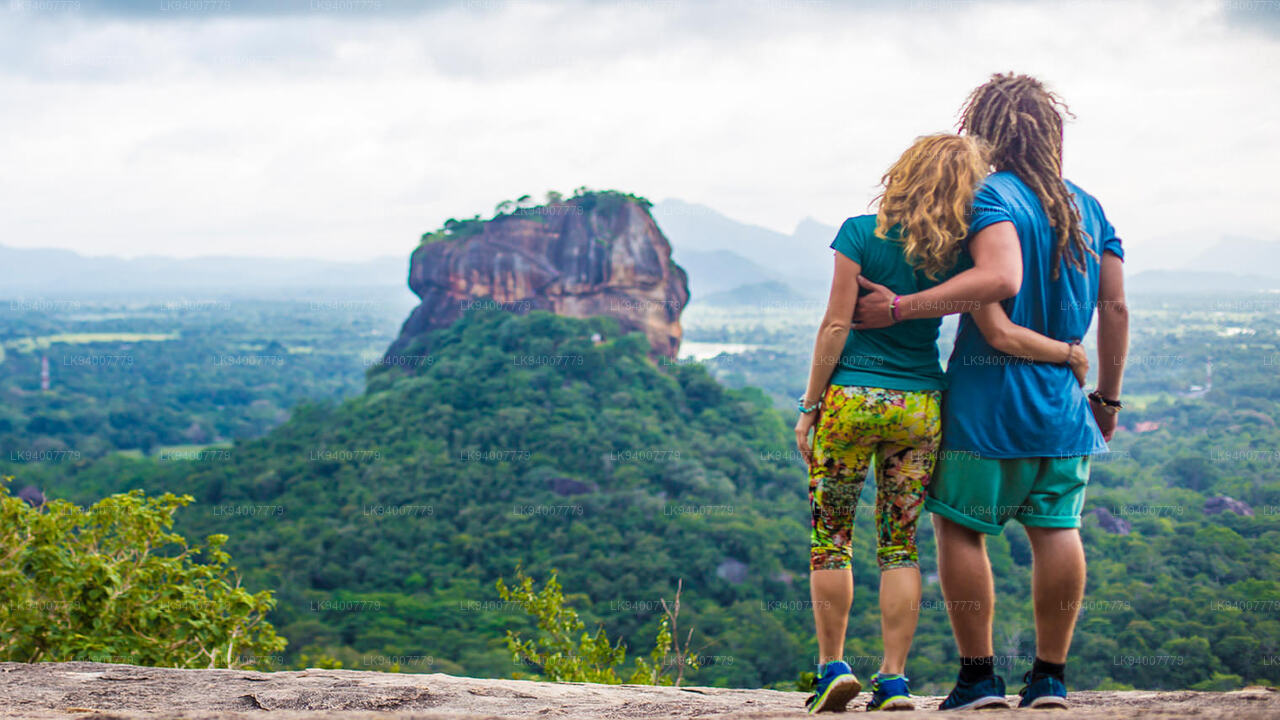
Beyond the trees, the rose quartz mountain range is the feature that surprises most visitors. Seven peaks rise to between 180 and 300 metres above sea level, their pink-tinged surfaces catching the morning light in a way that is unlike anything else in Sri Lanka. The quartz formation is considered the largest of its kind in Asia.

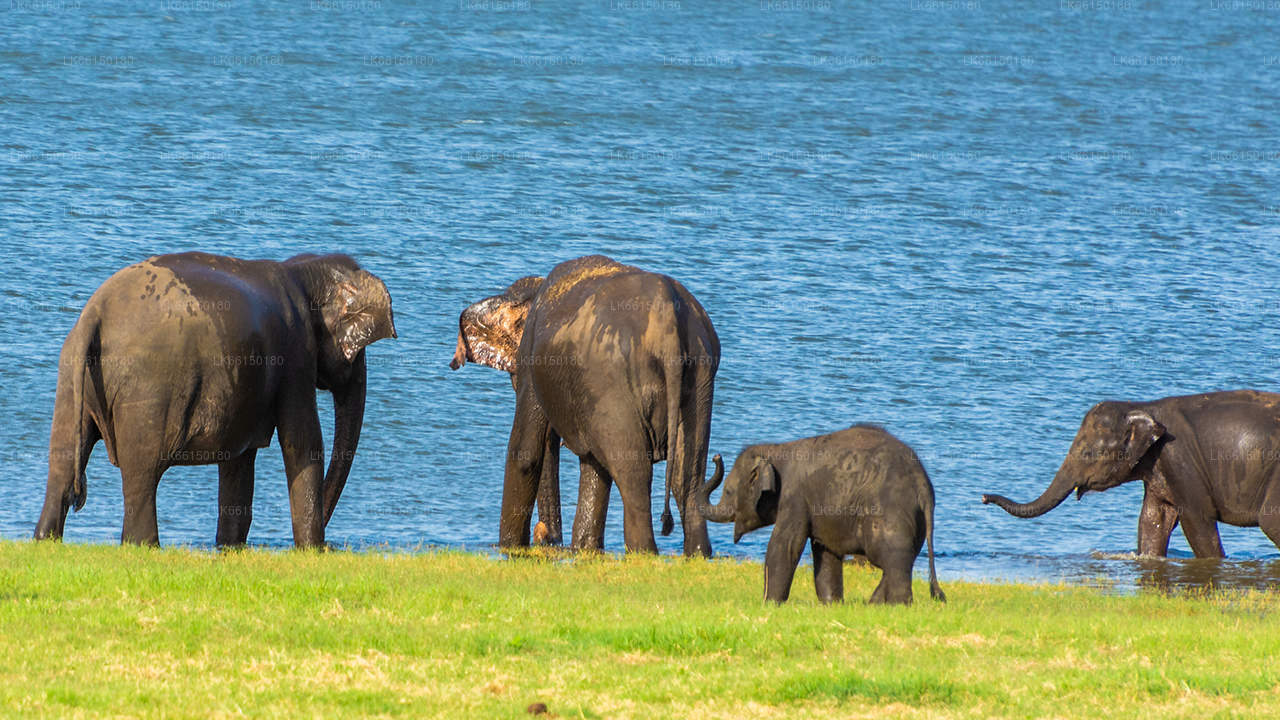
The reserve also shelters a range of wildlife. Recorded fauna includes elephants, leopards, deer, and monkeys, as well as at least 18 bird species. Visitors with an interest in wildlife-rich habitats will find the biodiversity here unexpectedly rich for a site of this size.

What ancient monuments are found inside the forest?

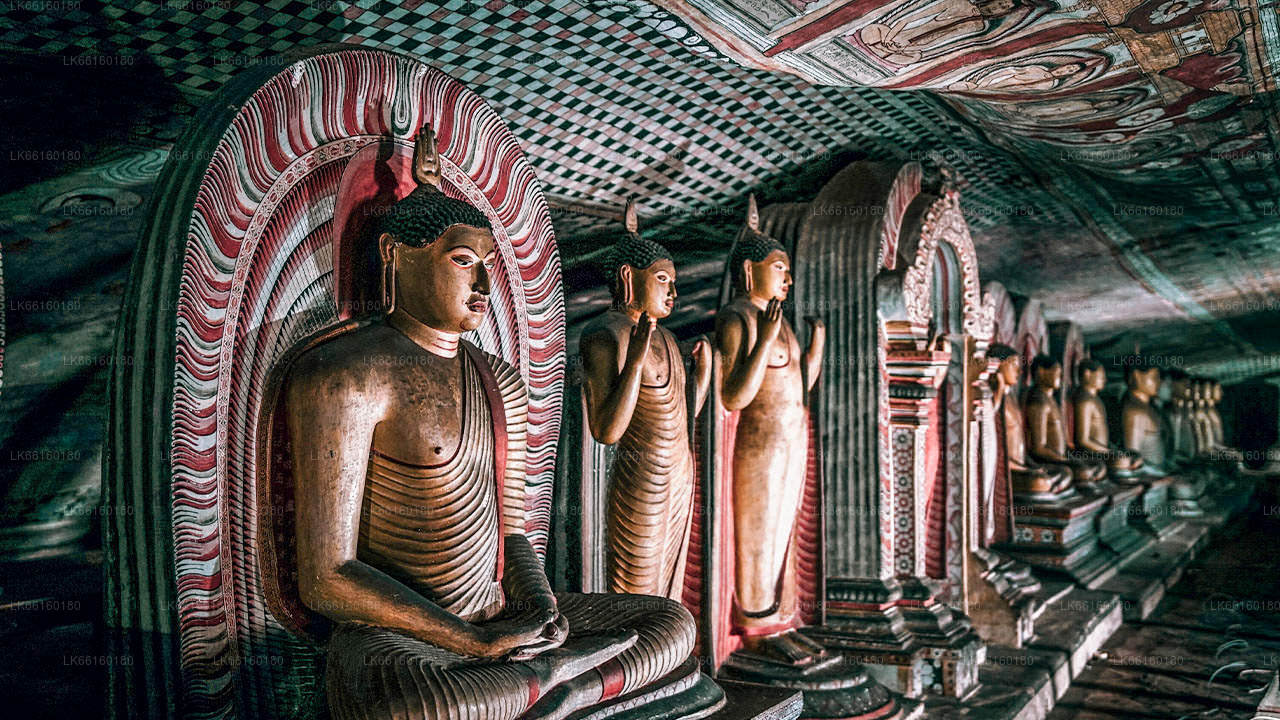
Namal Uyana contains several archaeological structures that reflect its long association with Buddhist monastic life. Among the ruins preserved within and around the forest are:

  • Purana Namal Seya — an ancient stupa believed to date to early monastic occupation of the site
  • Bodhigaraya — a sacred enclosure associated with the veneration of the Bodhi tree
  • Pilimageya — an image house
  • Awasageya — monks' residential quarters
  • Simamalakaya — a chapter house used for formal Buddhist rites
  • Padhanagara — a meditation hall
  • Galphana and Galpath — rock-cut features associated with monastic use

These structures are modest in scale compared to the grand monuments at Polonnaruwa, but their setting within a working ancient forest gives them a contemplative character that more visited heritage sites cannot match.

What is the significance of the Na tree (Mesua ferrea)?

The Na tree is far more than a botanical curiosity. It is Sri Lanka's national tree and carries deep cultural, religious, and medicinal meaning. In Sinhala, the tree is called "Na" (නා); in Sanskrit it is associated with sacred groves across South and Southeast Asia. The species is also native to parts of India, Malaysia, Myanmar, and Thailand, though the Sri Lankan variety is particularly celebrated.

All parts of the tree — bark, flowers, seed oil, and heartwood — are used in traditional Ayurvedic medicine. The dense, hard timber gives the tree its English name, ironwood. Buddhist tradition holds the Na tree in high regard; some texts associate it with the future Buddha Maitreya, adding a layer of spiritual significance to the forest itself. The whole of Namal Uyana can therefore be read as a living pharmacopoeia as much as a heritage forest.

How do I get to Namal Uyana from Colombo?

Namal Uyana is located approximately 7 kilometres from the Madatugama junction on the Colombo–Anuradhapura highway. The most practical approach from Colombo is to take the A9 highway north toward Anuradhapura, turn off at Madatugama, and follow the signposted road to the reserve entrance. Driving time from Colombo is typically around four hours depending on traffic. The site is conveniently combined with visits to other North Central Province destinations and works well as part of an itinerary that includes the ancient cities of Anuradhapura or Polonnaruwa.

When is the best time to visit Namal Uyana?

The reserve is situated in Sri Lanka's dry zone, which means it receives relatively low rainfall compared to the wet zone. The most comfortable visiting months are generally between December and April, when daytime temperatures are warm but not extreme and the trails remain dry. Visiting during or just after the brief inter-monsoon rains in October and November can make paths muddy but brings out the greenery at its most vivid. Early morning visits — before 9 a.m. — are recommended for wildlife sightings and to avoid the midday heat.

Practical information for visitors

Detail Information
Location 7 km from Madatugama junction, North Central Province, Sri Lanka
Forest extent Approximately 260 acres
Peak elevations 180–300 m above sea level (quartz mountain range)
Conservation status National Heritage Site under the Department of Wildlife Conservation
Best visiting months December to April
Recommended start time Before 9 a.m. for wildlife and cooler temperatures

Wear light, breathable clothing and closed footwear suitable for forest trails. There is no large commercial infrastructure inside the reserve, so carry water and any snacks you may need. The site is managed under wildlife conservation regulations; visitors should remain on marked trails and avoid disturbing the wildlife or archaeological structures.

Book this experience with Lakpura

Curated by our local team. Direct booking, instant confirmation.

Ask Lakpura® Agent