Nagadeepa Viharaya

Nagadeepa Viharaya Nagadeepa Viharaya Nagadeepa Viharaya

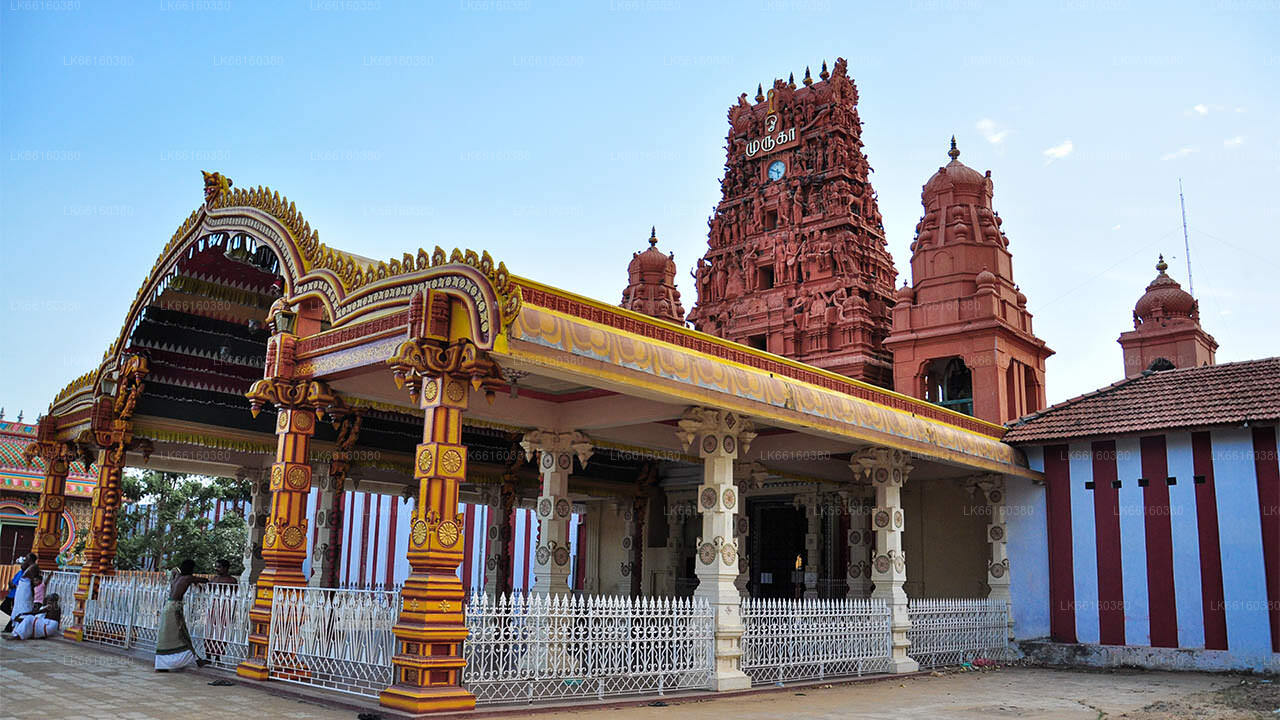
Nagadvipa ligger bara cirka 35 mil från Indien och är den minsta ön i Golfen av Mannar. Handelsmän har länge kommit hit och till de omgivande öarna för att köpa snäckskal som skördas i de varma, grunda vattnen i golfen. Snäckan är självklart nödvändig för vissa hinduistiska och buddhistiska ritualer, och ett särskilt perfekt exemplar som vrider sig åt höger kan säljas för ett enormt pris. Pilgrimer har också kommit till Nagadvipa (Nainativ) sedan det första århundradet e.Kr. för att tillbe sin berömda stupa. I Mahavamsa är ön ett av de sexton heliga platserna och den tamilska buddhistiska eposen, Manimekalai, nämner en trädstol med ädelstenar och en sten med Buddhas fotspår som förvaras på Nagadvipa och som pilgrimer från Indien brukade komma och tillbe. Hjältinnan i eposet beskrivs som vandrande bland öns "långa sanddyner och laguner".

Men på båda sidor om den sidentrén till templet finns två mycket gamla föremål. På vänster sida, när du går in, finns en stor sten med en inskription från Parakramabahu I. I första delen av denna inskription säger kungen att utländska medborgare som kommer in i landet endast ska komma in vid Uraturai (Kayts) och att de ska hjälpa om de behöver hjälp. Detta hänvisar utan tvekan till handelsmän och pilgrimer från Indien. Den andra delen säger vad som bör göras om skepp som transporterar elefanter eller hästar och handelsfartyg går under. På höger sida om ingången finns en stor sten i form av en livboj, en antik ankare. Arabiska skepp brukade använda sådana ankare. Mindre än en halv kilometer från templet finns Nagadvipa Vihara som markerar platsen där Buddha förmodligen stannade under sitt besök på den lilla ön. På ena sidan av vägen står Bodhiträdet och på den andra sidan den silvermålade Stupan. Det finns också två tempel, varav ett innehåller en bronsskulptur av Buddha som donerades av den burmesiska regeringen 1956. Ingenting på Nagadvipa har något estetiskt eller historiskt intresse förutom inskriptionerna; allt byggdes på 1950-talet.

Nagadeepa Viharaya Nagadeepa Viharaya Nagadeepa Viharaya

About Jaffna District

Jaffna is the capital city of the Northern Province, Sri Lanka. 85% of the populations of the Jaffna and Kilinochchi districts are Hindus. The Hindus follow the Saivite tradition. The remainders are largely Roman Catholics or Protestants, some of whom are descendants of colonial settlers, known as Burghers. The Tamils are divided along caste lines, with the farmer-caste Vellalar forming the majority. Sea products, red onion, and tobacco are the main products in Jaffna.

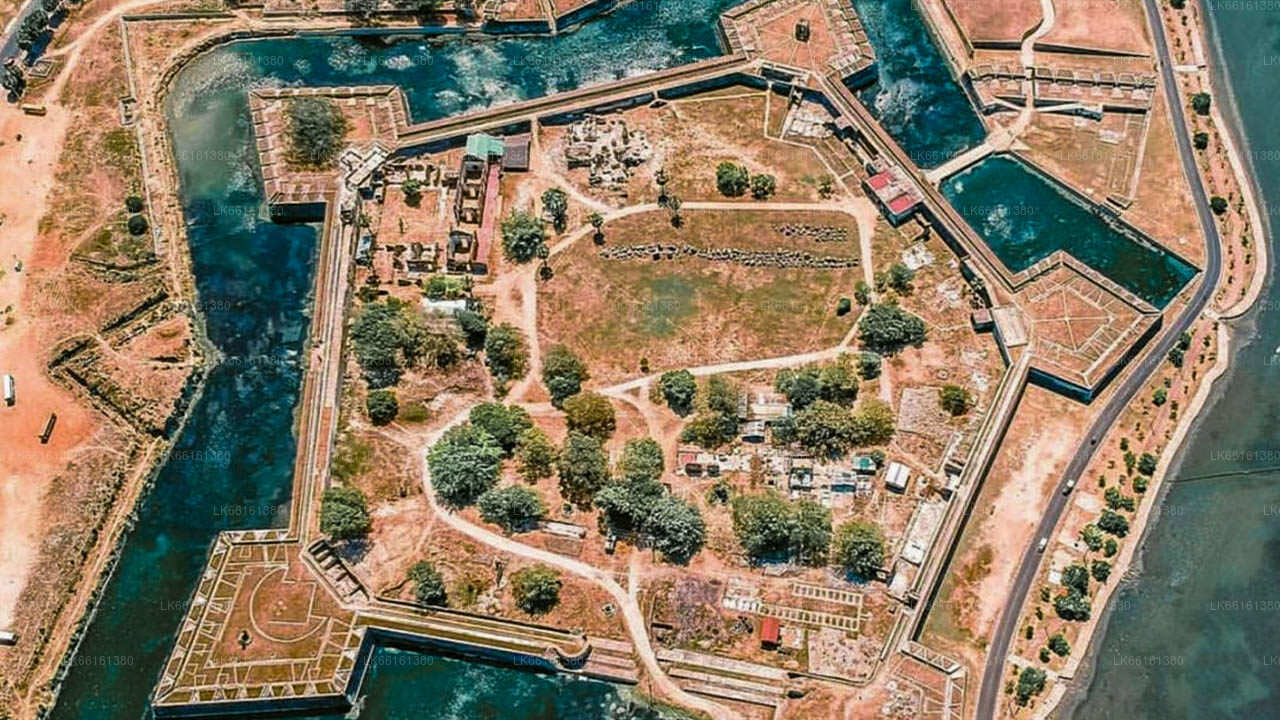
Jaffna is home to beautiful Hindu temples. An Old Dutch Fort still stands well preserved within which is an old Church. Another example of Dutch architecture is the King's House. No visit to Jaffna is complete without tasting the exquisite Jaffna mango, reputed for its sweetness. About 3 km away is the majestic Nallur Kandaswamy Temple, home to the largest religious festival in Jaffna. The Kayts Harbour is an ancient ship docking site in the Jaffna region.

About Northern Province

The Northern Province is one of the 9 provinces of Sri Lanka. The provinces have existed since the 19th century but they didn't have any legal status until 1987 when the 13th Amendment to the 1978 Constitution of Sri Lanka established provincial councils. Between 1988 and 2006 the province was temporarily merged with the Eastern Province to form the North-East Province. The capital of the province is Jaffna.

Northern Province is located in the north of Sri Lanka and is just 22 miles (35 km) from India. The province is surrounded by the Gulf of Mannar and Palk Bay to the west, Palk Strait to the north, the Bay of Bengal to the east and the Eastern, North Central and North Western provinces to the south.The province has a number of lagoons, the largest being Jaffna Lagoon, Nanthi Kadal, Chundikkulam Lagoon, Vadamarachchi Lagoon, Uppu Aru Lagoon, Kokkilai lagoon, Nai Aru Lagoon and Chalai Lagoon.Most of the islands around Sri Lanka are to be found to the west of the Northern Province. The largest islands are: Kayts, Neduntivu, Karaitivu, Pungudutivu and Mandativu.

The Northern Province's population was 1,311,776 in 2007. The majority of the populations are Sri Lankan Tamils, with a minority Sri Lankan Moor and Sinhalese population. Sri Lankan Tamil is the major language spoken in the province by the vast majority of the population. The other language spoken is Sinhala by 1 percent of the population. English is widely spoken and understood in the cities.