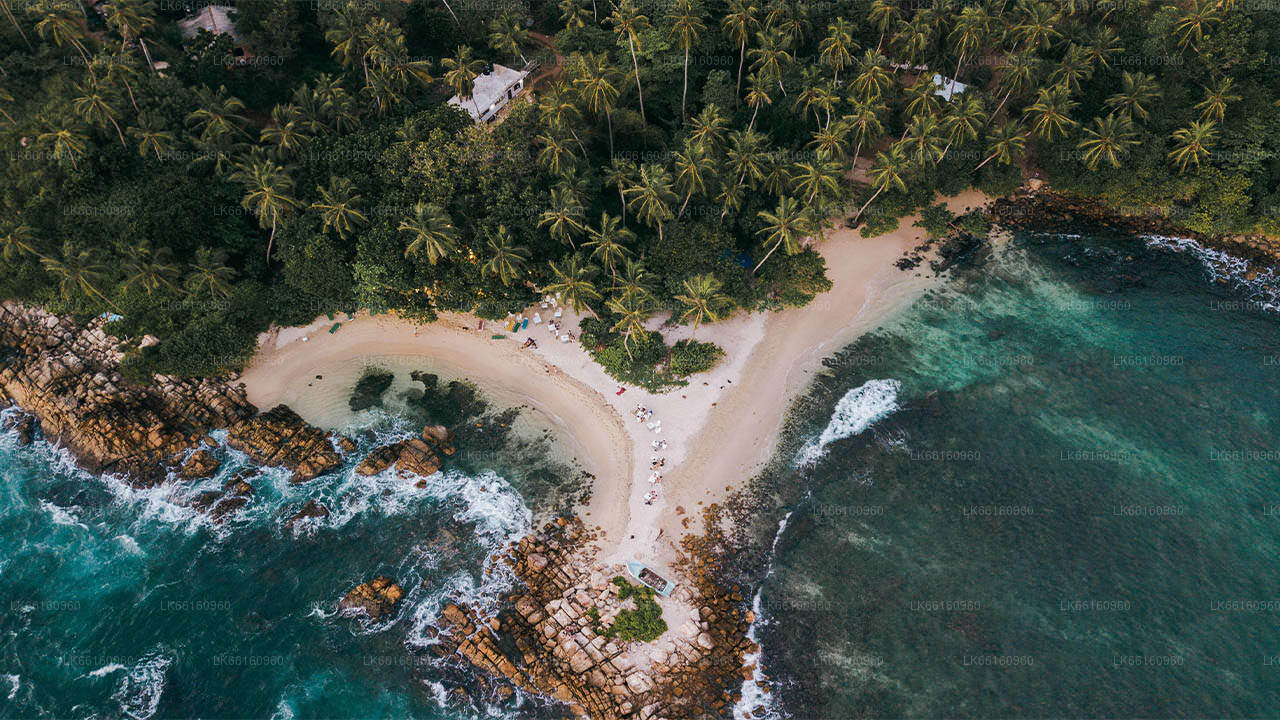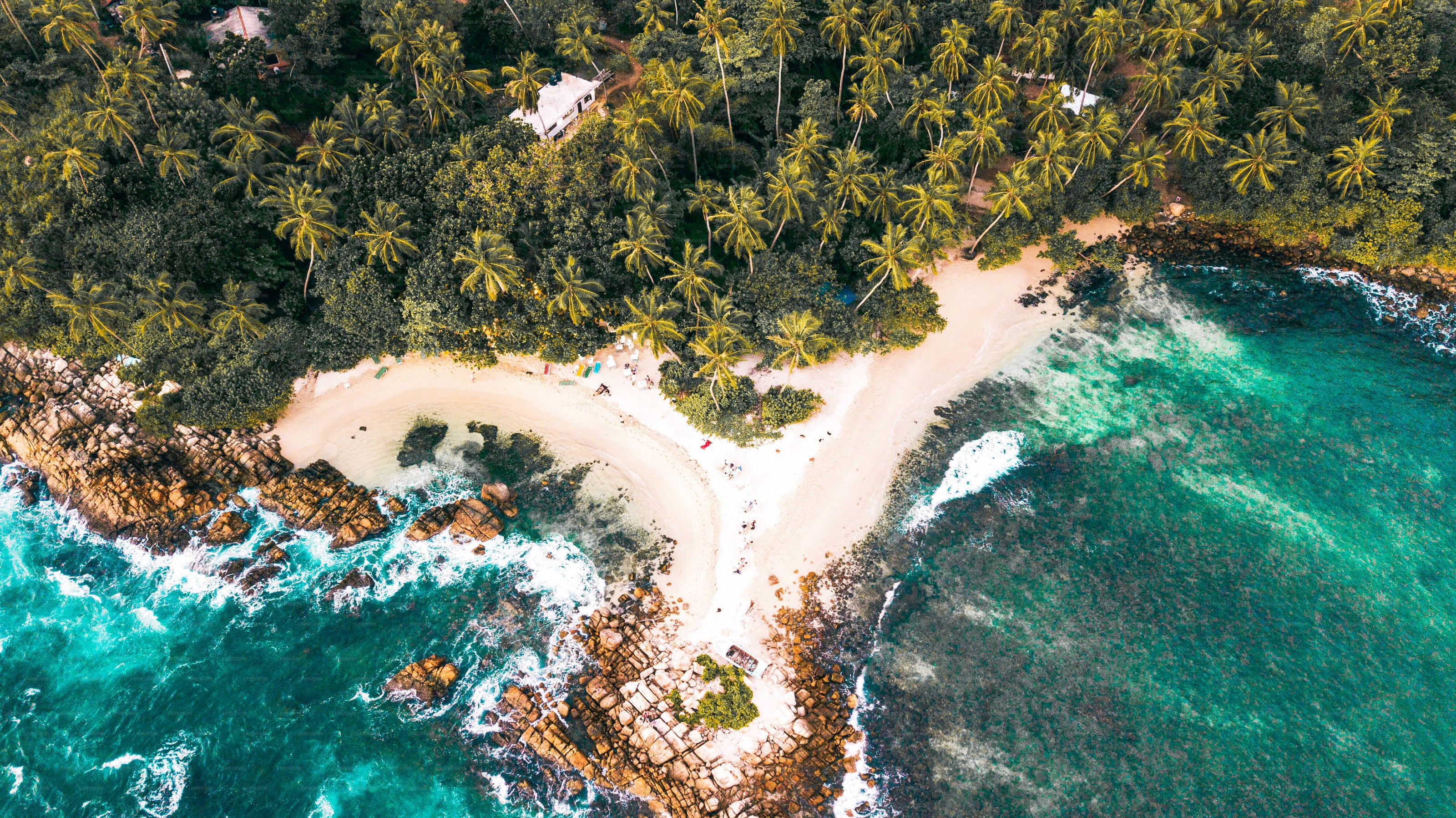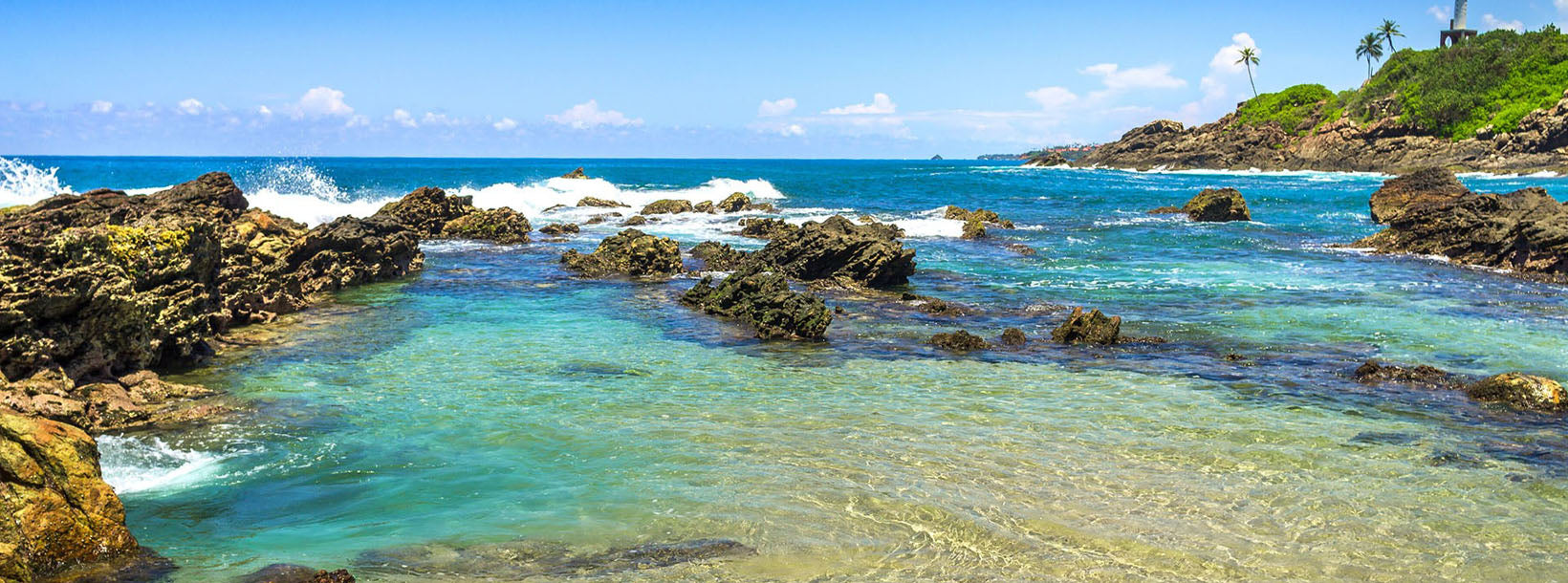
Mirissa sits on Sri Lanka's southern coast, roughly 150 km south of Colombo, curving into a sheltered crescent bay backed by coconut palms and low rocky headlands. It is small enough to walk end to end in under twenty minutes, yet it holds an outsized reputation — partly for its unhurried pace, partly because the deep water just offshore is one of the most reliable places on earth to encounter blue whales. Expect a genuine beach village rather than a resort strip: a handful of lanes, family-run guesthouses beside boutique properties, and seafood grills that fill up well before sunset.
When is the best time to visit Mirissa Beach?
The clearest, calmest conditions arrive between November and April, when the southwest monsoon has retreated and the Indian Ocean settles into long, glassy swells. This window is also peak whale-watching season, so boats depart daily from Mirissa Harbour during these months. Sea conditions from May to October can be rougher — the beach is still beautiful, and accommodation rates drop noticeably, but whale-watching tours are typically suspended and swimming requires more caution.
December and January are the busiest months. Visitors who prefer quieter surroundings with the same dry weather should aim for late October, early November, or March into April, when crowds thin out but conditions remain good.
What makes Mirissa one of Sri Lanka's top whale-watching destinations?
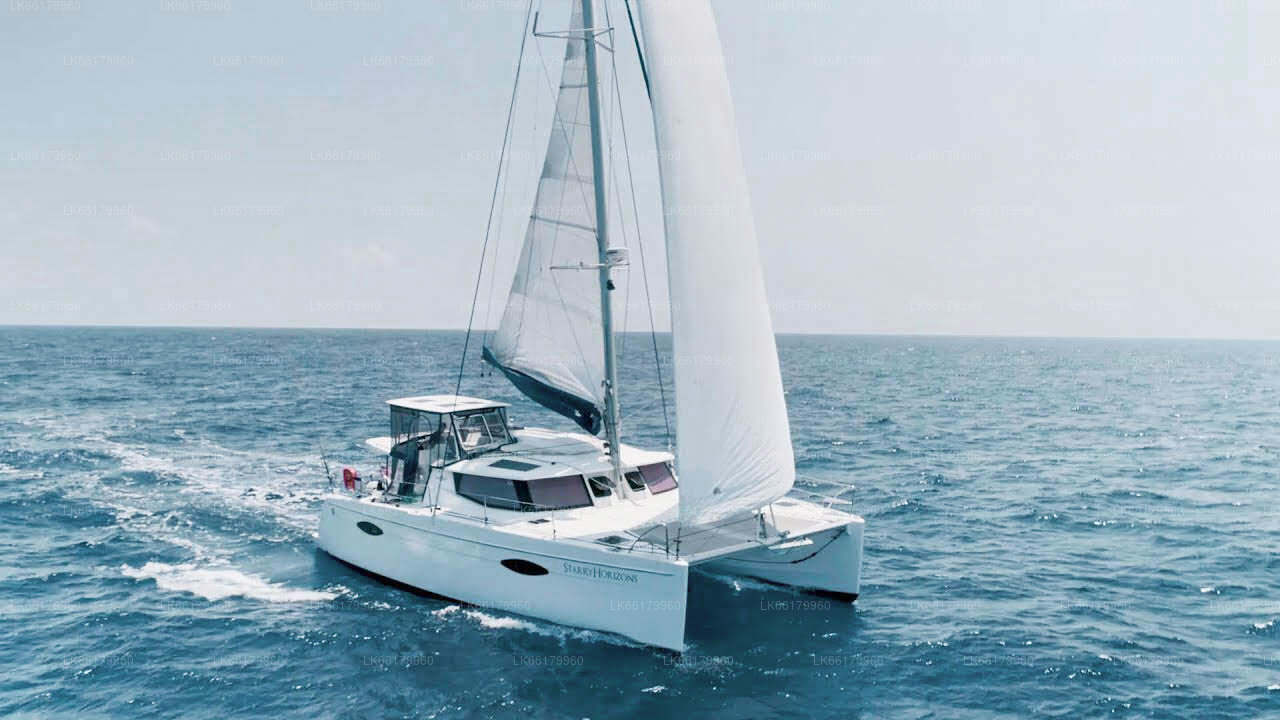
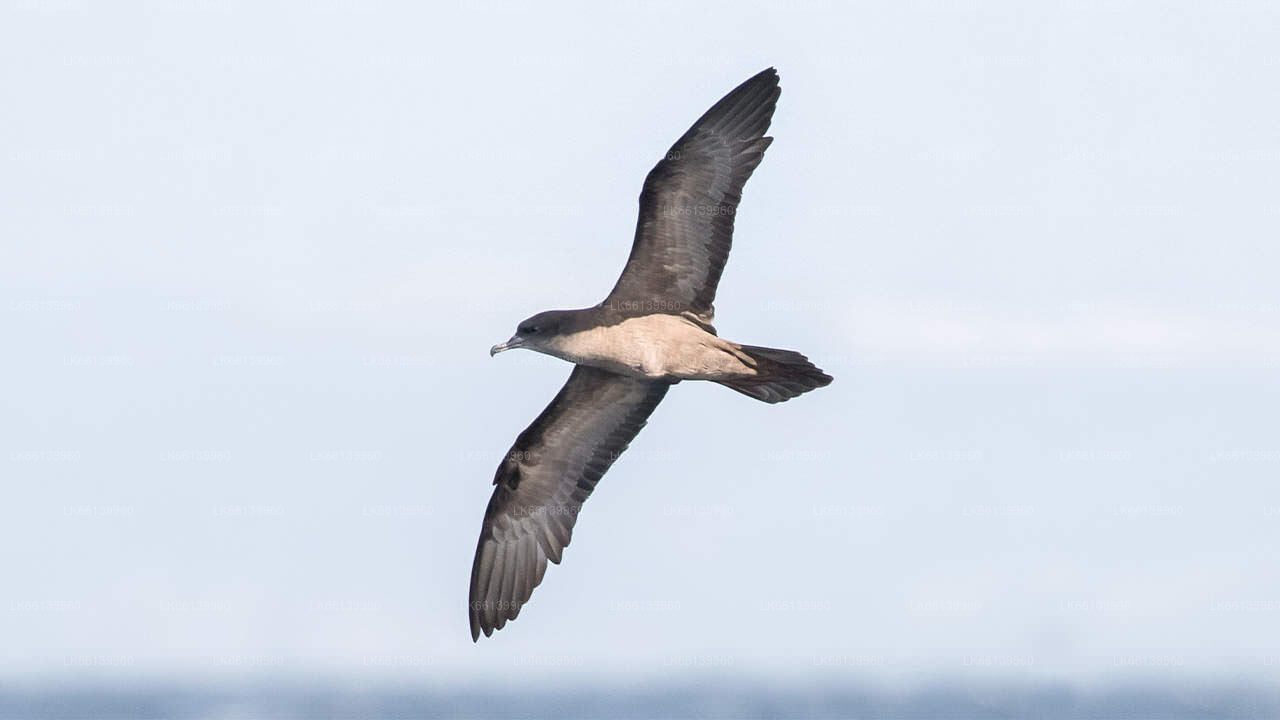
The continental shelf drops sharply just a few kilometres off Mirissa, creating deep, nutrient-rich water that blue whales follow on their migratory route through the Indian Ocean. Sri Lanka sits almost directly on that corridor, and Mirissa Harbour is the closest mainland departure point — typically a 90-minute boat ride to the feeding grounds. Blue whales are the primary draw, but sperm whales, Bryde's whales, and spinner dolphins are regularly encountered on the same excursions. Pods of orcas appear occasionally, though sightings are rarer.
Choose operators affiliated with responsible wildlife guidelines: reputable tours keep a respectful distance from animals and limit engine speed near pods. Morning departures (typically around 06:30) offer calmer seas and better light for photography.
What water sports and activities are available at Mirissa?
The bay's shape creates a moderate right-hand break that suits beginner and intermediate surfers, particularly at the western end near Parrot Rock. Boards and short lessons are available through several beachside outfits. Conditions are most consistent between November and March.
- Snorkelling: Parrot Rock, a small islet reachable by a short swim or paddle from the beach, has shallow reef sections with reasonable coral cover and reef fish. Water clarity varies with season.
- Scuba diving: Local dive centres run reef dives to sites a short boat ride from shore. Visibility and marine life density are generally better from December to March.
- Snorkelling with turtles: Green and hawksbill turtles feed in the waters around Mirissa year-round. Guided snorkelling tours specifically targeting turtle encounters can be arranged through local operators.
- Deep sea fishing: Half-day and full-day fishing charters depart from Mirissa Harbour targeting tuna, marlin, and dorado in the same deep water that draws the whales.
- Stand-up paddleboarding: The sheltered inner bay is calm enough for paddleboarding on most mornings before the afternoon breeze picks up.
What can I see and do near Mirissa?
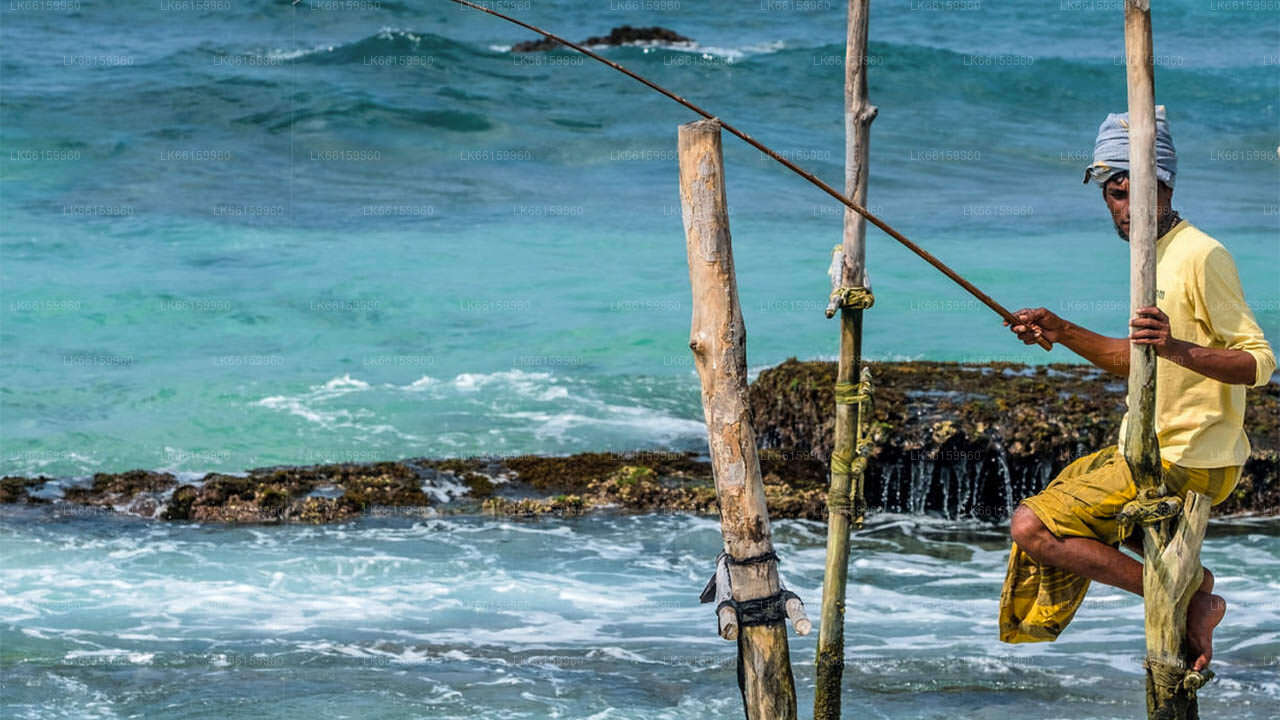
Mirissa's location on the southern coast places it within easy reach of several worthwhile stops. Weligama Bay, roughly 10 km to the west, is a wider bay with gentler, more consistent waves — a good choice for first-time surfers — and the unusual sight of stilt fishermen working the shallows at dawn. The Midigama stretch between Weligama and Mirissa has long been popular with experienced surfers for its reef breaks.
Galle, about 35 km to the west, holds the Galle Fort — a UNESCO World Heritage Site of Dutch colonial ramparts, cobbled lanes, boutique shops, and one of the better concentrations of independent restaurants in the south. It makes an easy half-day excursion from Mirissa. Further along the coast toward Colombo, the Koggala Sea Turtle Conservation Project and the Hikkaduwa Turtle Hatchery offer visits where guests can learn about nest protection and, in season, watch hatchlings released into the sea.
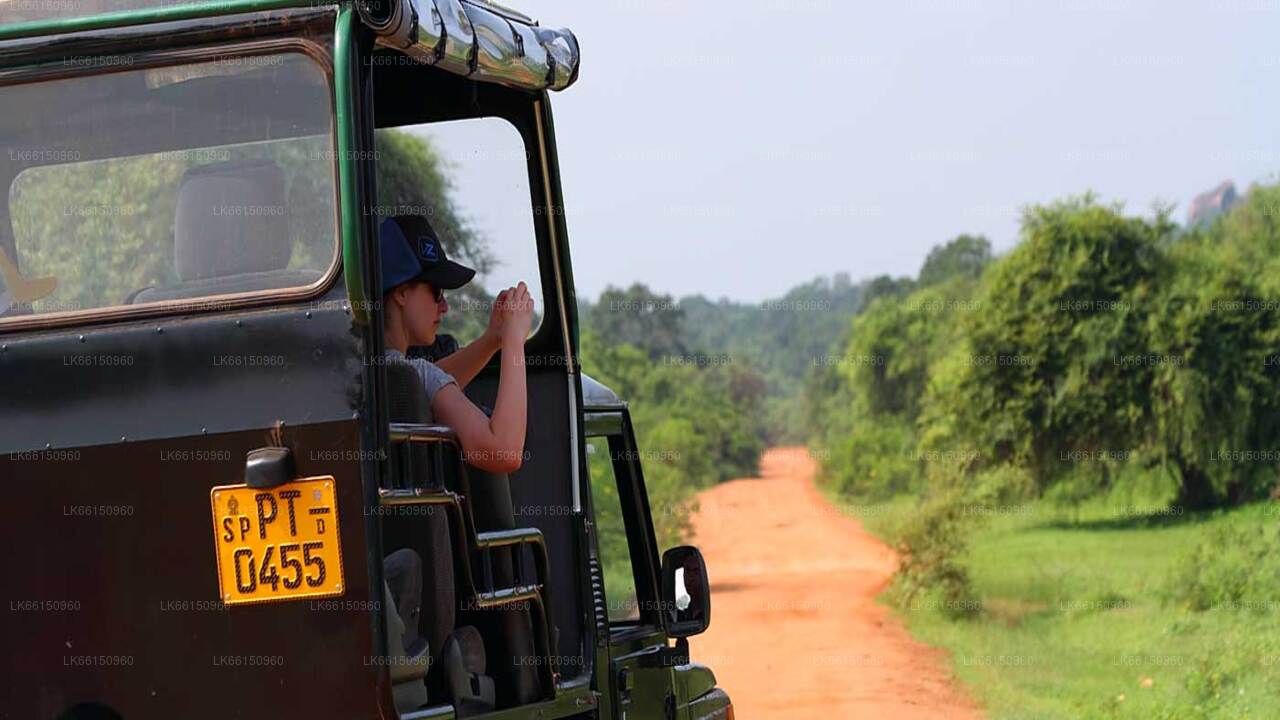
Inland from the southern coast, Udawalawe National Park is around two hours by road — a rewarding half-day or full-day safari with one of the highest densities of wild elephants in Asia. The Elephant Transit Home near Udawalawe rehabilitates orphaned elephant calves and allows morning and afternoon public viewing sessions.
The Madu River Safari on Madu Ganga — a UNESCO-listed wetland near Balapitiya — is around 40 km from Mirissa and offers a very different perspective: quiet mangrove channels, small island temples, and cinnamon gardens accessible only by flat-bottomed boat.
What is the food scene like in Mirissa?
The cooking centres on the day's catch. Mirissa Harbour lands tuna, seer fish, squid, and prawns most mornings, and the beachside restaurants buy directly from the boats. A typical evening meal might be grilled tuna with pol sambol (freshly grated coconut relish), a crab curry cooked in a clay pot, or a prawn dish with rice and dhal. Prices at smaller family restaurants are considerably lower than at the more polished establishments near the beach road.
International options — wood-fired pizza, shakshuka, acai bowls — have multiplied to meet the demand from long-stay travellers. Several spots along the main beach lane double as café-bars from mid-afternoon onward, serving fresh coconut water and fruit juices alongside cocktails as the sun drops toward Parrot Rock.
What accommodation options are available in Mirissa?
The range is genuinely wide. Budget travellers have a solid selection of guesthouses and hostels within a short walk of the beach, typically with clean rooms, strong ceiling fans, and rooftop breakfasts. The mid-range tier — small boutique hotels and beach villas — offers the best balance of character and comfort, often with private gardens or terraces close to the water. A smaller number of upmarket properties provide sea-view infinity pools, spa services, and the kind of quiet that justifies the premium. Direct beach access is common across all categories, though the most desirable spots fill early in the high season; booking ahead from October onward is advisable.
How do I get to Mirissa from Colombo?
The most comfortable option is a private transfer south along the Southern Expressway (E01), which reduces the journey to around two and a half to three hours depending on traffic around Colombo. The expressway exits at Pinnaduwa or Kapugoda; Mirissa is a short drive from either. Public trains run to Weligama, the nearest station (roughly 6 km away), with tuk-tuks covering the final stretch. The Matara–Colombo intercity train is scenic and inexpensive but takes around four hours. Long-distance buses serve Matara and Weligama from Colombo's Bastian Mawatha terminal.
Travellers combining Mirissa with Galle, Tangalle, or the hill country can hire a car and driver for the flexibility of stopping at coastal points en route — particularly useful if whale-watching, Udawalawe, and Galle Fort are all on the itinerary.
Practical information for visiting Mirissa Beach
| Detail | Notes |
|---|---|
| Best season | November to April (whale watching, calm seas) |
| Whale watching | Peak November–April; departures typically from Mirissa Harbour around 06:30 |
| Surfing | November–March most consistent; beginner-friendly inside break |
| Nearest town | Weligama (~6 km west); Matara (~15 km east) |
| Distance from Colombo | Around 150 km; approximately 2.5–3 hours via expressway |
| Distance from Galle | Around 35 km; approximately 45–60 minutes by road |
| Nearest airport | Bandaranaike International Airport (CMB), Colombo |