Lakpura
Lakpura®

Mammal Watching

Sri Lanka packs a remarkable density of mammal species into an island roughly the size of Ireland. More than 125 land mammal species have been recorded here, including 21 endemics found nowhere else on Earth. Add a suite of marine mammals — blue whales, sperm whales, spinner dolphins — and it becomes clear why dedicated mammal watchers are increasingly choosing Sri Lanka over larger, more visited destinations in the region.

Which mammals can I see in Sri Lanka?

The island's mammals range from the iconic to the overlooked. At the top of every visitor's wish list are the Asian elephant and the Sri Lankan leopard, but the supporting cast is equally compelling.

  • Large mammals: Asian elephant, Sri Lankan leopard, sloth bear, wild boar, sambar deer, water buffalo
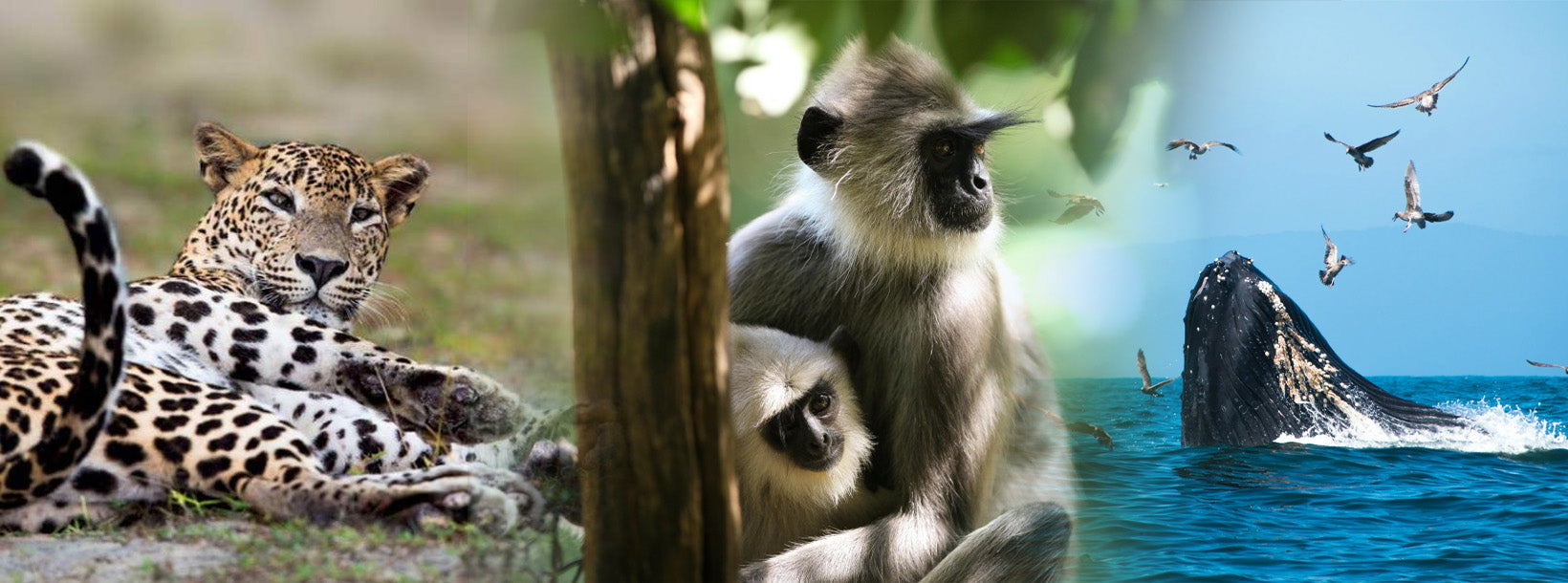
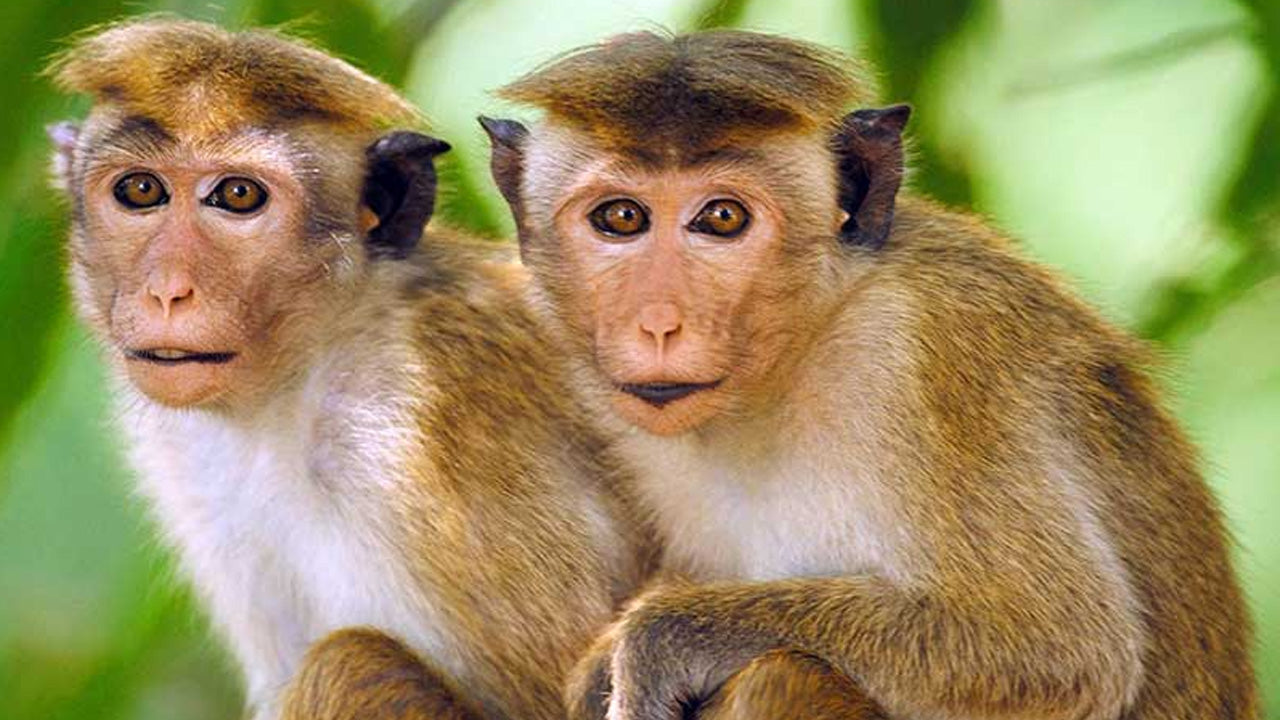
  • Primates: grey langur, purple-faced leaf monkey (endemic), toque macaque (endemic), red slender loris (endemic)
  • Small cats: fishing cat, jungle cat, rusty-spotted cat
  • Smaller mammals: Indian crested porcupine, Sri Lanka giant squirrel (endemic), Indian giant flying squirrel, jungle squirrel, Indian hare, Indian gerbil, small Indian mongoose, common palm civet, golden palm civet (endemic)
  • Aquatic and semi-aquatic: smooth-coated otter, Eurasian otter, mugger crocodile
  • Bats: Indian flying fox, woolly horseshoe bat, and several other insectivorous species
  • Marine mammals: blue whale, sperm whale, Bryde's whale, spinner dolphin, bottlenose dolphin

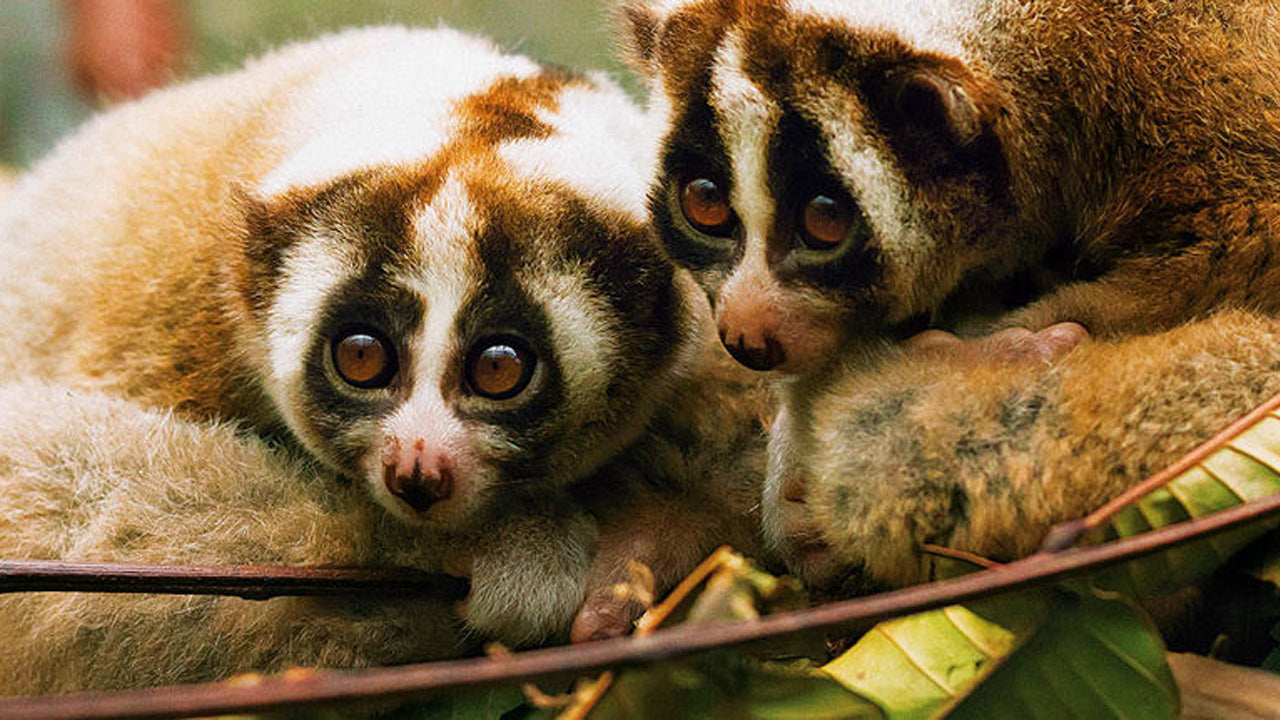
The rusty-spotted cat — one of the world's smallest wild felids — is rarely photographed, making a confirmed sighting a genuine prize. Similarly, the red slender loris is cryptic enough that most visitors miss it entirely without a specialist guide and a night excursion.

Where are the best places for mammal watching in Sri Lanka?

Habitat varies dramatically across the island, and different parks reward different target species.

Location Key target species Best season
Yala National Park Sri Lankan leopard, sloth bear, elephant Feb – Jul
Wilpattu National Park Sri Lankan leopard, sloth bear, fishing cat Feb – Oct
Udawalawe National Park Asian elephant, water buffalo, sambar Year-round
Minneriya / Kaudulla National Parks Asian elephant (The Gathering), grey langur Jun – Sep
Horton Plains National Park Sambar, purple-faced leaf monkey, otter Jan – Apr
Sinharaja Forest Reserve Purple-faced leaf monkey, red slender loris, flying squirrel Jan – Apr, Aug – Sep
Kalpitiya / Trincomalee coast Spinner dolphin, blue whale, sperm whale Nov – Apr (Kalpitiya); Mar – Apr (Trincomalee)

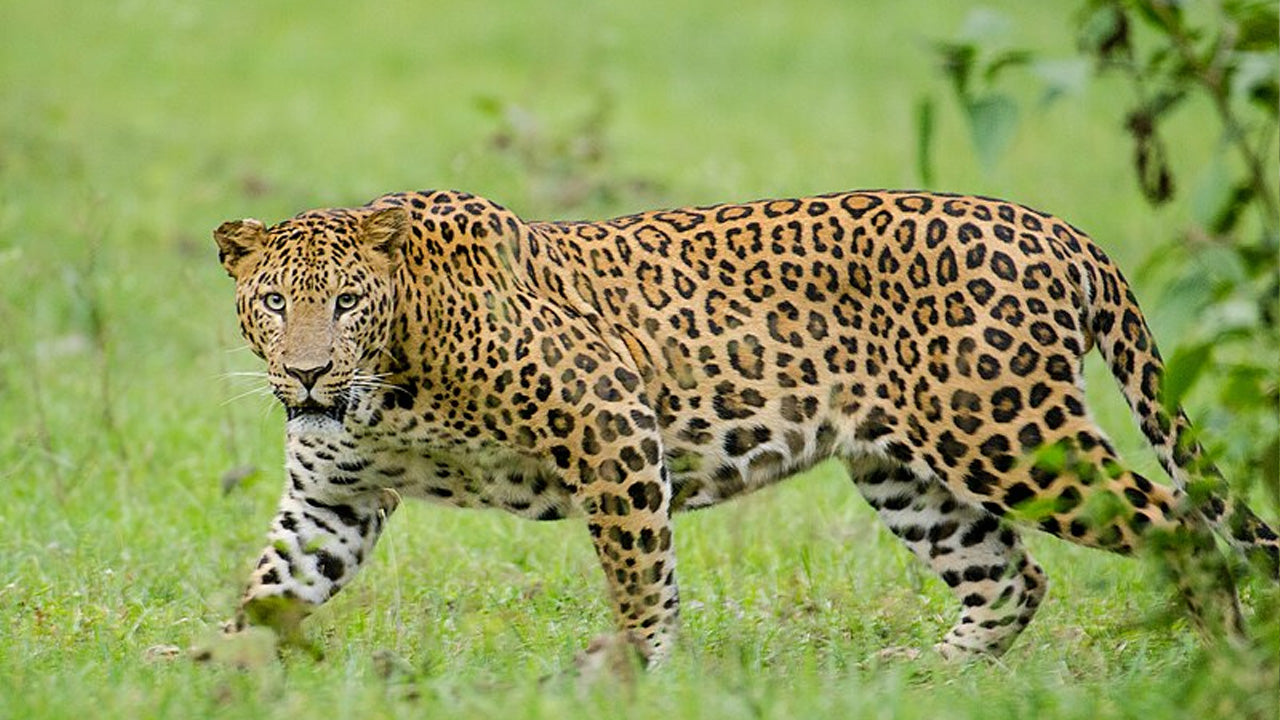
Yala holds one of the highest recorded densities of leopards of any protected area in the world, which makes it the most reliable location for a sighting, though the park's popularity means vehicles can cluster around a cat. Wilpattu, by contrast, offers a quieter experience in a mosaic of open lakes and dense jungle — patience is rewarded here.

What makes nocturnal mammal watching worth doing?

Several of Sri Lanka's most intriguing species are only active after dark. A guided night walk adds a completely different dimension to a wildlife itinerary without requiring extra travel between parks.

The red slender loris — Sri Lanka's only strepsirrhine primate — moves through the undergrowth of dry-zone forests and scrubland after sunset, its large reflective eyes catching a torch beam before the animal itself comes into focus. Civets, porcupines, fishing cats, and various bat species are also reliably encountered at night. Flying squirrels glide between trees in forested areas of the wet zone, while the Indian flying fox roosts in large colonies that are visible at dusk.

Lakpura's naturalists are familiar with the most productive nocturnal routes — including areas around Wilpattu and the wetter forests of the south-west — and carry appropriate lighting equipment without disturbing the animals unnecessarily.

How does an elephant-watching experience in Sri Lanka work?

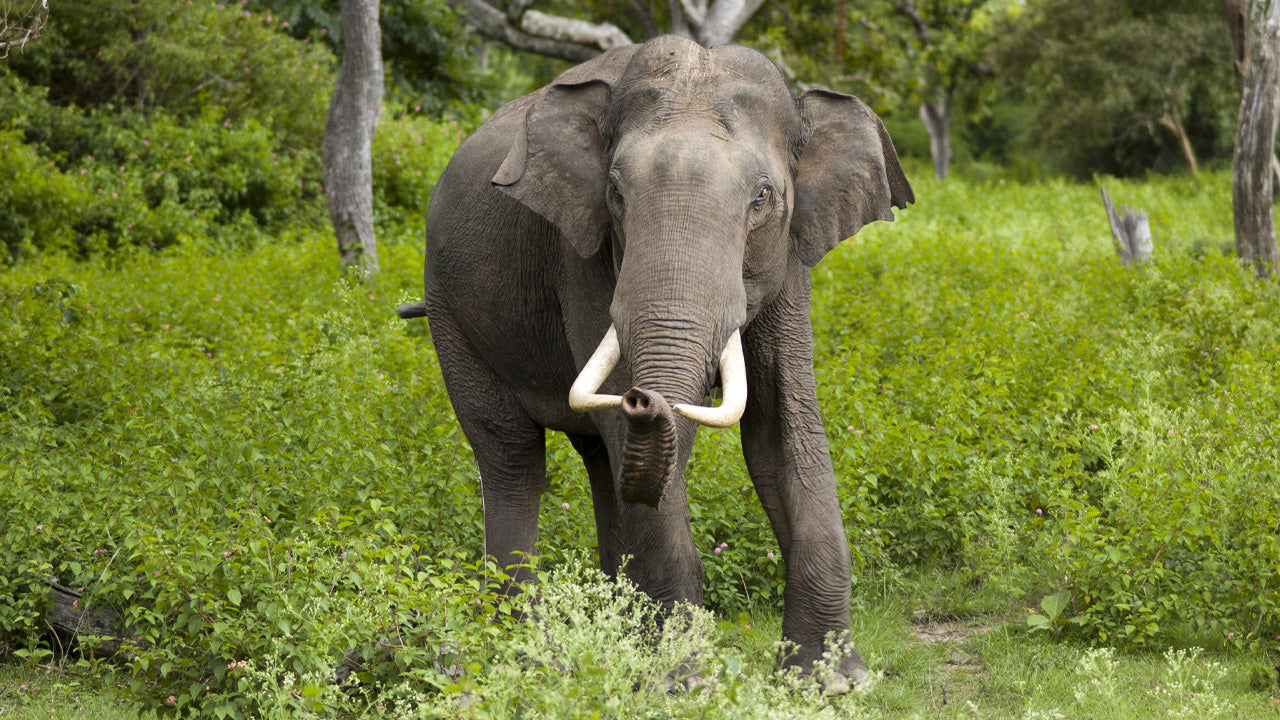
Sri Lanka's Asian elephant population is one of the largest in Asia and, unlike in some countries, elephants here are found across a wide range of habitats from lowland dry-zone scrub to hill-country forests. The most theatrical experience is The Gathering at Minneriya and Kaudulla, where several hundred elephants converge around shrinking water bodies between roughly June and September — one of the largest concentrations of Asian elephants observed anywhere.

For a more intimate experience, the Elephant Transit Home near Udawalawe rehabilitates orphaned wild elephants before releasing them back into the national park. Observation sessions are scheduled several times a day during feeding periods.

Can I watch marine mammals in Sri Lanka?

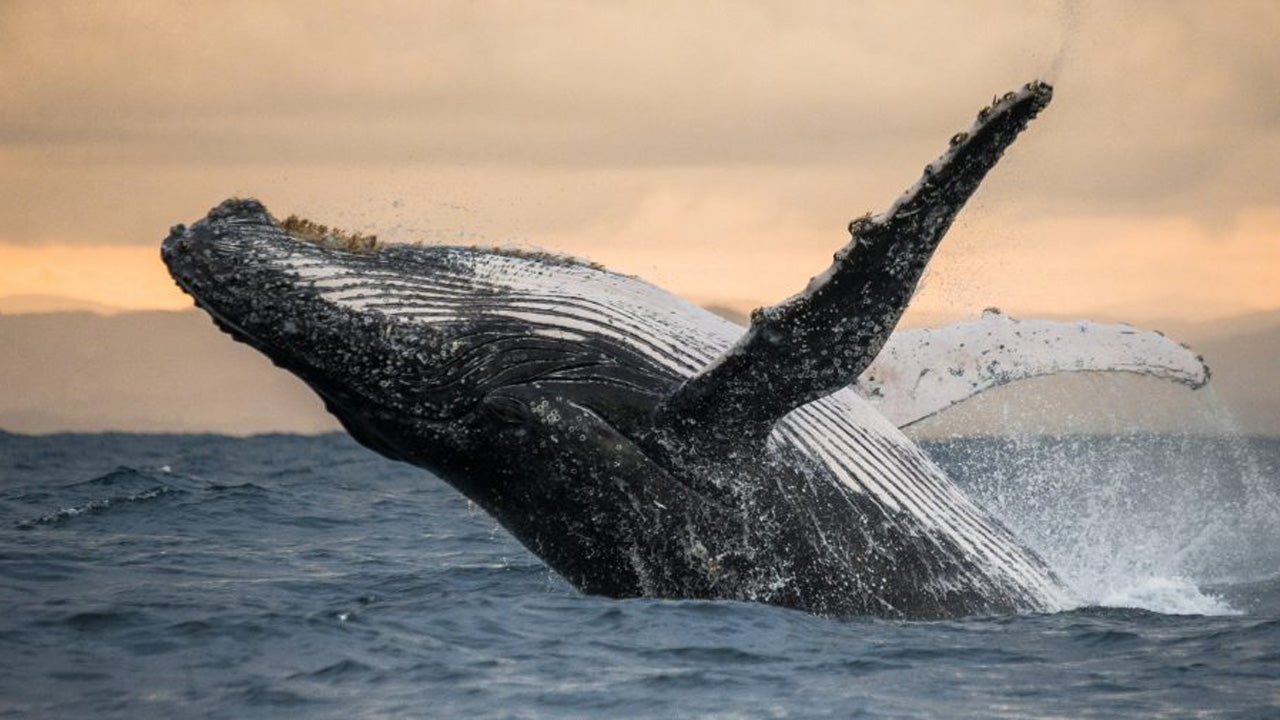
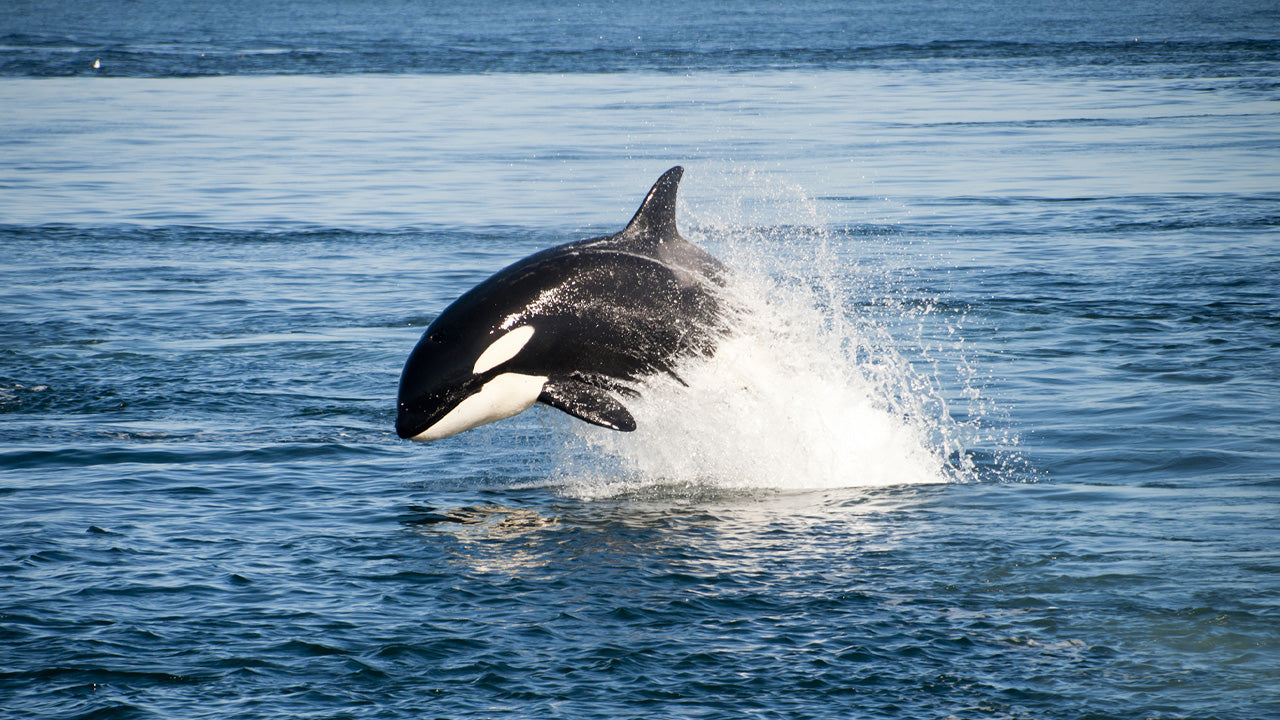
Sri Lanka sits at the intersection of migratory routes that make the waters off its southern and north-western coasts among the most productive for cetacean watching in Asia. Blue whales — the largest animals on the planet — gather in significant numbers in the deep water off Mirissa and Dondra between roughly December and April. Spinner dolphins are present year-round and often bow-ride in groups of several hundred.

The north-western coast around Kalpitiya is a reliable spot for large pods of spinner and bottlenose dolphins. Trincomalee, on the east coast, offers whale watching in calmer seas between March and April when the north-east monsoon has eased.

When is the best time to go mammal watching in Sri Lanka?

Sri Lanka has two monsoon cycles, and the optimal timing differs by region. As a general guide:

  • December to March: Best for the dry south and west (Yala, marine mammals off Mirissa). The Horton Plains highlands are also accessible and dry at this time.
  • February to October: Wilpattu is open and productive for leopard sightings.
  • June to September: The Gathering at Minneriya and Kaudulla peaks. The dry season in the north-central zone keeps water sources concentrated, drawing large mammal aggregations.
  • Year-round: Udawalawe for elephants, most primate species, and general wildlife drives.

Nocturnal walks can be arranged throughout the year in suitable locations, though trails in the wet zone may be temporarily closed during heavy rains.

How do I arrange a mammal watching tour with Lakpura?

Lakpura designs mammal watching itineraries around your available time and target species list. A short break of six to seven days can cover a southern circuit (Yala, Udawalawe) with a night excursion included. Longer itineraries of 12 to 18 days allow for the full spectrum — leopard, elephant, sloth bear, dolphin, whale, and loris — across multiple bioclimatic zones.

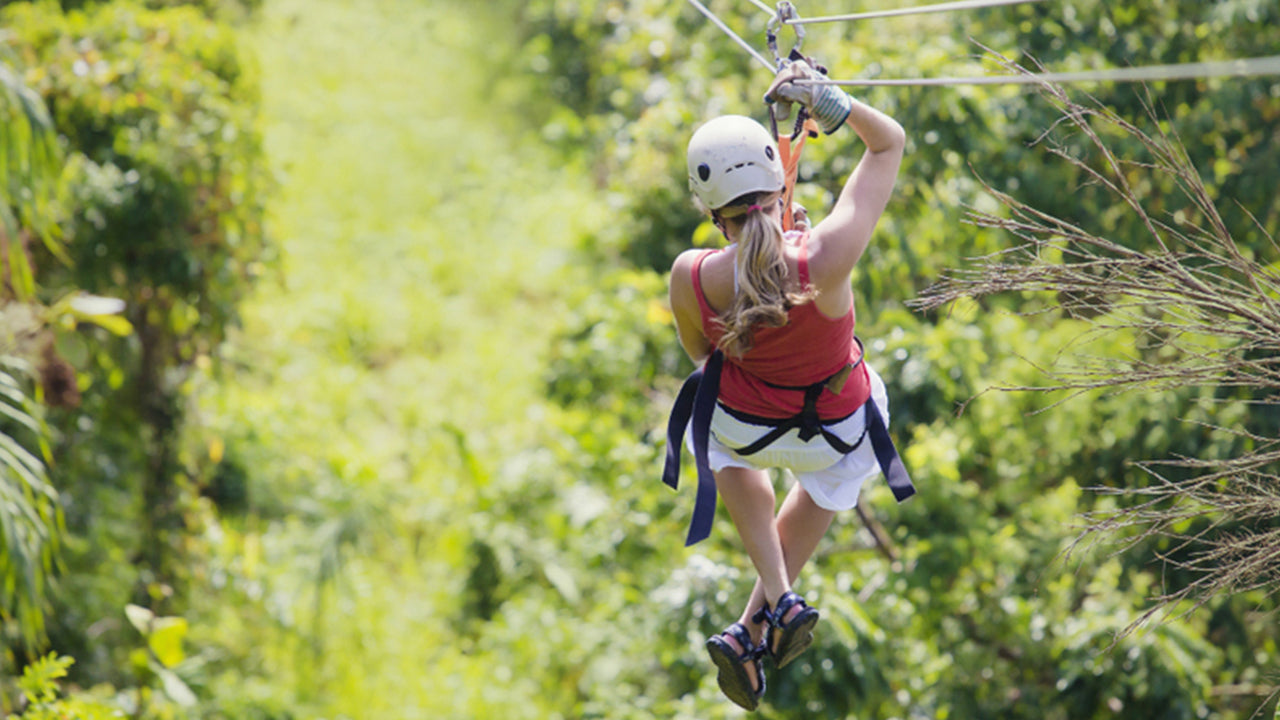
All wildlife drives are arranged in 4x4 jeeps with experienced naturalist guides who understand animal behaviour and positioning within each park. Accommodation is selected to keep travel time between key sites to a minimum, preserving energy for the early-morning game drives when mammals are most active.

Book this experience with Lakpura

Curated by our local team. Direct booking, instant confirmation.

Ask Lakpura® Agent