Kiri Vehera-stupan

Kiri Vehera Stupa Kiri Vehera Stupa Kiri Vehera Stupa

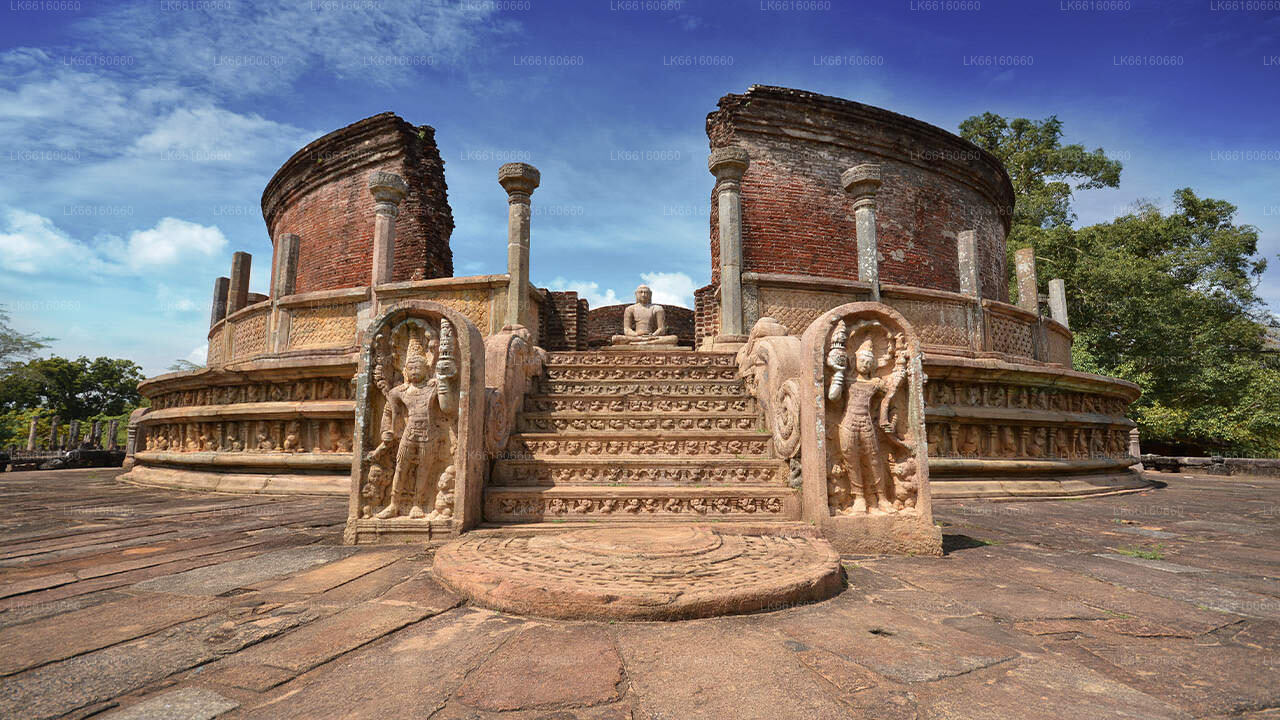
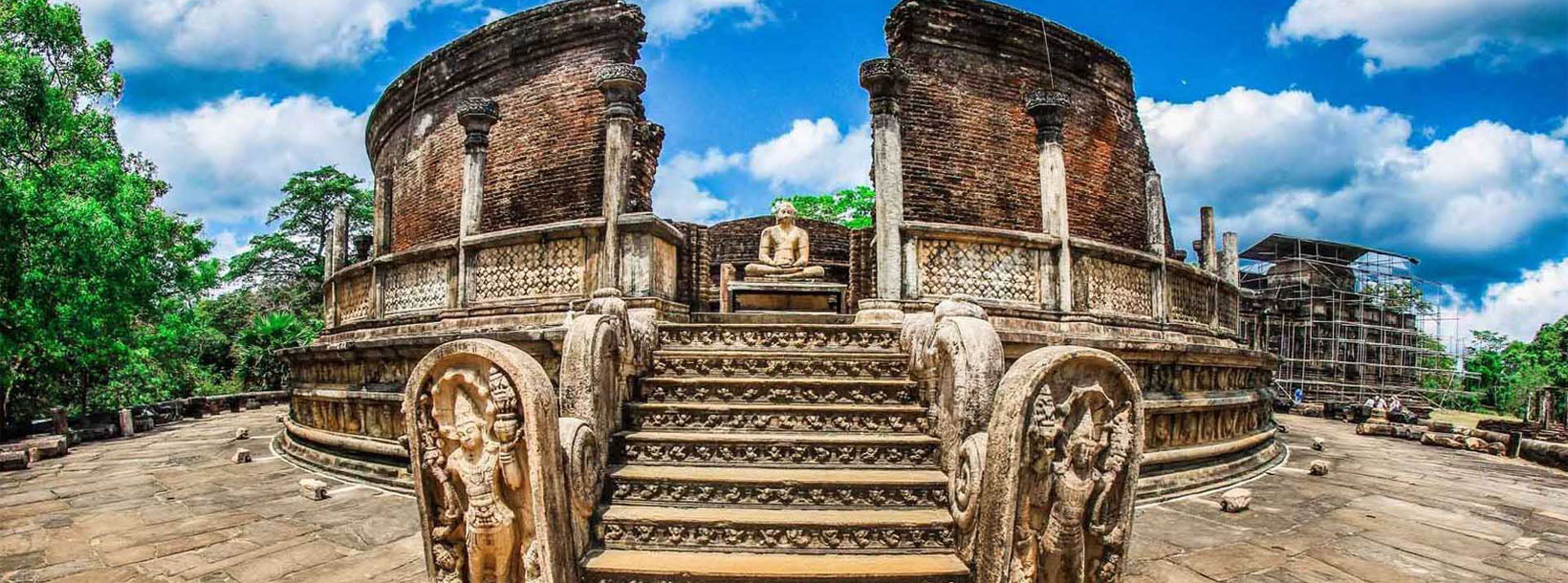
Kiri Vehera Stupa är ett gammalt buddhistiskt monument som ligger i den historiska staden Polonnaruwa på Sri Lanka. Denna heliga stupa byggdes under kung Parakramabahu I:s regeringstid på 1100-talet och är en av de viktigaste och bäst bevarade religiösa platserna i området. Namnet "Kiri Vehera" översätts till "Mjölk Stupa", vilket återspeglar dess bländande vita utseende och dess betydelse i Sri Lankas buddhistiska arv.

Stupan är känd för sin stora kupolformade struktur, omgiven av vackert uthuggna stenspelare och antika ruiner. Det tros att den rymmer Buddha-reliker, vilket gör den till en viktig pilgrimsplats för buddhister. Området runt omkring, med sin frodiga grönska och fridfulla atmosfär, tillför platsens andliga betydelse och erbjuder besökare en plats för fred och eftertanke.

Besökare vid Kiri Vehera Stupa kan utforska de arkeologiska resterna av platsen, inklusive steninskriptioner, mindre helgedomar och gamla klosterkomplex. Stupans lugna läge mitt i Sri Lankas kulturella triangeln gör den till ett populärt resmål för både turister och pilgrimer, och ger en inblick i öns rika buddhistiska historia.

Den bästa tiden att besöka Kiri Vehera Stupa är under torrsäsongen, från december till april, när vädret är perfekt för sightseeing och för att utforska Polonnarus ruiner. Platsen är lätt tillgänglig från staden, vilket ger en meningsfull upplevelse för de som är intresserade av Sri Lankas gamla buddhistiska arkitektur och historia.

Kiri Vehera Stupa Kiri Vehera Stupa Kiri Vehera Stupa

About Polonnaruwa District

Polonnaruwa is the 2nd largest city in north central province in Sri Lanka. The ancient city of Polonnaruwa has been declared a World Heritage site by UNESCO Polonnaruwa has a great history of conquest and struggle behind it and rightfully forms the third element in the Cultural Triangle. Located about 140 kms north east from Kandy,Polonnaruwa offers hours of endless pleasure for history and culture lovers, as there are numerous sights of significance.

Much of the physical ruins standing today are credited to King Parakrama Bahu I who spent many royal resources on town planning, including parks, edifices, irrigation systems and so on. The period of his rule is considered a golden age where the kingdom thrived and prospered under a visionary ruler. The Parakrama Samudra is a mammoth tank and named after its patron. The popular kings Royal Palace, the Audience Hall encircled by beautifully carved stone elephants and the Bathing Pool reflect the superior engineering capabilities of the time.

About North Central Province

North Central Province which is the largest province in the country covered 16% of total country's land area. North Central Province consist two districts called Polonnaruwa and Anuradhapure. Anuradhapura is the largest district in Sri Lanka. Its area is 7,128 km².

North Central Province has numerous potentials for Investors to start their Businesses, especially Agriculture, agro based industries and Livestock sectors. More than 65% of North Central Province's people depend on basic Agriculture and agro base industries. NCP also called "Wew Bendi Rajje" because there are more than 3,000 medium and large scale tanks situated in the province. Sri maha bodiya, Ruwanweli seya, Thuparama dageba, Abayagiri Monastry, Polonnaruwa Rankot wehera, Lankathilake are scared