Lakpura
Lakpura®

July

July sits firmly within the southwest monsoon season, meaning the western and southern coasts experience regular rainfall while the north and east bask in largely dry, settled weather. Far from being a month to avoid, July rewards travellers who follow the weather: the eastern seaboard opens up for marine activities, the northern parks fill with wildlife, and the Cultural Triangle offers lush, rain-freshened landscapes under mostly clear morning skies.

What is the weather like in Sri Lanka in July?

The southwest monsoon drives persistent rain and cloud across Colombo, Galle, and the hill country throughout July. The western beaches are best skipped this month. Meanwhile, Trincomalee, Nilaveli, Arugam Bay, and the wider north-central dry zone typically receive minimal rainfall and enjoy warm, sunny conditions. If your itinerary is flexible, orienting it around the east and north is the most reliable strategy for July.

Which national parks are worth visiting in July?

The dry-zone parks come into their own when the rest of the island is wet. Game drives are productive and, in several parks, the reduced tourist footprint of the shoulder season makes for a quieter, more intimate experience.

  • Wilpattu National Park: Sri Lanka's largest national park, set in the northwest, stays relatively dry in July. The distinctive villus — natural lakes formed by rainwater — fill gradually, drawing leopards, elephants, sloth bears, and a wide range of waterbirds. Morning drives here regularly turn up sightings that would be exceptional elsewhere.
  • Wasgamuwa National Park: Tucked into the north-central province, Wasgamuwa offers reliable elephant sightings among riverine forest and scrubland. Birdwatching is strong in July, with resident species joined by some early migratory visitors.
  • Minneriya National Park: The famous Great Elephant Gathering peaks between August and October when the Minneriya tank recedes, but July already brings good congregations as elephants begin moving toward the water's edge. Herds of 50 to 100 animals are not unusual.
  • Hurulu Eco Park: A quieter alternative near Habarana, Hurulu is home to a resident elephant population and makes an easy half-day excursion that pairs well with a Sigiriya or Polonnaruwa visit.

What water sports can I do in July?

The east coast is the water-sports capital of Sri Lanka in July. Calm seas, warm water, and consistent visibility combine to make marine activities genuinely excellent rather than merely possible.

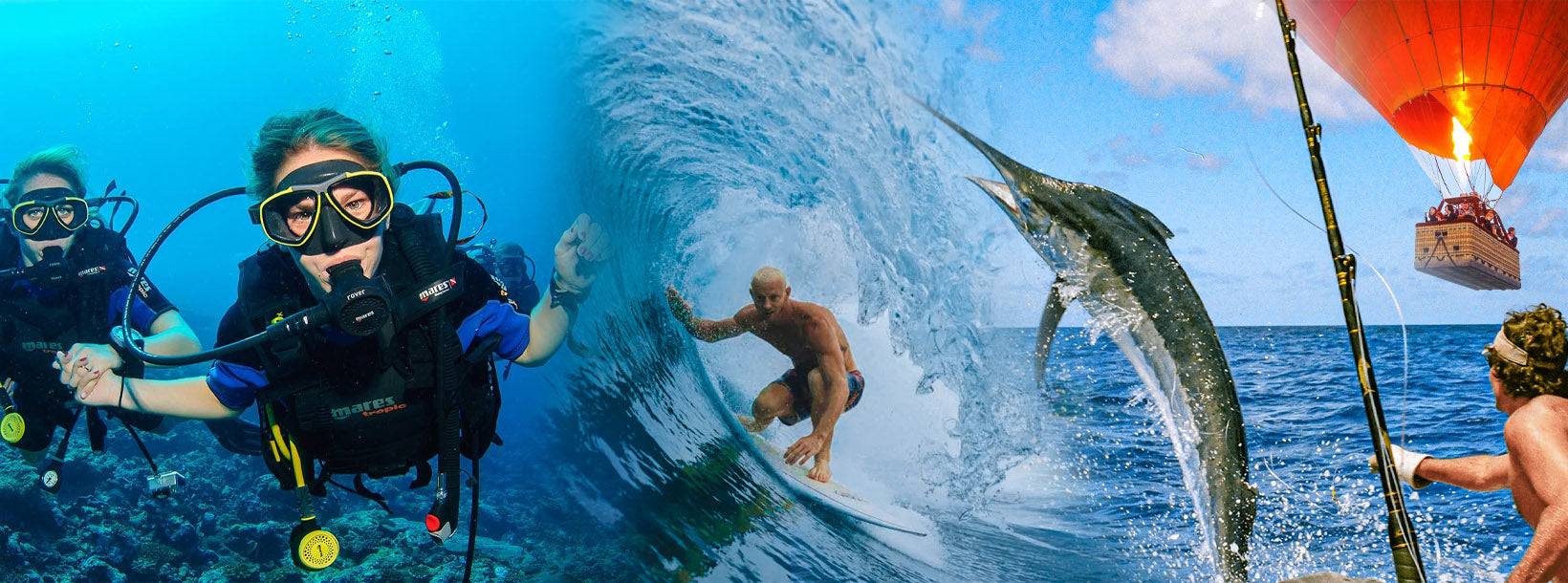
Scuba diving and snorkelling around Trincomalee and Nilaveli offer some of the clearest conditions of the year. Coral reefs, historic shipwrecks, and a dense population of tropical fish and sea turtles reward both beginners and certified divers. Pigeon Island National Park, a short boat ride from Nilaveli, is particularly good for shallow reef snorkelling.

Deep-sea fishing is productive off Trincomalee in July. Anglers typically target marlin, yellowfin tuna, and barracuda in the warm offshore waters. Most operators run full-day and half-day charters from the harbour.

Dolphin and whale watching are among July's highlights on the east coast. Trincomalee has a well-established reputation for blue whale and sperm whale sightings, and spinner dolphin pods are frequently encountered close to shore. Morning departures give the best sea conditions.

Is July good for kitesurfing in Kalpitiya?

Kalpitiya, on the northwest coast, is one of the few places where the southwest monsoon works in a traveller's favour. The lagoon sits behind a natural sand bar that flattens the water, and the consistent south-westerly winds — typically 15 to 25 knots throughout July — create near-ideal conditions for kitesurfing. Beginners can progress quickly in the sheltered lagoon, while advanced riders use the open-water channels for longer runs. Several established schools operate discovery courses as well as multi-day coaching programmes.

Can I go hot-air ballooning in July?

Ballooning in the Cultural Triangle around Dambulla, Sigiriya, and Habarana depends heavily on local weather. July mornings can be clear and calm in this inland dry zone even when the west is wet, making early-morning flights occasionally possible. Operators assess conditions daily, and most will reschedule rather than cancel if winds are unsuitable. If you plan to balloon in July, build at least two consecutive mornings of flexibility into your itinerary to maximise the chances of a successful flight.

What cultural events happen in Sri Lanka in July?

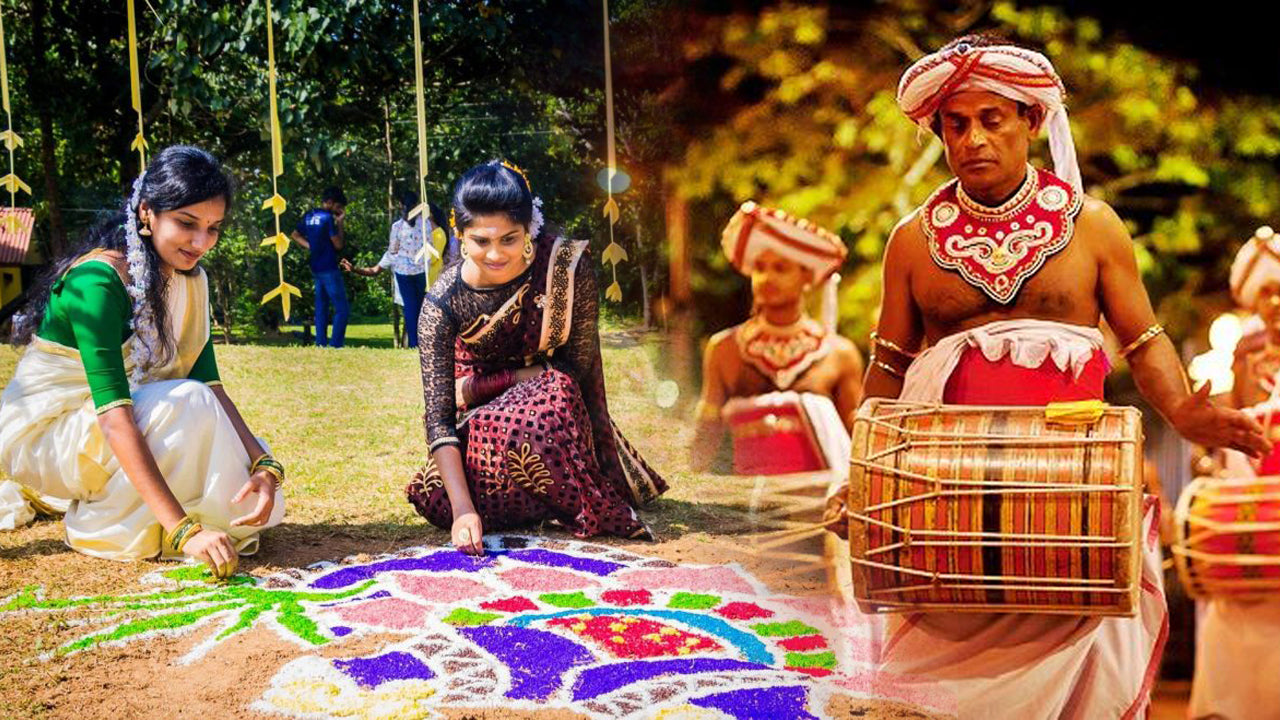
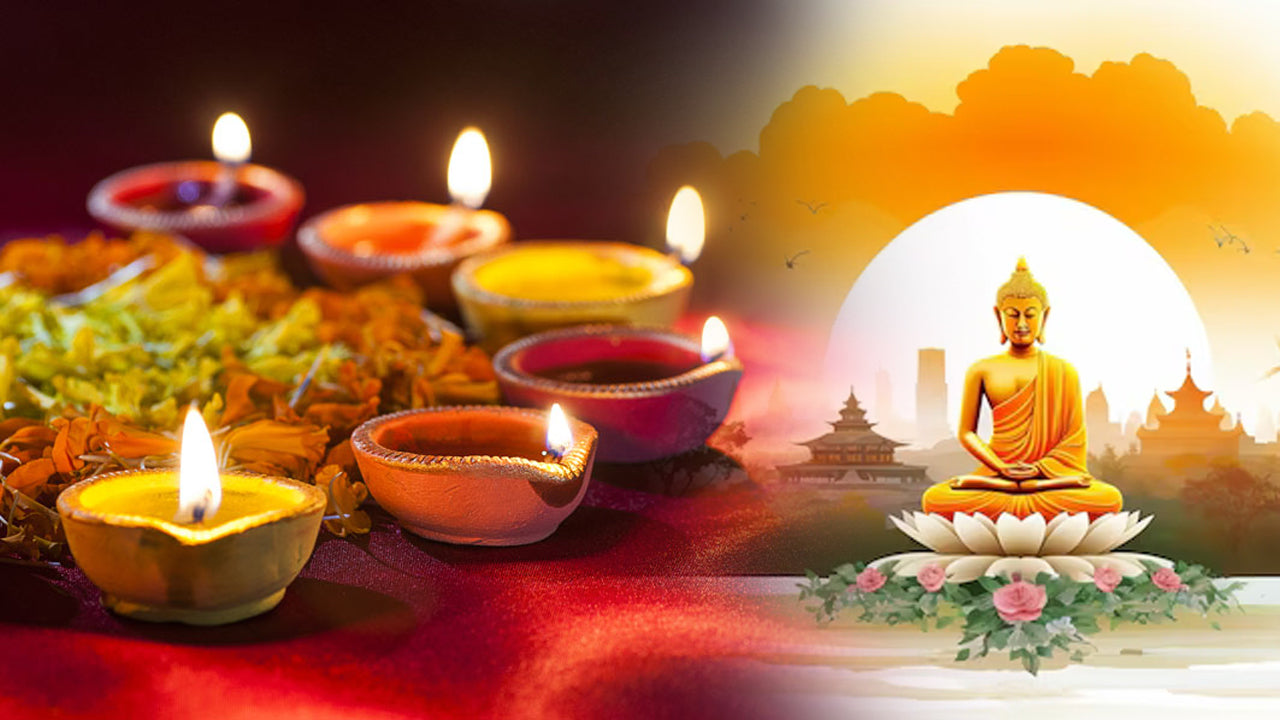
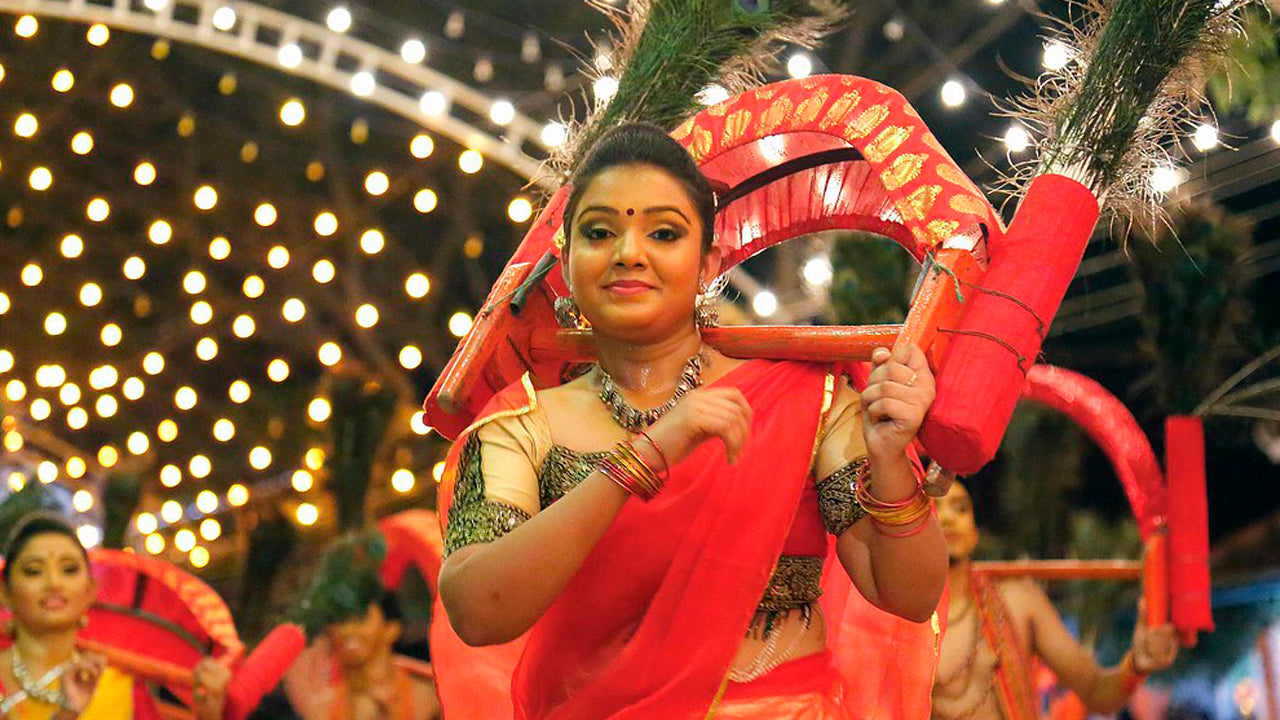
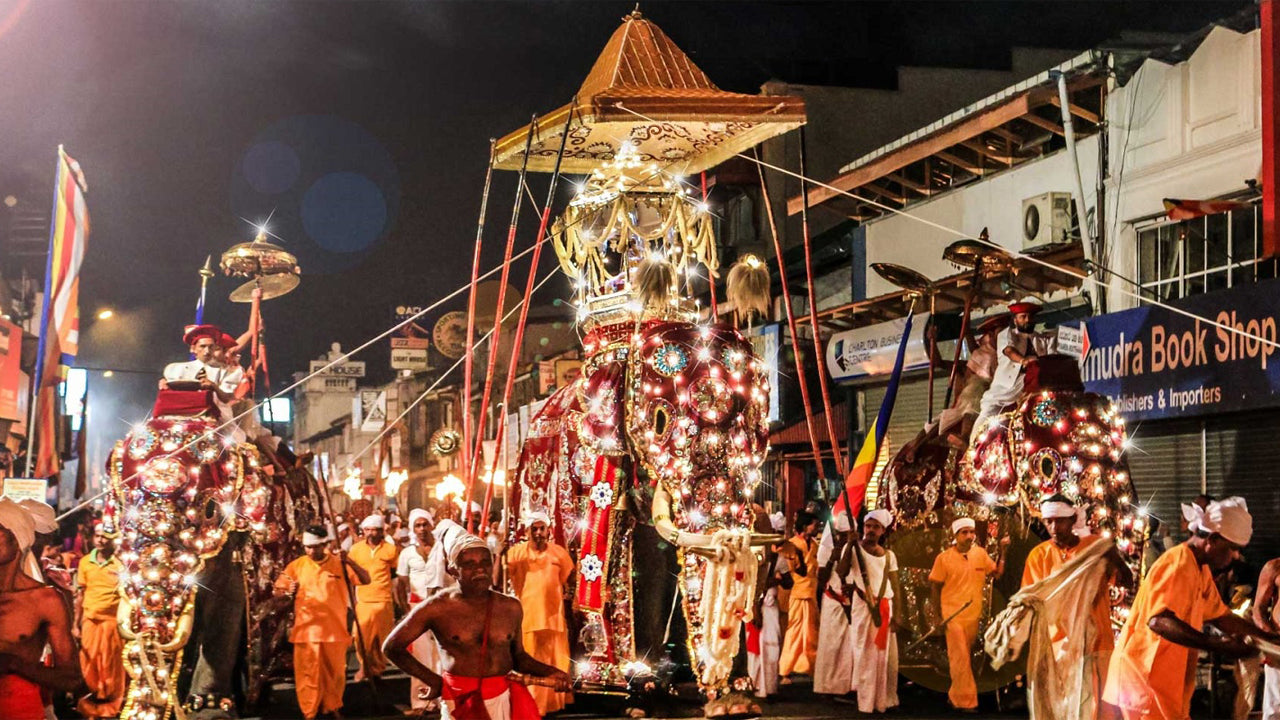
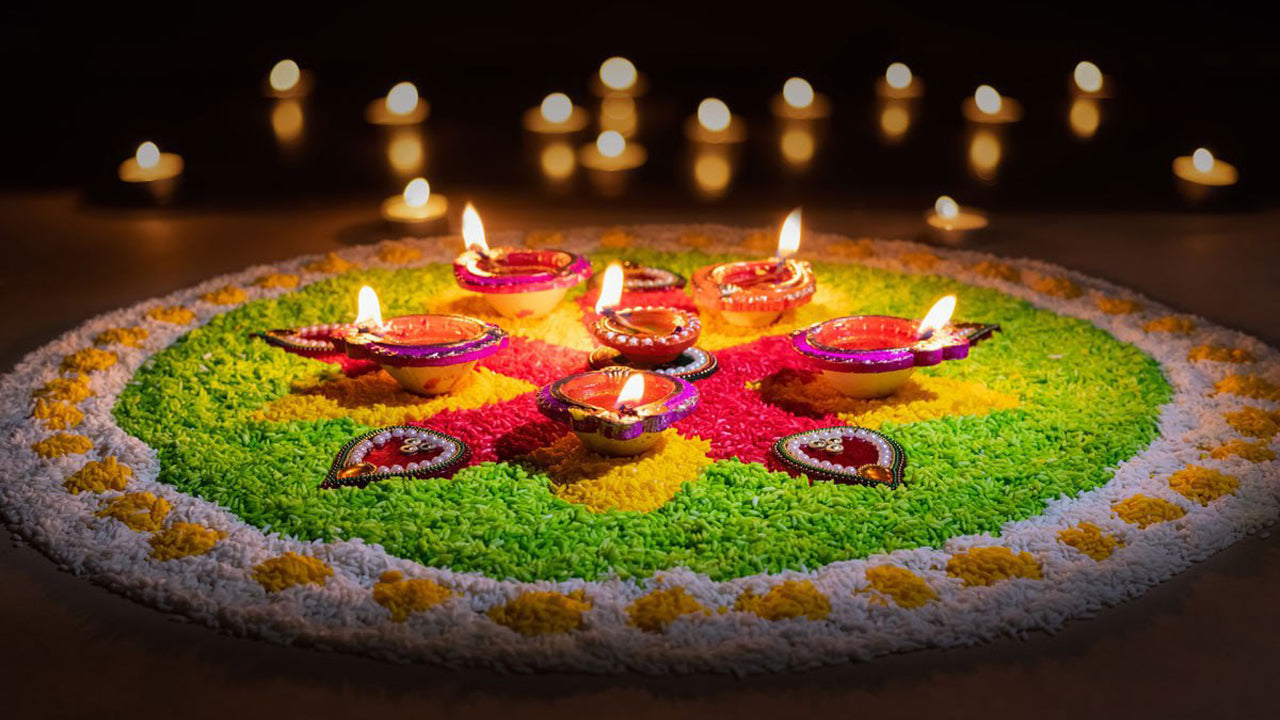
July is an important month in the Theravada Buddhist calendar. The Esala Perahera Festival — one of Asia's most elaborate torch-lit processions — takes place in Kandy, typically running across several nights in late July into early August. Timing varies by lunar calendar each year, so confirming dates with your operator before booking is advised. The Kandy Esala Perahera draws large crowds; accommodation in Kandy fills quickly, and booking several months in advance is strongly recommended.

Colombo and other cities also mark the beginning of the Esala season with smaller local peraheras. If crowds in Kandy feel overwhelming, asking your guide about nearby town processions can offer a more intimate experience.

Which regions should I avoid in July?

The southwestern coast from Colombo down through Bentota, Hikkaduwa, and Galle, along with the entire hill country, receives the heaviest monsoon rainfall in July. Outdoor activities are frequently disrupted, and the seas off the western and southern coasts are rough and unsuitable for water sports. Beach holidays on the south coast are not recommended this month. The Sinharaja Forest Reserve and the Knuckles range remain accessible for dedicated naturalists, but expect heavy rain and leech-active trails.

How should I structure an itinerary for July?

A logical July circuit begins in Colombo and moves northeast toward the Cultural Triangle — covering Sigiriya, Dambulla, and Polonnaruwa — before continuing east to Trincomalee and Nilaveli for four to five nights of marine activities. A swing through Wilpattu on the return leg completes a satisfying loop. This route keeps you consistently on the dry side of the island and strings together several of Sri Lanka's strongest July experiences without unnecessary doubling back.

For travellers specifically interested in kitesurfing, a dedicated base in Kalpitiya for five to seven days is the most efficient approach, optionally combined with a night or two in Colombo for arrival and departure logistics. Reliable private transfers make the Colombo–Kalpitiya run straightforward.

Ask Lakpura® Agent