Devinuwara


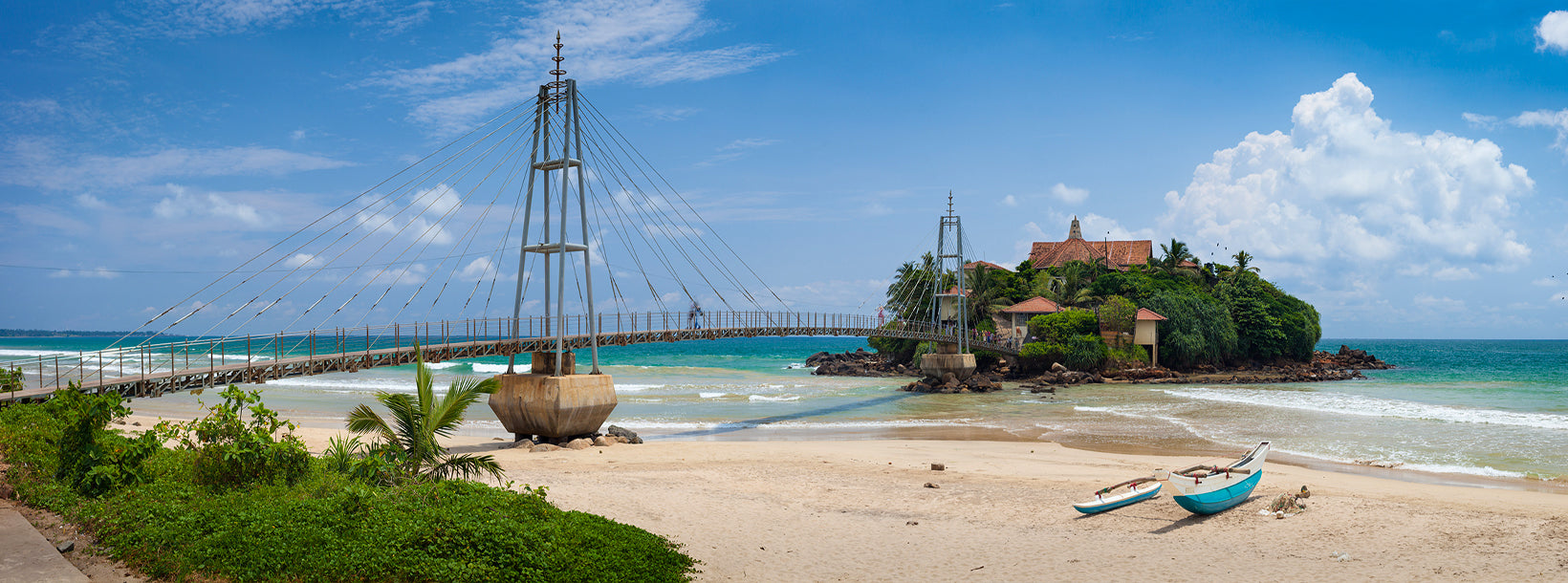
Devinuwara (Dondra) är en stad som ligger vid den sydligaste spetsen av Sri Lanka. Den ligger vid Indiska oceanen nära Matara i Södra provinsen i Sri Lanka. I närheten finns Dondra Head-fyren, ruiner av ett gammalt vihara samt flera hinduiska helgedomar i Tenavaram.
Historiskt känd som tempelhamnstaden Devinuwara eller Dondra (under 1700–1900-talet), var det fram till slutet av 1500-talet ett betydande komplex av tempelhamn. Som en multireligiös plats var dess främsta gudom den buddhistiska guden Upulvan, känd bland hinduer som Tenavarai Nayanar (guden Vishnu), och under sin storhetstid var det en av de mest berömda religiösa platserna på ön, med tusentals statyer som kan ha tillhört olika riktningar inom hinduismen och buddhismen. Platsen härstammar från tiden för Dappula I (659–660 e.Kr.) och underhölls huvudsakligen av singalesiska kungar och sydindiska handelsgillen som regelbundet besökte hamnen under dess blomstringstid som ett viktigt pilgrimsmål och ett framstående handelscentrum, med omfattande kontakter med Malabarkusten, Sydostasien, Nordvästafrika och Europa.
Upulvan-templet byggdes på välvda bågar som en trevåningsbyggnad på en udde med utsikt över den mäktiga Indiska oceanen. Det var en del av ett större buddhistiskt klosterkomplex med flera helgedomar. Med stöd från singalesiska, kinesiska och möjligen tamilska kungliga dynastier samt pilgrimer från olika etniska grupper blev Tenavaram-templet en av de viktigaste platserna för tillbedjan. Efter renoveringar av Parakramabahu II under 1200-talet återuppbyggdes Upulvan- eller Vishnu-templet enligt den klassiska dravidiska Chera-arkitekturen. Detta tempel tillsammans med de omgivande buddhistiska templen täckte ett stort område med helgedomar för olika buddhistiska monument såsom stupor, Bodhiträdets helgedom, liggande och stående Buddha-statyer samt en stor trevåningsbyggnad för munkar.
Dessutom bosattes brahminprästerna vid Upulvan-templet i ett agraharam som tilldelades dem i den närliggande byn Kapugama. De hade även en allmoshall inom området för Upulvan (Vishnu)-templet. Helgedomar för många hinduiska gudar, inklusive guden Ganesha, guden Shiva och gudinnan Paththini, fanns längs de västra och östra kusterna nära det centrala templet. De återupptäckta statyerna och ruinerna från dessa tempel från 600–1400-talet e.Kr. speglar höjdpunkterna i Pallava-konsten.