Lakpura
Lakpura®

Aristolochia bracteolata

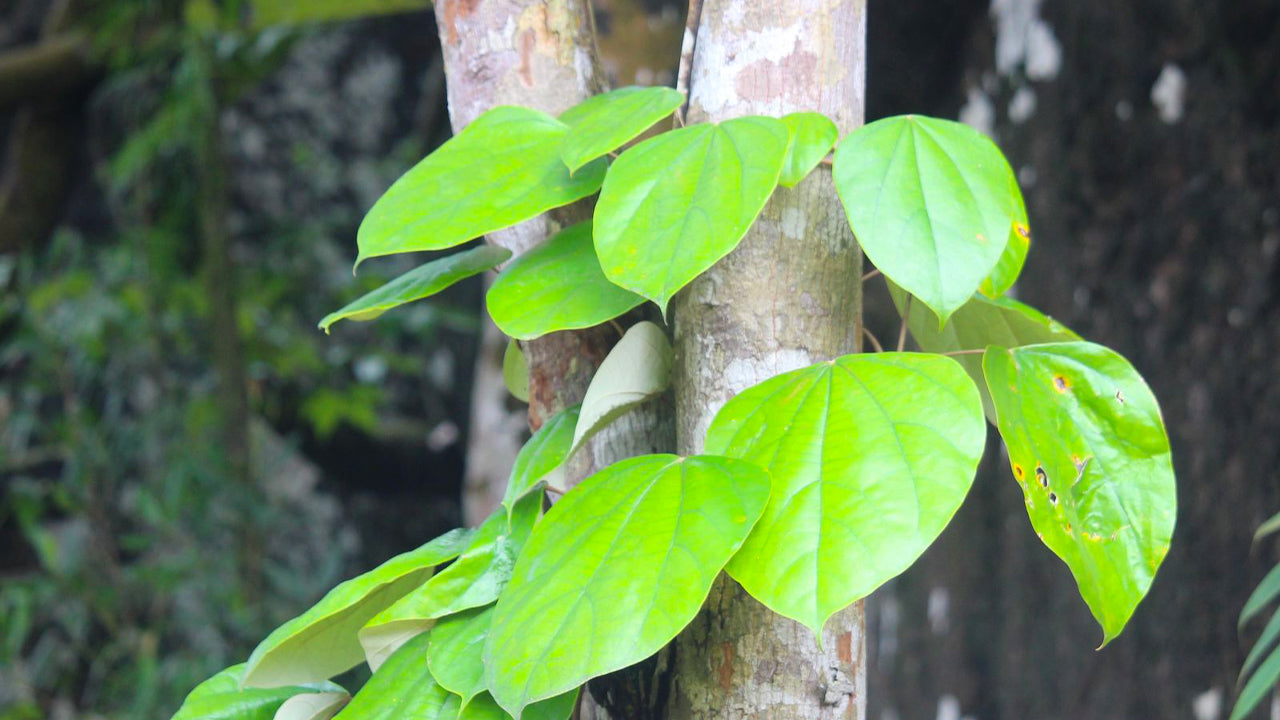
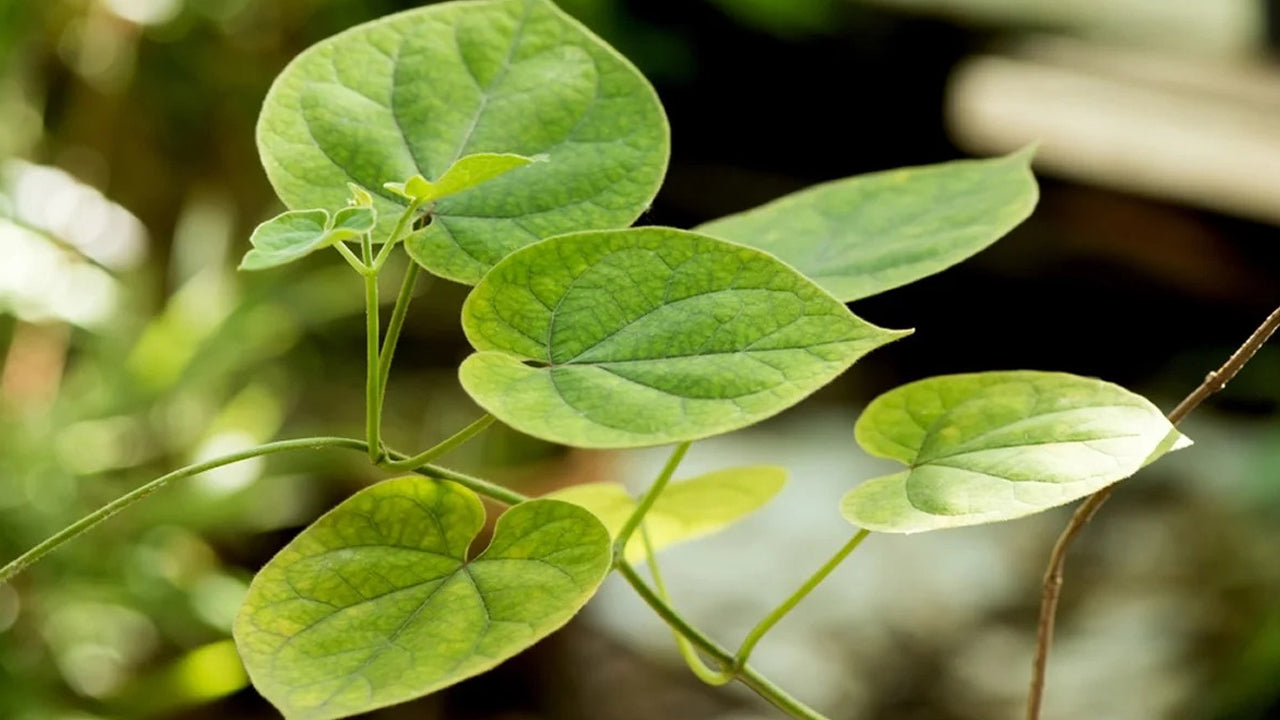
Aristolochia bracteolata is a perennial herb with a long history in South Asian traditional medicine. Native to tropical and subtropical regions, it grows across parts of Sri Lanka, India, and neighbouring countries, typically appearing as a low-spreading or loosely climbing plant in dry, open landscapes. Its heart-shaped leaves and dark purple, tubular flowers make it visually distinctive, though the plant's significance lies primarily in its ethnobotanical record rather than its ornamental appeal.

Where does Aristolochia bracteolata grow in Sri Lanka?

In Sri Lanka, the plant is most commonly found in the dry zone — open fields, scrubland, roadsides, and the edges of dry mixed evergreen forests. It favours well-drained soils under full or partial sun. Areas around the North Western, North Central, and Northern provinces provide the kind of seasonal dry conditions the plant tolerates well. It tends to colonise disturbed ground and is often encountered as a semi-wild plant rather than a formally cultivated crop.

The dry-zone vegetation communities that shelter Aristolochia bracteolata share habitat with other medicinal species, including Acacia chundra, another plant with documented applications in Ayurvedic practice.

What are the traditional medicinal uses of Aristolochia bracteolata?

Traditional healers in Sri Lanka have drawn on this plant primarily within Ayurvedic and Siddha frameworks. The most established folk applications include:

  • Anthelmintic use: preparations made from the leaves or roots have been administered to expel intestinal worms.
  • Skin conditions: leaf poultices are applied topically to address skin diseases, sores, and inflammation.
  • Wound healing: crushed plant material is used in some traditions to clean and dress wounds.
  • Antimicrobial applications: decoctions are prepared under traditional guidance for infections where plant-based antimicrobials are preferred.

These uses are consistent across several South Asian ethnobotanical records, suggesting a shared knowledge base that pre-dates modern pharmacology by many centuries. It is worth noting that in traditional practice, dosage and preparation method are tightly controlled by experienced practitioners — self-medication with this plant is not recommended.

What active compounds does Aristolochia bracteolata contain?

Phytochemical analysis has identified aristolochic acids as the principal active compounds in the Aristolochia genus, including A. bracteolata. These nitrogenous acids are thought to underlie the plant's antimicrobial and anti-inflammatory activity observed in laboratory studies. Secondary metabolites such as alkaloids and flavonoids have also been detected, contributing to its broad-spectrum biological activity in vitro.

Aristolochic acids interact with cellular DNA and have demonstrable effects on microbial cell walls — mechanisms that align with the plant's traditional anthelmintic reputation. However, the same chemical profile that confers therapeutic potential is also responsible for the plant's toxicity profile, discussed below.

What safety concerns are associated with Aristolochia bracteolata?

Aristolochic acid nephropathy is a well-documented condition linked to prolonged or high-dose exposure to Aristolochia species. The condition involves progressive kidney damage, and epidemiological evidence has associated aristolochic acid exposure with an elevated risk of upper urinary tract cancers. Regulatory agencies in several countries — including the European Union and the United States — have restricted or banned the sale of Aristolochia-containing herbal products for internal use as a result of these findings.

In Sri Lanka, the plant continues to appear in traditional formulations, but reputable Ayurvedic practitioners exercise careful control over dosage and duration. Modern research does not support self-administered, prolonged internal use. Anyone considering traditional remedies that may include this plant should seek guidance from a qualified Ayurvedic physician and, ideally, inform a conventional medical practitioner as well.

How does Aristolochia bracteolata fit into Ayurveda and Siddha medicine?

Within classical Ayurvedic texts, plants of the Aristolochia family are referenced under categories related to worm-expelling (krimighna) and wound-healing (vranaropana) properties. Siddha medicine, practised predominantly in the Tamil-speaking north and east of Sri Lanka and in South India, similarly incorporates the plant in compounded formulas — often alongside other botanicals that may mitigate its adverse potential.

The compound approach is a key feature of these traditional systems: single-herb preparations of Aristolochia bracteolata are less common in classical texts than multi-ingredient formulas, where the combination of plants is believed to balance both efficacy and safety. This principle of synergy is central to how Ayurveda navigates botanicals that carry inherent risks. Related compounded formulations such as Kaishore Guggulu illustrate how Ayurvedic practice combines several botanicals to address inflammatory and skin conditions — an approach that often reduces reliance on any single potent ingredient.

What does current research say about Aristolochia bracteolata?

Peer-reviewed studies have confirmed several properties that support traditional claims: in vitro antimicrobial activity against a range of bacterial strains, anti-inflammatory effects in animal models, and anthelmintic activity in controlled laboratory settings. Research interest has grown in isolating the beneficial secondary metabolites while developing preparations that reduce or eliminate aristolochic acid content — a challenge that has occupied ethnopharmacologists working on the broader Aristolochia genus for more than two decades.

Some researchers are exploring whether chemical modification or specific extraction techniques can preserve the plant's therapeutic compounds while removing or neutralising the nephrotoxic acids. Progress has been made in related species, though commercially viable, safety-validated preparations derived from A. bracteolata have not yet reached mainstream clinical practice.

Is Aristolochia bracteolata related to other plants in Sri Lanka's herbal tradition?

Sri Lanka's dry-zone flora includes several plants with overlapping medicinal applications — particularly in the antimicrobial and anti-inflammatory space. Pongamia pinnata, for example, is another dry-zone species with a documented role in Ayurvedic skin-disease treatments, offering some of the same surface-level applications without the same toxicity concerns. Practitioners familiar with the Sri Lankan pharmacopoeia often consider such alternatives when managing long-term conditions where Aristolochia preparations might carry unacceptable risk.

Understanding where Aristolochia bracteolata fits within this broader botanical landscape helps contextualise both its value and its limitations — it is one tool within a rich and carefully structured system of plant-based medicine, not a universal remedy.

Key facts at a glance

Attribute Detail
Plant family Aristolochiaceae
Growth habit Perennial herb; low-spreading or climbing
Preferred habitat Dry zone; open fields, scrubland, forest edges
Key traditional uses Anthelmintic, antimicrobial, wound healing, skin conditions
Principal active compounds Aristolochic acids, alkaloids, flavonoids
Main safety concern Nephrotoxicity and carcinogenicity (aristolochic acid nephropathy)
Traditional systems Ayurveda, Siddha
Ask Lakpura® Agent