Sandakada Pahana


Sandakada Pahana, também conhecido como Pedra da Lua, é uma característica cultural e arquitetônica significativa da história antiga de Sri Lanka, encontrada em muitos dos locais budistas mais reverenciados da ilha, incluindo Anuradhapura, Polonnaruwa e os templos rochosos de Sigiriya. Esta pedra intricadamente esculpida serve como um marcador de entrada para espaços sagrados, simbolizando a transição do mundano para o divino. Sua beleza e significado simbólico fazem dela um dos elementos arquitetônicos mais icônicos de Sri Lanka, refletindo as profundas tradições espirituais e artísticas que moldaram a ilha por séculos.
Projetado com uma forma semicircular, o Sandakada Pahana é tipicamente adornado com esculturas de pétalas de lótus, elefantes, cavalos e outros motivos simbólicos, cada um representando elementos do budismo, da natureza e da cultura de Sri Lanka. Estes elementos, frequentemente vistos em regiões como Kandy e Galle, refletem a rica biodiversidade da ilha, com elefantes e outros animais selvagens comuns no folclore antigo de Sri Lanka. As esculturas transmitem ideias espirituais como pureza, iluminação e proteção, oferecendo aos visitantes uma conexão tanto cultural quanto artística com o patrimônio budista da ilha.
Visitantes de locais com Sandakada Pahana podem apreciar sua complexidade artística e sua conexão com a história religiosa de Sri Lanka. Encontrado nas entradas de stupas, templos e mosteiros, a Pedra da Lua serve como um lembrete visual da dedicação de Sri Lanka à arquitetura sagrada e às tradições budistas. Viajantes que percorrem cidades antigas como Anuradhapura ou exploram templos rochosos como Dambulla e Sigiriya frequentemente param para admirar essas pedras, que guiam sua jornada espiritual através dos paisagens culturais de Sri Lanka. O Sandakada Pahana convida à reflexão sobre a conexão entre natureza, arte e fé.
O Sandakada Pahana pode ser visto durante todo o ano em vários locais históricos e religiosos em Sri Lanka. A estação seca, de dezembro a abril, oferece condições ideais para explorar esses monumentos antigos, proporcionando céus limpos e clima tranquilo para passeios turísticos. Acessíveis a partir de cidades principais como Anuradhapura, Kandy e Sigiriya, essas pedras sagradas continuam a inspirar visitantes que buscam entender o rico patrimônio cultural e espiritual de Sri Lanka. Seja apreciadas por seu valor artístico, significado histórico ou simbolismo religioso, o Sandakada Pahana continua sendo um poderoso testemunho do patrimônio atemporal de Sri Lanka.


-
 Sri Maha Bodhiya
Jaya Sri Maha Bodhi is a sacred bo tree in the Mahamewna Gardens, Anuradhapura, Sri Lanka. It is the southern branch from the historical Sri Maha Bodhi at Buddha Gaya in India under which Buddha attained Enlightenment. It was planted in 288 BC, and is the oldest living human-planted tree in the world with a known planting date.
-
 Ruwanweliseya
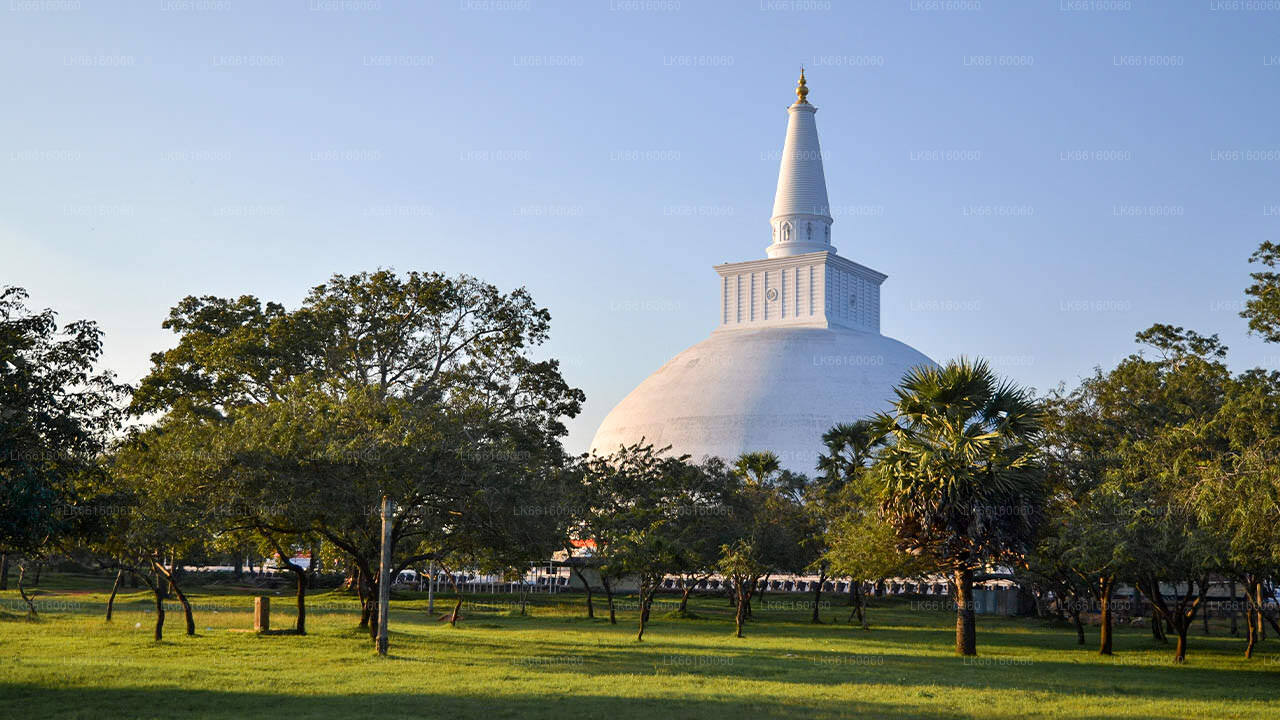
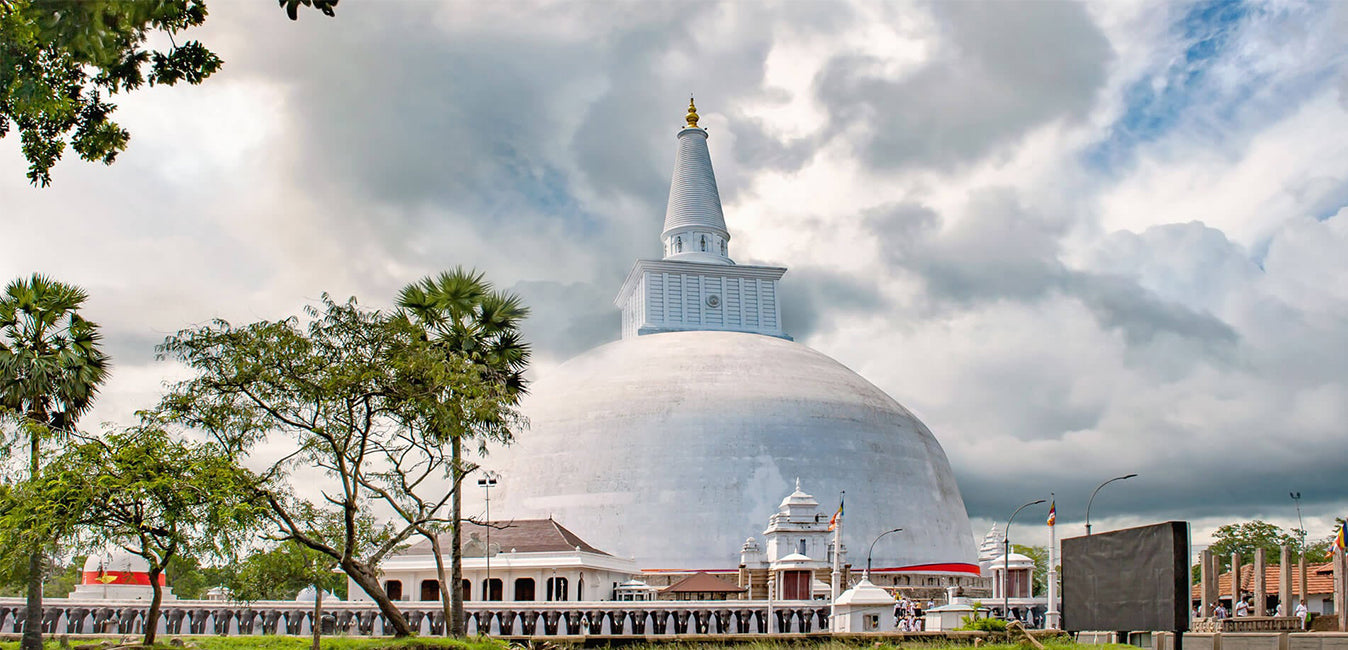
The Ruwanweli Maha Seya, also known as the Mahathupa (the Great Thupa) is a stupa (a hemispherical structure containing relics) in Anuradhapura, Sri Lanka. Two quarts or one Dona of the Buddha's relics are enshrined in the stupa, making it the largest collection of his relics anywhere. It was built by Sinhalese King Dutugemunu in c. 140 B.C., who became king of Sri Lanka after a war in which the Chola King Elāra (Ellalan) was defeated.
-
 Thuparamaya
Thuparamaya is the first Buddhist temple that was constructed, after the arrival of mahinda thero(mahindagamanaya) in Sri Lanka. Located in the sacred area of Mahamewna park, the Thuparamaya Stupa is the earliest Dagoba to be constructed in the island, dating back to the reign of King Devanampiya Tissa (247-207 BC). The temple has been formally recognised by the Government as an archaeological site in Sri Lanka.
-
 Lovamahapaya
Lovamahapaya is a building situated between Ruwanweliseya and Sri Mahabodiya in the ancient city of Anuradhapura, Sri Lanka. It is also known as the Brazen Palace or Lohaprasadaya because the roof was covered with bronze tiles. In ancient times, the building included the refectory and the uposathagara (Uposatha house).
-
 Abhayagiri Stupa
Abhayagiri Vihāra was a major monastery site of Mahayana, Theravada and Vajrayana Buddhism that was situated in Anuradhapura, Sri Lanka. It is one of the most extensive ruins in the world and one of the most sacred Buddhist pilgrimage cities in the nation.
-
 Jetavanaramaya
The Jetavanarama stupa or Jetavanaramaya is a stupa, or Buddhist reliquary monument, located in the ruins of Jetavana monastery in the UNESCO world heritage city of Anuradhapura, Sri Lanka. At 122 metres (400 ft), it was the world's tallest stupa, and the third tallest structure in the world when it was built by King Mahasena of Anuradhapura (273–301).
-
 Mirisawetiya Stupa
The Mirisaweti Stupa is a memorial building, a stupa, situated in the ancient city of Anuradhapura, Sri Lanka. King Dutugamunu (161 BC to 137 BC) built the Mirisaveti Stupa after defeating King Elara. After placing the Buddha relics in the sceptre, he had gone to Tissa Wewa for a bath leaving the sceptre.
-
 Lankarama
Lankarama is a stupa built by King Valagamba, in an ancient place at Galhebakada in the ancient kingdom of Anuradhapura, Sri Lanka. Nothing is known about the ancient form of the stupa, and later this was renovated. The ruins show that there are rows of stone pillars and it is no doubt that there has been a house built encircling the stupa (vatadage) to cover it.
-
 Isurumuniya
Isurumuniya is a Buddhist temple situated near to the Tissa Wewa (Tisa tank) in Anuradhapura, Sri Lanka. There are four carvings of special interest in this Vihara. They are the Isurumuniya Lovers, Elephant Pond and The Royal Family. The ancient Meghagiri Vihara or Meygiri Vihara is presently identified as the Isurumuni Vihara.