Lakpura
Lakpura®

Kitulgala City

Kitulgala sits about 95 km east of Colombo in the Sabaragamuwa Province, at the point where the road from Avissawella begins its climb toward the Central Highlands. The town is draped in dense rainforest and split by the Kelani Ganga, a river that has shaped both the landscape and the local economy for centuries. Visitors come for the rapids, the birds, and the rich forest ecosystem — and many leave surprised by how much this compact riverside settlement offers.

What is Kitulgala best known for?

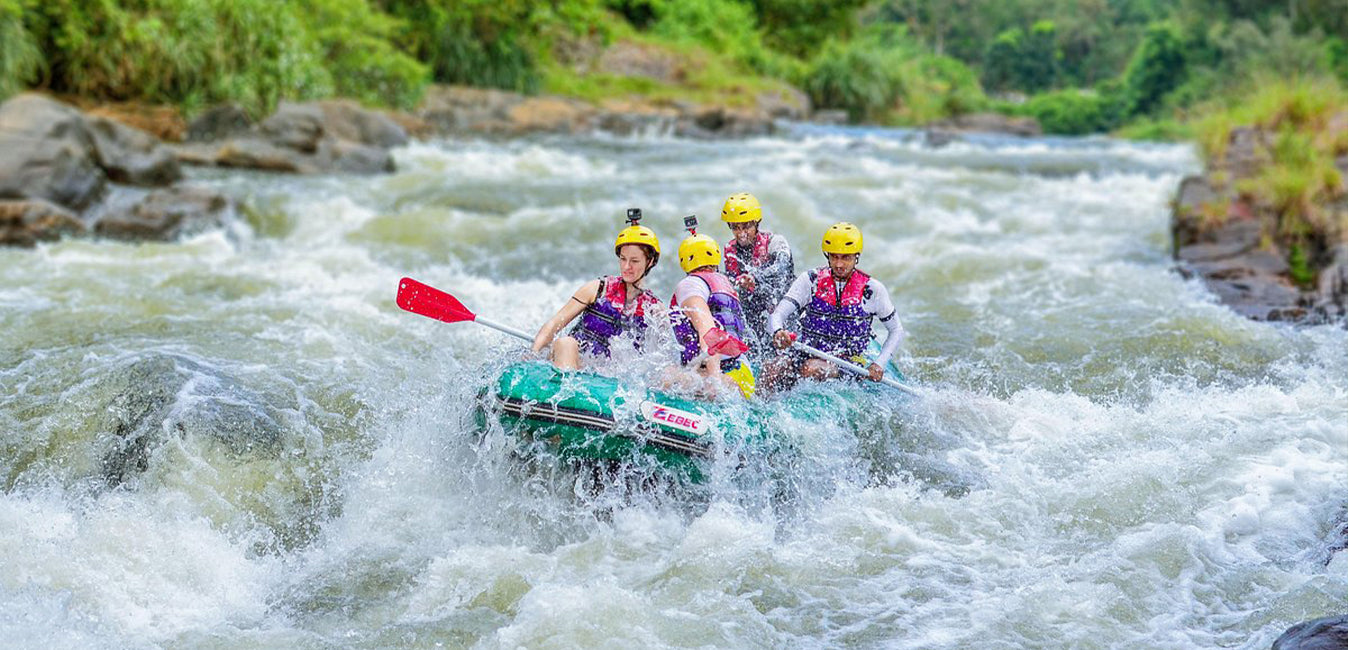
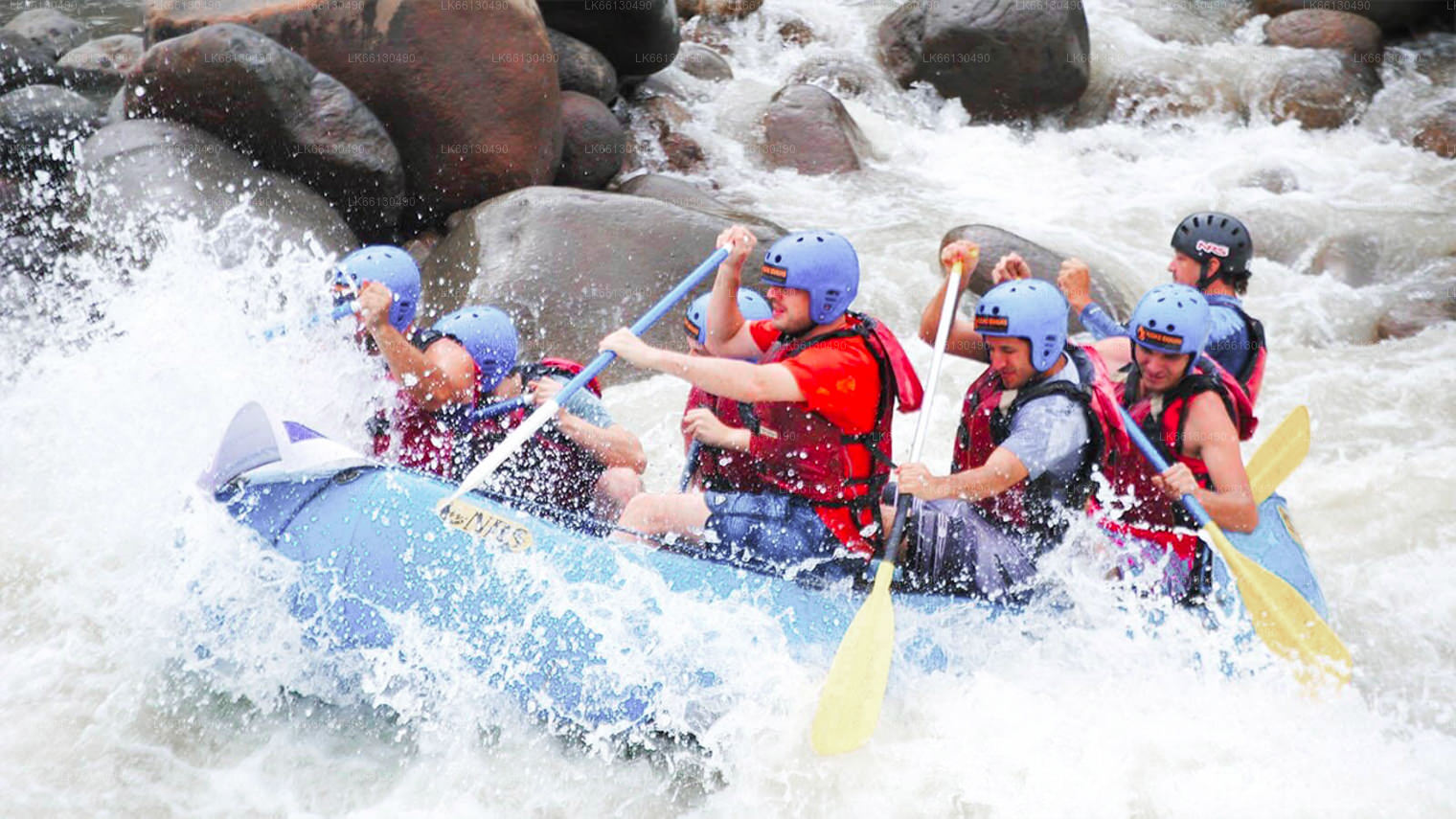
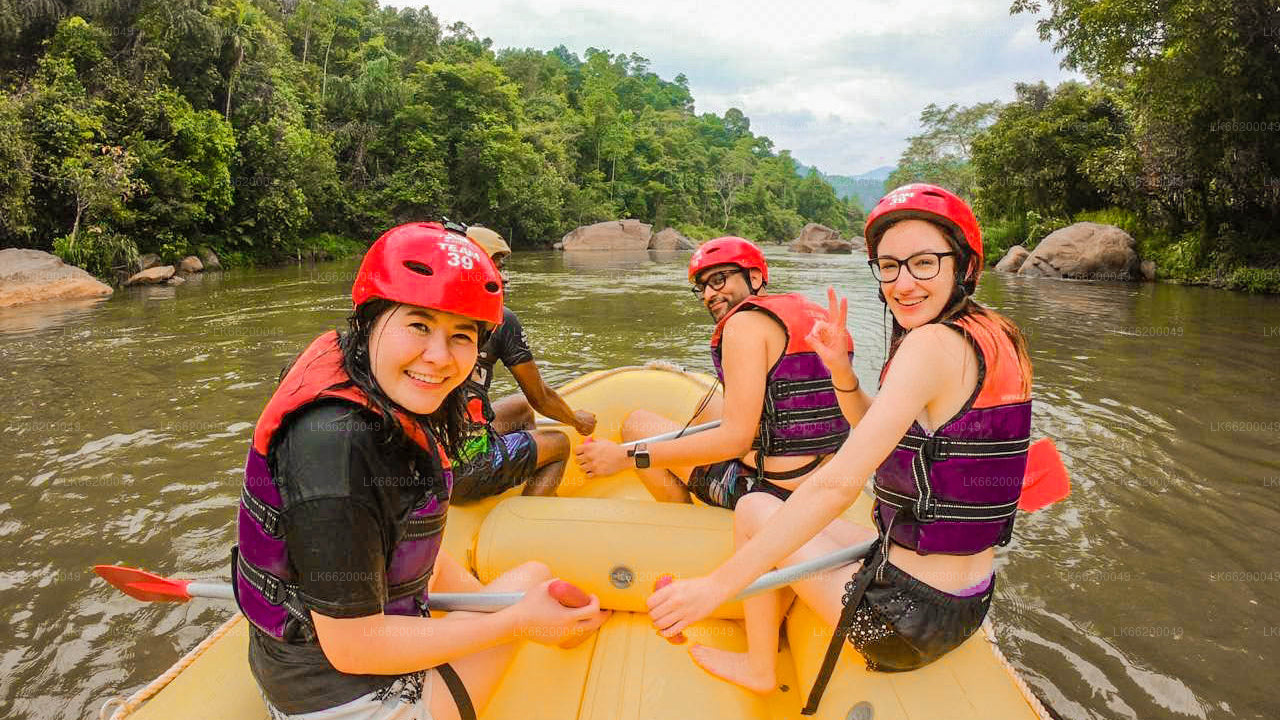
The Kelani River is the town's main attraction. Its rapids — rated Class III and IV in the main gorge — draw white-water enthusiasts from across Sri Lanka and beyond, making Kitulgala the country's leading destination for rafting. Outside the river, the surrounding Makandawa Rainforest supports a rich range of wildlife, including several endemic bird species that attract serious ornithologists. The town also carries a footnote in film history: the nearby river was the location used for the Academy Award-winning 1957 film The Bridge on the River Kwai, directed by David Lean.

What water activities can you do in Kitulgala?

White-water rafting is the headline act. The standard rafting run takes around two hours and passes through a series of named rapids on the Kelani Ganga, suitable for most healthy adults with no prior experience required. Operators provide safety equipment and trained guides throughout.

Beyond rafting, the river offers a wider menu of activities:

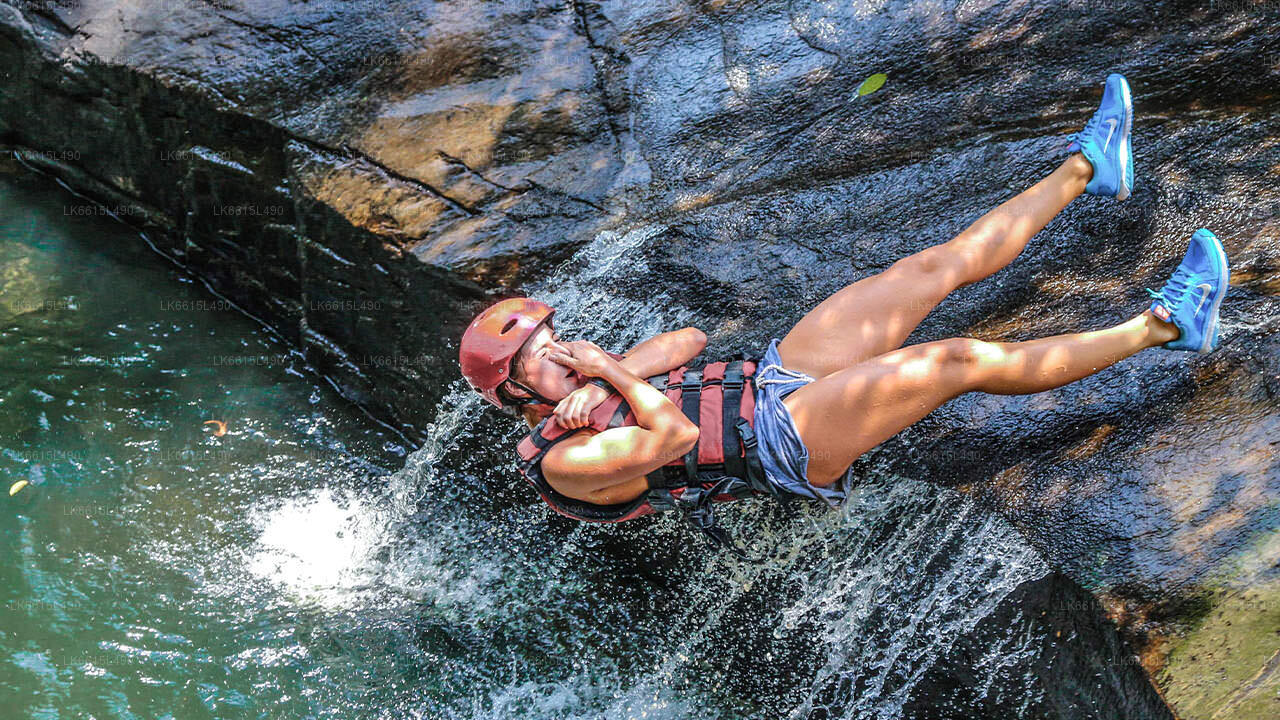
  • Canyoning — descending narrow gorges and waterways in the hills above the river
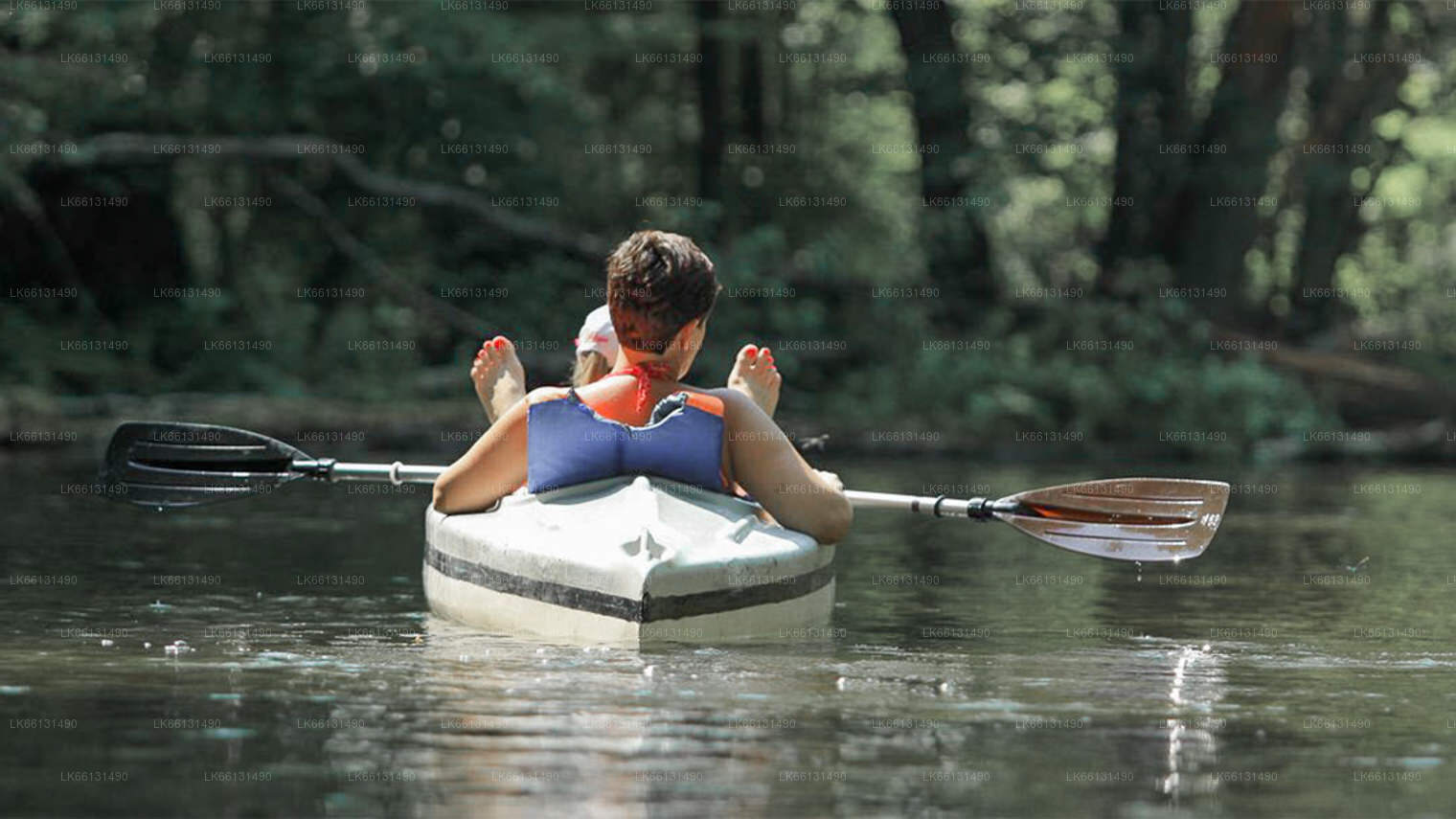
  • Kayaking and flat-water kayaking — on calmer stretches below the main rapids
  • River boarding and tubing — more relaxed ways to experience the current
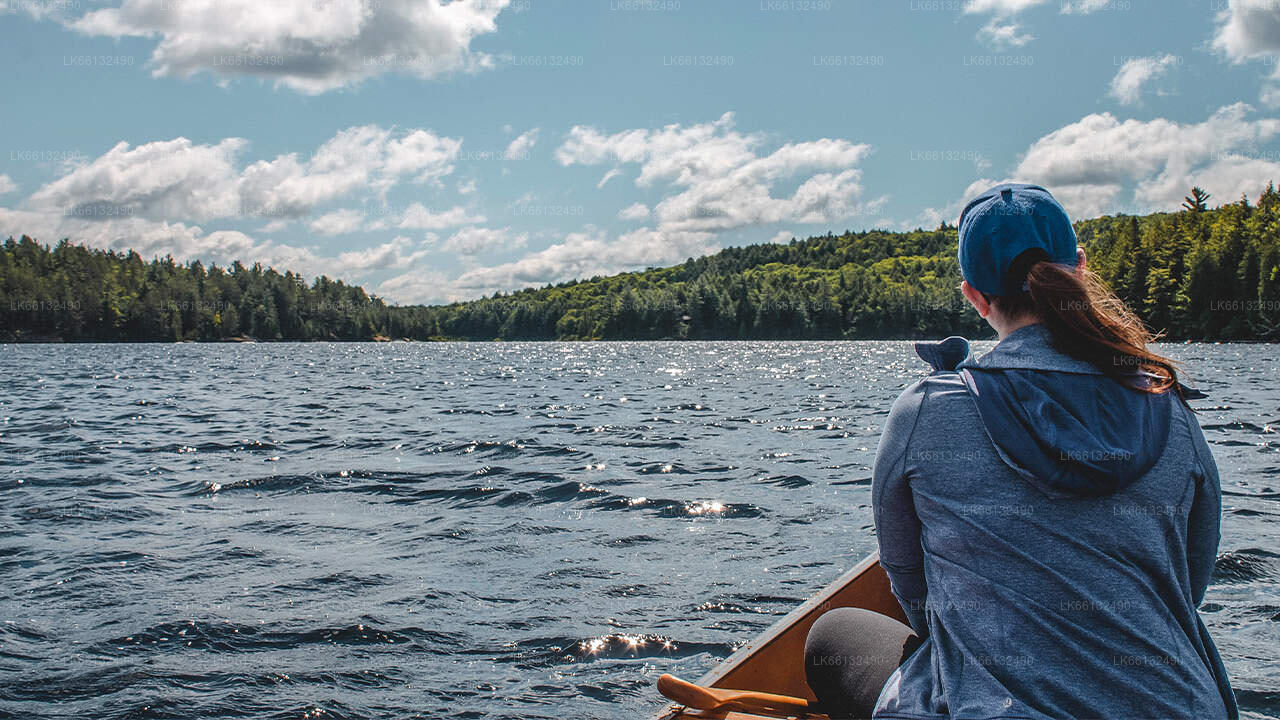
  • Canoeing — suited to those who prefer a slower pace on the water
  • Swimming — the Kelani is broad at Kitulgala and shallow in many sections, making it safe to wade and swim, particularly in the first three months of the year

The river's character changes with the seasons, so the type of rapids available depends on rainfall levels. The main rafting season generally runs from October through April, when river levels are reliable.

What wildlife and birdwatching opportunities exist around Kitulgala?

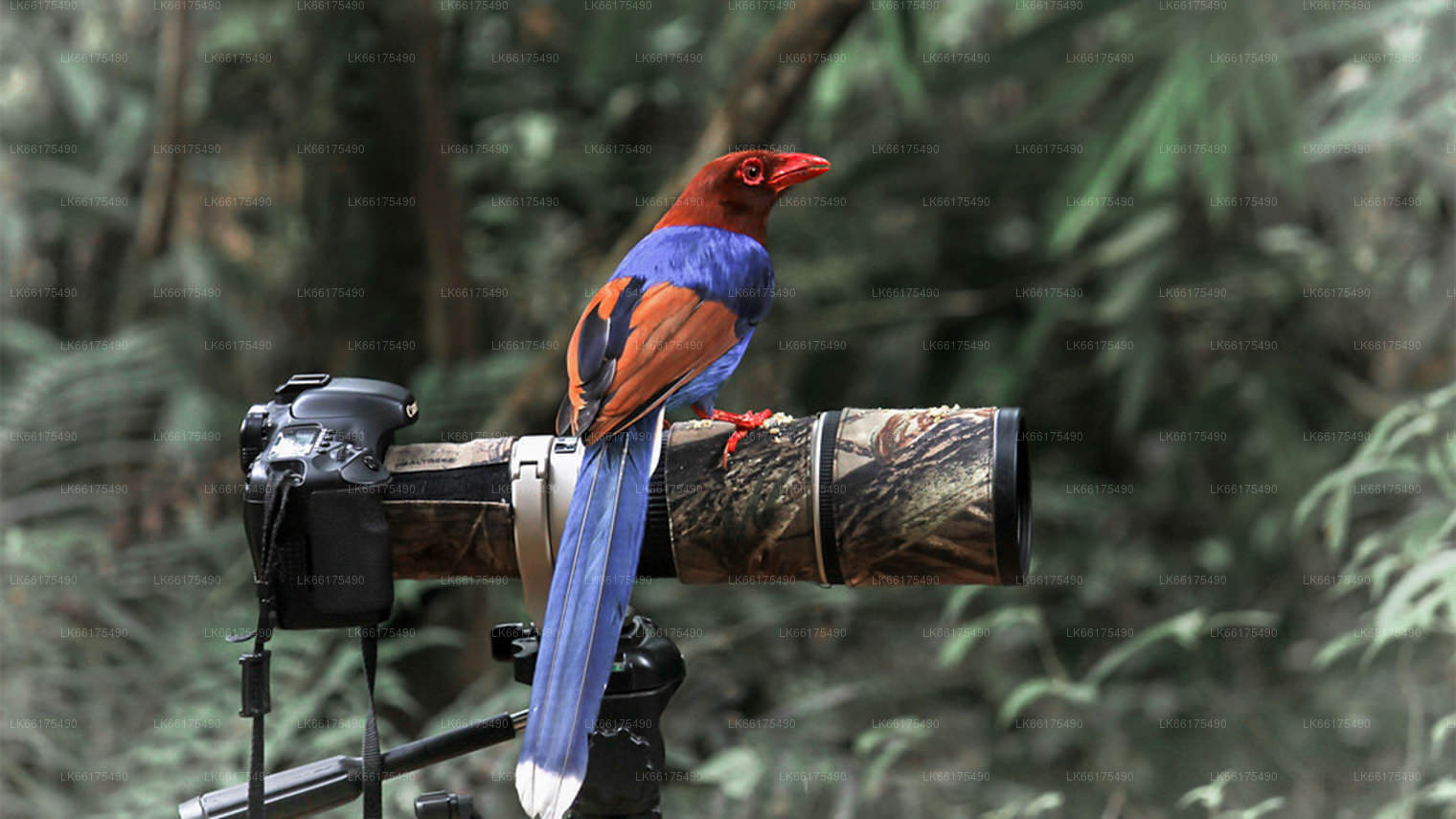
The forests around Kitulgala are part of the wet zone rainforest belt and are recognised as one of the best birdwatching locations in Sri Lanka. Over 20 species endemic to Sri Lanka have been recorded in the area, including the Sri Lanka blue magpie, green-billed coucal, and serendib scops owl — a species that was only formally described in 2001 and is rarely seen elsewhere.

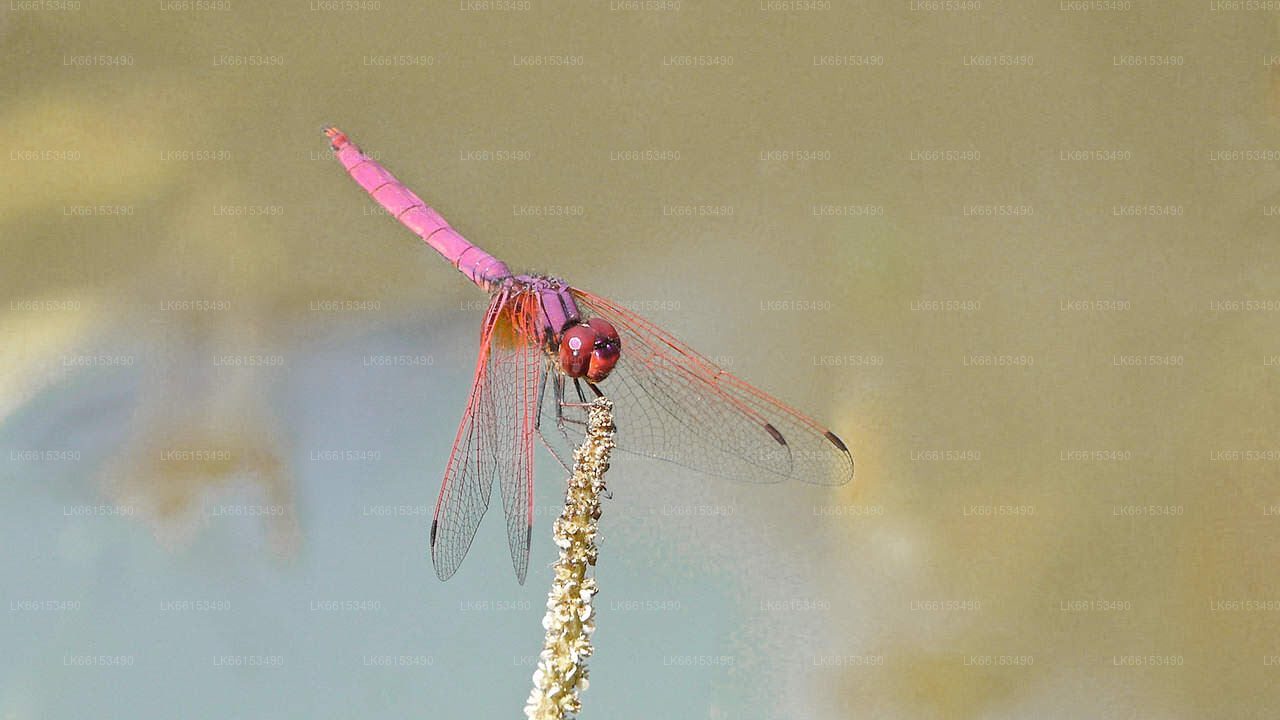
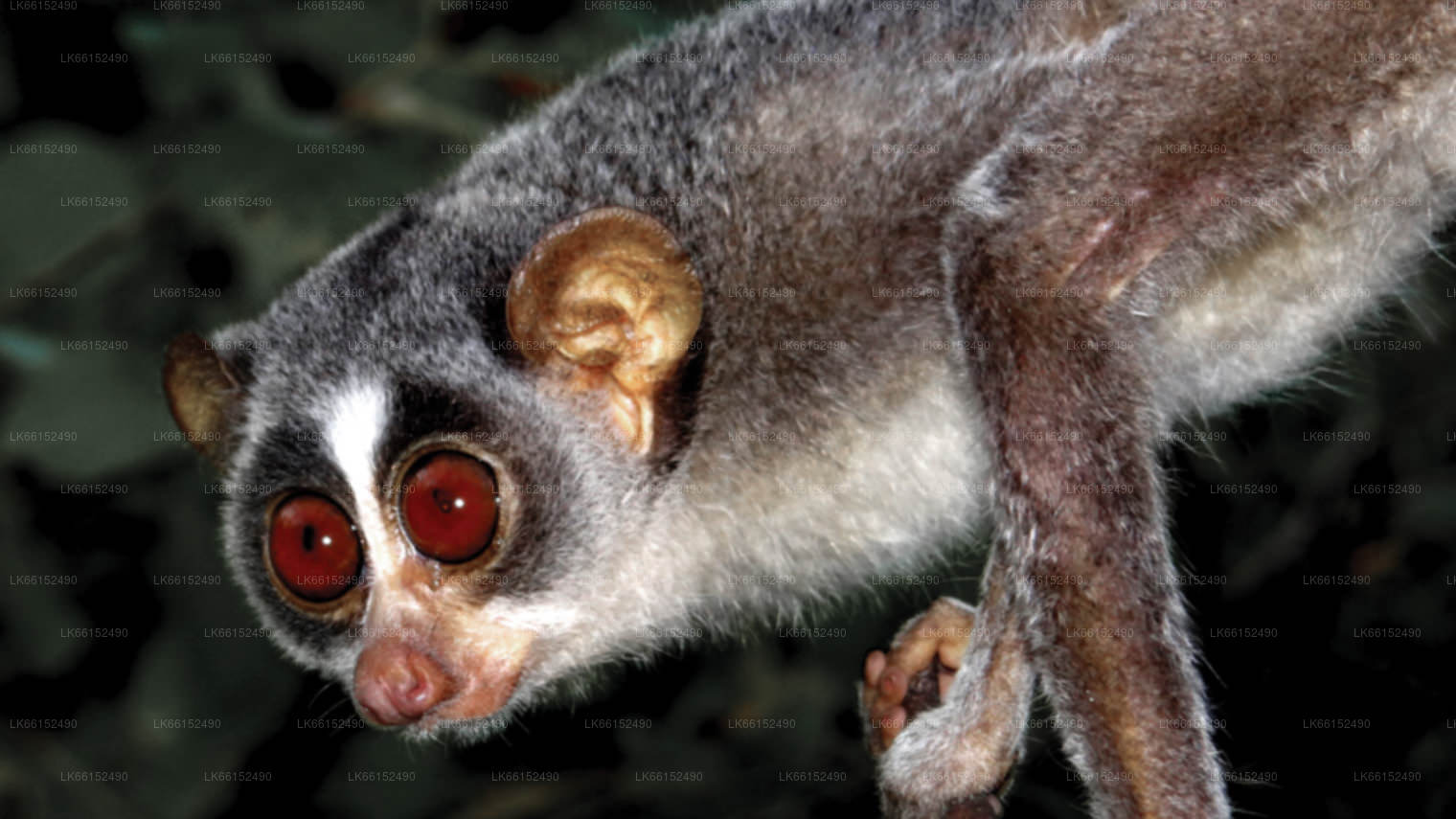
Beyond birds, the rainforest holds a variety of reptiles, amphibians, and invertebrates. Purple-faced langurs and fishing cats have been reported in and around the Makandawa Rainforest Reserve, which borders the town and can be explored on guided forest trails.

What is the Belilena Cave and how do I visit it?

About 8 km from Kitulgala, the Belilena (also spelled Beli Lena) cave complex is one of the most significant prehistoric sites in Sri Lanka. Archaeological excavations at the site uncovered the skeletal remains of at least ten individuals belonging to what researchers call the Balangoda Man — anatomically modern humans believed to have inhabited the cave around 32,000 years ago. The finds pushed back the known prehistory of Sri Lanka considerably and placed Belilena among the most important Palaeolithic sites in South Asia.

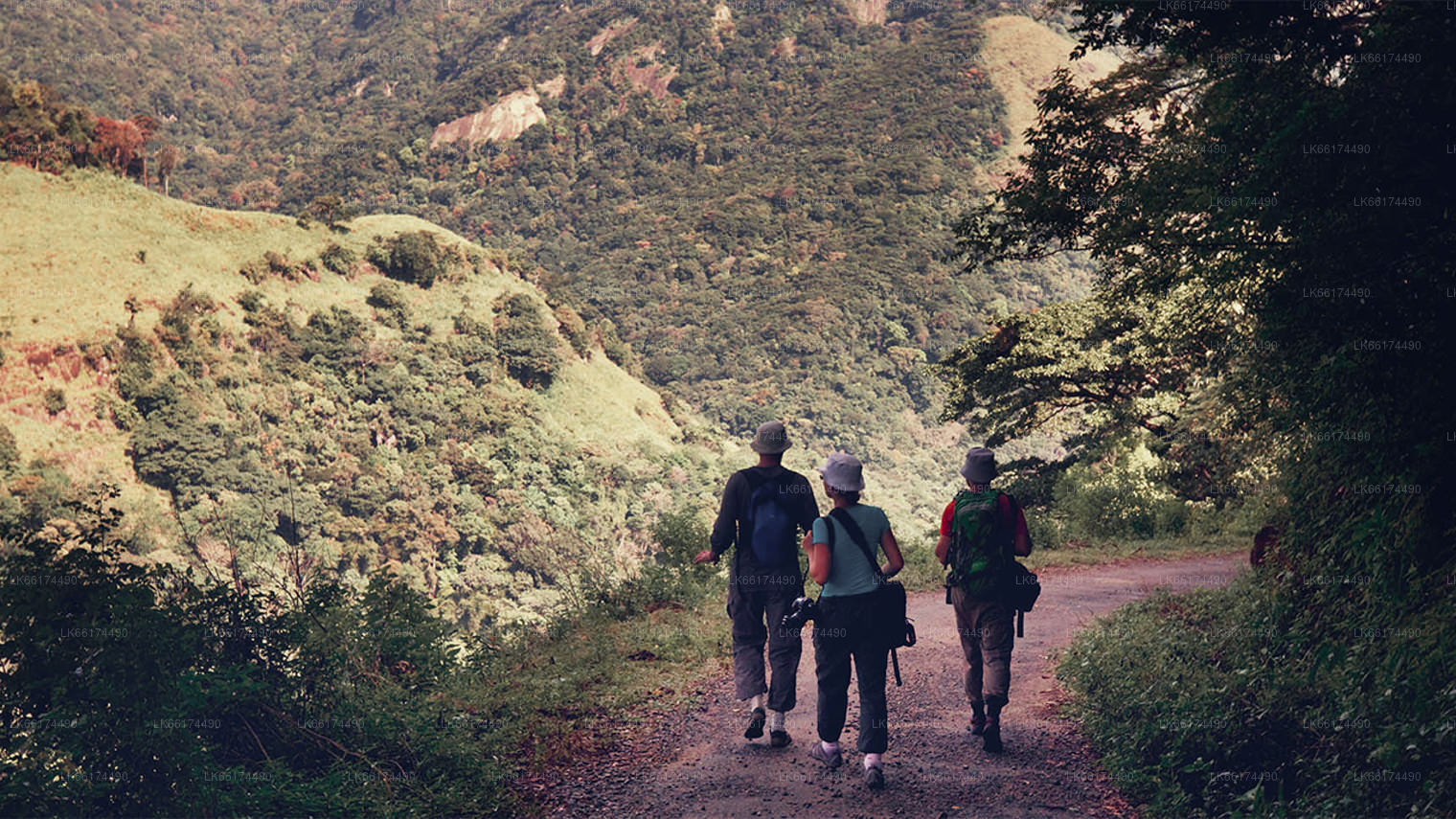
The cave can be reached by a short hike from the river valley. A guided visit combines well with a half-day in the forest and is a meaningful counterpoint to the river activities for travellers who want both adventure and history on the same trip.

What is the significance of the kitul palm in Kitulgala?

The town's name comes directly from the kitul palm (Caryota urens), known in Sinhala as kitul, which grows abundantly in the surrounding hills. Tapping the kitul palm for its sweet sap is a traditional craft in the area; the sap is reduced to produce treacle and a drier form of palm sugar called jaggery, both widely used in Sri Lankan cooking and confectionery. Visiting kitul tapping in action is possible through local guides and gives a grounded sense of village life alongside the adventure tourism.

Local restaurants around Kitulgala are known for traditional Sri Lankan rice and curry meals, often finished with a dessert of buffalo-milk curd drizzled with kitul treacle — a combination considered one of the country's most characteristic sweets.

How do I get to Kitulgala from Colombo?

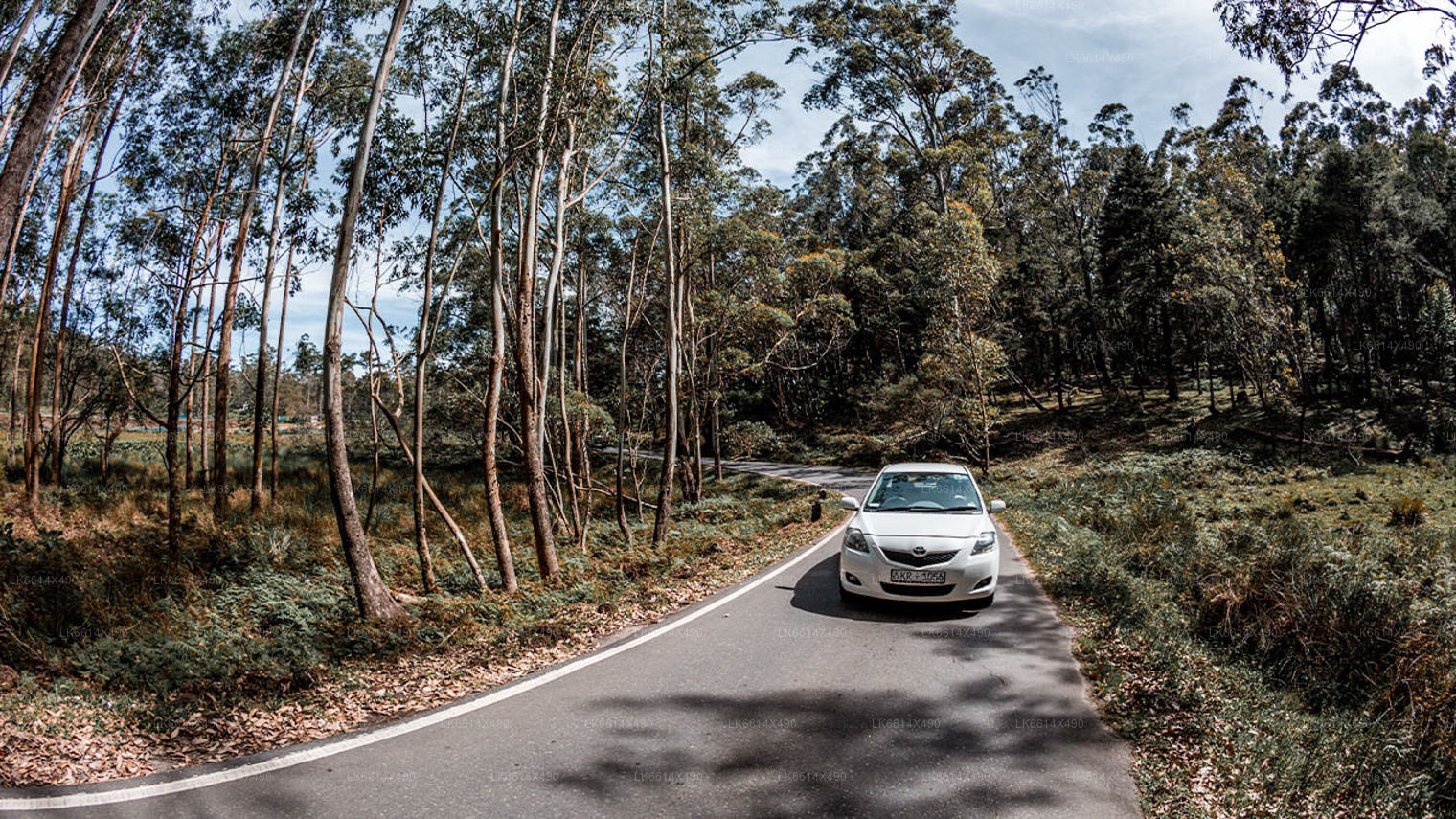
The most direct route from Colombo follows the Colombo–Avissawella–Hatton A7 road. The journey covers approximately 95 km and takes around two to three hours by car depending on traffic, particularly around the Avissawella junction. Public buses run between Colombo and Kitulgala, but journey times are longer and connections less reliable for early morning activity departures.

For travellers combining Kitulgala with the hill country, the town sits naturally on a route between Colombo and destinations such as Ella or the tea country around Hatton, making it a practical stop rather than a detour.

When is the best time to visit Kitulgala?

Kitulgala sits in Sri Lanka's wet zone and receives rainfall throughout the year, but the most consistent conditions for rafting and outdoor activities fall between October and April. River levels during this period tend to be high enough for good rapids without being dangerously flooded.

Season Conditions Best for
October – April Good river flow, reliable rapids White-water rafting, canyoning
January – March Lower, clearer water in places Swimming, flat-water activities
May – September South-west monsoon, heavy rain Birdwatching (forest active), forest walks

Birdwatching is productive year-round, but the wet months from May to September bring particularly active forest conditions, with many species easier to locate.

Where should I stay in Kitulgala?

Accommodation in Kitulgala ranges from simple guesthouses to eco-lodges set directly on the riverbank. Several properties have their own rafting and kayaking operations on site. For travellers combining activities, staying at a river lodge avoids early transfers and puts you within minutes of the water at first light — useful for both birders and rafters.

Martin's Simple Lodge is one of the most long-established names in the area and is particularly well regarded among birdwatching visitors for its location and the knowledge of its resident guides. See the Martin's Simple Lodge page for details.

Book this experience with Lakpura

Curated by our local team. Direct booking, instant confirmation.

Ask Lakpura® Agent