Kandalama sits at a geographic crossroads that few villages in Sri Lanka can match. Wedged between the Matale hills and the opening dry plains of the Cultural Triangle, this small settlement in the Central Province delivers an outsized range of experiences: ancient hydraulic engineering, two UNESCO World Heritage Sites within easy reach, dry-zone wildlife, and some of the country's most architecturally celebrated accommodation — all concentrated within a short radius.
What makes Kandalama worth visiting?
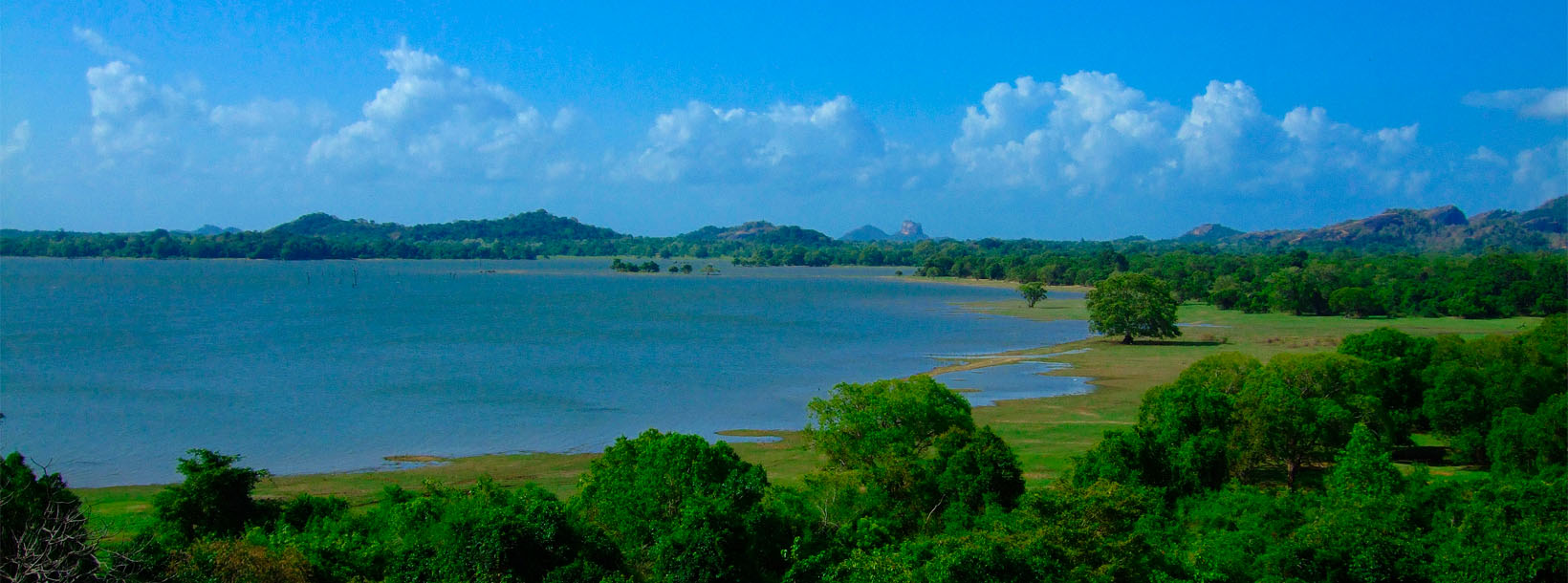
The village occupies a narrow ecological transition zone — the border of Sri Lanka's intermediate and dry climatic belts — which gives the surrounding landscape an unusual character. Rocky outcrops draped in forest rise steeply to the south, while the flat tank plains extend northward toward the Cultural Triangle's ancient cities. The Kandalama Wewa (tank), built by King Vasabha roughly 1,700 years ago, still irrigates surrounding farmland and provides a reflective foreground for views of the hills behind it.
Two peaks frame the village: Ereulagala at 696 m and Dikkandahena at 618 m above sea level. Their lower slopes shelter the Kaludiya Pokuna Archaeological Forest, a site that combines natural dry-zone woodland with the ruins of a forest monastery used by Buddhist monks in antiquity. It is far less visited than the headline attractions nearby, which makes it all the more worth seeking out.
Which UNESCO sites are near Kandalama?
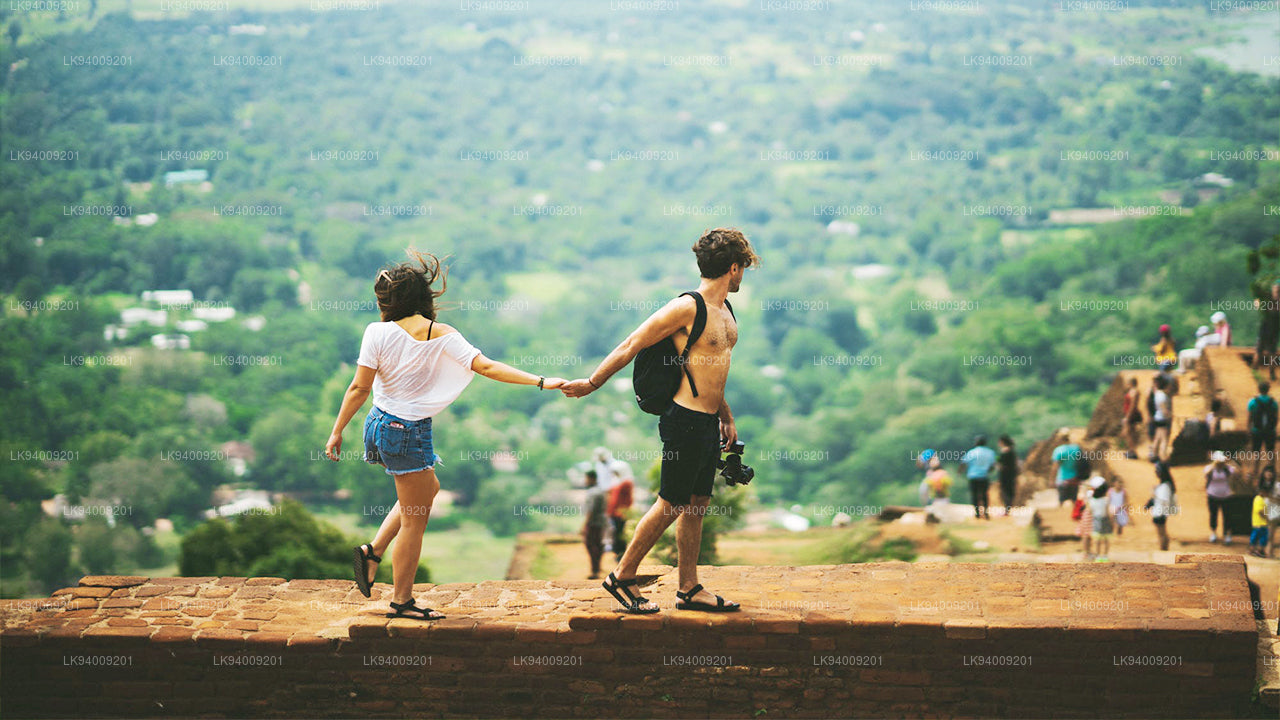
Kandalama is effectively bracketed by two of Sri Lanka's most significant heritage monuments. To the northeast, the Sigiriya rock fortress rises 200 m from the surrounding plain — a 5th-century AD palace and pleasure garden carved into a single column of volcanic rock, recognised by UNESCO for its outstanding universal value. To the west, the Dambulla Cave Temple complex shelters five cave sanctuaries dating to the 1st century BC, with more than 150 Buddha statues and extensive ancient frescoes covering ceilings and walls. Both sites are typically visited as day trips from Kandalama and can be combined in a single itinerary without difficulty.
The proximity to Sigiriya Village also makes Kandalama a practical base for exploring the broader Cultural Triangle, which includes the ancient capital of Polonnaruwa to the east.
What is the Kandalama Tank?
Ancient Sri Lankan kings were accomplished hydraulic engineers, and the Kandalama Tank is one of many reservoirs they left behind. Attributed to King Vasabha of the Anuradhapura period, the tank was constructed around the 1st century AD and continues to function as a water source today. The bund road that runs along its edge offers quiet walking and cycling, with views across the water to the forested hills — particularly atmospheric in the early morning before the heat builds. Water birds are common here throughout the year.
What wildlife can I see around Kandalama?
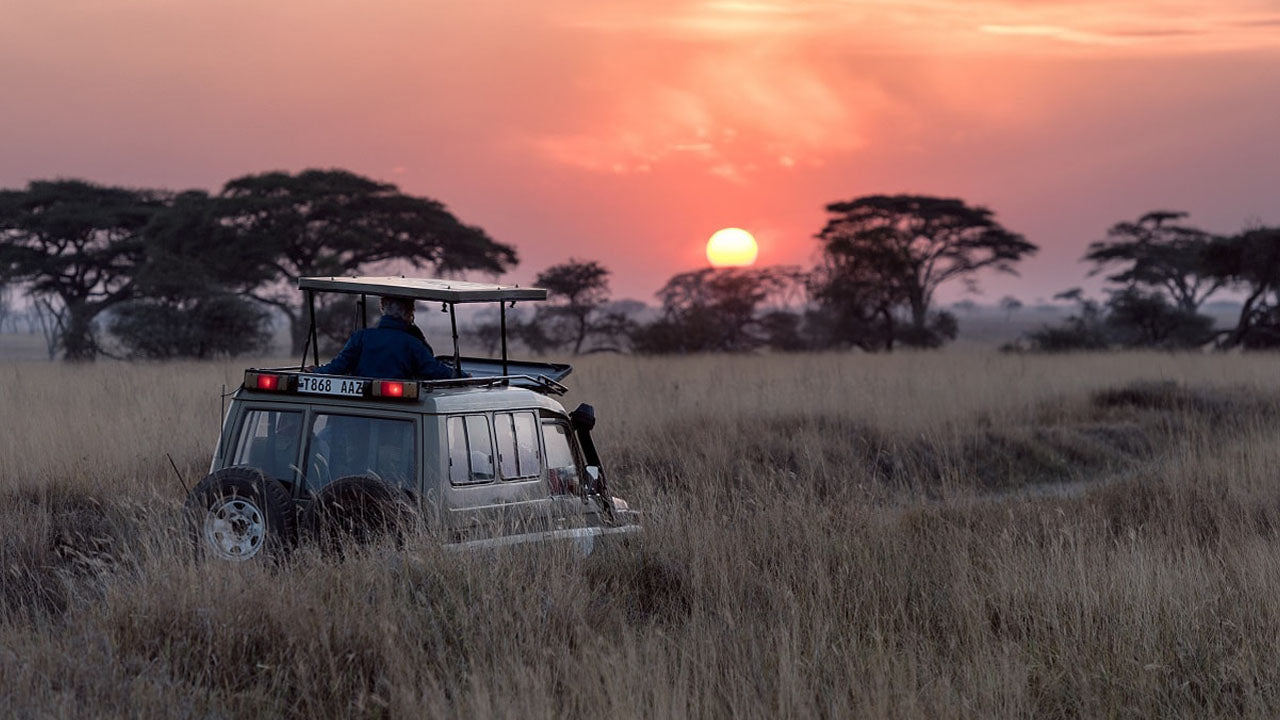
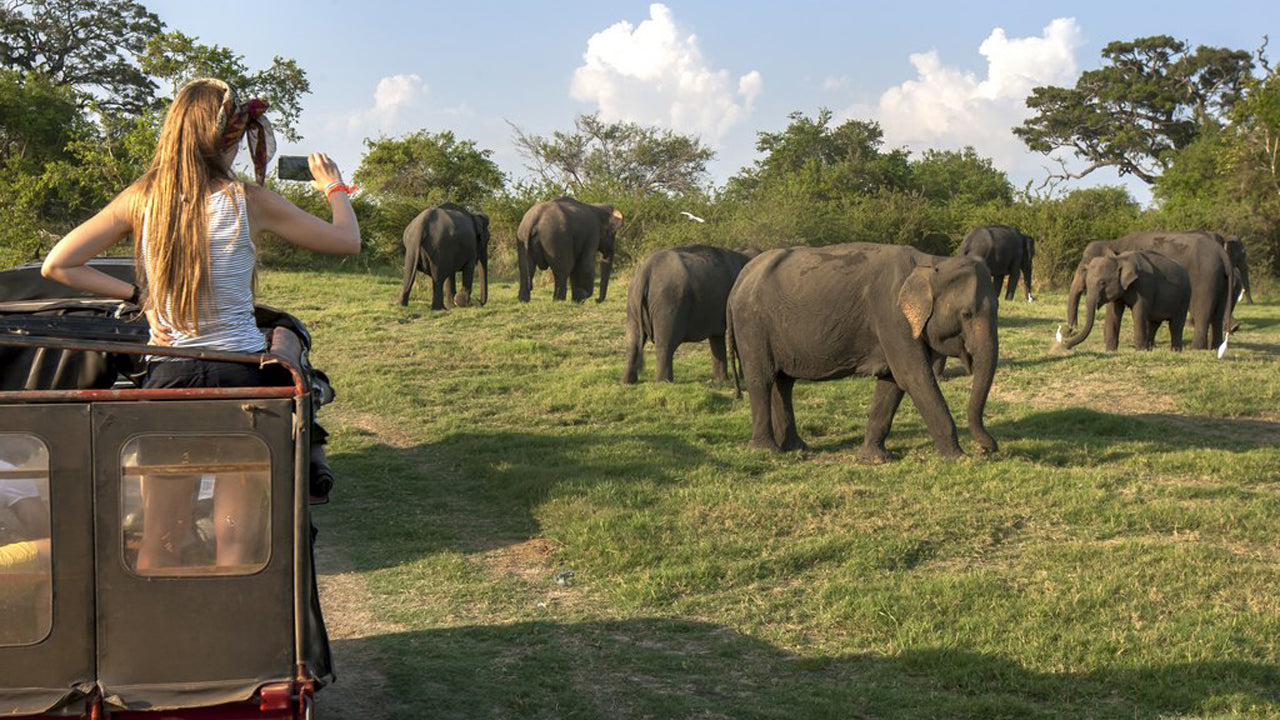
The dry-zone scrub and forest around Kandalama support a resident population of elephants, which move through the area especially between August and December. Leopards, grey langurs, toque macaques, and a wide range of dry-zone birds — including painted storks, serpent eagles, and various raptors — are regularly recorded. The tank itself attracts egrets, herons, and kingfishers. Because Kandalama sits outside the boundaries of a formal national park, encounters are informal and unscheduled; the landscape simply holds animals.
For travellers wanting a more structured wildlife experience, Wilpattu National Park — Sri Lanka's largest park and a stronghold for leopards — lies to the northwest and is reachable as a day excursion from this region.
How does Kandalama connect to the wider Matale district?
Kandalama falls within the Matale administrative district, which extends south into the hill country and north toward the ancient cities of the dry zone. The Knuckles Mountain Range anchors the district's eastern edge and is a UNESCO-listed biosphere reserve in its own right. Closer to the district capital of Matale town, the Aluvihare Temple — set among monastery caves, some decorated with historical frescoes — marks the site where the Pali Canon, the foundational texts of Theravada Buddhism, were first committed to writing on ola (palm) leaves. Both the Knuckles foothills and the Aluvihare caves are feasible half-day excursions from Kandalama.
The district also supports extensive cultivation of Ceylon black pepper, cinnamon, cardamom, and other spices alongside tea and rubber — giving visitors a chance to see working agricultural landscapes rather than purely archaeological ones.
When is the best time to visit Kandalama?
Kandalama lies in the dry zone, which means it receives the majority of its rain from the northeast monsoon between October and January. The driest and most reliably sunny period runs from roughly February through September — good conditions for visiting both the tank-edge landscapes and the open-sky heritage sites nearby. The months of December and January can bring brief, heavy showers but rarely disrupt travel significantly. Temperatures stay warm year-round, typically between 26 °C and 34 °C, so early morning starts are advisable for outdoor sightseeing.
How do I get to Kandalama from Colombo?
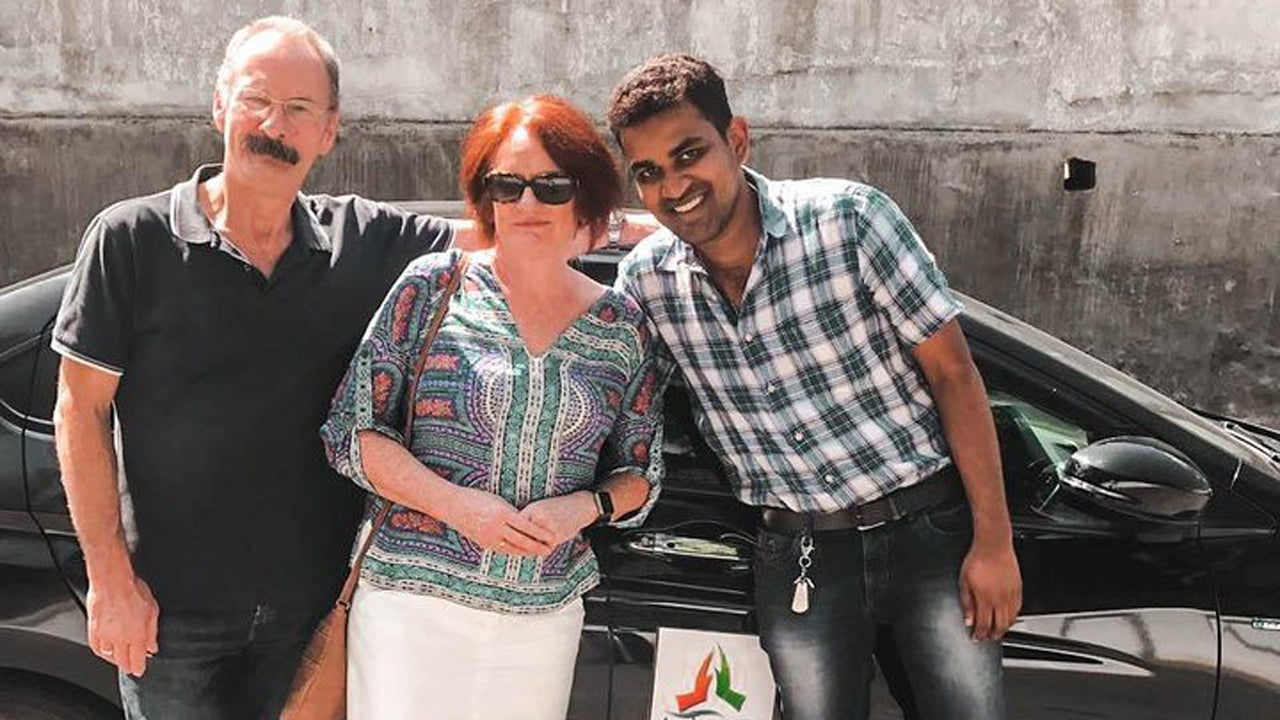
Kandalama is approximately 155 km northeast of Colombo, and most visitors travel by private car or minivan. The drive takes around three to four hours depending on traffic through Kurunegala and Dambulla. There is no direct train service; the nearest railway junction is at Matale, from which onward travel requires a vehicle. For transfers from Bandaranaike International Airport directly to accommodation in the Kandalama area, Lakpura operates private transfers that can be booked in advance — a practical option given that public transport connections to the village are limited.
Where should I stay in Kandalama?
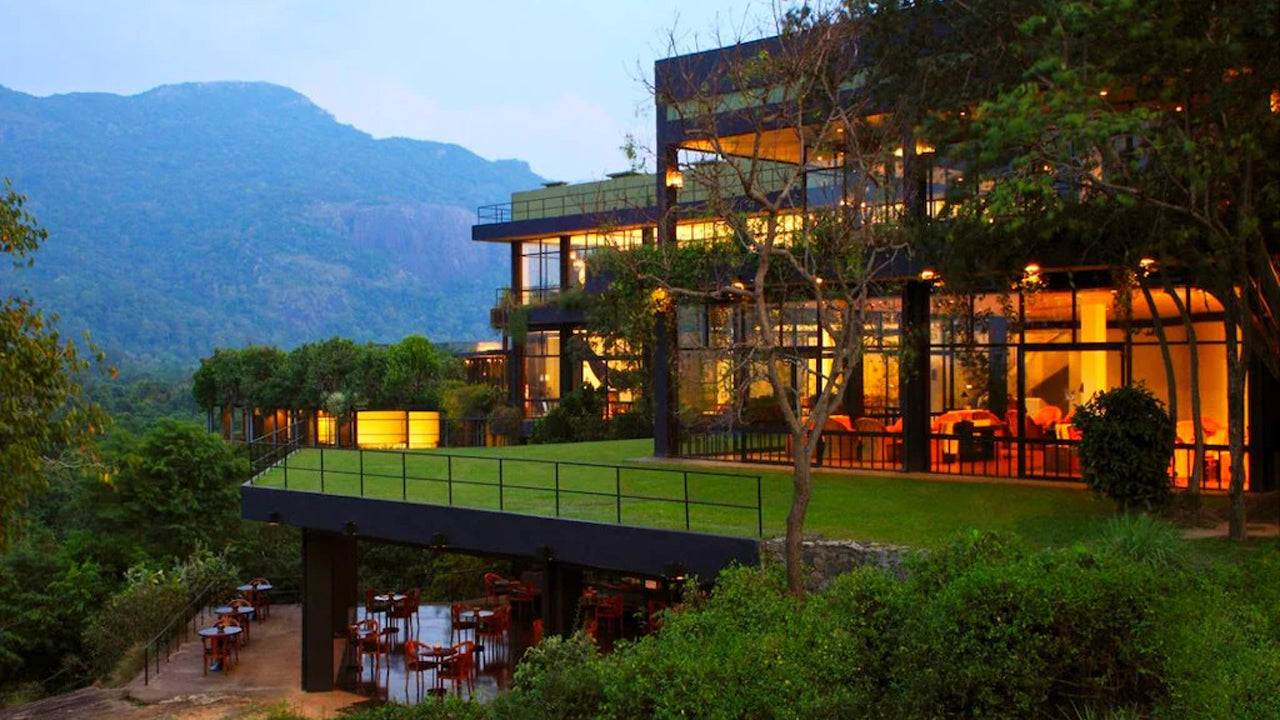
Kandalama is home to Heritance Kandalama, one of Sri Lanka's most architecturally celebrated hotels. Designed by Geoffrey Bawa and opened in the mid-1990s, the building is embedded into the cliff face above the tank, with forest growing through and over its structure. It was among the first truly five-star properties in Sri Lanka and remains a reference point for how contemporary architecture can coexist with a sensitive natural setting. Several other properties have since established themselves in the area, ranging from small lake lodges to larger resorts, giving visitors a range of options at different price points.
Is hot-air ballooning available near Kandalama?
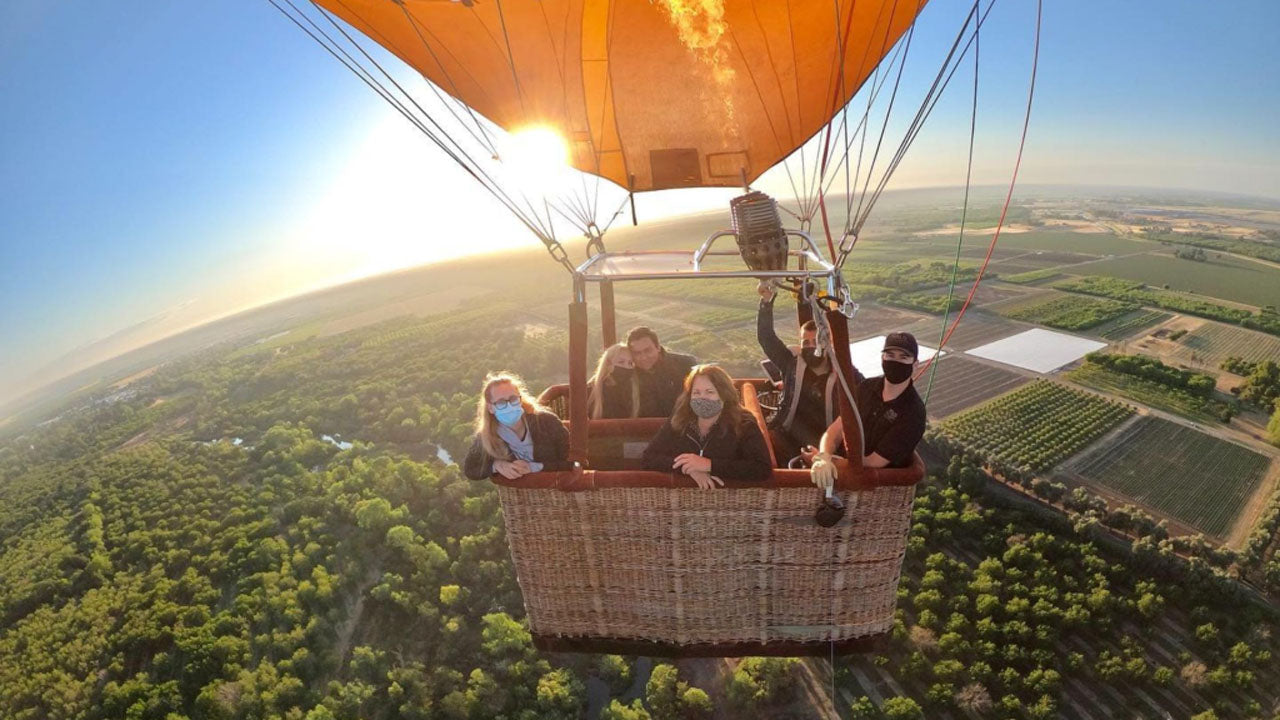
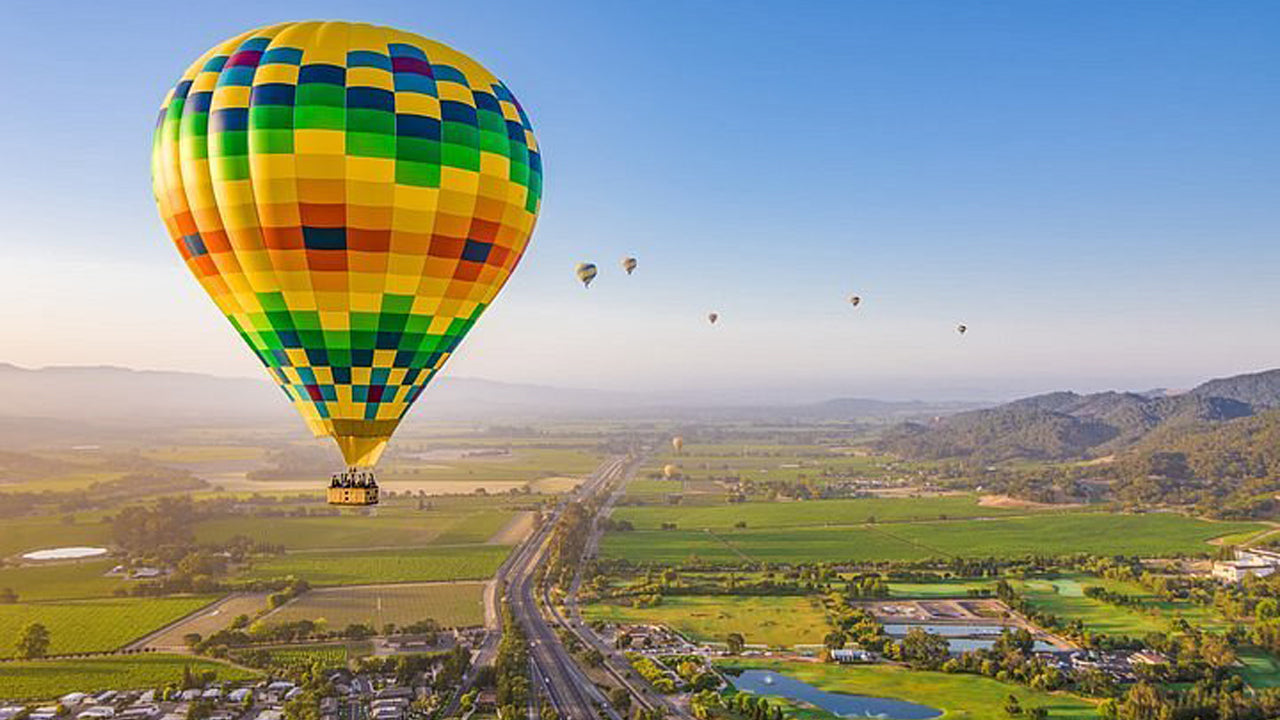
Yes. The flat tank plains and open dry-zone landscape around Kandalama are well suited to hot-air ballooning, and early-morning flights over the area offer views of the surrounding tanks, forest, and distant rock formations. Flights typically launch at dawn to take advantage of calm air and the low-angle light that illuminates the landscape most dramatically. Kandalama is one of a handful of locations in Sri Lanka where ballooning operates on a regular commercial basis.