St Pauls Church

St Pauls Church St Pauls Church St Pauls Church

St Paul’s Church is an Anglican Church located in an area called Milagiriya in Colombo 04, Sri Lanka. It has its origins in the Portuguese era of the 16th century. Today it is one of the oldest and most historic churches within Colombo and is also well known due to the attached girls’ school. Here’s the story of how it came to be:

The Early Portuguese Church

Over four centuries ago, when the Portuguese invaded Sri Lanka – they caused mass destruction to the local religions and built Roman Catholic Churches to spread their discipline of Christianity. It is unknown why they chose to build a church at that specific location, but perhaps there may have been some sort of locally popular shrine there that they destroyed and built over – as was their habit.

The newly built church, at the time, was known as ‘Nossa Senhora dos Milagres’ or ‘Our Lady of Miracles’. The locals, due to their lack of knowledge and understanding about the Portuguese language, took to calling the church ‘Milagres’, which is actuality meant ‘Miracles’. With time the name evolved, and the entire area surrounding the church came to be known as ‘Milagiriya’.

The British Takeover

However, the ‘Church of Miracles’ did not last. Approximately a century later, Ceylon was invaded by the Dutch who suppressed the Portuguese and wrested control of the valuable trade route island from them. To consolidate their rule, the Dutch thoroughly destroyed all Portuguese monuments and churches that they could find. Nossa Senhora dos Milagres was one of these churches that fell under their hands. The consecrated land remained bare for over a century, until the British decided to invade and took control of Sri Lanka from the Dutch.

The Building of St Paul’s

In the 1840s, a large number of Anglican churches started to get constructed. The premise behind them was mainly to give places of worship for British countrymen, but also to persuade the native population to change their religion and follow the Anglican discipline.

St Paul’s Anglican Church, which was built over the ruins of the old Portuguese church in Milagiriya, was one such church built by the British. The construction of the church began in 1948 under the initiation of the British cleric, Reverend Joseph Thurston, who dedicated it to St Paul. It was completed in 1953 and consecrated by the Bishop of Colombo at the time. An attached industrial school was also built at the same time to give a place of learning for Anglican youth. However, the main attraction was the font within the church grounds, hailing from the time of the previous Portuguese church. Its water was said to have miraculous healing properties, and sick people from all over the country visited the church to experience this healing.

Between the 1890s to the early 1900s, the church flourished and many locals joined the congregation as well. This was also partly due to the efforts of the first two vicars, Rev. John Ford and Rev. Harry Marsh ,who worked within the neighborhood to help the natives at their times of need.
A Change in Leader

Sobre o distrito de Kandy

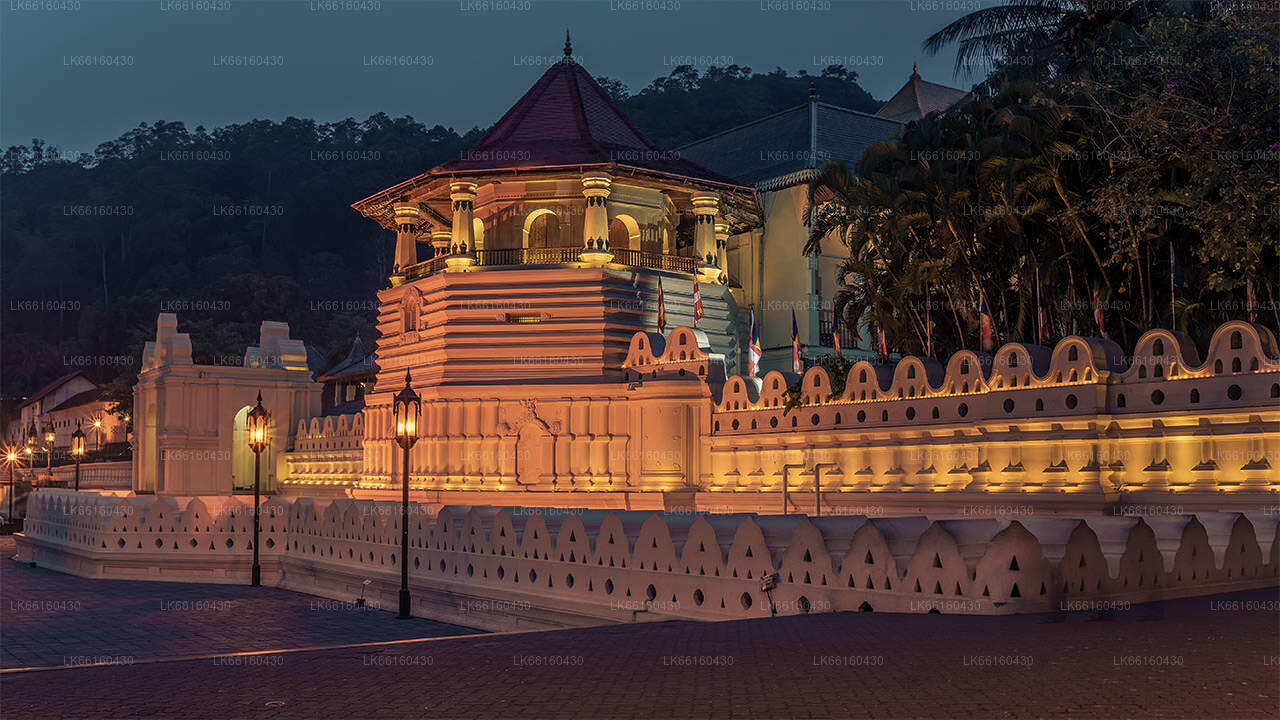
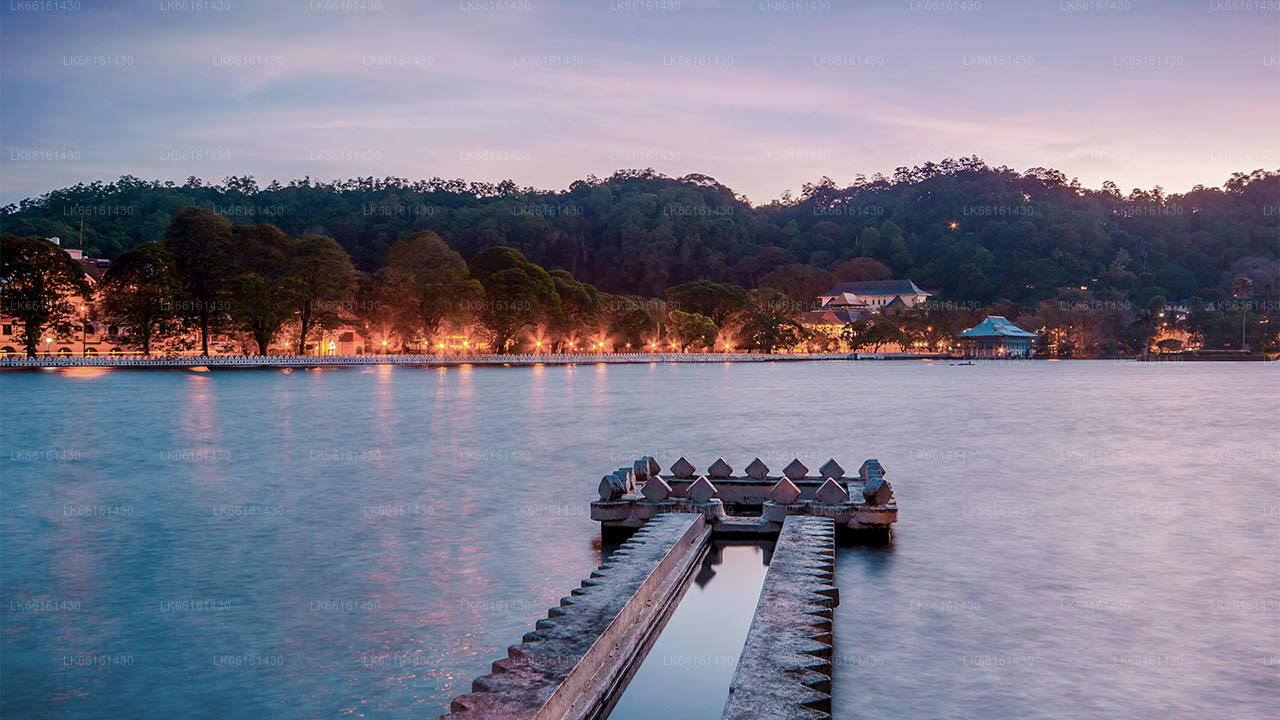
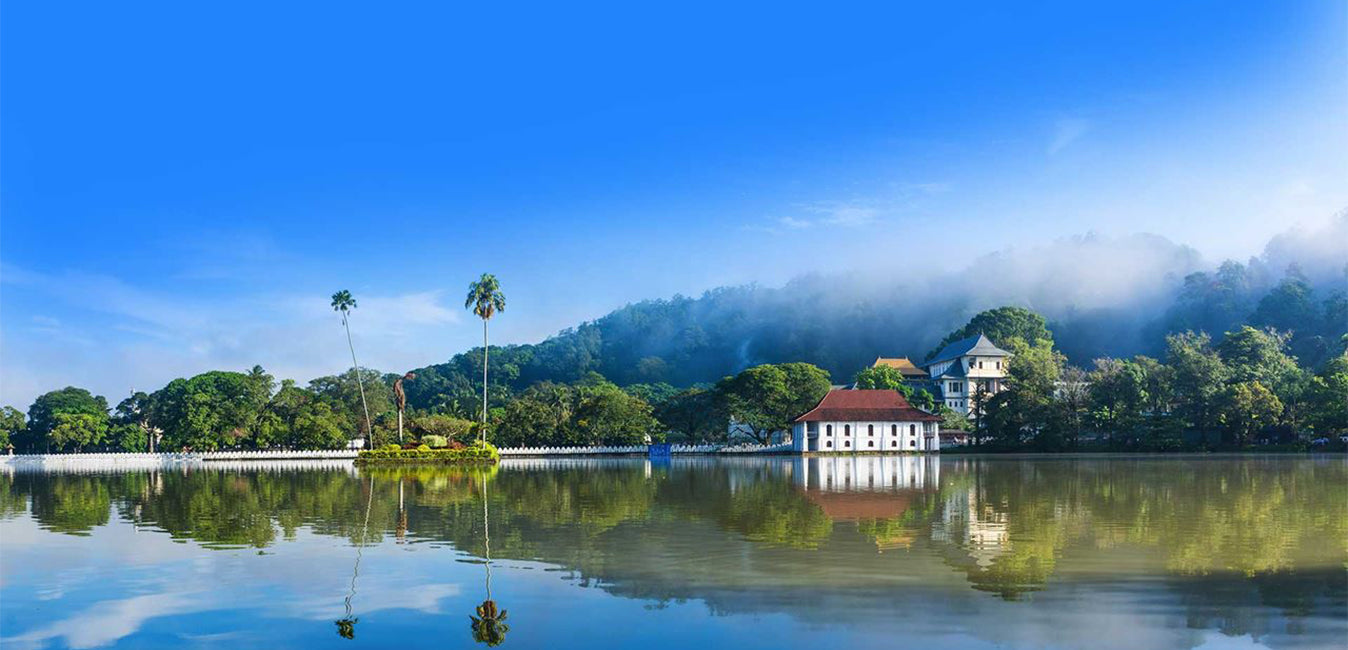
O distrito de Kandy está situado na província central do Sri Lanka. Um dos sete Patrimônios Mundiais do Sri Lanka, Kandy já foi o lar dos Reis Kandy de outrora no século XVI e uma fonte de toda a música, artes, artesanato e cultura do país. A cerca de 129 km de Colombo, Kandy está situada em um terreno montanhoso e todos os olhos são atraídos para o centro da cidade, onde o Lago Kandy forma uma característica encantadora. Kandy mantém grande significado religioso para o Sri Lanka, porque é nesta cidade encantadora que o Dalada Maligawa ou "Templo do Dente" está localizado, dentro do qual a relíquia sagrada do dente do Senhor Buda está bem guardada.

O Jardim Botânico Real, Peradeniya, está situado a cerca de 5 km a oeste do centro da cidade em Peradeniya e é visitado por 1,2 milhão de pessoas por ano. É o maior jardim botânico da ilha. O Udawatta Kele (Floresta Udawatta) é um santuário protegido situado no coração da cidade, ao norte do Templo do Dente.

Kandy é uma cidade de maioria cingalesa; há comunidades consideráveis ​​pertencentes a outros grupos étnicos, como mouros e tâmeis. Kandy fica atrás apenas de Colombo no centro da economia do Sri Lanka. Muitas grandes cooperativas têm grandes filiais em Kandy e muitas indústrias, incluindo têxteis, móveis, tecnologia da informação e joias, são encontradas aqui. Muitos centros de pesquisa agrícola estão localizados na cidade. E uma fonte para toda a música, artes, artesanato e cultura do país. A cerca de 129 km de Colombo, Kandy está abrigada em um terreno montanhoso e todos os olhares são atraídos para o centro da cidade, onde o Lago Kandy forma uma característica encantadora.

Kandy mantém grande significado religioso para o Sri Lanka, porque é nesta cidade encantadora que o Dalada Maligawa ou Templo do Dente está localizado, dentro do qual a relíquia sagrada do dente do Senhor Buda está bem guardada.

Sobre a Província Central

A Província Central do Sri Lanka é constituída principalmente por terrenos montanhosos. A província tem uma área de 5.674 km² e uma população de 2.421.148 habitantes. Algumas das principais cidades incluem Kandy, Gampola (24.730 habitantes), Nuwara Eliya e Bandarawela. A população é uma mistura de cingaleses, tâmeis e mouros. Tanto a capital montanhosa, Kandy, quanto a cidade de Nuwara Eliya estão localizadas na Província Central, assim como Sri Pada. A província produz grande parte do famoso chá do Ceilão, plantado pelos britânicos na década de 1860, após uma doença devastadora ter dizimado todas as plantações de café da província.

A Província Central atrai muitos turistas, com cidades montanhosas como Kandy, Gampola, Hatton e Nuwara Eliya. O dente-de-templo ou Dalada maligawa é o principal local sagrado da província de Centrel. O clima é fresco e muitas áreas a cerca de 1.500 metros de altitude costumam ter noites frias. As encostas ocidentais são muito úmidas, com alguns locais recebendo quase 7.000 mm de chuva por ano. As encostas orientais fazem parte da zona meio seca, recebendo chuva apenas das monções do nordeste. As temperaturas variam de 24°C em Kandy a apenas 16°C em Nuwara Eliya, localizada a 1.889 m acima do nível do mar. As montanhas mais altas do Sri Lanka estão localizadas na Província Central. O terreno é predominantemente montanhoso, com vales profundos que o cortam. As duas principais regiões montanhosas são o Maciço Central e a Cordilheira Knuckles, a leste de Kandy.