Namal Uyana


Jathika Namal Uyana no Sri Lanka é a maior floresta de madeira de ferro e a montanha de quartzo rosa da Ásia. A árvore de madeira de ferro é endêmica do Sri Lanka e a floresta replantada cobre mais de 260 acres. De acordo com as descobertas de arqueólogos, o quartzo rosa neste local histórico tem mais de 550 milhões de anos. Namal Uyana é uma floresta extremamente rara, replantada com árvores de madeira de ferro no século VIII d.C., começando com o rei Devanampiyatissa e terminando com o rei Dappula IV. Namal Uyana foi um santuário para os monges budistas durante o reinado do rei Devanampiyatissa no século VIII. Mais tarde, foi usado como um campo de prisioneiros, onde a punição era plantar árvores de Na. Durante o reinado do rei Dappula, foi declarado um santuário humano. Este local natural único foi apresentado ao mundo quase 15 anos atrás por um monge budista, o Venerável Wanawasi Rahula Thero.
Jathika Namal Uyana está localizado a 7 km do cruzamento de Madatugama na rodovia Colombo-Anuradhapura, no Sri Lanka. A floresta de madeira de ferro é uma floresta única no Sri Lanka, onde as árvores de madeira de ferro dominam a vegetação dos 260 acres de floresta. Namal Uyana está localizado na zona seca do Sri Lanka. Na floresta da árvore Na ou Namal Uyana, as árvores protegem os raios solares intensos, dando sombra a todas as pequenas plantas medicinais que crescem em sua sombra, o que faz com que os visitantes sintam que estão em uma área fresca, como o lugar mais fresco do Sri Lanka. Botanicamente, a árvore Na é chamada de Mesua Ferara e, em inglês, é chamada de Iron Wood Tree (Árvore de Madeira de Ferro). Toda a parte da árvore Na também é usada para meditação herbal no Sri Lanka. Esta árvore significativa é nativa do Sri Lanka, Índia, Malásia, Birmânia, Tailândia e Papua Nova Guiné. Foi nomeada a árvore nacional do Sri Lanka. Budistas e outras religiões atribuem grande valor religioso à árvore Na.
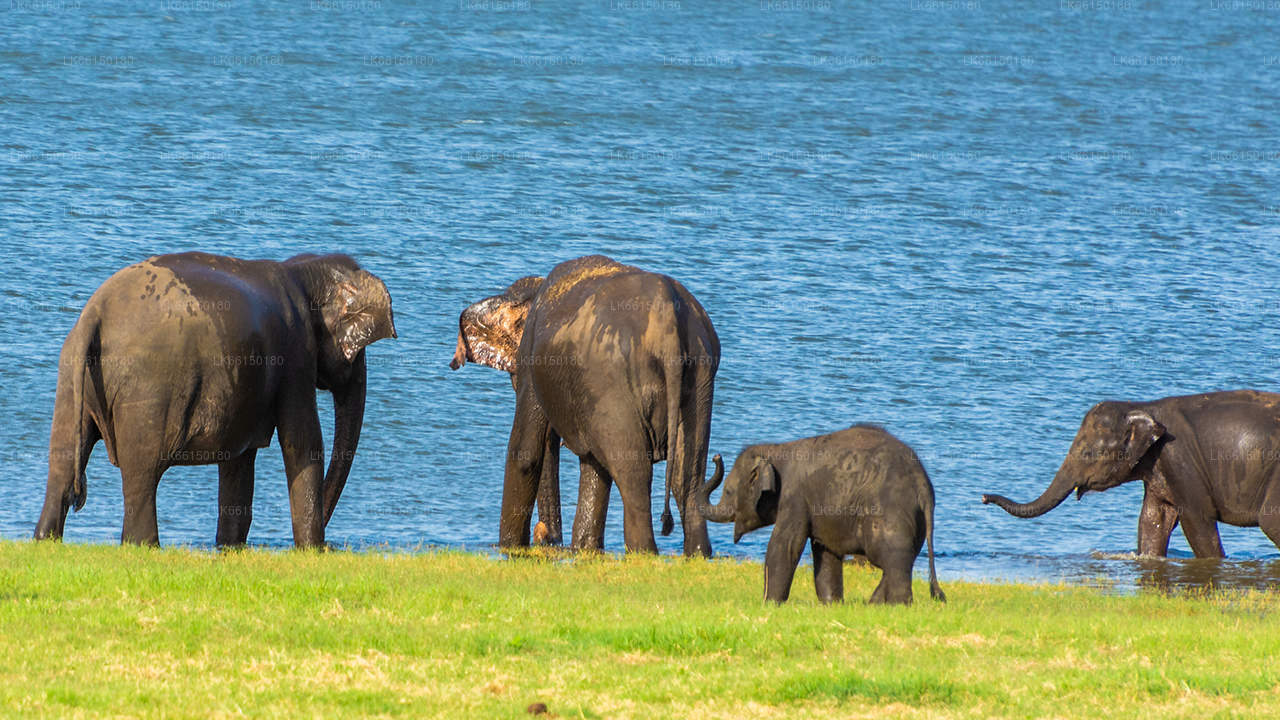
De acordo com biólogos, a importância de Namal Uyana é que ela possui 102 espécies de plantas tropicais, das quais 82 são plantas medicinais, dentro dos 260 acres de jardim e da floresta ao redor. 18 espécies de aves e vários mamíferos, incluindo elefantes, leopardos, macacos e cervos, também habitam o parque e seus arredores.
A floresta de Na e a biodiversidade não são a única distinção deste lugar. A cadeia de montanhas de quartzo rosa em Namal Uyana é a maior cadeia de montanhas de quartzo rosa da Ásia. Embora Namal Uyana tenha sido recentemente declarado um patrimônio nacional sob o Departamento de Conservação da Vida Selvagem (DWLC), tornou-se popular entre os cingaleses nos últimos anos. A fila de 7 montanhas está situada entre 180 e 300 metros acima do nível do mar. De acordo com os resultados da pesquisa arqueológica, o quartzo rosa tem uma história de mais de 550 milhões de anos. Em uma visão geral, a parte superior parece enevoada, e com sua cor rosa misturada com a névoa branca, oferece uma vista impressionante que diferencia essa montanha das outras. E se você for mais fundo para explorar as diversidades que essa cadeia de montanhas tem, será uma experiência incrível.
Existem alguns lugares antigos que mostram a longa história de Jathika Namal Uyana.
- Purana Namal Seya.
- Bodhigaraya.
- Pilimageya.
- Awasageya.
- Simamalakaya.
- Padhanagara.
- Galphana.
- Galpath