Hiththetiya Rajamaha Viharaya

Hiththetiya Rajamaha Viharaya Hiththetiya Rajamaha Viharaya Hiththetiya Rajamaha Viharaya
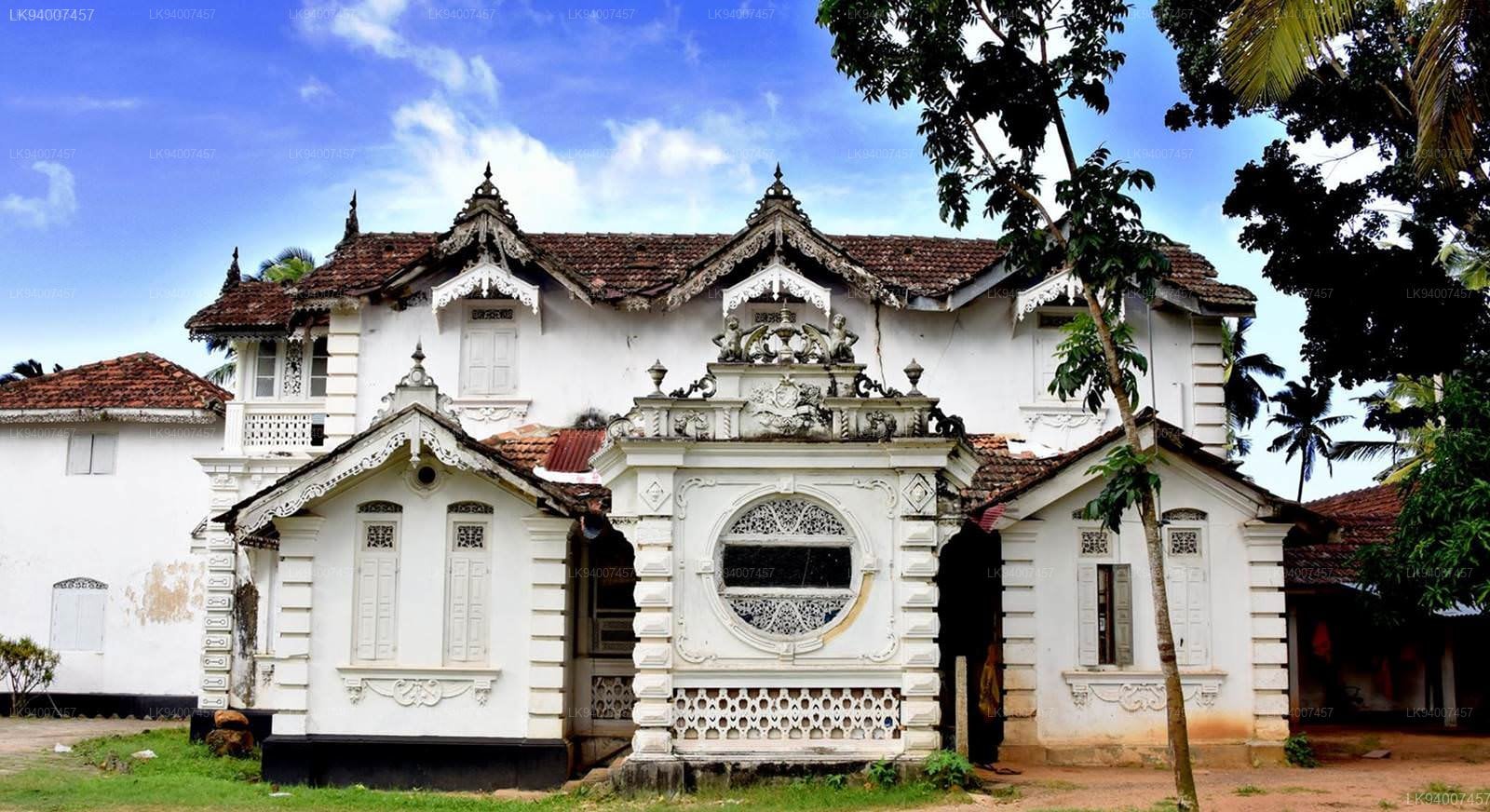
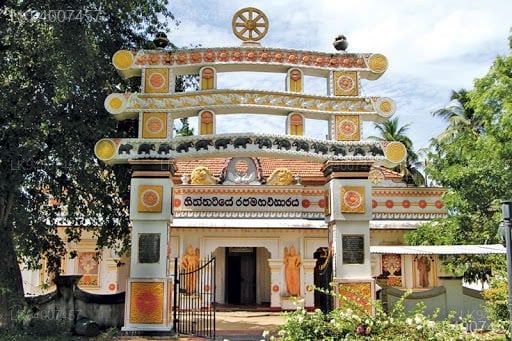
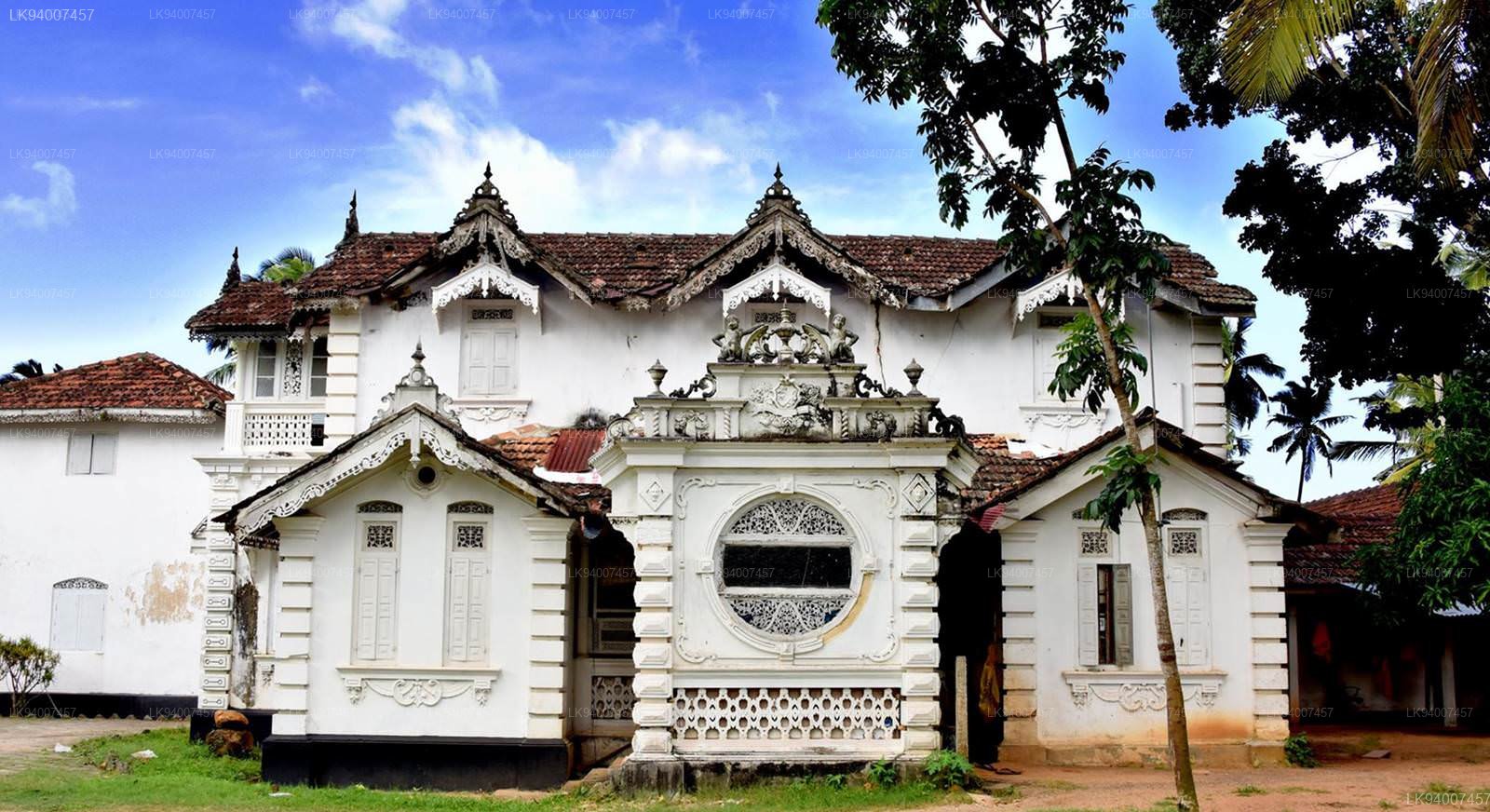
Matara Hiththatiya Rajamaha Viharaya is an ancient Temple lying very close to Matara town. The beginning of the temple is unknown, but the Bo Tree at the temple is believed to be over 1000 years old. This temple has been revived in the 18th century with the resurgence of Buddhist philosophy by Weliwita Sri Saranankara Sangaraja Thero (1698 – 1778). King Kirthi Sri Rajasinhe (1747 – 1781) has also promoted development of this temple and even today, a pair of large elephant tusks donated by the king can be found at the temple. One tusk is 7 feet in length and the other 5 feet.

The seated Buddha statue at the current image house has been salvaged from the Tampita Viharaya. This statue also known as the Sandun Pilimaya or the Sandalwood Statue is thought to be carved out of sandalwood and plastered with lime and then painted. This 3 1/2 feet tall statue with its Siraspatha is thought to be commissioned by either Weliwita Sri Saranankara Sangaraja Thero or by his student Welivitiye Sangarakkitha Thero.

In addition, an 18 riyan reclining Buddha statue flanked by Sariputta and Moggalana Theros can be seen in this image house. The current murals on the inner and outer wall of the image house has been done in 1862. The temple also owns a wooden Pirith Mandapaya built in 1842. The carvings on this structure is considered as an excellent example of the southern art form during the Kandyan era.


Hiththetiya Rajamaha Viharaya Hiththetiya Rajamaha Viharaya Hiththetiya Rajamaha Viharaya
?Text by Lakpura™. Images by Google, copyright(s) reserved by original authors.?

Sobre o distrito de Matara

O distrito de Matara, localizado na Província Sul do Sri Lanka, é conhecido por sua beleza costeira, rica história e vibrante cultura local. Banhado pelo Oceano Índico, possui praias deslumbrantes como Polhena e Mirissa, populares para natação e observação de baleias. A economia do distrito é impulsionada pela agricultura, particularmente o cultivo de coco e chá, além da pesca. Marcos históricos como o Forte de Matara e o Farol de Dondra Head destacam o passado colonial da região. Com sua combinação de atrações naturais e patrimônio cultural, o distrito de Matara é um destino cativante tanto para moradores locais quanto para turistas.

Sobre a Província do Sul

A Província Sul do Sri Lanka é uma pequena área geográfica que compreende os distritos de Galle, Matara e Hambantota. A agricultura de subsistência e a pesca são as principais fontes de renda para a grande maioria da população desta região.

Entre os pontos turísticos importantes da Província do Sul, destacam-se os santuários de vida selvagem dos Parques Nacionais de Yala e Udawalawe, a cidade sagrada de Kataragama e as antigas cidades de Tissamaharama, Kirinda e Galle. (Embora Galle seja uma cidade antiga, quase nada sobreviveu do período anterior à invasão portuguesa.) Durante o período português, dois poetas cingaleses famosos, Andare, de Dickwella, e Gajaman Nona, de Denipitiya, no distrito de Matara, compuseram poemas sobre o homem comum.