Dambulu Somavathi complex

Dambulu Somavathi complex Dambulu Somavathi complex Dambulu Somavathi complex
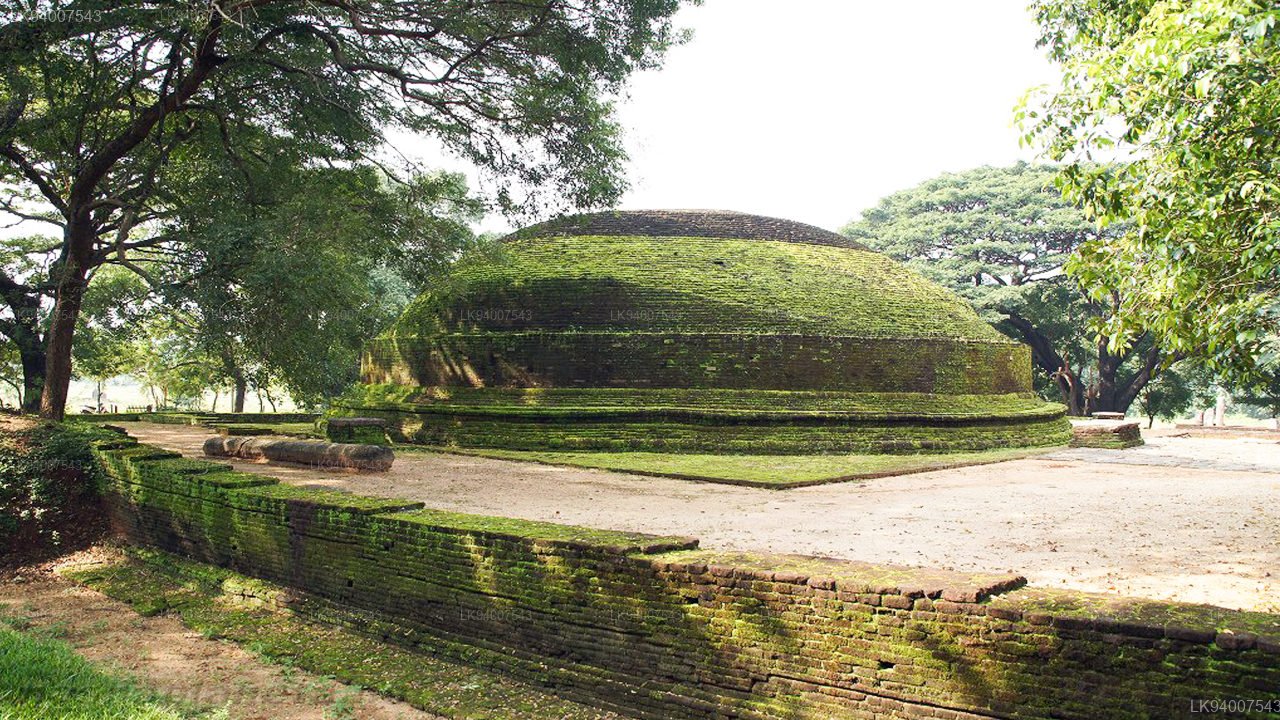
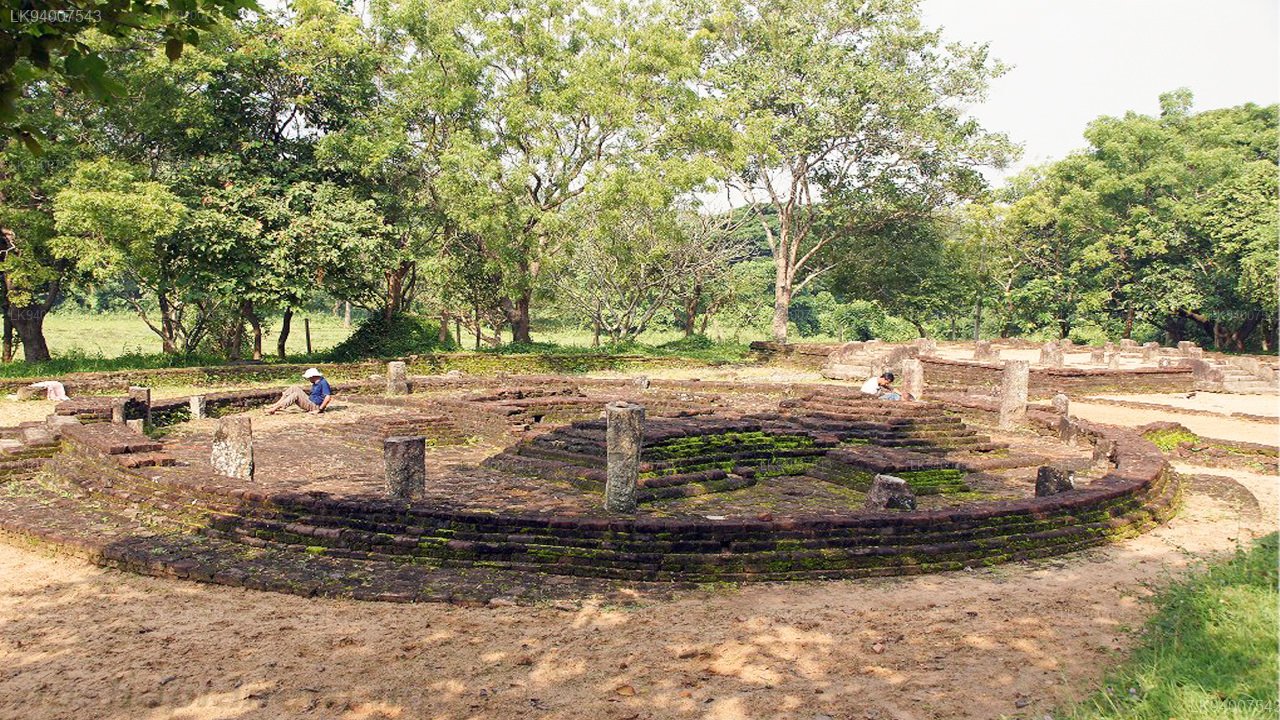
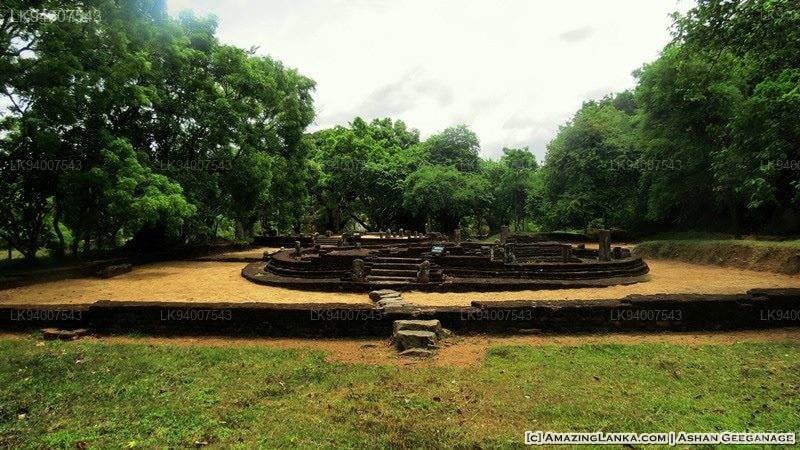
The site is situated somewhat behind its more famous Dambulla Rangiri Raja Maha Viharaya, adjoining the Sri Valagamba Pirivena and is relatively unknown to the usual pilgrim and tourist to Dambulla.

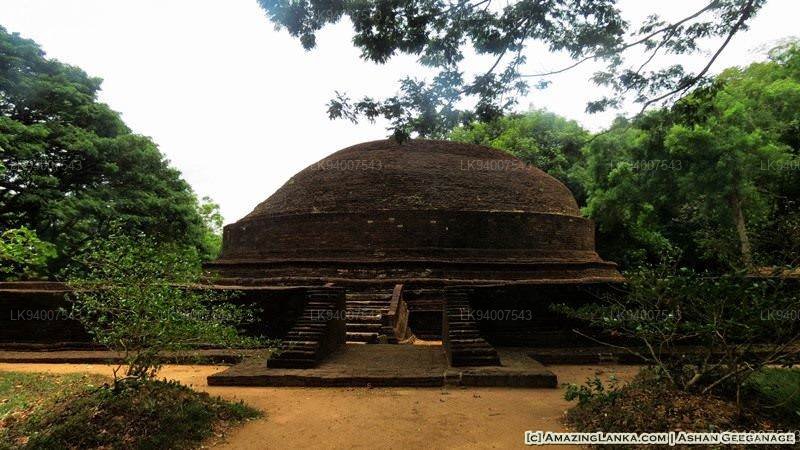
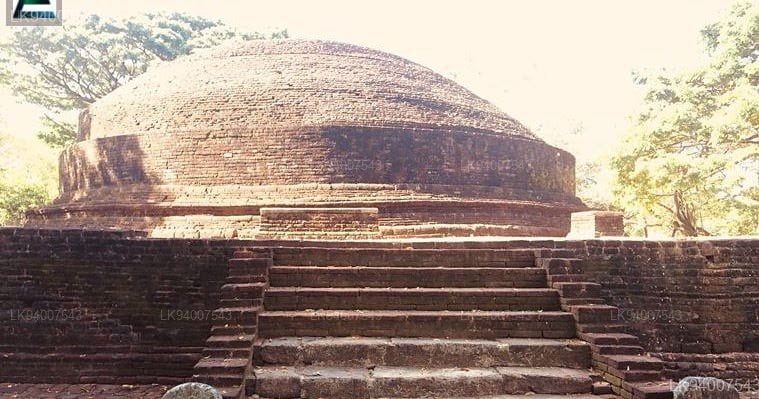
Here the Somawathi Chaithiya dedicated to the queen of King Valagamba is still in the process of being rebuilt. Its vast brick mass looms incomplete up towards the blue skies. Around it is displayed an ancient ‘Siri Pathula’ stone and some stone alter slabs.

What is interesting here is that the old path to the Dambulla cave temple lies from this site. Called the ‘Raja Mawatha,’ it includes a flight of carved stone steps on the rock. On this rock are cut steps, trekked by the royals of yore, to worship at the Dambulla cave shrines above. Short records have been found cut into the sides of these rock steps. Some of these are by ancient kings. One such record that has been deciphered records that the ‘Lord of men, King Kutakanna Abhaya (41-19 BC) was responsible for making thirteen steps of the flight.
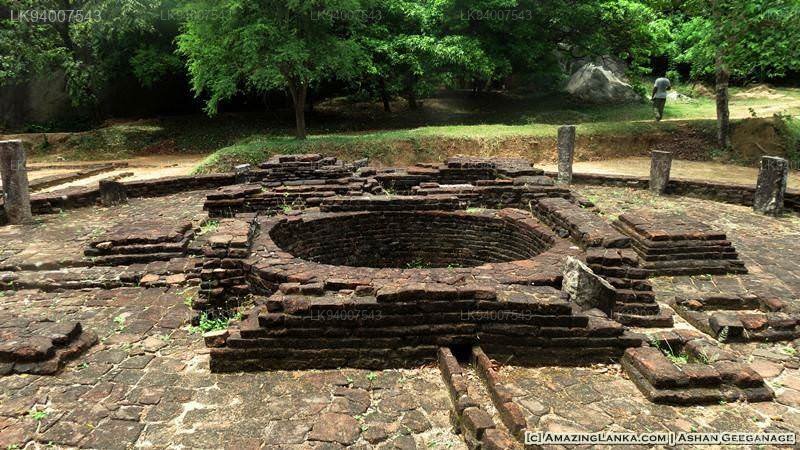
Dambulu Somavathi complex Dambulu Somavathi complex Dambulu Somavathi complex

Sobre a Província Central

A Província Central do Sri Lanka é composta principalmente por terreno montanhoso. A província tem uma área de 5.674 km² e uma população de 2.421.148 habitantes. Algumas das principais cidades incluem Kandy, Gampola (24.730 habitantes), Nuwara Eliya e Bandarawela. A população é uma mistura de cingaleses, tâmeis e mouros.

Tanto a capital Kandy, situada nas montanhas, quanto a cidade de Nuwara Eliya, assim como Sri Pada, estão localizadas na Província Central. A província produz grande parte do famoso chá do Ceilão, plantado pelos britânicos na década de 1860, após uma doença devastadora ter dizimado todas as plantações de café da região. A Província Central atrai muitos turistas, com cidades serranas como Kandy, Gampola, Hatton e Nuwara Eliya. O Templo do Dente de Dalada Maligawa é o principal local sagrado da Província Central.

O clima é frio, e muitas áreas acima de 1.500 metros de altitude costumam ter noites frias. As encostas ocidentais são muito úmidas, com alguns locais registrando quase 7.000 mm de chuva por ano. As encostas orientais fazem parte da zona semiárida, recebendo chuva apenas da monção do nordeste. As temperaturas variam de 24°C em Kandy a apenas 16°C em Nuwara Eliya, que está localizada a 1.889 m acima do nível do mar. As montanhas mais altas do Sri Lanka estão localizadas na Província Central. O terreno é predominantemente montanhoso, com vales profundos que o cortam. As duas principais regiões montanhosas são o maciço central e a cordilheira Knuckles, a leste de Kandy.