Wieża Ambuluwawa
Já ouviu falar da Torre Ambuluwawa? Se você estiver no Sri Lanka para um passeio de um dia ou uma excursão circular, a Torre Ambuluwawa é um dos locais que você precisa visitar no Sri Lanka. Você pode chegar à Torre Ambuluwawa a partir de Kandy ou Gampola. Algumas informações sobre este local: está a 3567 metros acima do nível do mar e existem 200 plantas que pertencem a 80 espécies. Sabemos que a subida ao topo é um pouco difícil, mas, como você sabe, as subidas mais difíceis sempre oferecem as melhores vistas. Algumas das melhores vistas que você pode admirar desta torre são:
- Sul – Sri Pada ou Adams Peak
- Norte – Cadeia de montanhas Knuckles
- Oeste – Bathalegala ou Bible Rock
- Leste – Montanha Piduruthalagala
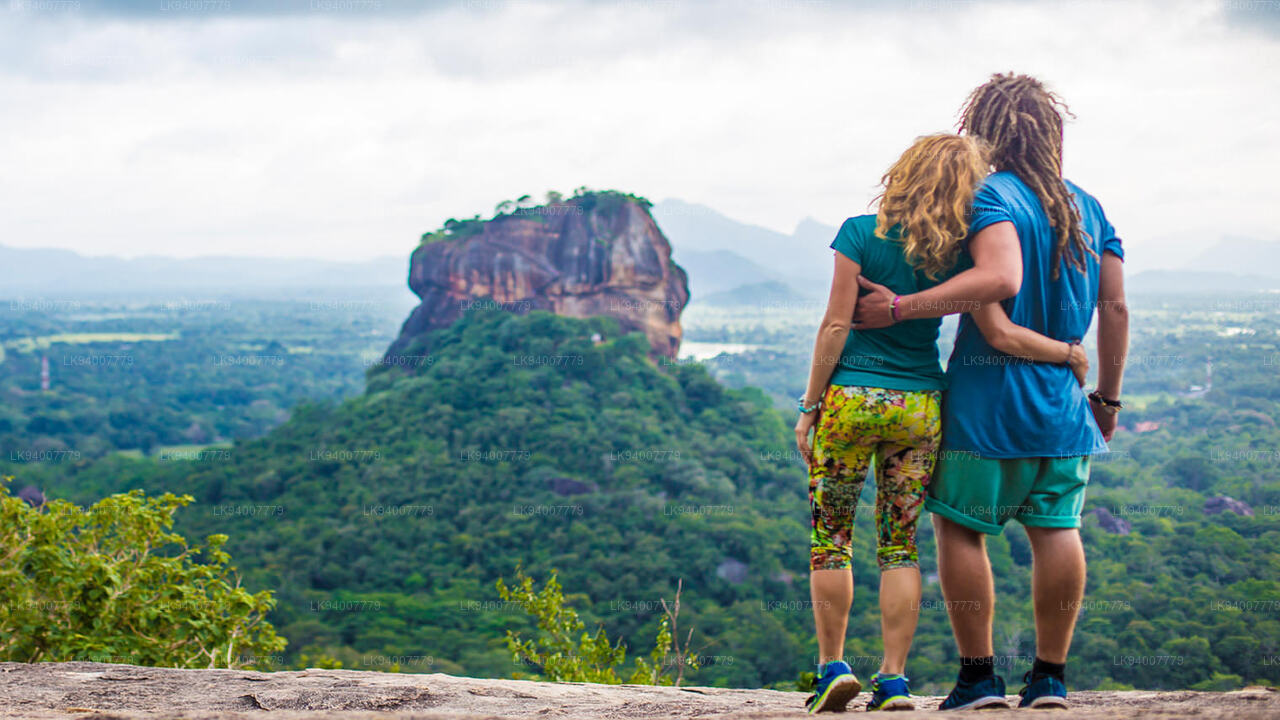
Se você visitar em um dia de céu limpo e sem neblina, poderá ver a vista deslumbrante da Cadeia de Montanhas Hanthana, Hunnasgiriya e das montanhas do distrito de Nuwara Eliya. A Cadeia de Montanhas Hanthana é conhecida por ser um guerreiro solitário capaz de resistir a qualquer coisa que apareça em seu caminho, e é lar de muitos viajantes, oferecendo alegremente aventura a todos que a procuram.
Além disso, a Torre Ambuluwawa é o primeiro Centro Multirreligioso do Sri Lanka. Você pode ver um Templo, Kovil, Mesquita e uma Igreja. Sabe-se que o Templo Ambuluwawa evoca uma “stupa” budista com altura de 48 metros. Este Centro Multirreligioso demonstra a perfeita Harmonia e Unidade entre nós, cingaleses, desde o início. Você poderá ver não apenas budistas; todos visitam a Torre Ambuluwawa para ter uma experiência incrível e também para praticar sua religião. Um fato interessante sobre este local é que ele se tornou um complexo de biodiversidade em 2006.
Torre Ambuluwawa
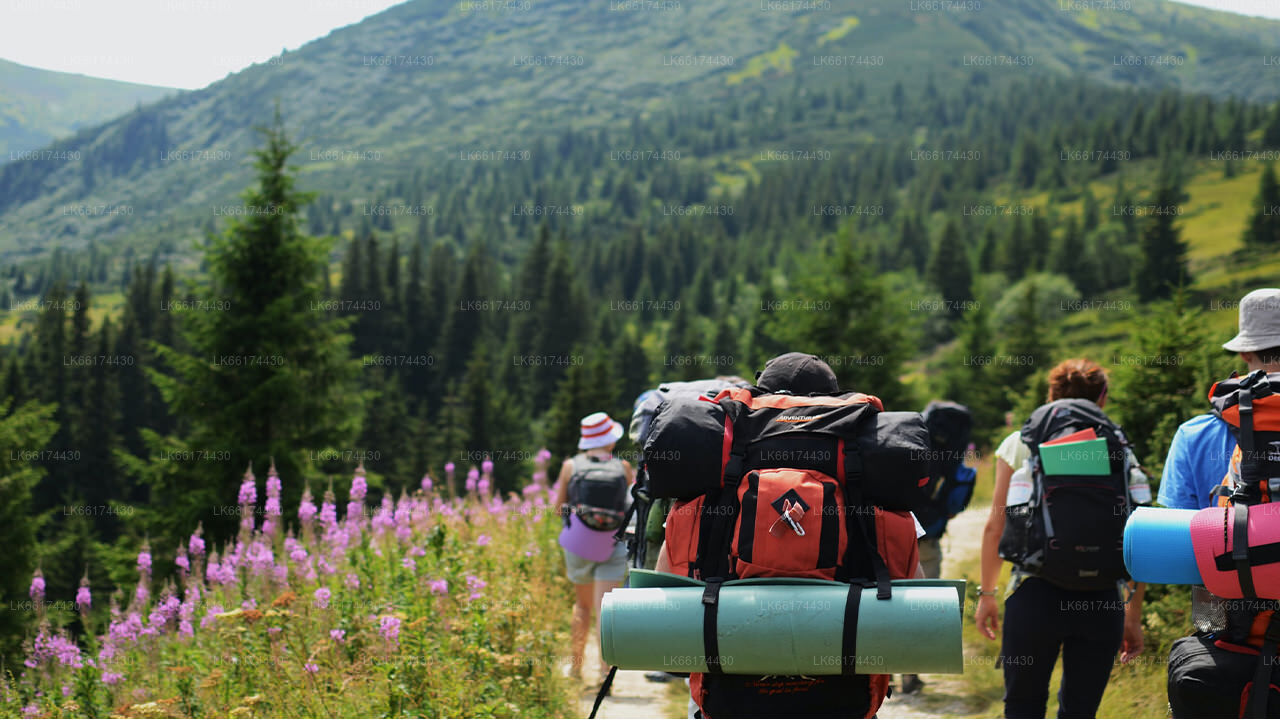
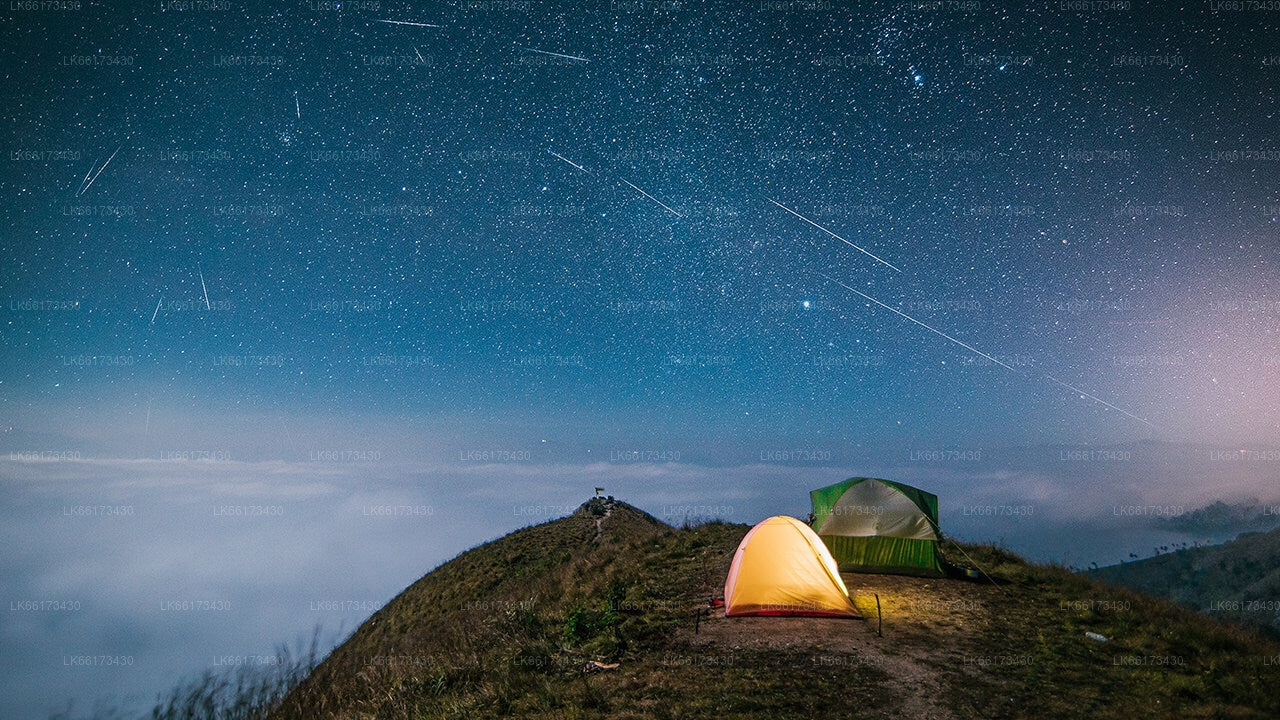
Ao chegar ao topo da Ambuluwawa, você pode experimentar as vistas mais incríveis, que às vezes podem estar cobertas pela névoa. No entanto, quando a névoa se dissipa, a vista pode ser assustadora e causar medo nos escaladores, especialmente aqueles que têm medo de altura. Observe que a caminhada até Ambuluwawa não é perigosa nem arriscada, mas não seria a aventura ideal para quem tem medo de altura. Evite apoiar-se no corrimão para tirar fotos, especialmente no topo, pois é extremamente arriscado e você poderia facilmente escorregar. A caminhada até Ambuluwawa é relativamente fácil e oferece vistas de 360 graus das montanhas, florestas, rios e cidades ao redor.
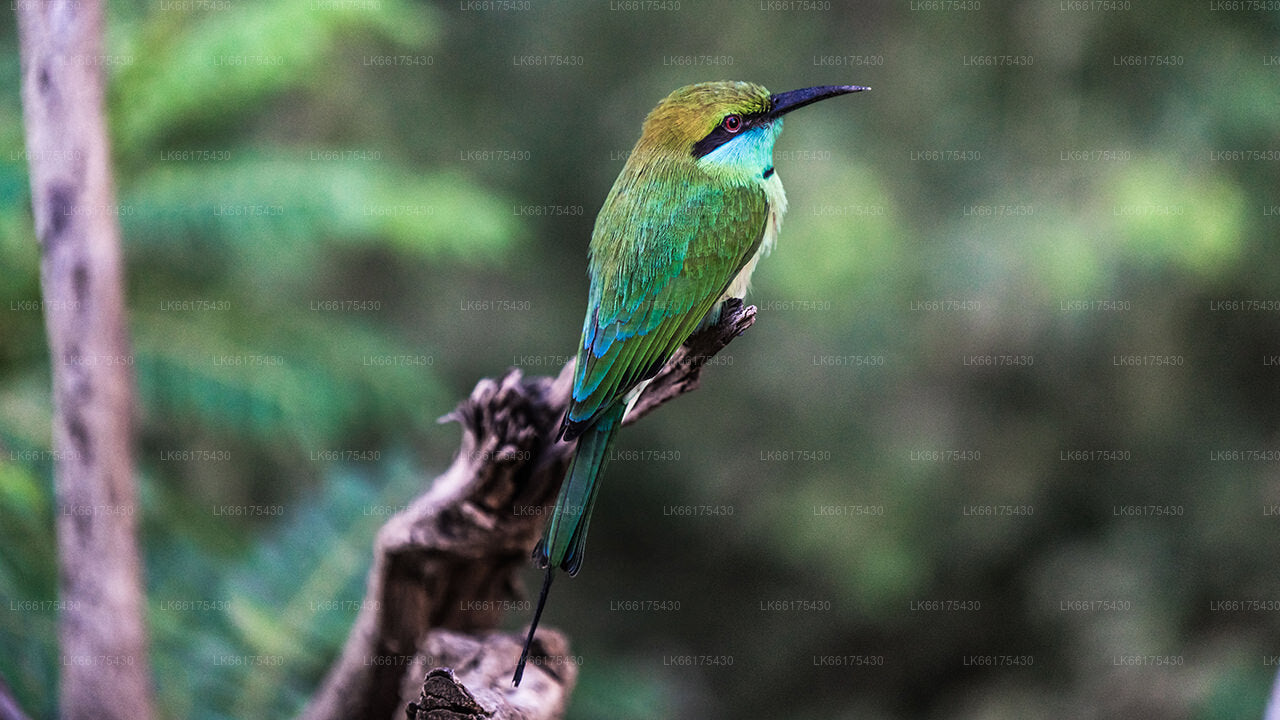
É uma área ricamente diversa, com florestas perenes, plantas floridas, trepadeiras e cerca de 200 tipos diferentes de plantas de 80 famílias, incluindo várias plantas medicinais. Ambuluwawa é cercada por muitas montanhas, incluindo Piduruthalagala a leste, Bible Rock (Bathalegala) a oeste, Sri Pada (Adams Peak) ao sul e a Cadeia de Montanhas Knuckles ao norte. Além dessas montanhas, muitas outras também são claramente visíveis daqui, o que aumenta a beleza da área. Entre elas estão a Cadeia de Montanhas Hanthana, a Montanha Hunnasigiri e as cadeias de montanhas associadas a Algalla e Kadugannawa. Há uma brisa fresca de montanha na região por essa razão.
Altura da Torre Ambuluwawa
Ambuluwawa está situada aproximadamente a 1.965 pés acima do nível da cidade de Gampola. A Montanha Ambuluwawa está a aproximadamente 3560 metros acima do nível do mar. A torre tem cerca de 48 metros de altura e não é recomendável que idosos e crianças subam até o topo. A estrada da montanha segue serpenteando, cercada por paisagens montanhosas, penhascos e plantas únicas, que não podem ser encontradas em nenhum outro lugar. Lugares interessantes para visitar incluem três lagoas, uma árvore Bodhi sagrada, parque aquático, parque de pedras e jardim de ervas.
O Centro de Biodiversidade Ambuluwawa foi inaugurado pelo ex-Primeiro Ministro do Sri Lanka, Dissanayake Mudiyanselage Jayaratne, popularmente conhecido como “Di Mu”, que nasceu próximo a Gampola. Para aqueles que vêm de Colombo, Ambuluwawa está situada a 85