Weda Gedara


In Sri Lanka, the term “Weda Gedara” translates to “House of Healing” or “Doctor’s Home”, traditionally referring to the residence and practice place of an Ayurvedic physician. Rooted deeply in the island’s ancient medical heritage, a Weda Gedara is not just a clinic but a sacred space of holistic wellness, where generations of traditional healers have practiced indigenous medicine (Deshiya Chikitsa), Ayurveda, and Siddha therapies.
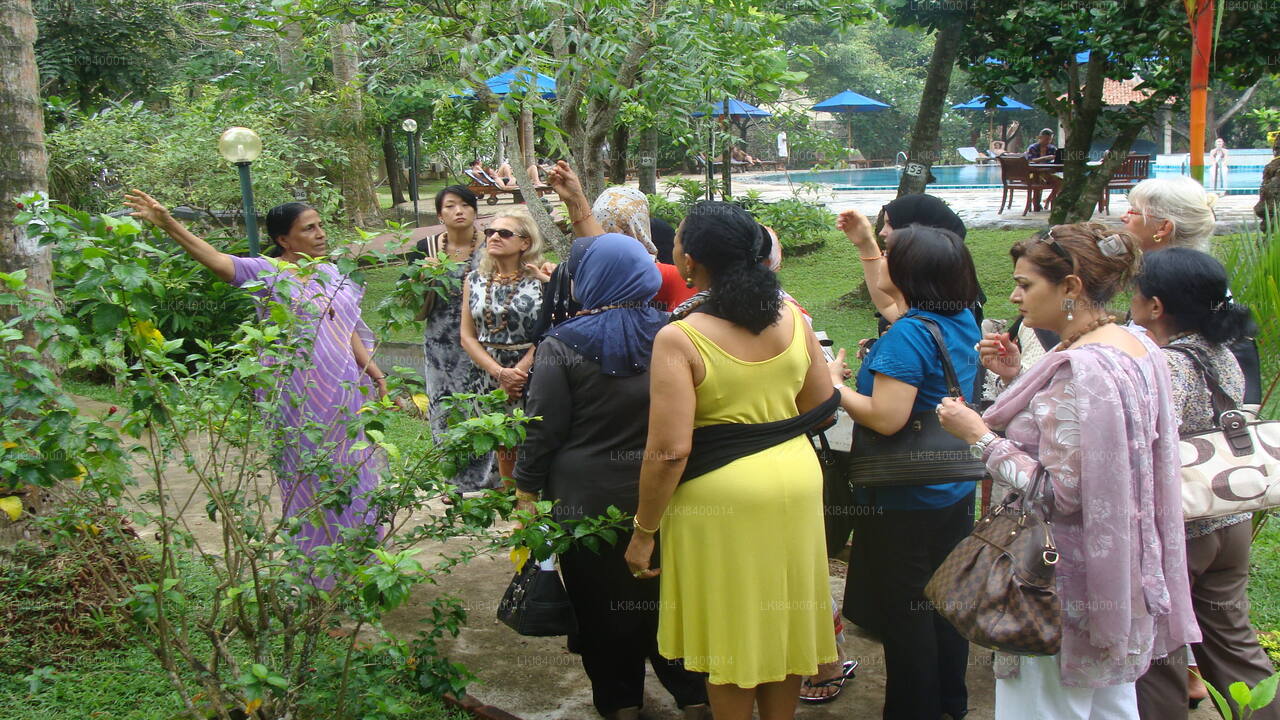
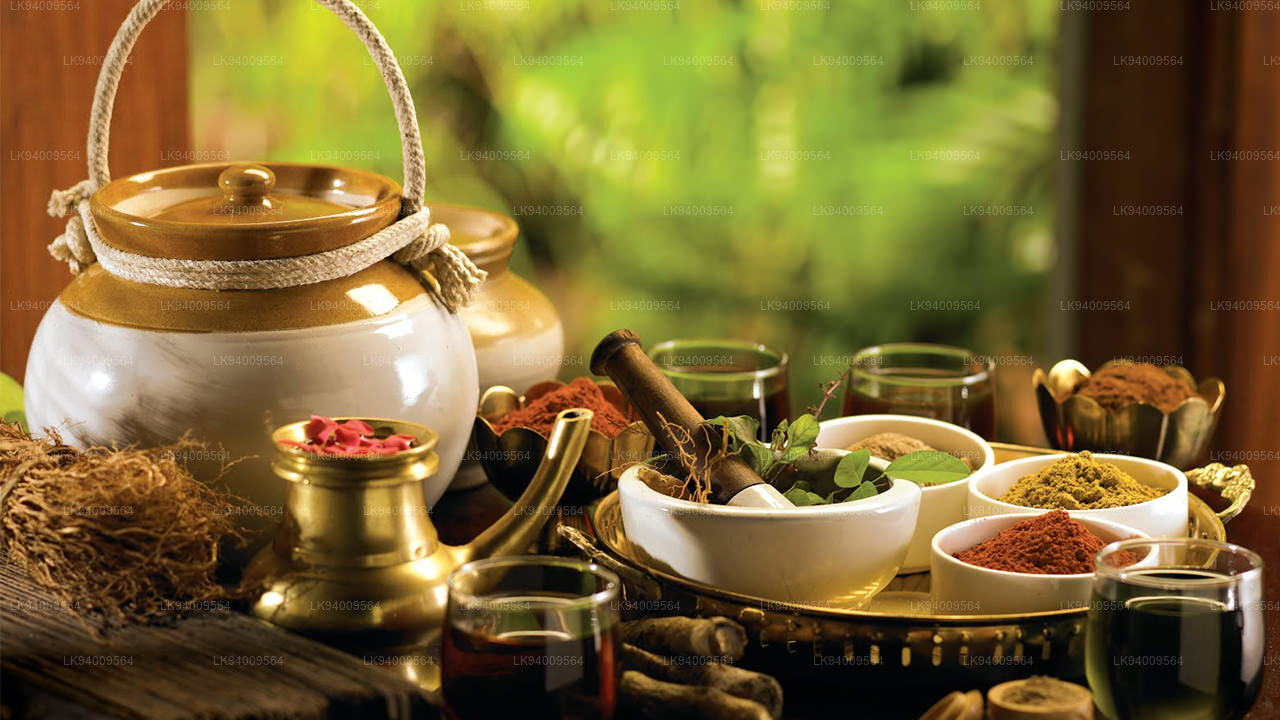
Typically, a Weda Gedara is located in a peaceful rural setting surrounded by lush greenery and medicinal plants. The atmosphere itself plays a role in the healing process — calm, spiritual, and connected to nature. Inside, one would find shelves filled with dried herbs, oils, and powders, along with age-old tools used for grinding, boiling, and preparing remedies according to time-tested recipes passed down through family lineages.
The healer, known as the Weda Mahattaya or Weda Nanda, is often revered not only for their medical knowledge but also for their spiritual wisdom and compassion. Treatments at a Weda Gedara go beyond curing illness — they aim to restore balance among mind, body, and spirit, following the Ayurvedic principle of harmony between humans and the natural world.
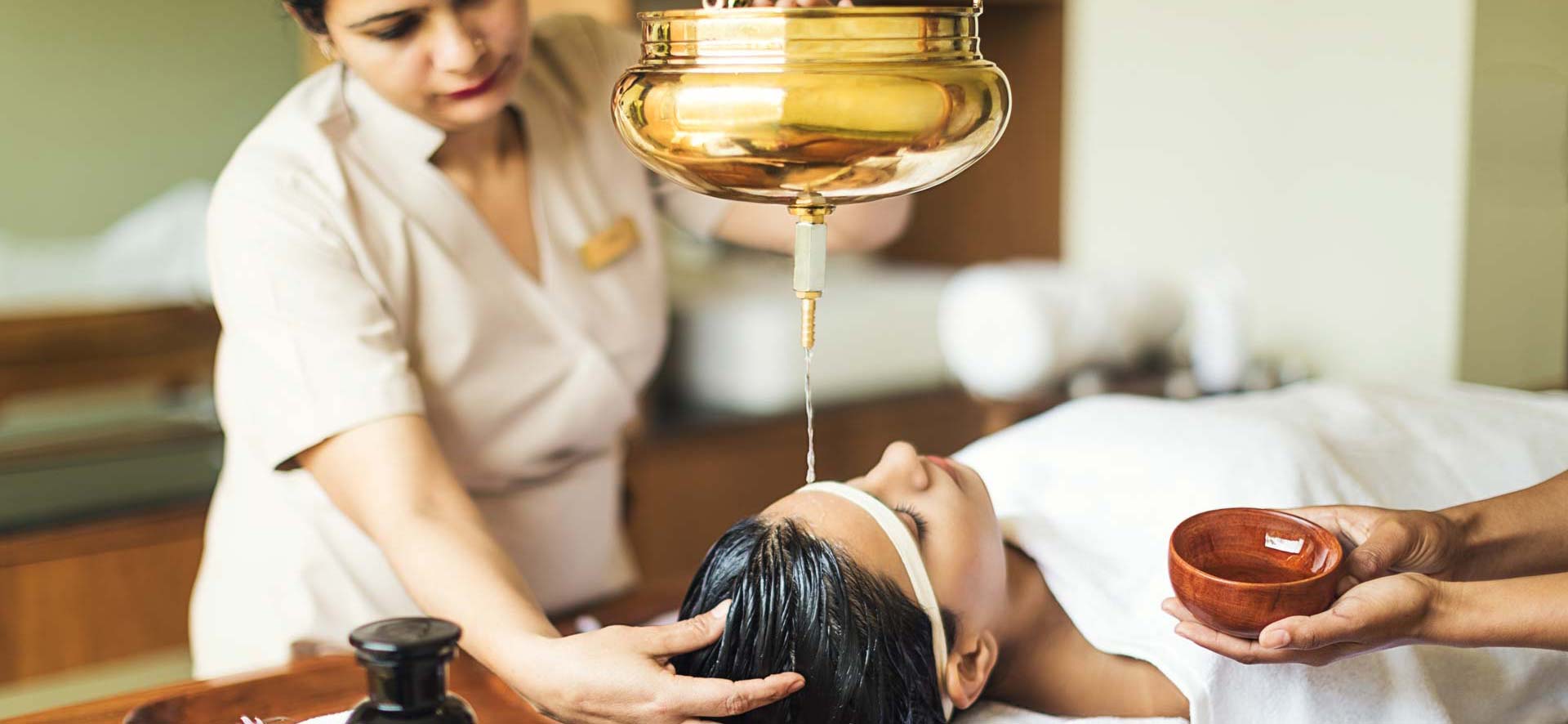
Today, many Weda Gedaras have evolved to blend traditional wisdom with modern wellness approaches. Some operate as Ayurvedic resorts or retreats, offering herbal therapies, massages, and detox programs to both locals and visitors seeking authentic Sri Lankan healing experiences. Yet, the essence remains unchanged — the Weda Gedara continues to symbolize the island’s timeless tradition of natural healing and spiritual well-being.


 c
c