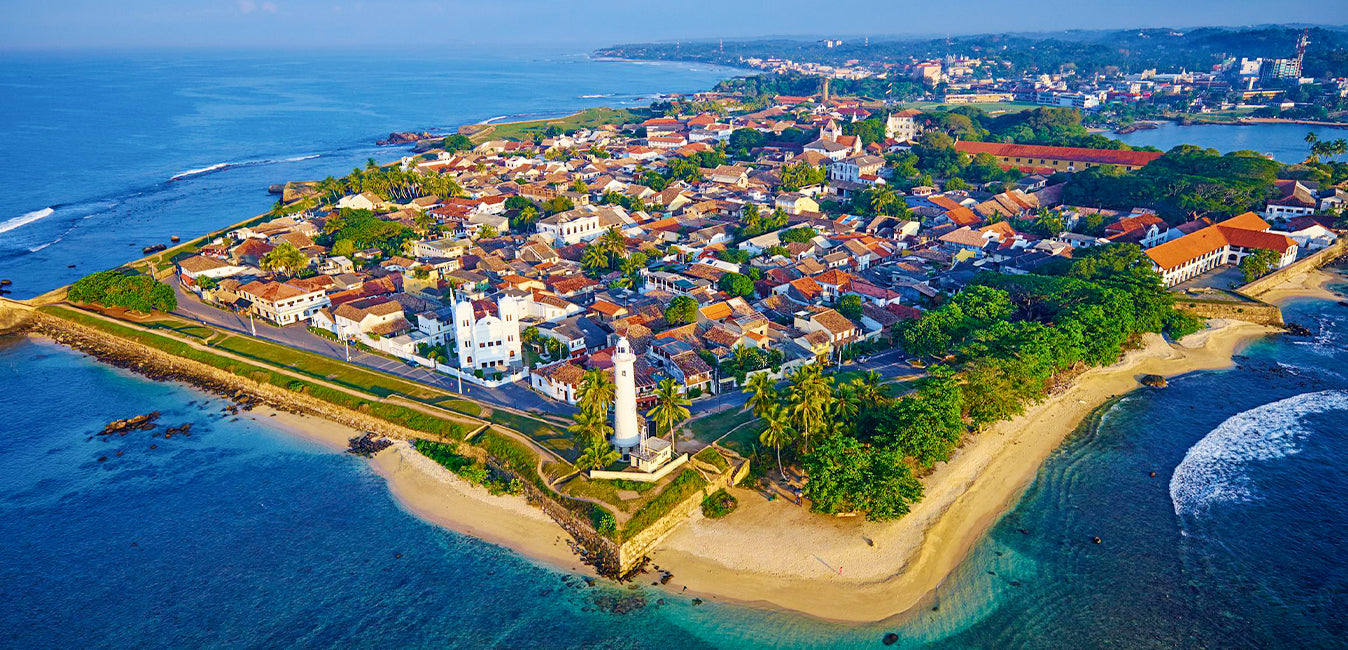
Galle, a charming coastal city in Sri Lanka, boasts a rich history and vibrant culture. Its iconic Dutch Fort, a UNESCO World Heritage Site, stands as a testament to colonial influence. Explore pristine beaches, immerse in cultural festivals, and savor local cuisine amidst the old-world charm of Galle.
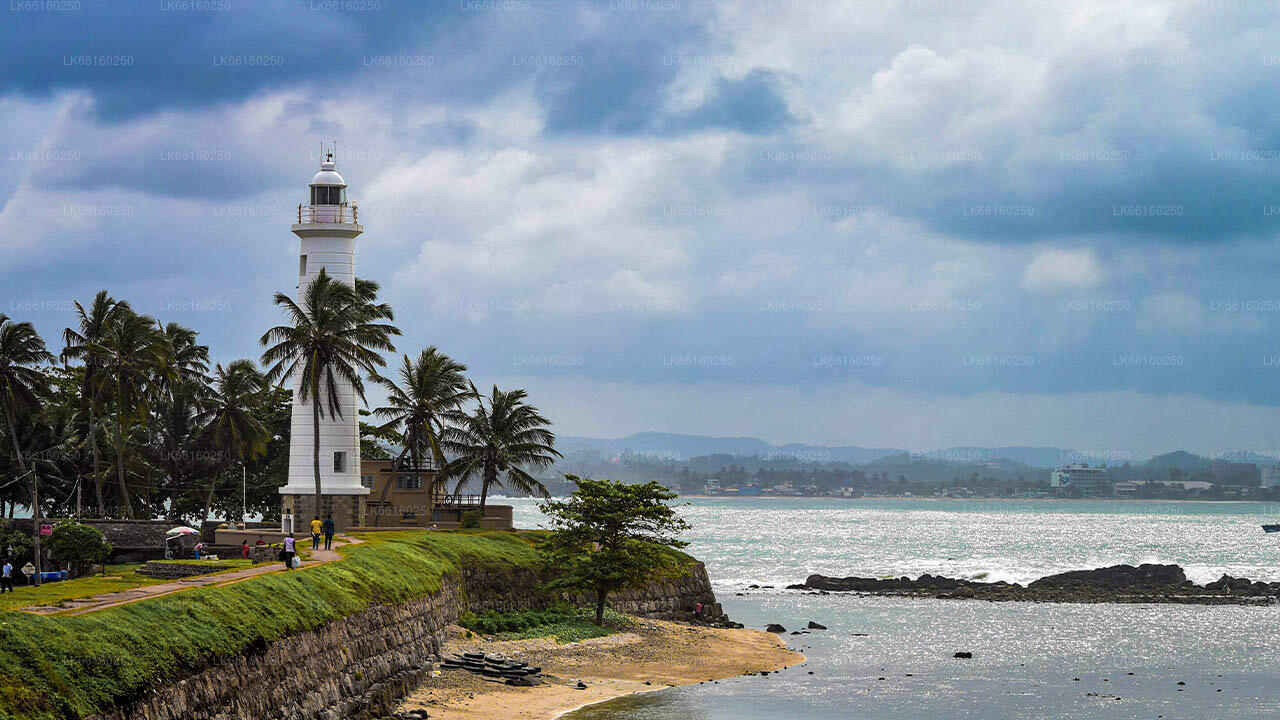
The Sun Bastion is an integral part of the historical Galle Fort in Sri Lanka, a UNESCO World Heritage site. Built by the Portuguese in the 16th century and later fortified by the Dutch, the Sun Bastion was designed as a defense structure to protect the fort from sea-based invasions. Located along the fort's walls, the bastion offers stunning views of the Indian Ocean and is a popular stop for tourists exploring the fort’s historic architecture.
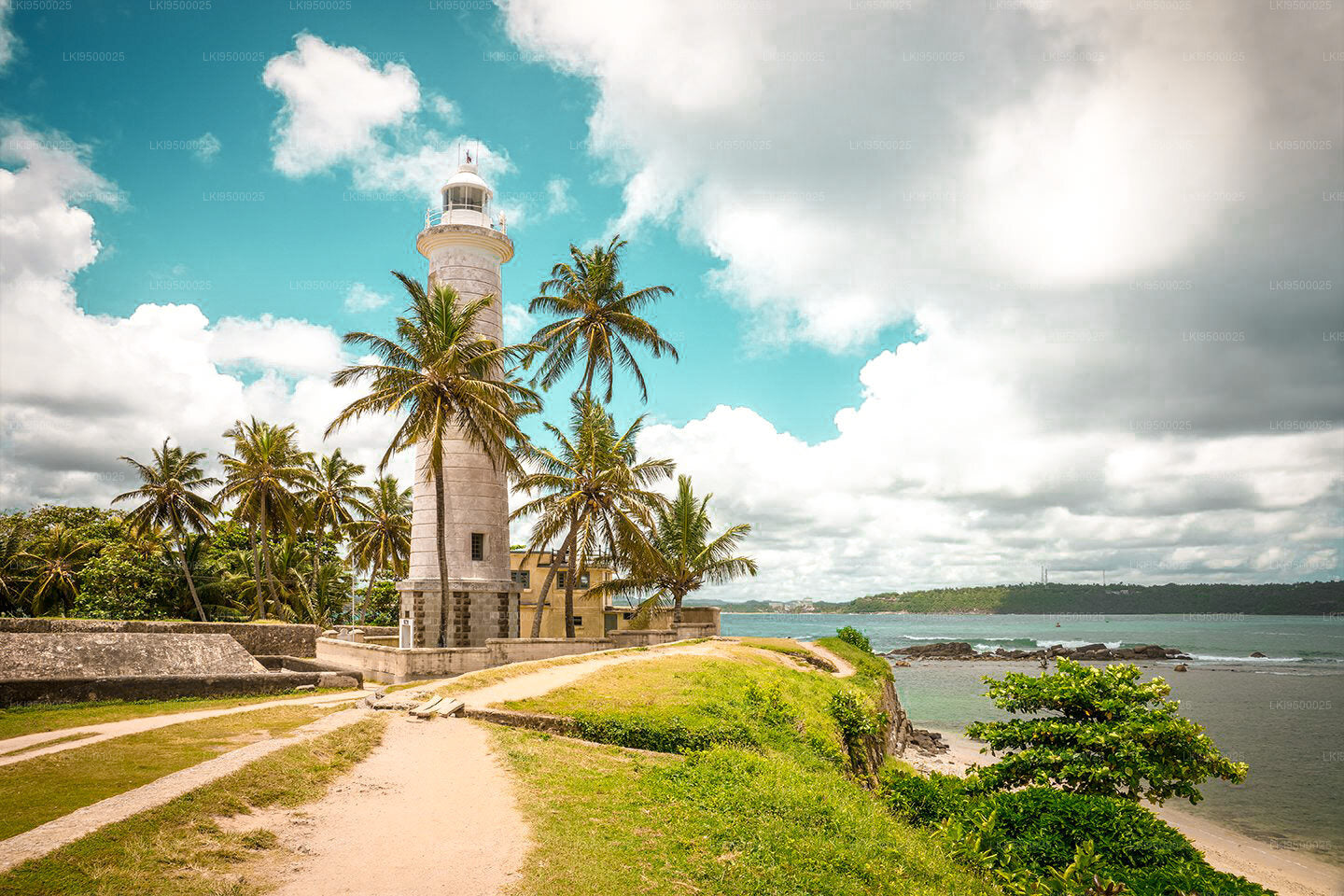
Visitors can walk along the fort’s ramparts and enjoy panoramic views of the coastline, making the Sun Bastion a perfect spot for photography, particularly at sunrise and sunset. Its elevated position also provides an excellent vantage point to see other parts of Galle Fort, including the Galle Lighthouse, and the Dutch Reformed Church.
Aside from its aesthetic appeal, the bastion is a symbol of the fort’s colonial military history. Tourists can learn about how the Portuguese and Dutch used the bastion to defend against enemy ships and how it played a crucial role in the overall defense system of Galle Fort. Today, it stands as a testament to the fort's resilience and the region’s rich colonial history.
Galle is a city situated on the southwestern tip of Sri Lanka, 119 km from Colombo.Galle is the best example of a fortified city built by Europeans in south and Southeast Asia, showing the interaction between European architectural styles and south Asian traditions. The Galle fort is a world heritage site and the largest remaining fortress in Asia built by European occupiers.
Galle is a sizeable town, by Sri Lankan standards, and has a population of 91,000, the majority of whom are of Sinhalese ethnicity. There is also a large Sri Lankan Moor minority, particularly in the fort area, which descend from Arab merchants that settled in the ancient port of Galle.
About Southern Province
The Southern Province of Sri Lanka is a small geographic area consisting of the districts of Galle, Matara and Hambantota. Subsistence farming and fishing is the main source of income for the vast majority of the people of this region.
Important landmarks of the Southern Province include the wildlife sanctuaries of the Yala and Udawalawe National Parks, the holy city of Kataragama, and the ancient cities of Tissamaharama, Kirinda and Galle. (Although Galle is an ancient city, almost nothing survives from before the Portuguese invasion.) During the Portuguese period there were two famous Sinhalese poets called Andare who was from Dickwella and Gajaman Nona who was from Denipitiya in Matara District, composing poems on common man.