Plaża Mannar
Plaża Mannar, położona na północno-zachodnim wybrzeżu Sri Lanki, jest znana ze swojej nietkniętej piękności, rozległych plaż i spokojnej atmosfery. Ta plaża oferuje unikalne i odosobnione doświadczenie nadmorskie, idealne dla podróżników, którzy chcą uciec od bardziej zatłoczonych miejsc turystycznych i zanurzyć się w naturalnym pięknie.
Odizolowana i spokojna
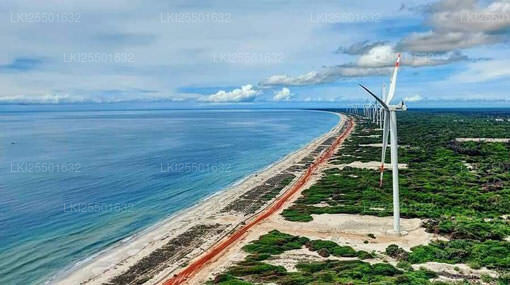
Plaża Mannar charakteryzuje się długimi odcinkami nienaruszonego złotego piasku i czystą, spokojną wodą. Odległa lokalizacja plaży zapewnia spokojną atmosferę, idealną dla osób szukających samotności i relaksu z dala od zatłoczonych obszarów turystycznych.
Wędkarstwo i kultura lokalna
Wędkarstwo jest integralną częścią życia w Mannar, a odwiedzający mogą zobaczyć lokalnych rybaków pracujących tradycyjnymi metodami. Region jest bogaty w lokalną kulturę i oferuje okazje do poznania codziennego życia i zwyczajów społeczności nadmorskich.
Historyczne i kulturowe miejsca
W pobliżu miasta Mannar znajduje się kilka historycznych i kulturowych atrakcji:
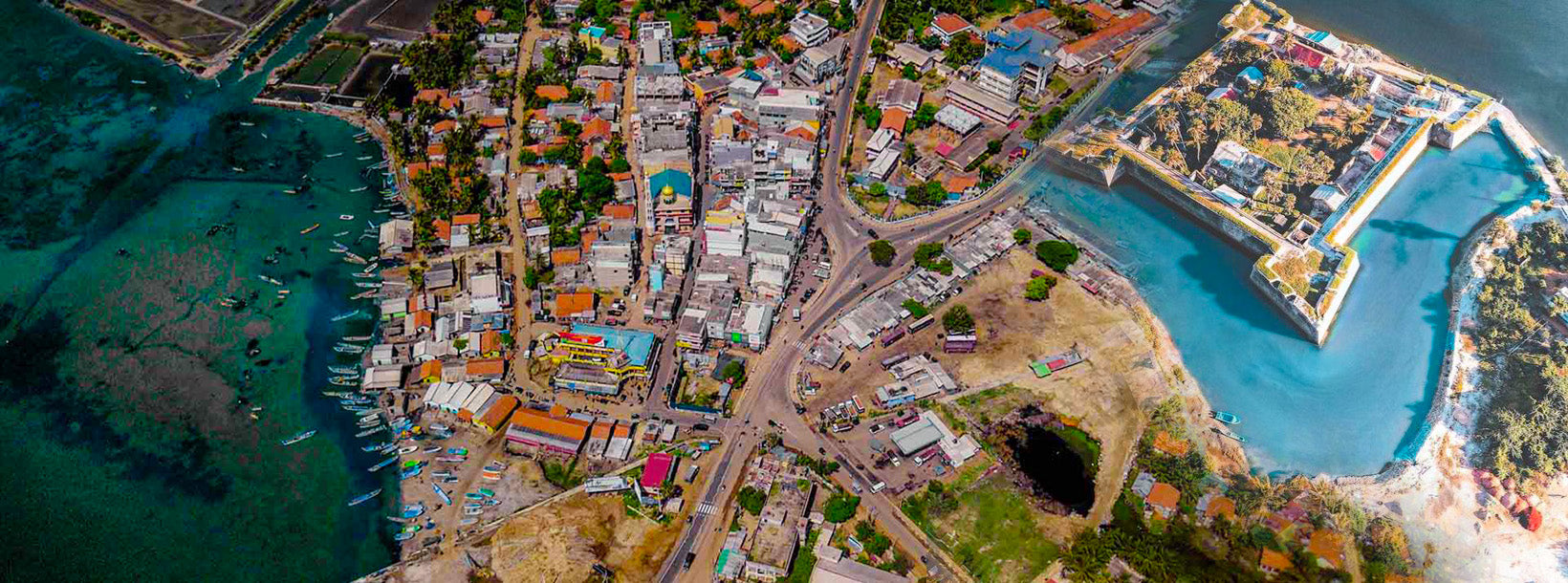
- Fort Mannar: Zbudowany przez Portugalczyków w XVII wieku, a później rozszerzony przez Holendrów, ten fort oferuje wgląd w kolonialną przeszłość regionu i panoramę okolicznych terenów.
- Drzewo Baobabu: Nietypowe i imponujące drzewo baobabu znajdujące się w rejonie Mannar, które jest jednym z nielicznych w swoim rodzaju na Sri Lance. To drzewo stało się lokalnym punktem orientacyjnym i oferuje wyjątkową okazję do robienia zdjęć.
- Most Adama (Most Ramy): Chociaż nie znajduje się bezpośrednio na plaży, pobliski Most Adama jest interesującym miejscem historycznym, które uważa się za łańcuch raf wapiennych, które niegdyś łączyły Sri Lankę z Indiami.
Przyroda i obserwacja ptaków
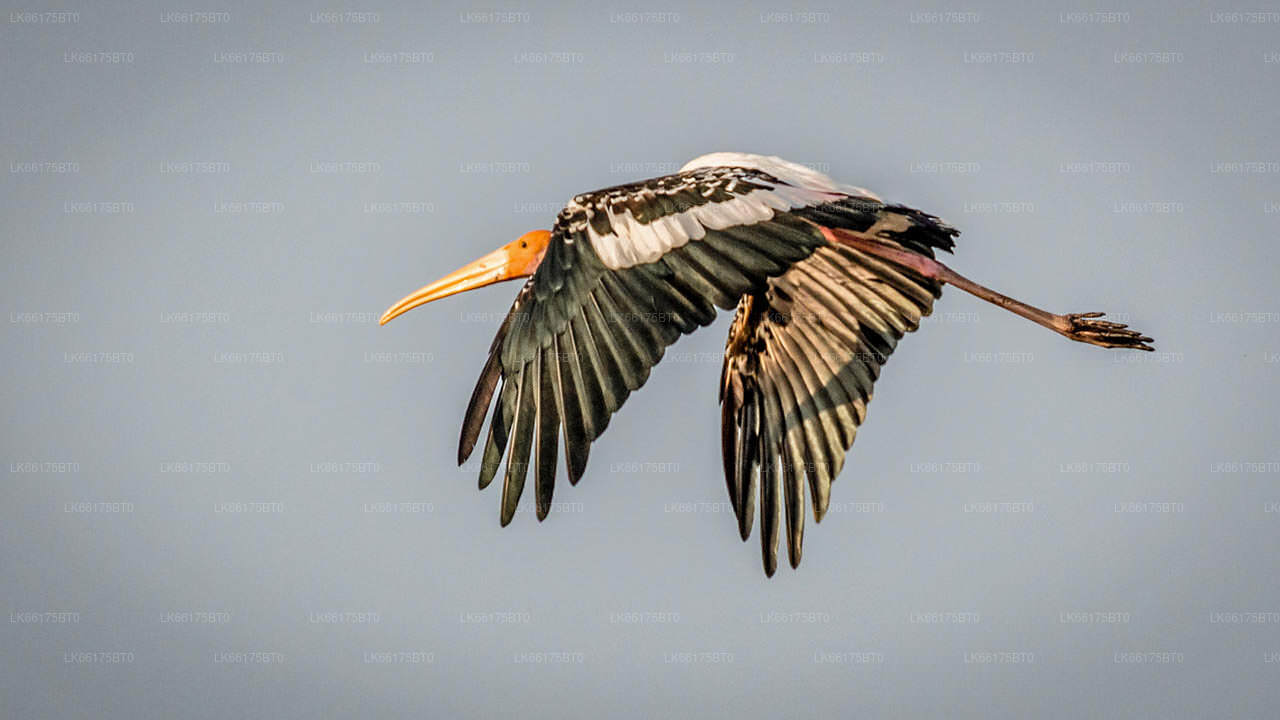
Region wokół plaży Mannar jest znany ze swojej różnorodności ptaków. Miłośnicy ptaków mogą dostrzec różne gatunki, w tym ptaki migrujące, które odwiedzają ten obszar w określonych porach roku. Niedaleko położona wyspa Mannar jest również znana z dzikiej przyrody i naturalnego piękna.
Lokalna kuchnia
W Mannarze odwiedzający mogą delektować się tradycyjną kuchnią Sri Lanki, ze szczególnym uwzględnieniem świeżych owoców morza. Lokalne dania, takie jak curry rybne, curry z kraba i dania z krewetek, są powszechnie dostępne w lokalnych restauracjach, oferując smak kulinarnego dziedzictwa regionu.
Zakwaterowanie
Opcje zakwaterowania w Mannarze są stosunkowo skromne w porównaniu do bardziej rozwiniętych obszarów turystycznych. Odwiedzający mogą znaleźć szereg pensjonatów i małych hoteli, które oferują podstawowe udogodnienia i komfortowy pobyt. Wiele z tych obiektów zapewnia łatwy dostęp do plaży i lokalnych atrakcji.
Najlepszy czas na wizytę:
Najlepszy czas na wizytę na plaży Mannar to okres od listopada do kwietnia, kiedy pogoda jest sucha i słoneczna, co zapewnia idealne warunki do aktywności na plaży i zwiedzania okolic. Sezon monsunowy zazwyczaj zaczyna się w maju, przynosząc deszcz i bardziej wzburzone morze.