Stupa Kiri Vehera

Kiri Vehera Stupa Kiri Vehera Stupa Kiri Vehera Stupa

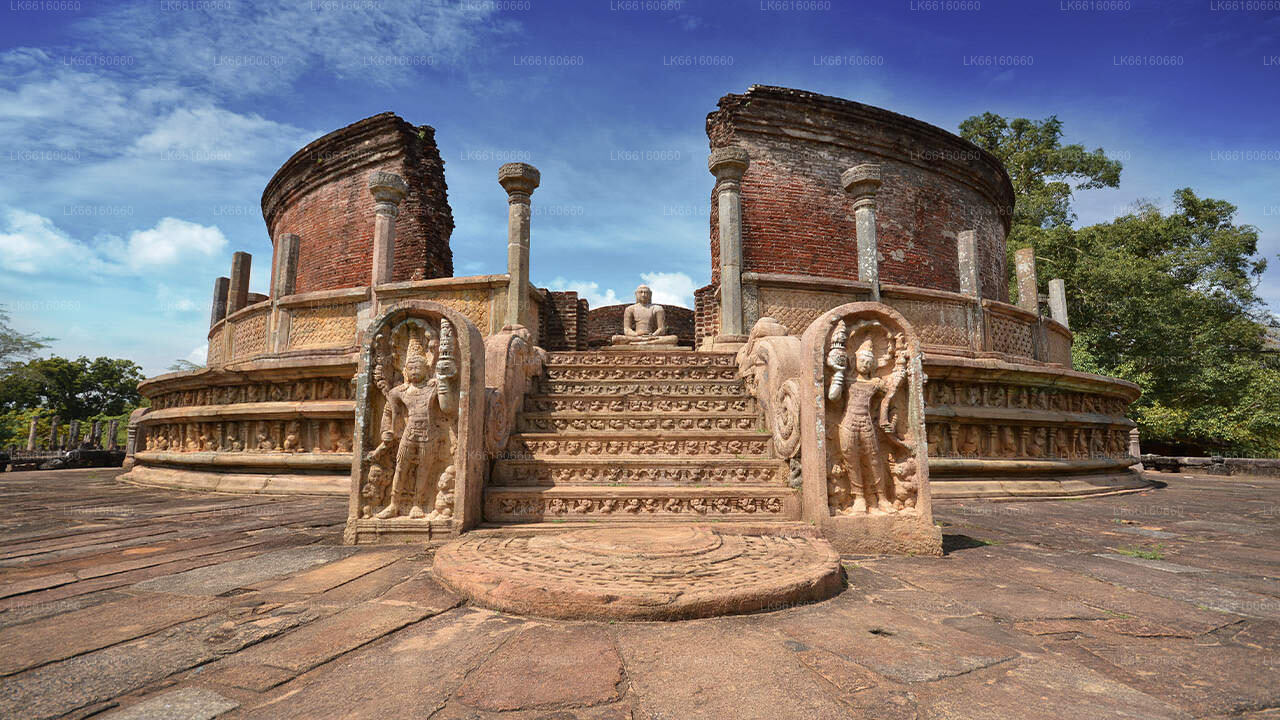
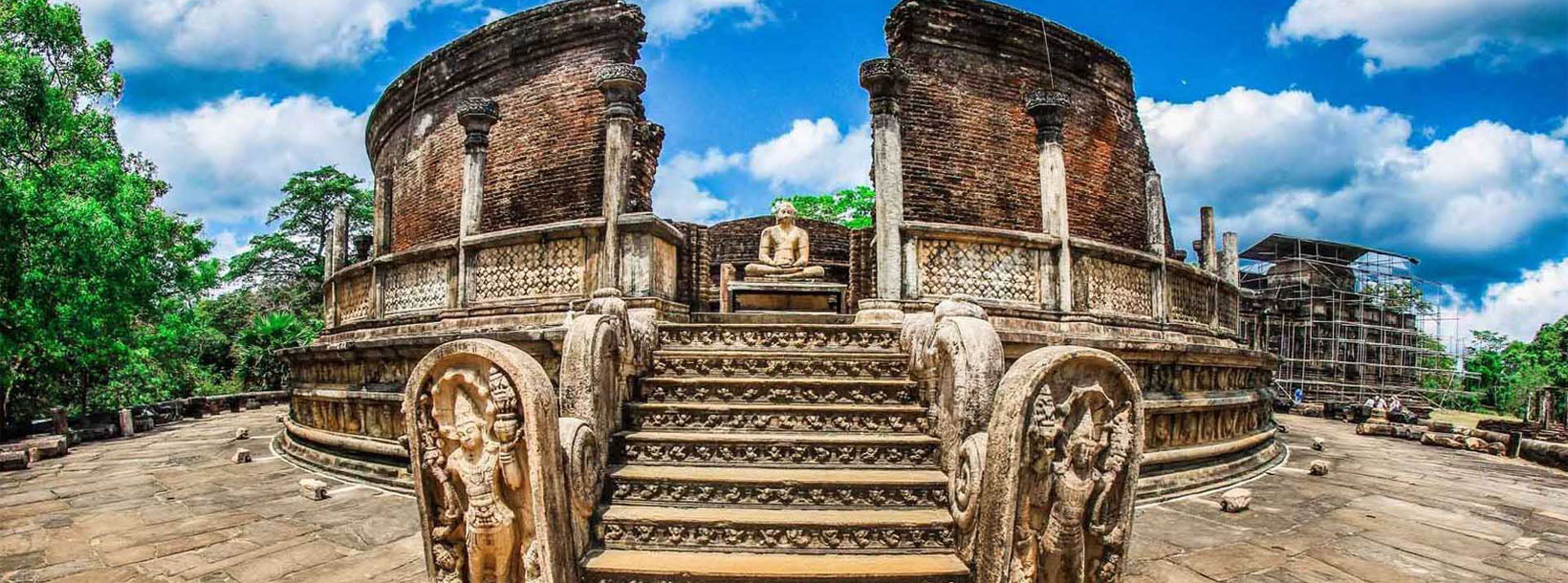
Stupa Kiri Vehera to starożytny pomnik buddyjski, który znajduje się w historycznym mieście Polonnaruwa, na Sri Lance. Ta święta stupa została zbudowana podczas panowania króla Parakramabahu I w XII wieku i jest jednym z najważniejszych i najlepiej zachowanych miejsc religijnych w regionie. Nazwa "Kiri Vehera" tłumaczy się jako "Stupa Mleka", co odzwierciedla jej nieskazitelnie białą barwę oraz jej znaczenie w buddyjskim dziedzictwie Sri Lanki.

Stupa jest znana ze swojej dużej, kopułowatej struktury, otoczonej pięknie rzeźbionymi kamiennymi filarami oraz starożytnymi ruinami. Uważa się, że zawiera relikwie Buddy, co czyni ją ważnym miejscem pielgrzymkowym dla buddystów. Otaczające ją środowisko, z bujną zielenią i spokojną atmosferą, dodaje duchowego znaczenia temu miejscu, oferując odwiedzającym przestrzeń do pokoju i refleksji.

Odwiedzający Stupę Kiri Vehera mogą zwiedzać archeologiczne pozostałości tego miejsca, w tym kamienne inskrypcje, mniejsze świątynie i starożytne kompleksy klasztorne. Spokojne otoczenie stupy, znajdujące się w kulturalnym trójkącie Sri Lanki, czyni ją popularnym celem zarówno dla turystów, jak i pielgrzymów, oferując wgląd w bogatą historię buddyzmu na wyspie.

Najlepszy czas na odwiedzenie Stupy Kiri Vehera to pora sucha, od grudnia do kwietnia, kiedy pogoda jest idealna do zwiedzania i odkrywania ruin Polonnaruwy. Miejsce jest łatwo dostępne z miasta, oferując znaczące doświadczenie dla tych, którzy interesują się starożytną architekturą buddyjską i historią Sri Lanki.

Kiri Vehera Stupa Kiri Vehera Stupa Kiri Vehera Stupa

About Polonnaruwa District

Polonnaruwa is the 2nd largest city in north central province in Sri Lanka. The ancient city of Polonnaruwa has been declared a World Heritage site by UNESCO Polonnaruwa has a great history of conquest and struggle behind it and rightfully forms the third element in the Cultural Triangle. Located about 140 kms north east from Kandy,Polonnaruwa offers hours of endless pleasure for history and culture lovers, as there are numerous sights of significance.

Much of the physical ruins standing today are credited to King Parakrama Bahu I who spent many royal resources on town planning, including parks, edifices, irrigation systems and so on. The period of his rule is considered a golden age where the kingdom thrived and prospered under a visionary ruler. The Parakrama Samudra is a mammoth tank and named after its patron. The popular kings Royal Palace, the Audience Hall encircled by beautifully carved stone elephants and the Bathing Pool reflect the superior engineering capabilities of the time.

About North Central Province

North Central Province which is the largest province in the country covered 16% of total country's land area. North Central Province consist two districts called Polonnaruwa and Anuradhapure. Anuradhapura is the largest district in Sri Lanka. Its area is 7,128 km².

North Central Province has numerous potentials for Investors to start their Businesses, especially Agriculture, agro based industries and Livestock sectors. More than 65% of North Central Province's people depend on basic Agriculture and agro base industries. NCP also called "Wew Bendi Rajje" because there are more than 3,000 medium and large scale tanks situated in the province. Sri maha bodiya, Ruwanweli seya, Thuparama dageba, Abayagiri Monastry, Polonnaruwa Rankot wehera, Lankathilake are scared