Plaża Kalpitiya
Plaża Kalpitiya, położona na północno-zachodnim wybrzeżu Sri Lanki, to piękny pas wybrzeża znany z nietkniętej naturalnej urody i unikalnego ekosystemu. Plaża ta jest znana jako główne miejsce do uprawiania kitesurfingu, obserwacji delfinów oraz ekoturystyki. Jej stosunkowo nietknięte środowisko sprawia, że jest to idealne miejsce dla miłośników przyrody i poszukiwaczy przygód.
Rajska plaża do kitesurfingu
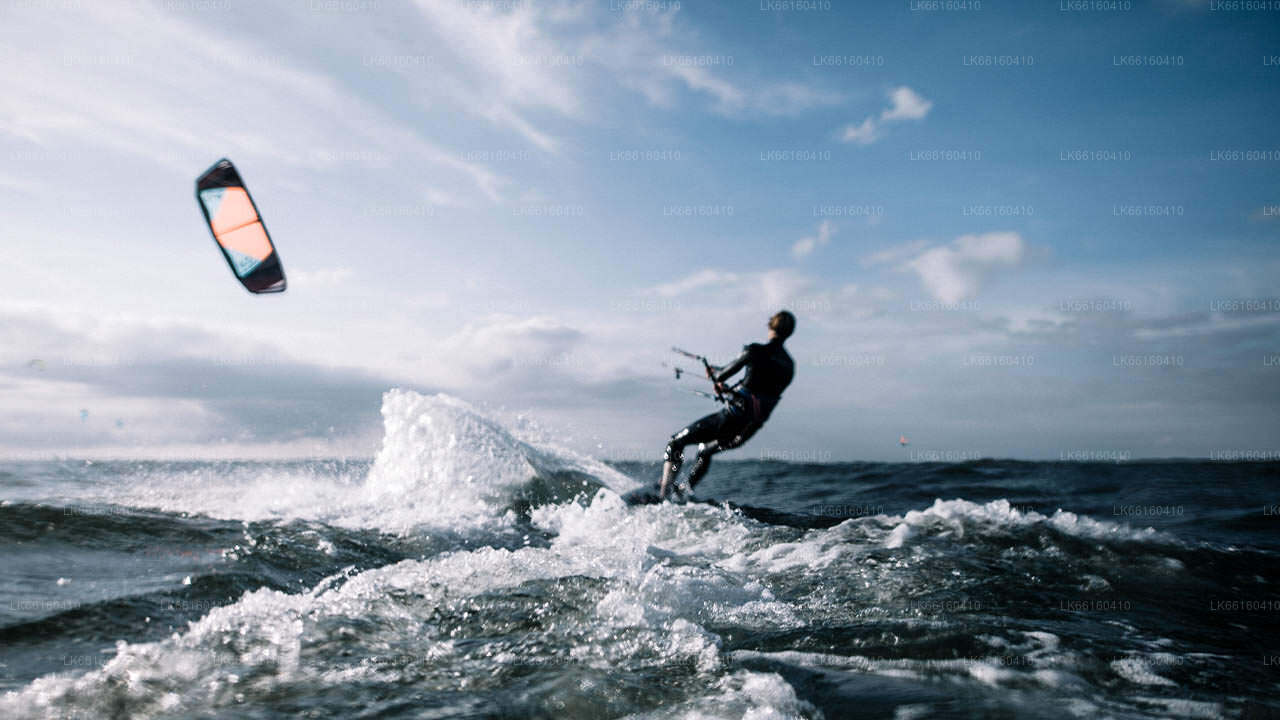
Plaża Kalpitiya słynie z idealnych warunków do uprawiania kitesurfingu. Dzięki silnym, stabilnym wiatrom od maja do października przyciąga zarówno początkujących, jak i profesjonalnych kitesurferów z całego świata. W okolicy znajduje się kilka szkół kitesurfingu, które oferują lekcje i wynajem sprzętu, co sprawia, że jest dostępna dla wszystkich poziomów umiejętności.
Obserwacja delfinów i wielorybów
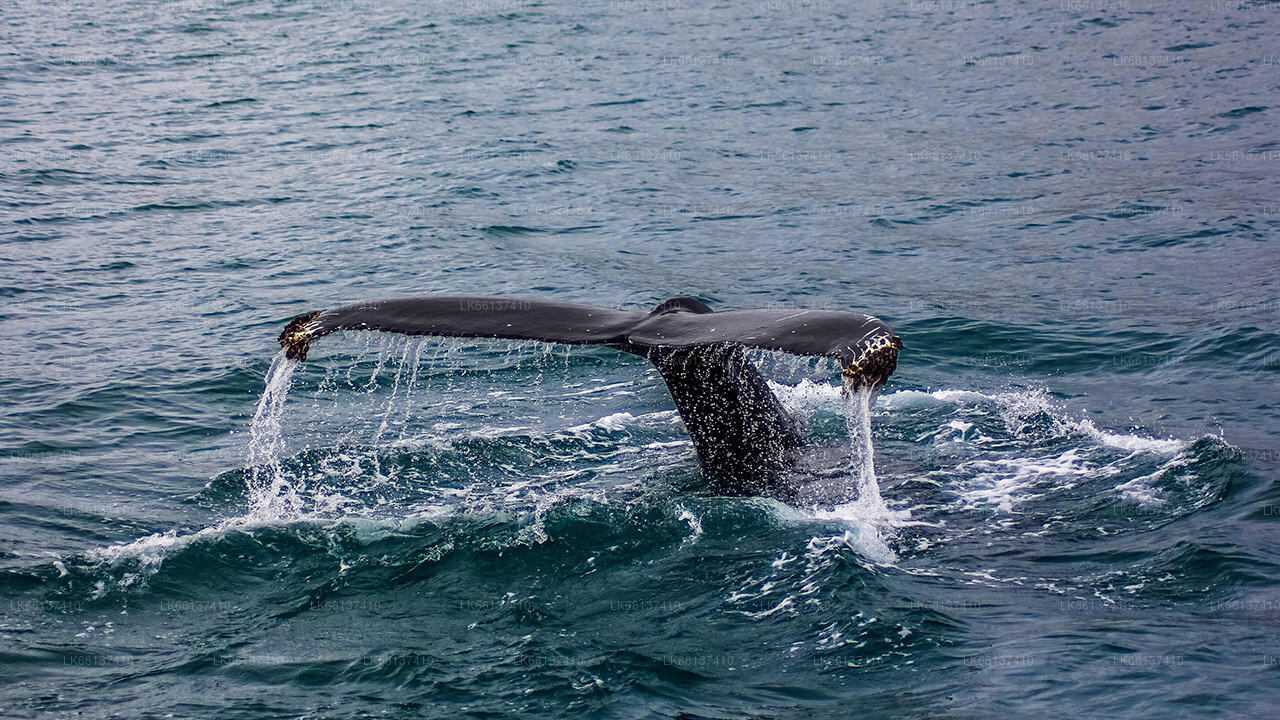
Kalpitiya to jedno z najlepszych miejsc na Sri Lance, gdzie można zobaczyć delfiny. Wody wzdłuż wybrzeża są domem dla dużych stad delfinów, a wycieczki łodzią często dają odwiedzającym szansę na zobaczenie setek delfinów pływających i bawiących się w oceanie. Od listopada do kwietnia dostępne są również wycieczki na obserwację wielorybów, gdzie można spotkać wieloryby spermacetowe, a nawet błękitne wieloryby.
Laguna Kalpitiya i Bar Reef
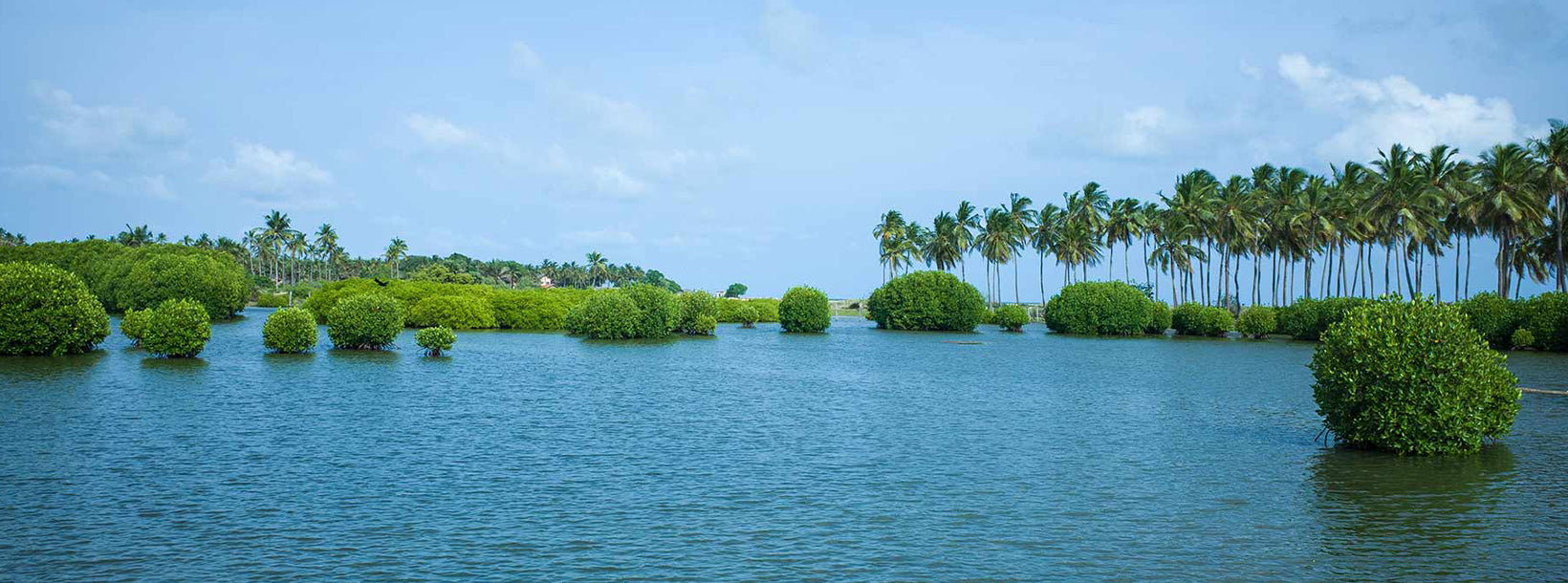
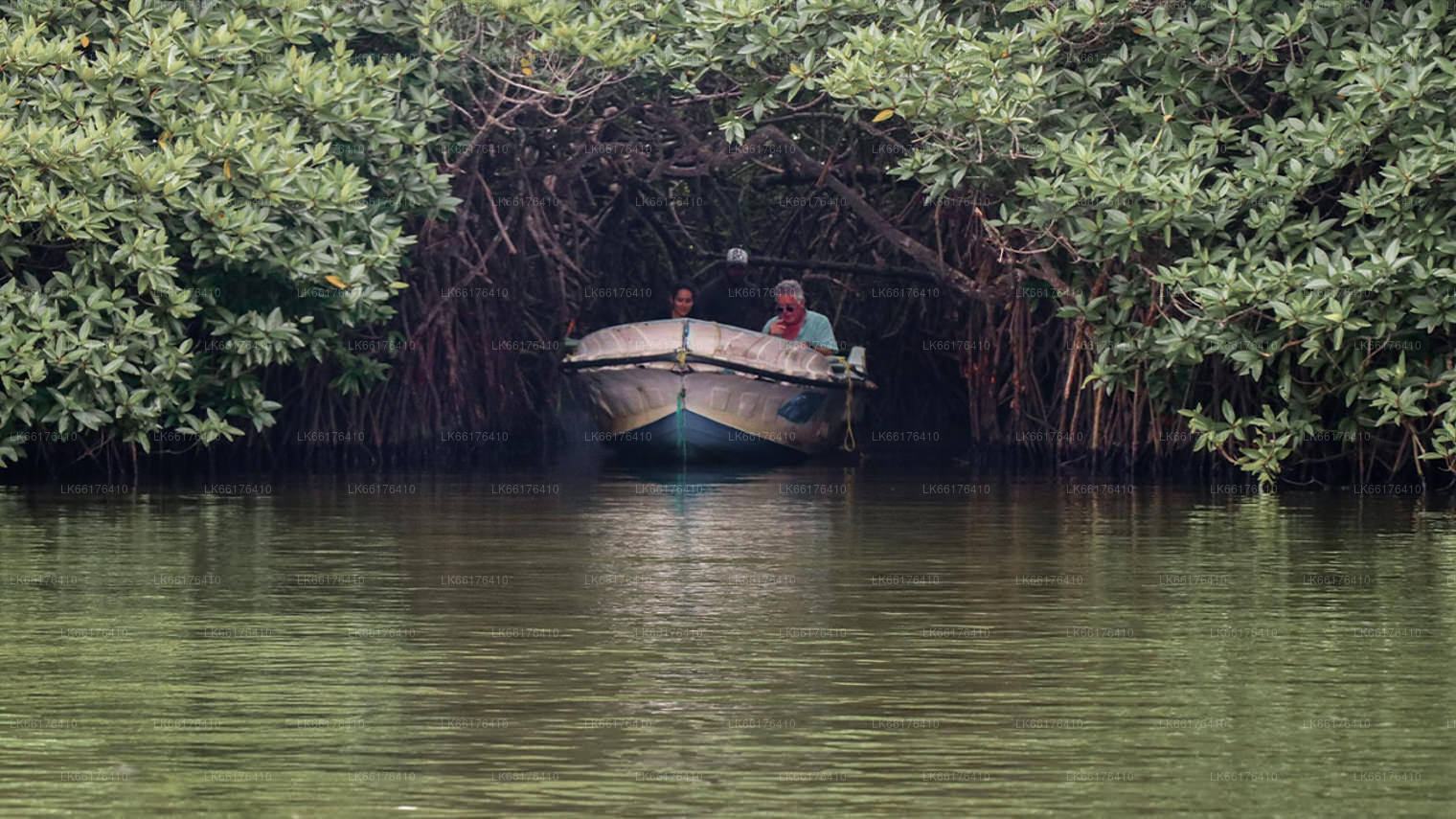
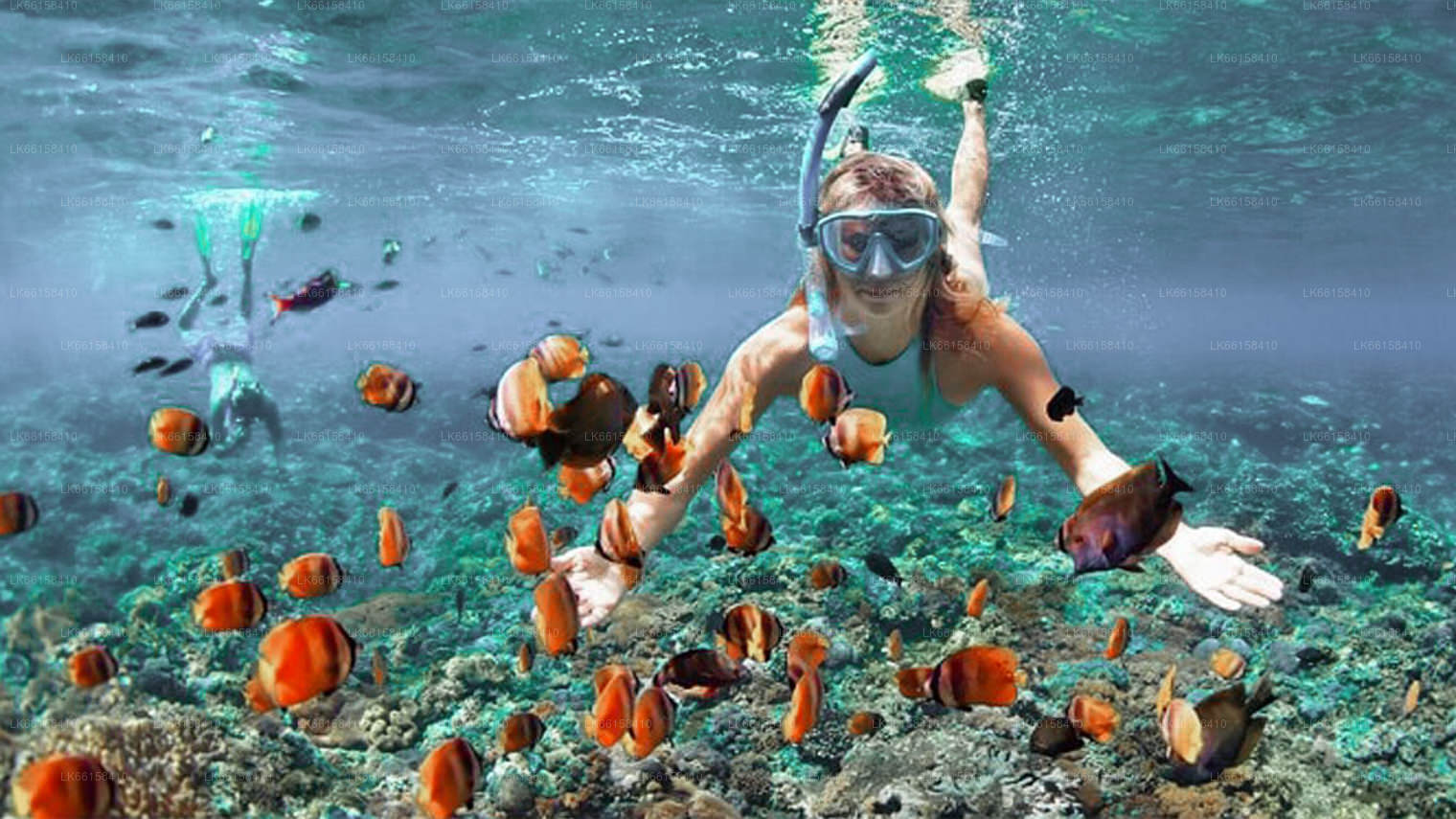
Laguna Kalpitiya to miejsce ekoturystyki. Otoczona mangrowcami, laguna stanowi schronienie dla różnych gatunków ptaków, co czyni ją doskonałym miejscem do obserwacji ptaków. Niedaleko znajduje się Bar Reef, jedna z największych raf koralowych na Sri Lance, która oferuje doskonałe warunki do snorkelingu i nurków. Rafa jest domem dla szerokiej gamy życia morskiego, w tym kolorowych ryb, żółwi morskich oraz formacji koralowych.
Relaksująca atmosfera
Plaża Kalpitiya oferuje spokojną i relaksującą atmosferę, z dala od zatłoczonych obszarów turystycznych. Długie odcinki piaszczystych plaż są idealne do spokojnych spacerów, opalania i cieszenia się cichym otoczeniem. To nietknięte środowisko stanowi doskonałą ucieczkę dla tych, którzy chcą połączyć się z naturą.
Wioska rybacka Kalpitiya
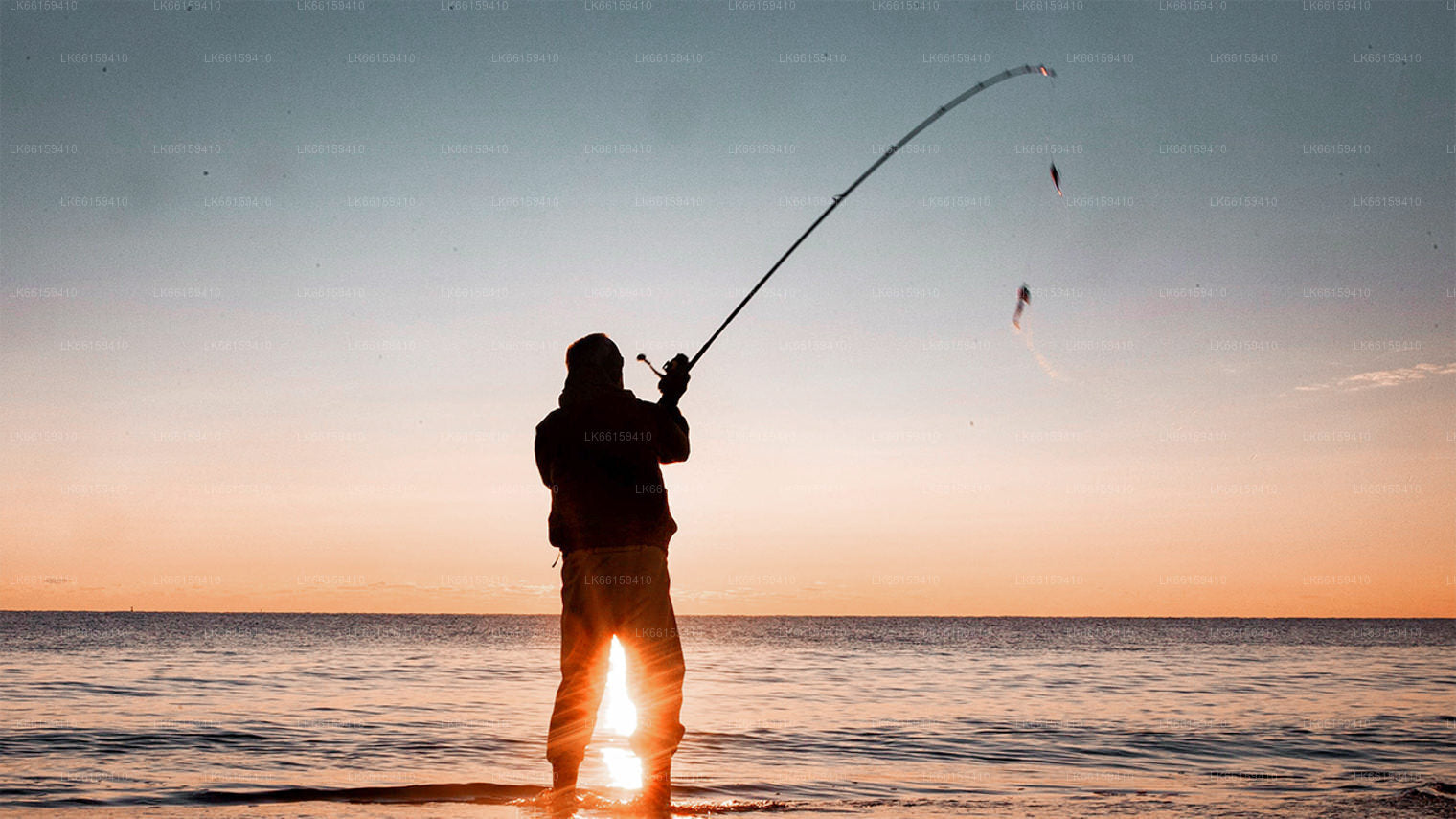
W pobliskiej wiosce rybackiej odwiedzający mogą zobaczyć, jak miejscowi rybacy wracają ze swoimi codziennymi połowami i odwiedzić lokalne targi rybne. Wioska jest znana z żywej społeczności i tradycyjnego stylu życia.
Eco-Lodges i zrównoważona turystyka
Kalpitiya przyjęła ekoturystykę, z wieloma eco-lodges i inicjatywami zrównoważonego turystyki w regionie. Odwiedzający mogą zatrzymać się w ekologicznych obiektach noclegowych, które wspierają działania na rzecz ochrony środowiska i lokalne społeczności.
Najlepszy czas na wizytę:
Najlepszy czas na wizytę na plaży Kalpitiya w celu uprawiania kitesurfingu to maj do października, podczas gdy sezon obserwacji delfinów i obserwacji wielorybów trwa od listopada do kwietnia. Każda pora roku oferuje wyjątkowe doświadczenia, od sportów wodnych po oglądanie dzikiej przyrody.