Good Market


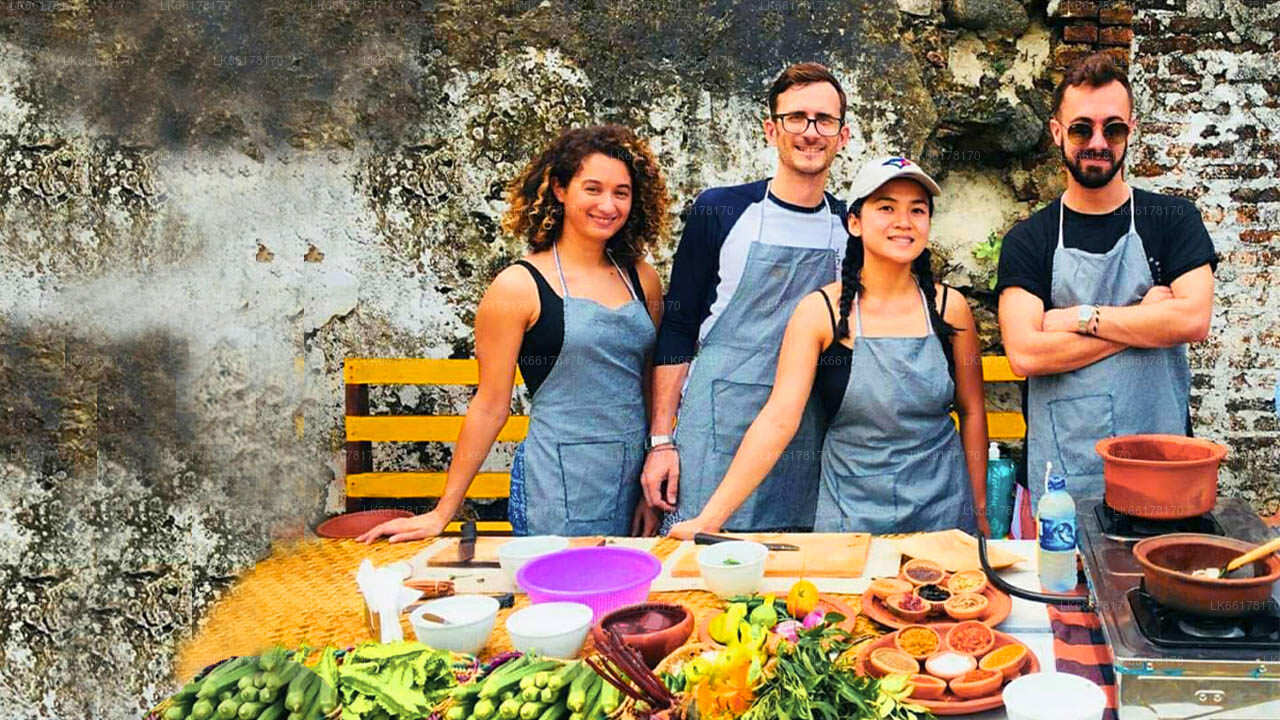
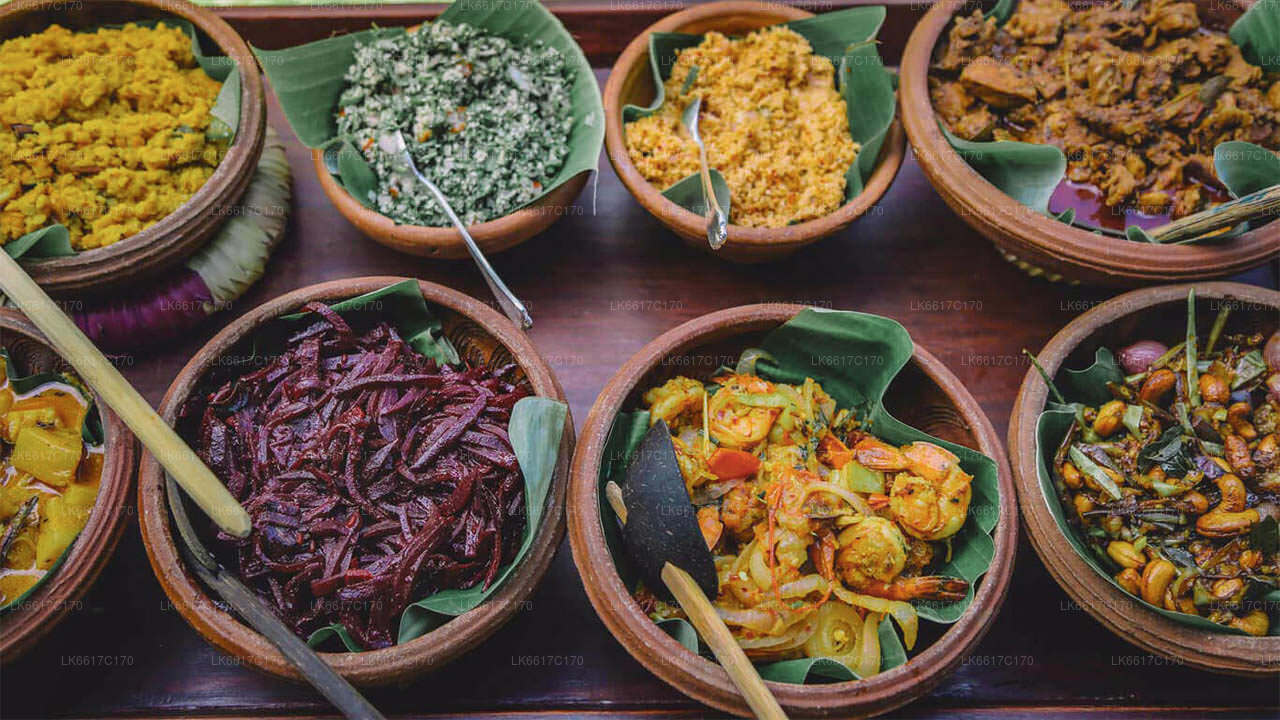
Farmers’ Markets are traditional country markets where farmers get to put up stalls during the weekend and sell their produce first hand. This ensures that interested consumers get the freshest of produce with no chemicals added for preservation; while the farmers benefit hugely from the retail price that they sell the produce for, since the wholesale buyers are removed. These markets are also a place of gathering, and an opportunity for talented locals to sell handcrafted items, creative homemade food and other exciting things.
While there used to be such markets in Sri Lanka several decades ago; with the growth of supermarkets and large consumer stores, the tradition disappeared. While there are a few remote villages that have small weekend markets; the fun and excitement of finding exciting new products was not there anymore, as these were just basic vegetable markets.
That was when the Good Market was created.How the Good Market came about…
Just a few years ago in 2012 as a volunteer-driven initiative. A few enterprising individuals started asking themselves whether the current consumer market situation on organic produce was really benefitting either the producers or the consumers. They realized that the only people benefitting were the middle men.
They decided to start a self financing social enterprise. The aim was to give farmers, talented home cooks and craft makers a space to sell their items; which would encourage them on the pathway to organic food and eco-friendly concepts. On the other hand they aimed raise awareness and promote sustainability and healthy living to the consumers of Sri Lanka. As they did not wish to have to go around searching for funds; they decided to charge a minimal fee from the vendors for the space and promotion.
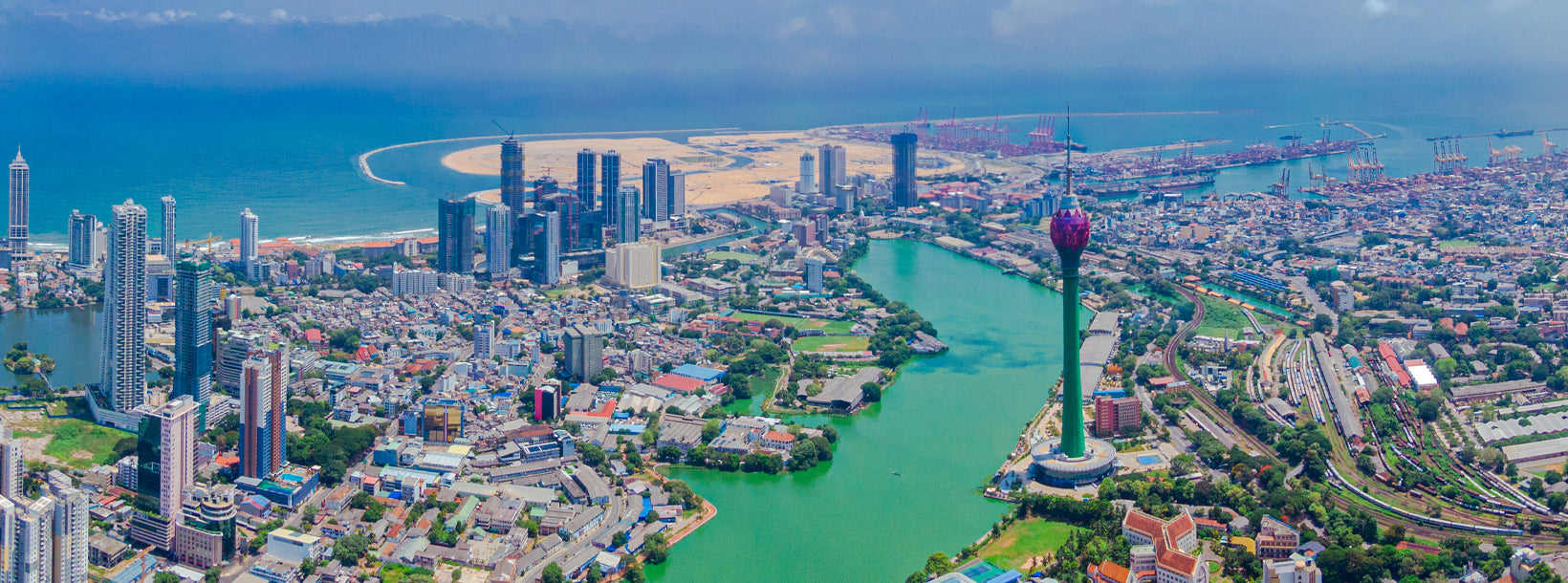
The very first Good Market event happened in 2012 at the Colombo Racecourse Ground; and hosted 33 stalls. It was an instant success; and the concept snowballed from there. More and more farmers and small business owners became interested in the Good Market. In 2014, TheGood Market Organic and Natural Food Shop was opened to provide consistent income to the vendors. The Good Market became a trend symbol and brand name amongst the youth and fashionable city dwellers. The organization started getting international interest in 2015 and the team realized the need for an online platform and application form for vendors. The application form came into play in 2016; and in 2017, the website went live and brought Good Market to the next level. Today, Good Market maintains a presence not only in Colombo, but also in Kandy and Galle.
How it Works…
Vendors who have organic or sustainable products apply to put up a stall at the Good Market.
They can apply under any of the six categories.
Sector Minimum Standards for Online Application Additional Standards for Saturday Good Market Additional Info for Event Records Agriculture: Crop CultivationSingle-ingredient farm products including fresh fruits, vegetables, rice, legumes, coconut, spices, mushrooms, plants Organic practices with no synthetic agrichemicals or hydroponic practices that r