Kandy City
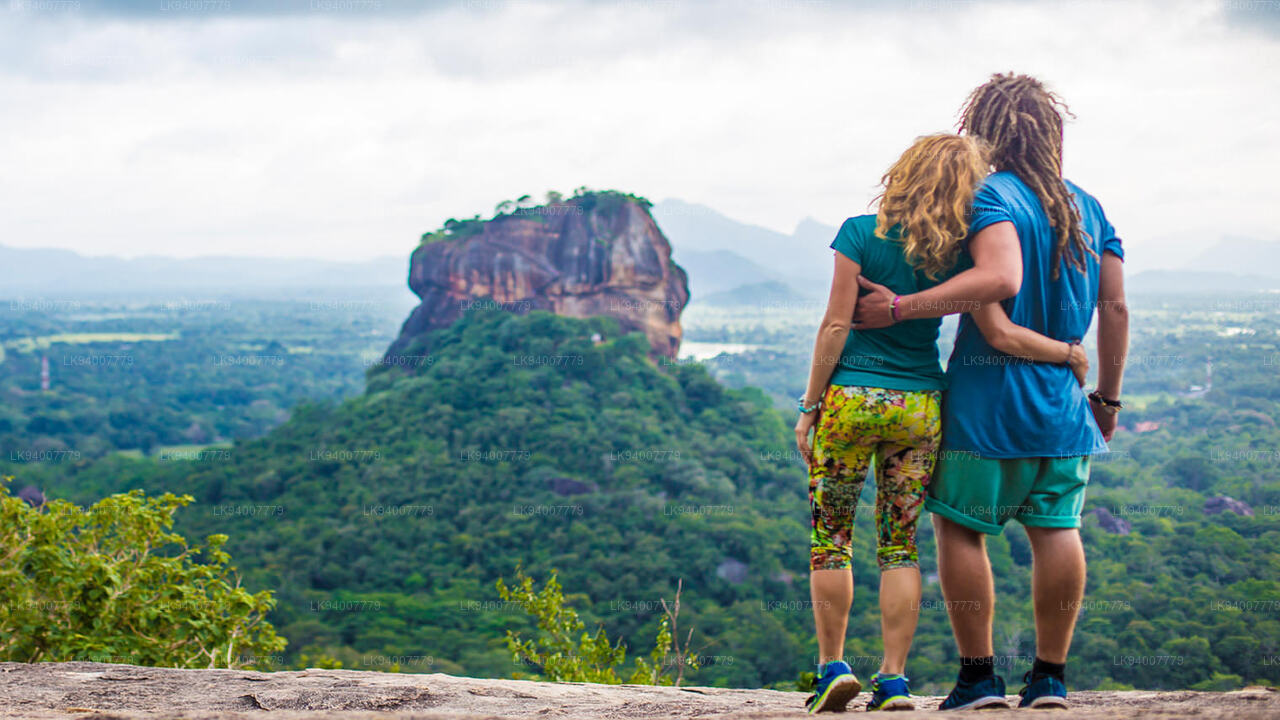
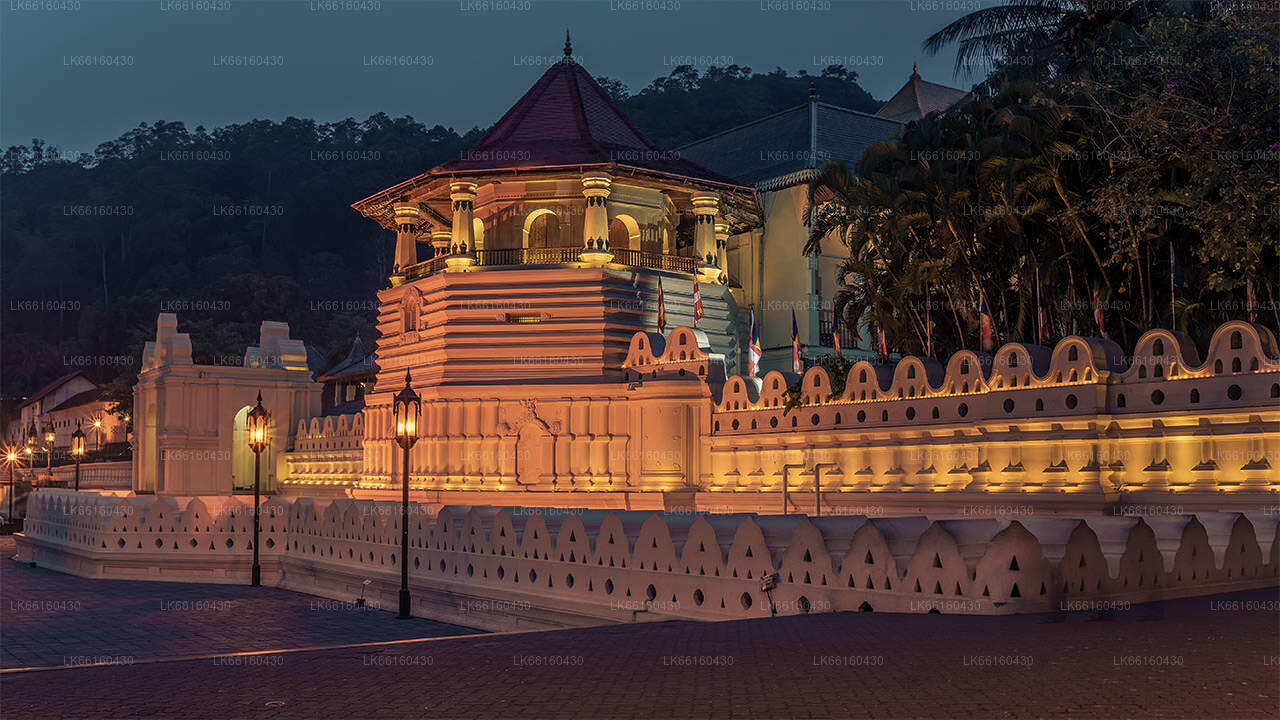
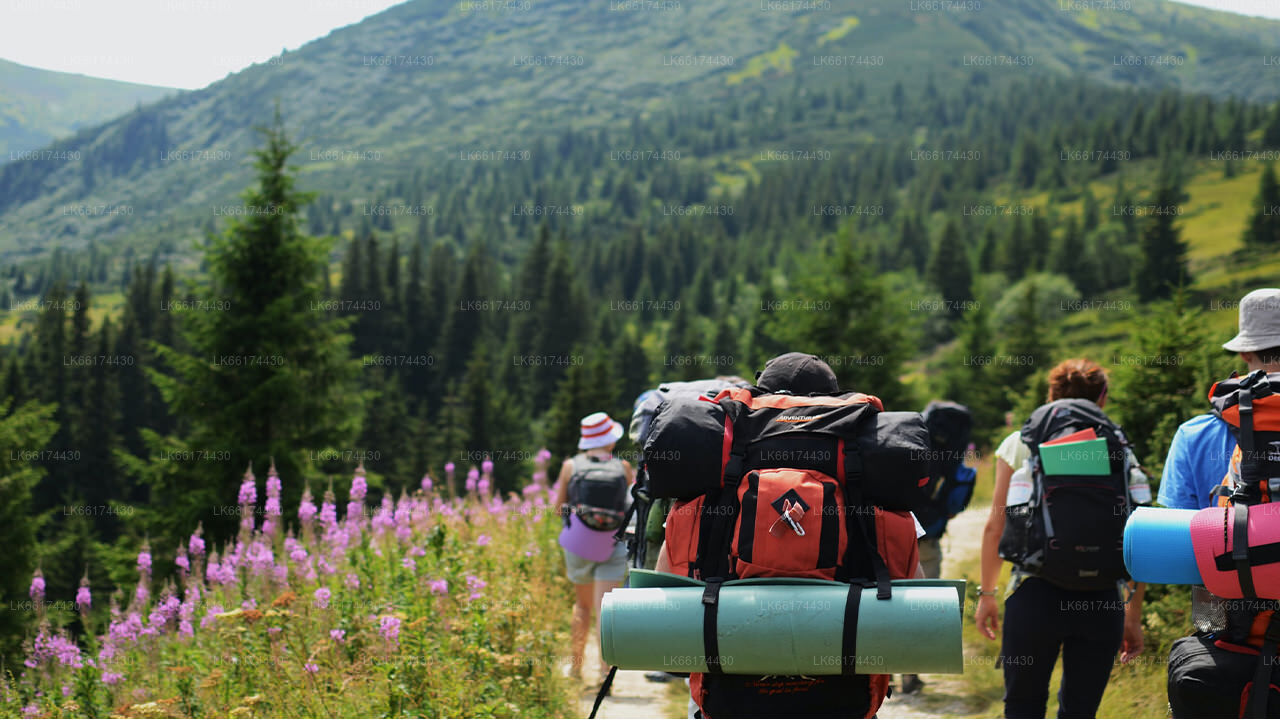
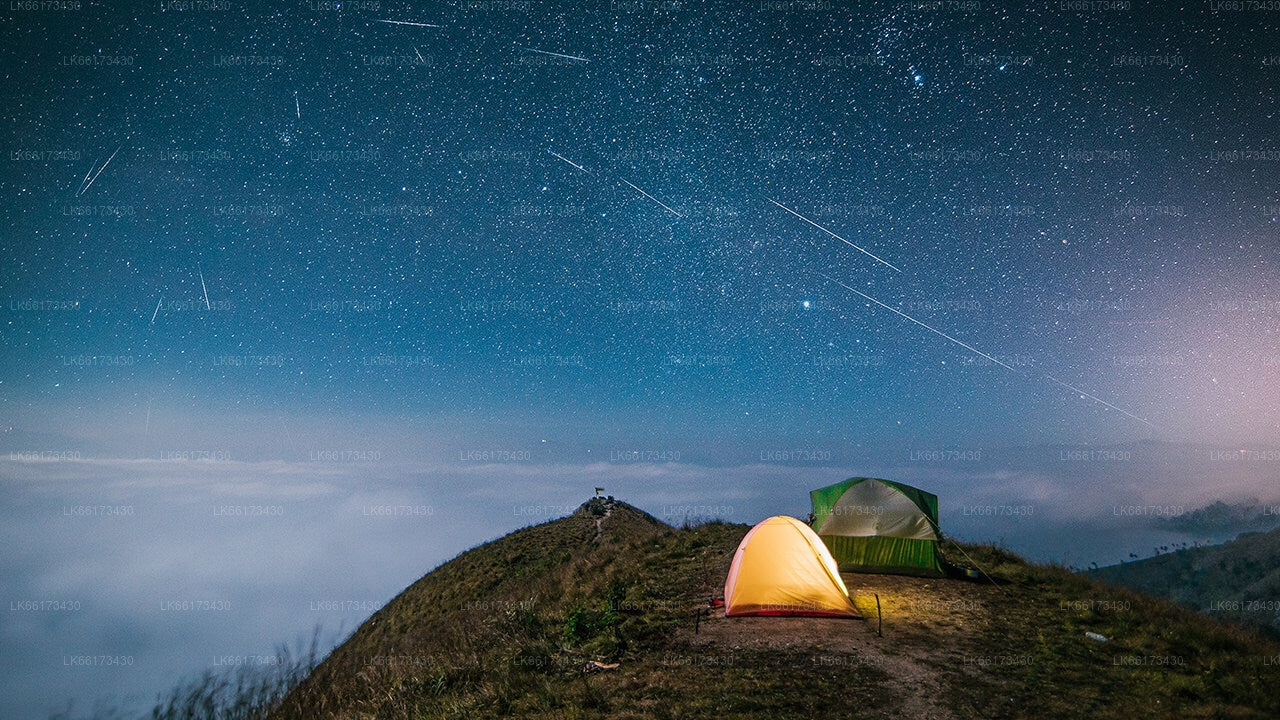
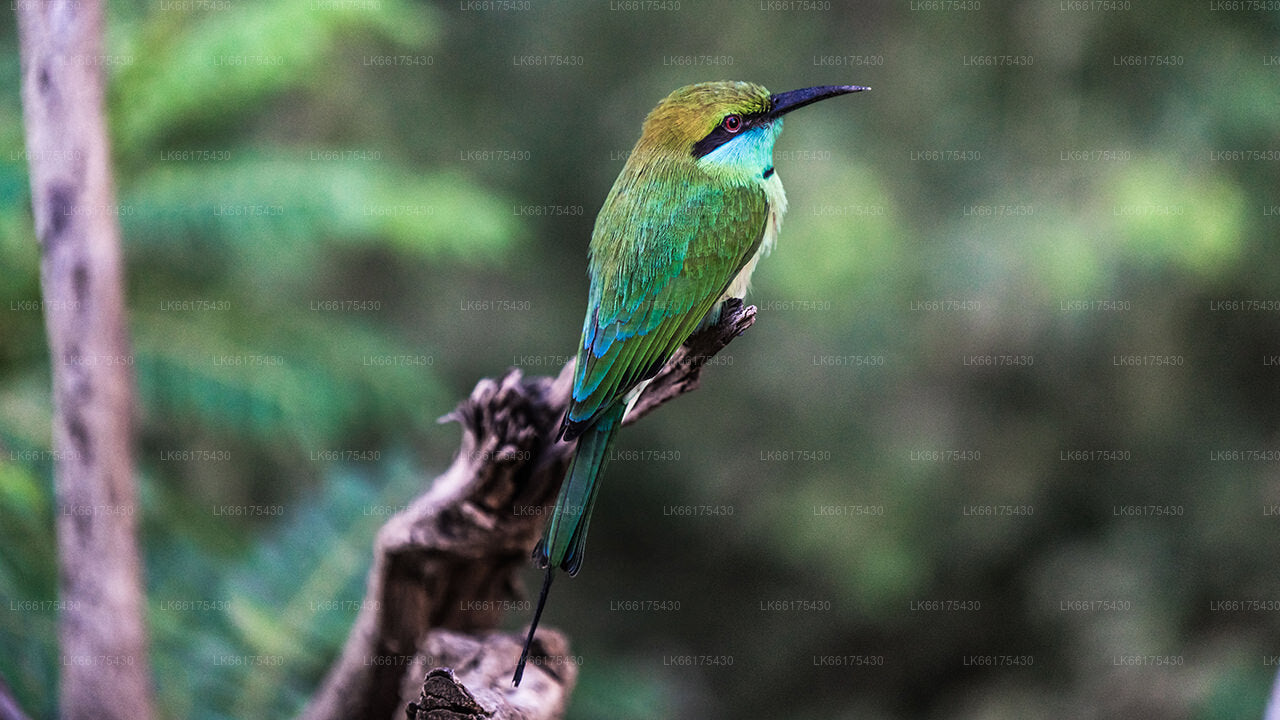
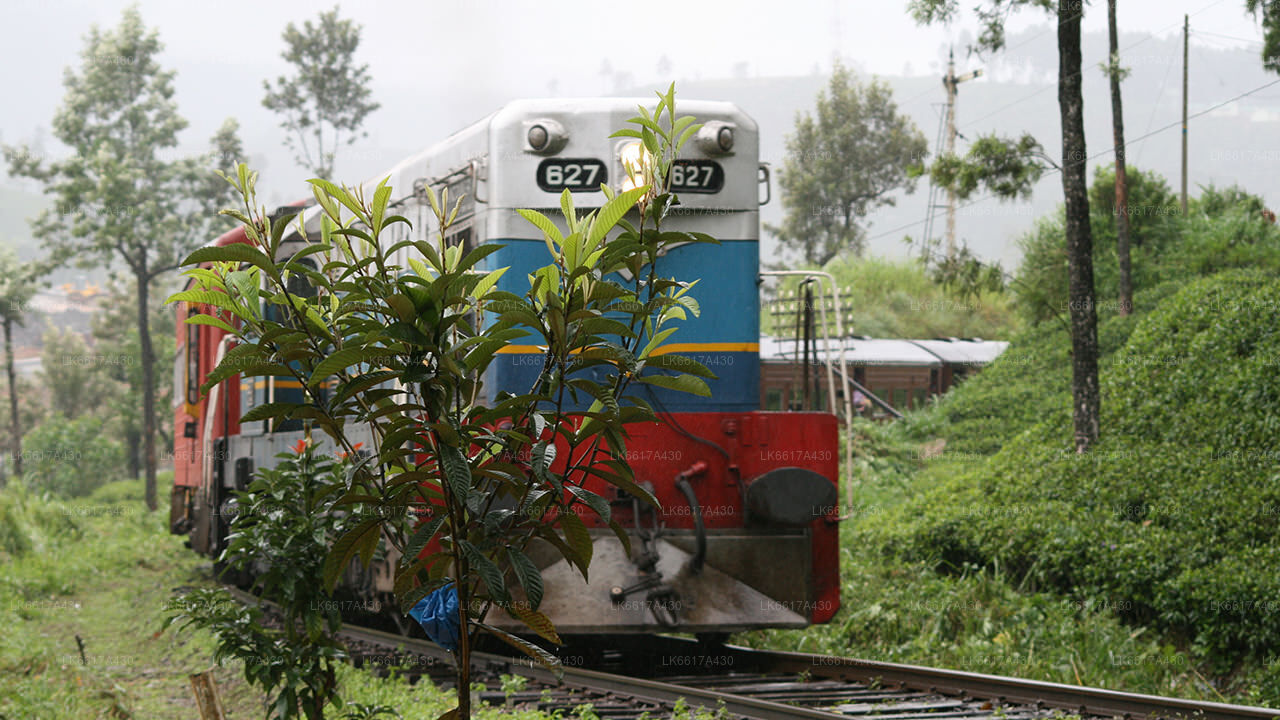
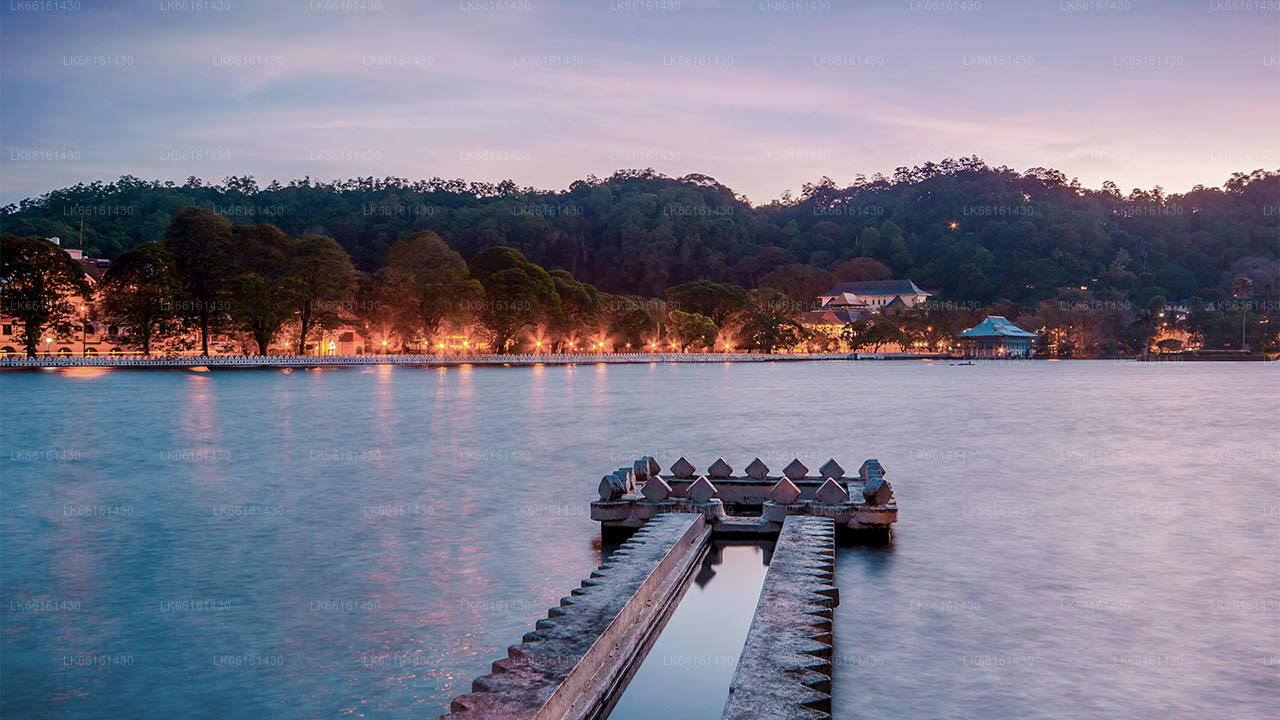
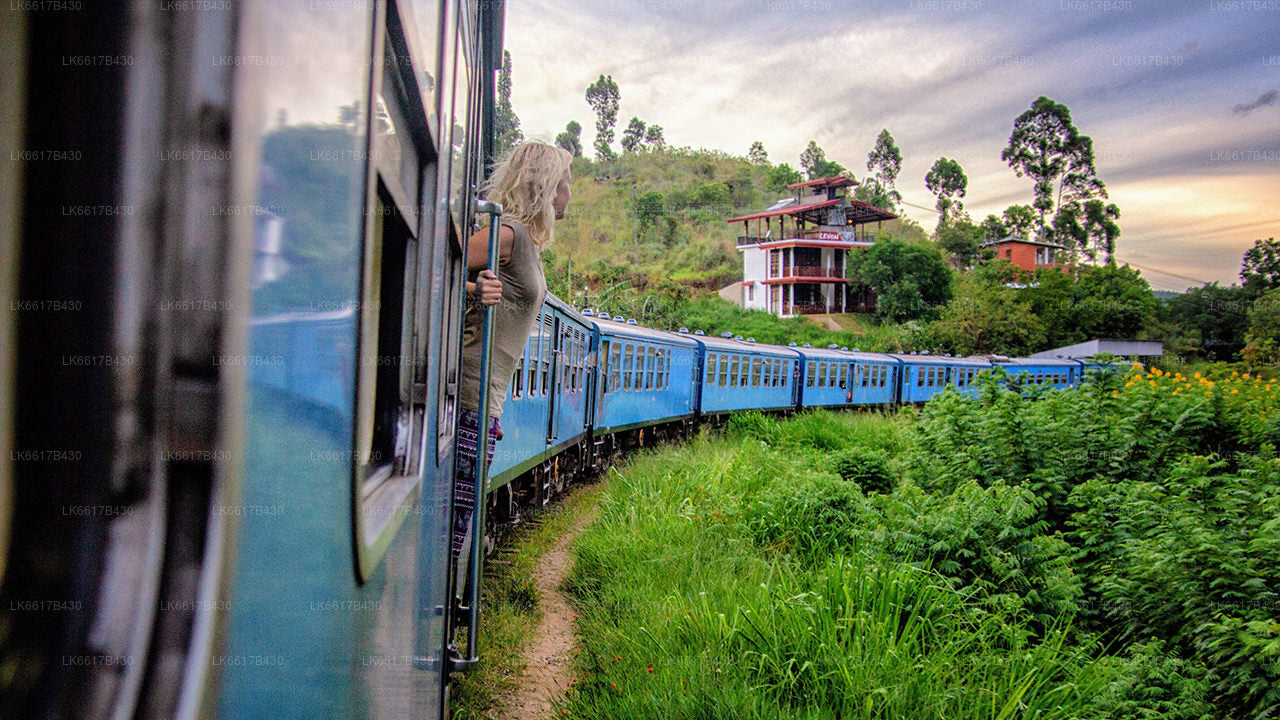
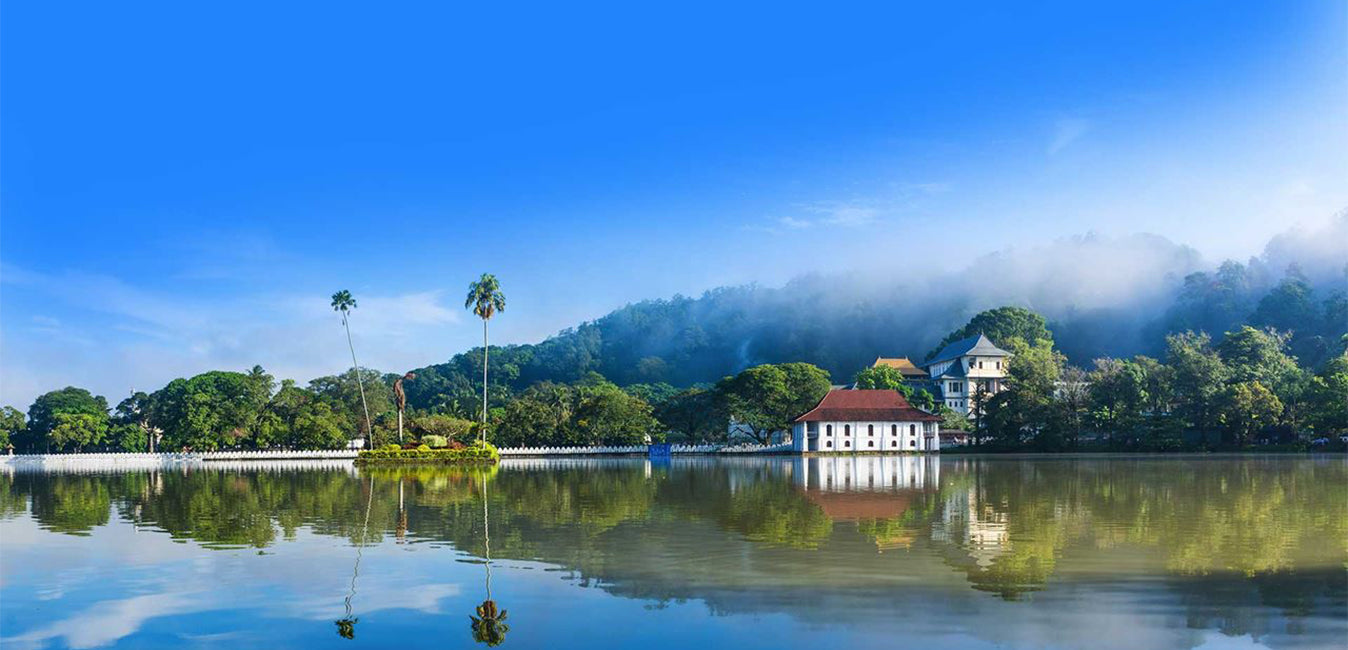
Kandy, a picturesque city in central Sri Lanka, is renowned for its rich cultural heritage, vibrant festivals, and scenic beauty. Nestled amidst lush hills, it is home to the Temple of the Tooth Relic, a UNESCO World Heritage Site, and offers a captivating blend of history and natural splendor.
Embekka Devalaya (Świątynia)
Świątynia Embekke na Sri Lance: Miejsce z jednymi z najlepszych wyrobów z drewna na świecie
W obszarze Udu Nuwara w dystrykcie Kandy znajduje się świątynia z historią sięgającą ponad sześciu wieków. Zbudowana za panowania króla Wickremabahu III (1371-1394 r.), który rządził w Królestwie Gampola, świątynia jest praktycznie pokryta rzeźbami w drewnie. Dzieła te zostały potwierdzone przez UNESCO jako jedne z najlepszych i najbardziej szczegółowych na świecie. Świątynia poświęcona jest bogu znanemu hindusom jako 'Murugan' i buddystom jako 'bóstwo Katharagama'.
Historia
Legenda głosi, że małżonka króla Vickramabahu III, Henakanda Biso Bandara, obudziła się z dziwnego snu, w którym pojawił się bóg i poprosił ją o zbudowanie dla niego świątyni. Kiedy dowiedziała się, że perkusista Rangama miał ten sam sen, uznali to za znak i wspólnie zbudowali świątynię. Oryginalna świątynia miała być trzypiętrowym budynkiem, który niestety nie przetrwał próby czasu.
Struktura
Świątynia składa się z trzech głównych obszarów. Pierwszym jest Sanktuarium Garagha, które jest wewnętrznym sanktuarium, gdzie znajdują się posągi boga. Następnie jest Sala Tańca lub Digge, która reprezentuje małżonkę króla Henakandę Bandarę i gdzie w czasach królów odbywały się wydarzenia taneczne. Ostatnią sekcją jest Sala Perkusistów, reprezentująca perkusistę Rangamę i gdzie niegdyś odbywały się wydarzenia muzyczne.
Rzeźba w Drewnie
Z wyjątkiem Sanktuarium, reszta świątyni wykonana jest prawie w całości z drewna. Od rzeźbionych drewnianych filarów w Salach z otwartymi bokami po pięknie wykonany dach, cały obszar pokryty jest rzeźbami. Podstawy filarów są ośmiokątne, podczas gdy ich szczyty kończą się kształtem czterech liści ułożonych w kwadrat. Filary mają różne obrazy wyrzeźbione po bokach podstaw. Ponadto rzeźby zdobią belki, krokwie i framugi drzwi.
Wśród godnych uwagi rzeźb tych arcydzieł znajdują się splecione łabędzie, dwugłowe orły, splecione wzory lin, obraz karmiącej piersią kobiety, żołnierz walczący na koniu, tancerki, zapaśnicy, kobiety emanujące z żyły, hybrydy ptaka i człowieka, hybrydy słonia i byka, hybrydy słonia i lwa i wiele innych. Rzeźby całej świątyni obejmują 125 serii dekoracji, 256 wzorów typu liyawela, 64 wzory lotosu, 30 wzorów dekoracyjnych i wzory dachu, co daje 514 unikalnych wzorów.
Dach świątyni jest doskonałym przykładem starożytnej architektury drewnianej, gdzie 26 krokwi jest podpartych pojedynczym drewnianym kołkiem.
Powiązane Ruiny
Około jedną ósmą mili od świątyni znajdują się ruiny z grupą kamiennych filarów. Rzeźby na filarach są identyczne z tymi ze świątyni Embekke. Mówi się, że niegdyś na tych filarach spoczywał drewniany dach, ale teraz popadły w ruinę.
Zarówno Świątynia Embekke, jak i pobliskie ruiny są warte odwiedzenia dla miłośników zarówno historii, jak i sztuki.
About Kandy District
Kandy district is situated in the centrel province of Sri Lanka. One of the seven World Heritage Sites in Sri Lanka, Kandy was once home to the Kandyan Kings of yore in the 16th-century and a fountainhead for all the music, arts, crafts and culture in the country. About 129 km away from Colombo, Kandy is ensconced amongst a hilly terrain and all eyes are drawn to the centre of the city, where the Kandy Lake forms a charming feature. Kandy retains great religious significance for Sri Lanka, because it is in this charming city that the Dalada Maligawa or "Temple of the Tooth" is located, within which the sacred tooth relic of Lord Buddha lies well guarded.
The Royal Botanical Garden, Peradeniya is situated about 5 km to the west of the city centre at Peradeniya and is visited by 1.2 million people per year. It is the largest botanical garden on the island. The Udawatta Kele (Udawatta Forest) is a protected sanctuary situated in the heart of the city, just north of Temple of the Tooth.
Kandy is a Sinhala majority city; there are sizeable communities belonging to other ethnic groups, such as Moors and Tamils. Kandy is second only to Colombo the center of the Sri Lankan Economy. Many major co operations have large branch officers in Kandy and many industries include textiles, furniture, Information Technology and jewellery are found here. Many agriculture research centers are located in the city.
And a fountainhead for all the music, arts, crafts and culture in the country. About 129 km away from Colombo, Kandy is ensconced amongst a hilly terrain and all eyes are drawn to the centre of the city, where the Kandy Lake forms a charming feature. Kandy retains great religious significance for Sri Lanka , because it is in this charming city that the Dalada Maligawa or Temple of the Toothis located, within which the sacred tooth relic of Lord Buddha lies well guarded.
About Central Provincce
The Central Province of Sri Lanka consists primarily of mountainous terrain. The province has an area of 5,674 km², and a population of 2,421,148. Some major towns include Kandy, Gampola (24,730), Nuwara Eliya and Bandarawela. The population is a mixture of Sinhalese, Tamil and the Moors.
Both the hill capital Kandy and the city of Nuwara Eliya are located within the Central Province as well as Sri Pada. The province produces much of the famous Ceylon tea, planted by the British in the 1860s after a devastating disease killed all the coffee plantations in the province. Central Province attracts many tourists, with hill station towns such as Kandy, Gampola, Hatton and Nuwara Eliya. Temple tooth or Dalada maligawa is the main sacred place in Centrel province.
The climate is cool, and many areas about 1500 meters often have chilly nights. The western slopes are very wet, some places having almost 7000 mm of rain per year. The eastern slopes are parts of the mid-dry zone as it is receiving rain only from North-Eastern monsoon. The Temperatures range from 24°C at Kandy to just 16°C in Nuwara Eliya, which is located 1,889 m above sea level. The highest mountains in Sri Lanka are located in the Central Province. The terrain is mostly mountainous, with deep valleys cutting into it. The two main mountain regions are the central massif and the Knuckles range to the east of Kandy.