Dutch Stables Ambalangoda

Dutch Stables Ambalangoda Dutch Stables Ambalangoda Dutch Stables Ambalangoda

Dutch Stables Ambalangoda is an old dutch building in Galle District, Sri Lanka. Presently it stands adjacent to the land where the old Ambalangoda rest-house was located.Evidence is there to show that this building is a work of the 18th century. A plaque fixed on the front wall of the building reveals that this was constructed in 1750 by a Dutch named Adriaan Ootdyk Ranchagoda, 2015) Built by Adriaan Oostdyk, under-Koopman, Superintendent of the Galle Corle, 1750.

Adriaan Oostdyk was a high official in the Dutch East India Company (VOC) at the time when the church was built. For his duties, he had to visit places in Ambalangoda, Kosgoda, and Bentota and he used the old rest house in Ambalangoda as his temporary residence Lewis, 1913) Initially, the building was used as a village church and the services were regularly held in Sinhala by the schoolmaster proponents and in Dutch during their church and school visitations by the clergymen from Galle. It is said that the floor of the church was paved with several tombstones but none of these are now to be seen as the floor had been filled with earth later, the building was used as a stable and as a court-house.

This ancient inn was operated at the beginning of this century, but later it was closed and the building where the inn was housed was completely demolished in 2008.

O dystrykcie Galle
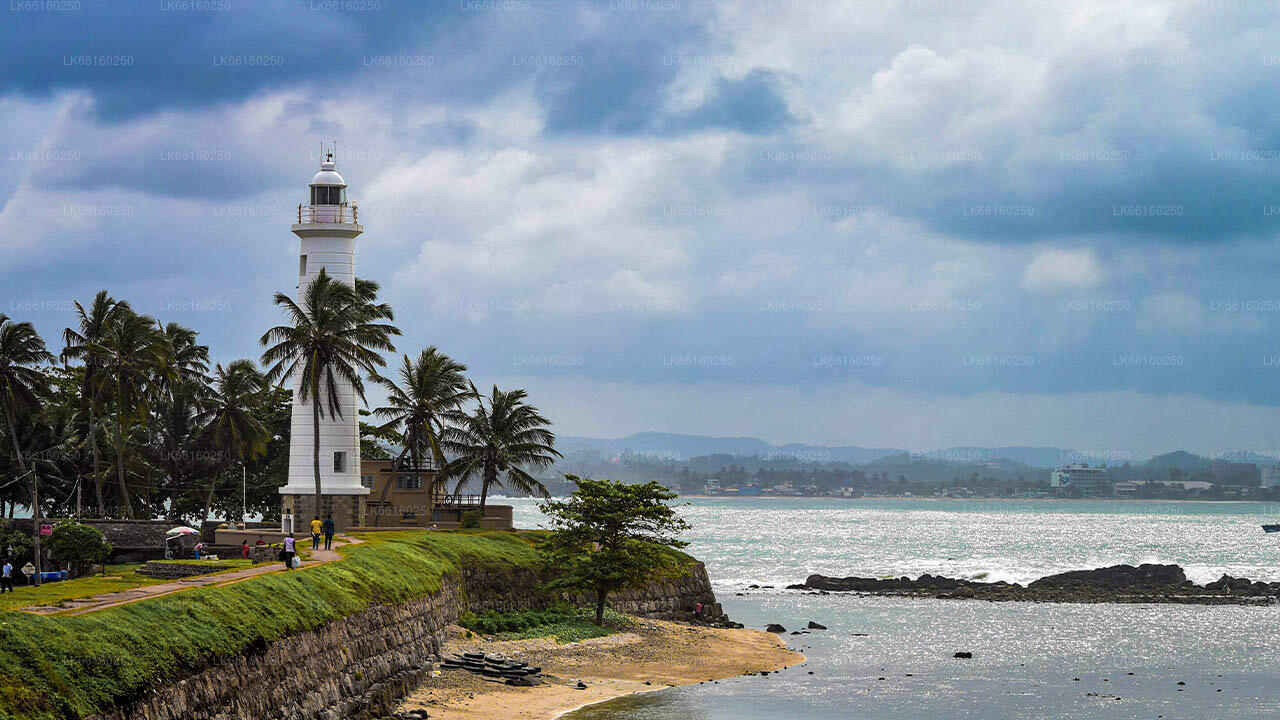
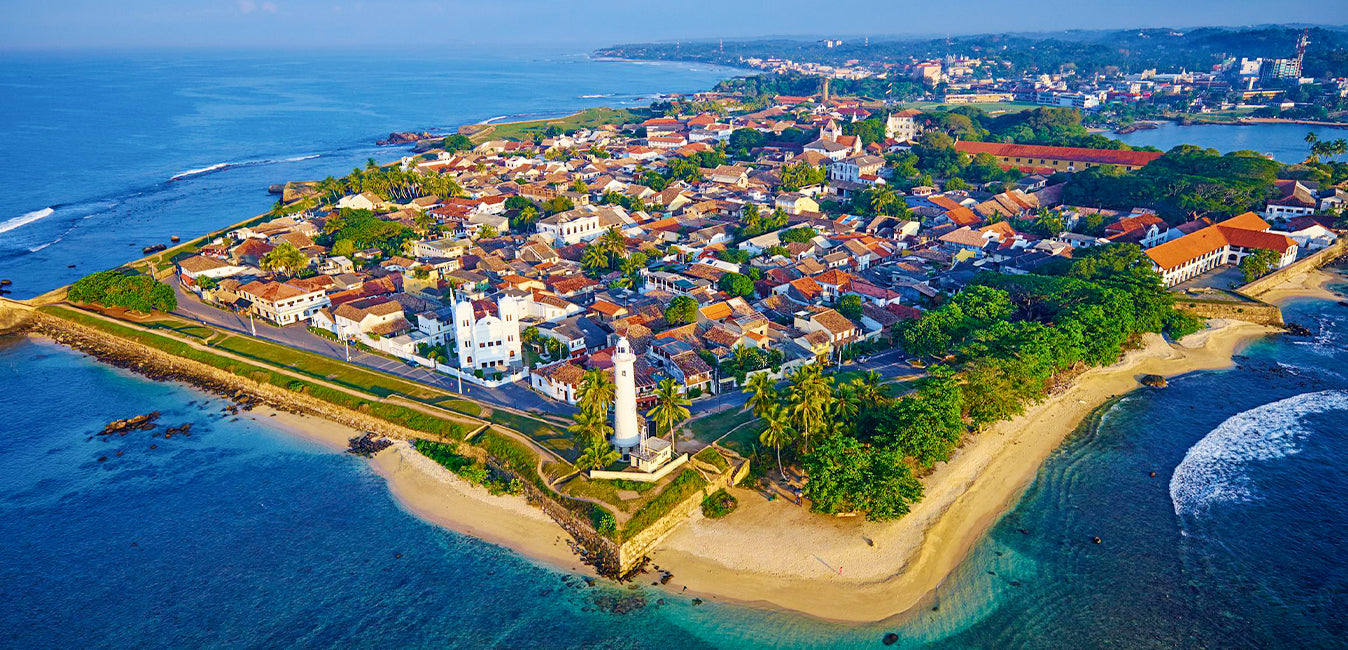
Galle to miasto położone na południowo-zachodnim krańcu Sri Lanki, 119 km od Kolombo. Galle jest najlepszym przykładem ufortyfikowanego miasta zbudowanego przez Europejczyków w Azji Południowej i Południowo-Wschodniej, ukazując interakcję między europejskimi stylami architektonicznymi a tradycjami Azji Południowej. Fort w Galle jest obiektem światowego dziedzictwa i największą zachowaną twierdzą w Azji, zbudowaną przez europejskich okupantów. Galle to duże miasto, jak na standardy Sri Lanki, liczące 91 000 mieszkańców, z których większość stanowią Syngalezi. W okolicy fortu żyje również liczna mniejszość lankijska – Maurowie, wywodzący się od arabskich kupców, którzy osiedlili się w starożytnym porcie Galle. O prowincji południowej: Prowincja południowa Sri Lanki to niewielki obszar geograficzny obejmujący dystrykty Galle, Matara i Hambantota. Rolnictwo i rybołówstwo stanowią główne źródło dochodu dla zdecydowanej większości mieszkańców tego regionu. Do ważnych zabytków Prowincji Południowej należą rezerwaty przyrody w parkach narodowych Yala i Udawalawe, święte miasto Kataragama oraz starożytne miasta Tissamaharama, Kirinda i Galle. (Chociaż Galle jest starożytnym miastem, z okresu sprzed inwazji portugalskiej nie przetrwało prawie nic). W okresie portugalskim działało dwóch słynnych syngaleskich poetów: Andare z Dickwella i Gajaman Nona z Denipitiya w dystrykcie Matara, którzy tworzyli poematy o zwykłym człowieku.