Lakpura
Lakpura®

Debregeasia wallichiana ssp.ceylanica


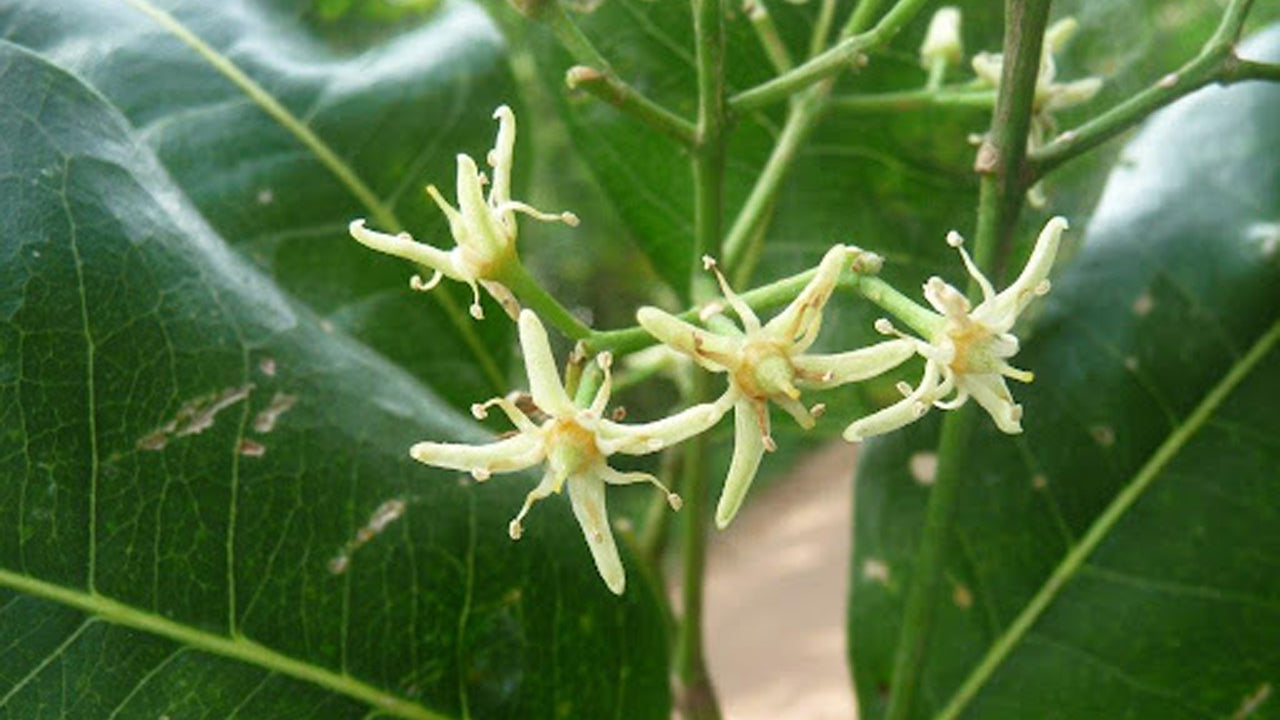
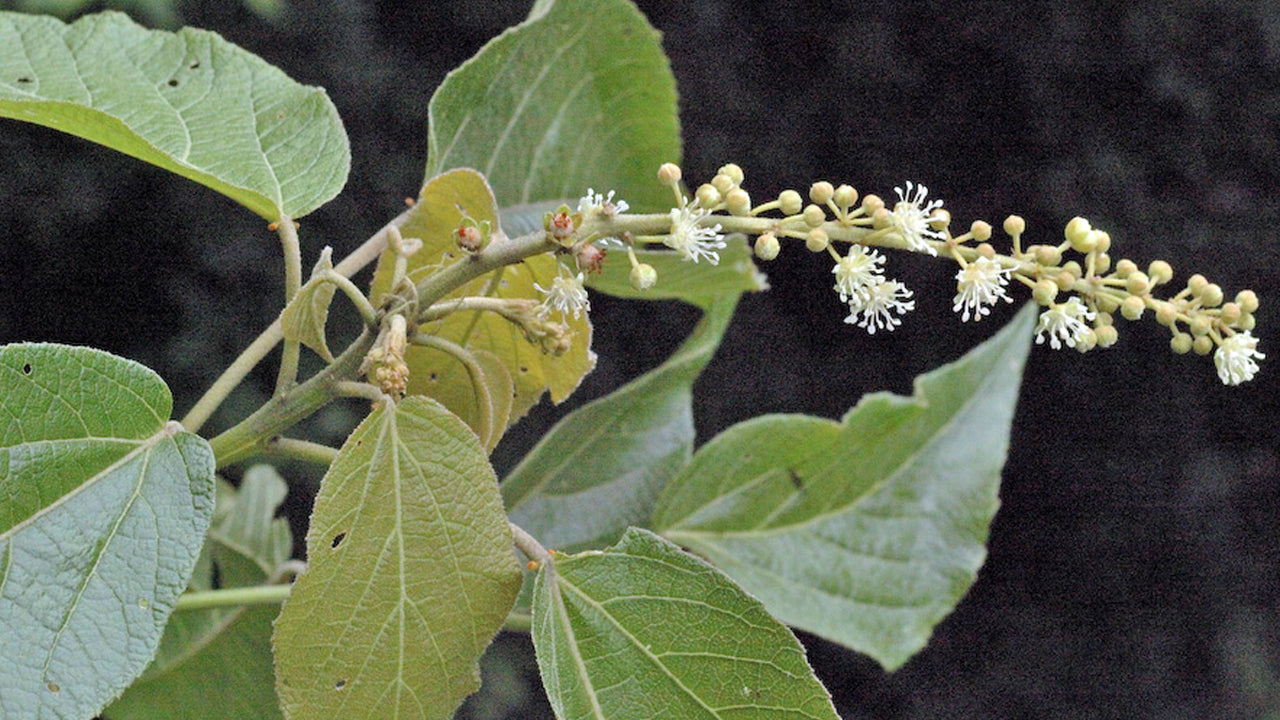
Debregeasia wallichiana ssp. ceylanica is a lesser-known but botanically significant plant native to Sri Lanka, catalogued as part of the island's rich tradition of ayurvedic medicinal flora. Belonging to the family Urticaceae, this subspecies represents one of Sri Lanka's endemic or regionally restricted taxa, reflecting the extraordinary plant diversity that the island's varied ecosystems continue to support.

What is Debregeasia wallichiana ssp. ceylanica?

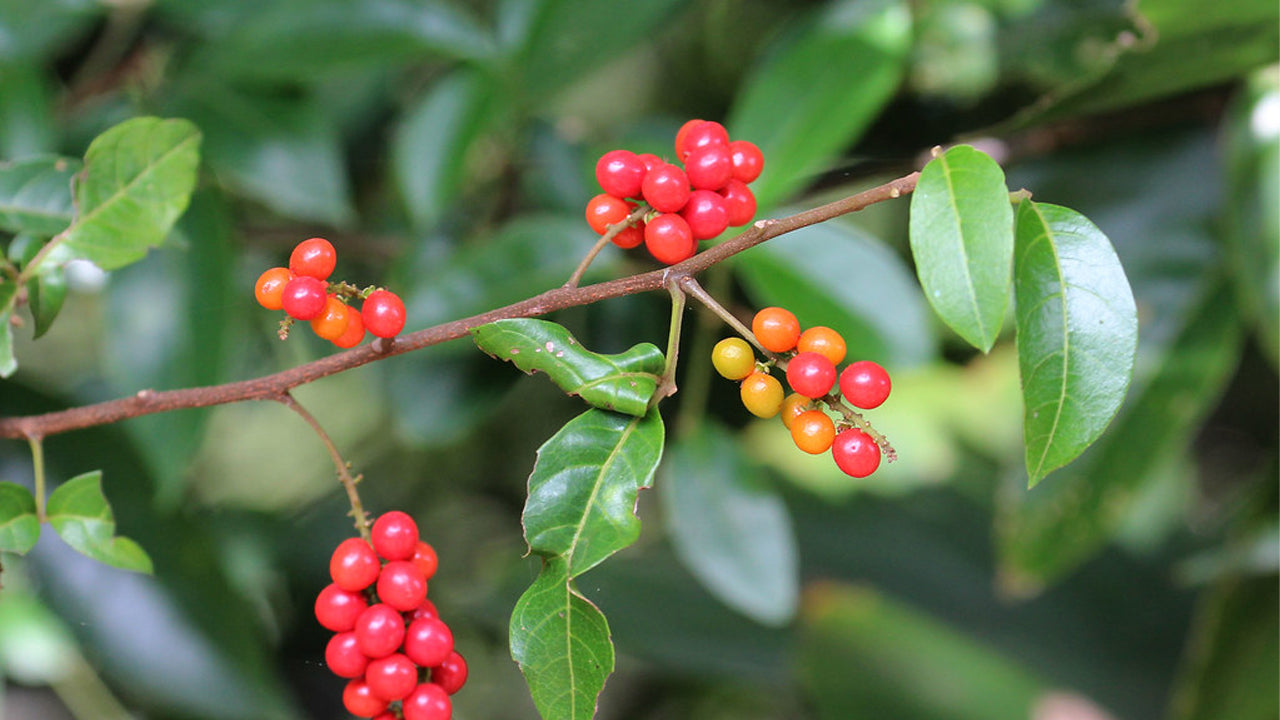
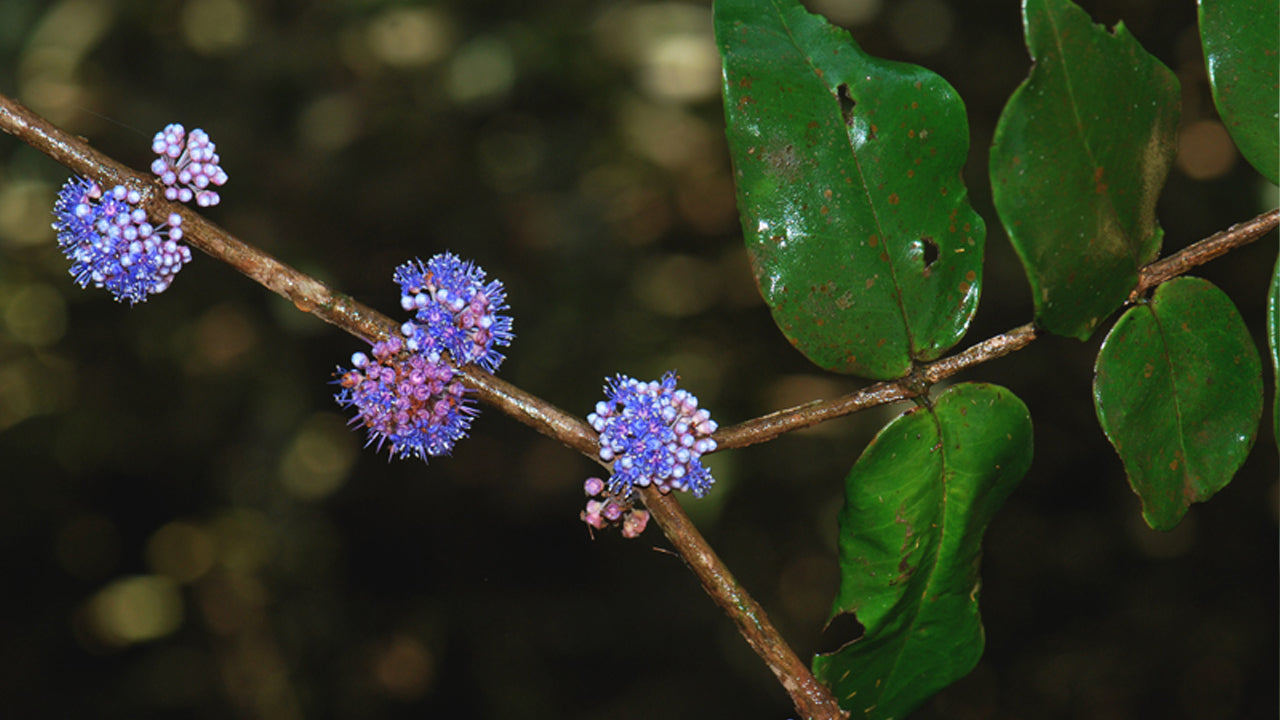
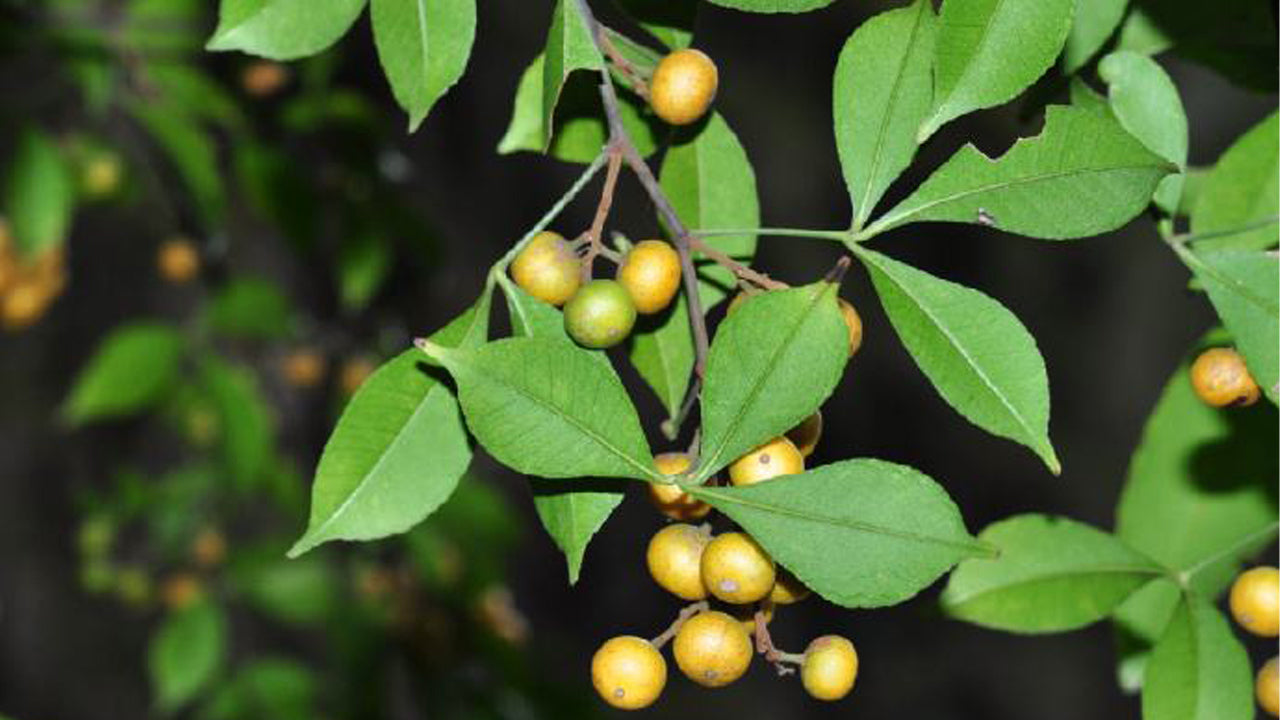
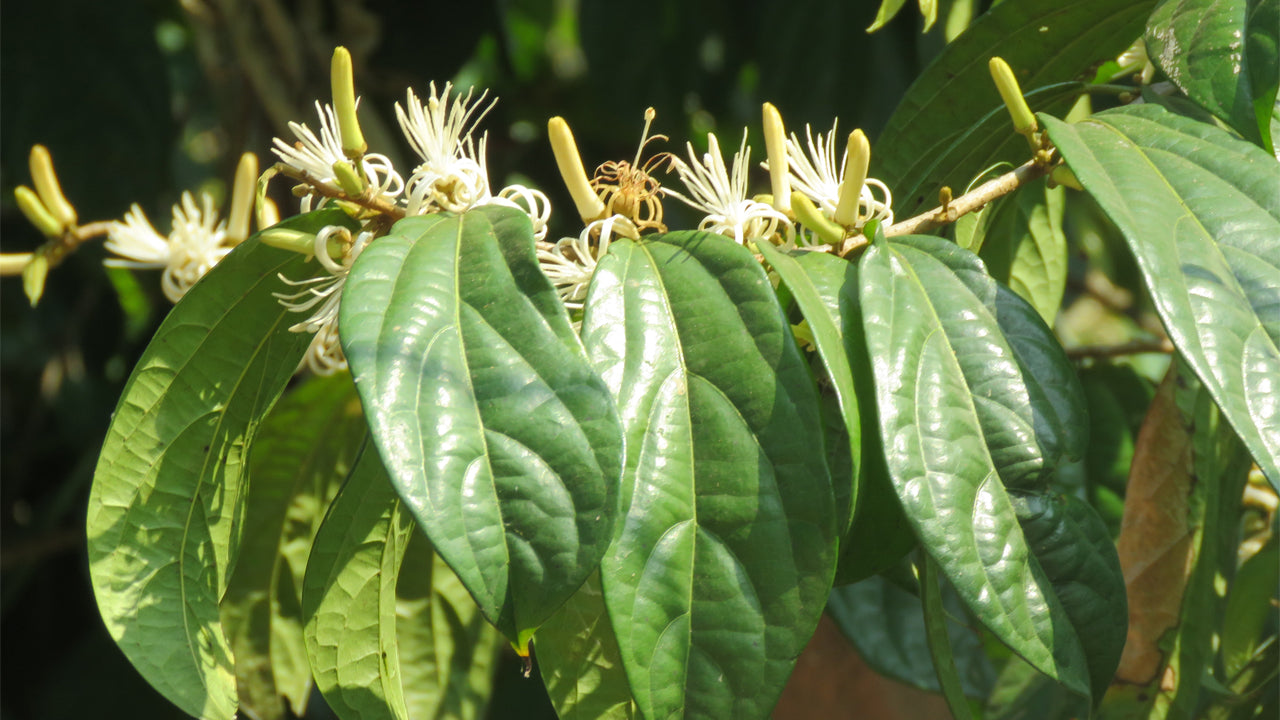
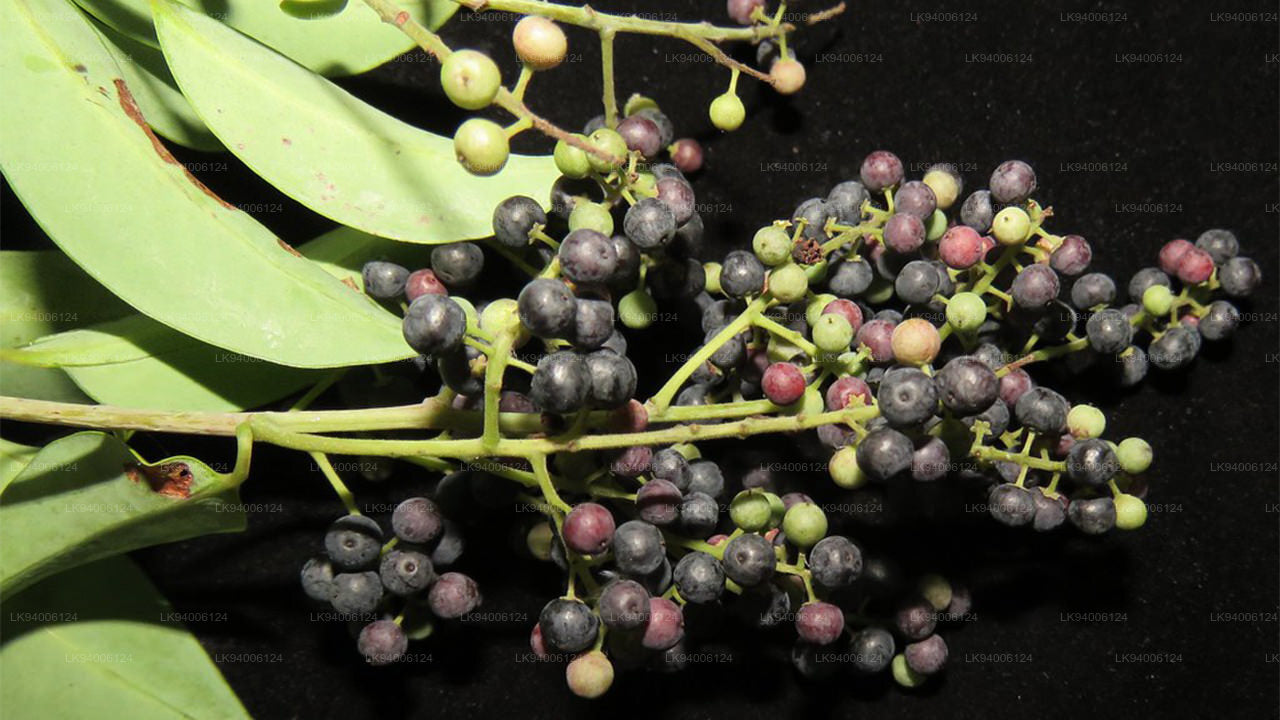
Debregeasia wallichiana is a shrub or small tree found across parts of tropical and subtropical Asia. The subspecies ceylanica denotes a distinct variant associated with Sri Lanka — the name itself drawing from Ceylonica, the island's colonial-era designation. Plants in the genus Debregeasia are characterised by their lance-shaped leaves, often with a whitish or silvery underside, and clusters of small fleshy fruits. They typically colonise moist, shaded environments such as forest margins, stream banks, and mid-elevation slopes.

Within Sri Lanka's botanical literature, this plant is assigned the identifier LK94005694, used by researchers and conservationists to track and document the island's plant catalogue systematically.

What is the role of this plant in ayurvedic medicine?

Sri Lanka has one of the oldest living traditions of ayurvedic practice in South Asia, with a documented pharmacopoeia that draws on thousands of native plant species. Debregeasia wallichiana ssp. ceylanica is included in this catalogue, indicating that traditional practitioners recognise it as medicinally relevant. Plants in the Debregeasia genus have been studied in various regional traditions for properties related to anti-inflammatory and antimicrobial activity, though specific therapeutic applications should always be interpreted within the framework of qualified ayurvedic guidance.

Sri Lanka's ayurvedic heritage is closely linked to other botanically rich resources. Sinharaja Forest Reserve, a UNESCO World Heritage Site, is among the habitats where endemic plant species important to traditional medicine are still found and studied.

Where does this plant grow in Sri Lanka?

Subspecies ceylanica is adapted to the humid, mid-elevation zones of Sri Lanka, most typically found in the wet zone and montane transition areas. These habitats include the forest understorey, riverine edges, and degraded margins of natural forest. The plant generally prefers partial shade and moist, well-drained soils — conditions common to Sri Lanka's central highlands and wet southwestern lowlands.

Comparable riparian and moist-forest specialists also appear in wet-zone ecosystems such as those surrounding Horton Plains National Park, which protects a range of endemic montane flora.

How does this plant fit into Sri Lanka's broader plant diversity?

Sri Lanka is globally recognised as a biodiversity hotspot, with a high proportion of endemic plant species relative to its land area. The documentation of subspecies such as ceylanica is part of an ongoing scientific effort to map, name, and conserve the island's native flora before habitat loss reduces populations to unrecoverable levels.

Other documented medicinal plants in Sri Lanka's ayurvedic catalogue include Acacia chundra and Pongamia pinnata, each occupying distinct ecological niches and carrying their own therapeutic histories in traditional practice. Together, these species reflect the depth and specificity of Sri Lanka's plant-based knowledge systems.

What is the conservation status and research context?

Subspecies-level taxa like ceylanica are often overlooked in broader conservation assessments, which tend to focus on species-level listings. However, subspecific distinctiveness matters: if ceylanica represents a genetically or morphologically distinct population restricted to Sri Lanka, its loss would be irreversible. Sri Lanka's Department of Ayurveda and botanical institutions such as the Royal Botanic Gardens at Peradeniya contribute to ongoing inventory and research efforts for plants of this kind.

Field botanists visiting Sri Lanka often combine ecological exploration with visits to living collections maintained at heritage gardens, providing opportunities to observe documented species in curated settings alongside wild-habitat observation.

How is traditional botanical knowledge preserved in Sri Lanka?

Sri Lanka's ayurvedic tradition is transmitted through formal institutions, family lineages of veda mahattayas (traditional physicians), and increasingly through digitised national plant catalogues. The government's Department of Ayurveda maintains registers of medicinal plants used in classical formulations, and academic institutions contribute taxonomic research that feeds into these records.

Plants like Debregeasia wallichiana ssp. ceylanica sit at the intersection of taxonomy, ethnobotany, and conservation biology — their documentation serving both scientific and cultural purposes. The Lakpura plant catalogue aims to make this information accessible to travellers, researchers, and enthusiasts with an interest in Sri Lanka's natural heritage.

Ask Lakpura® Agent