
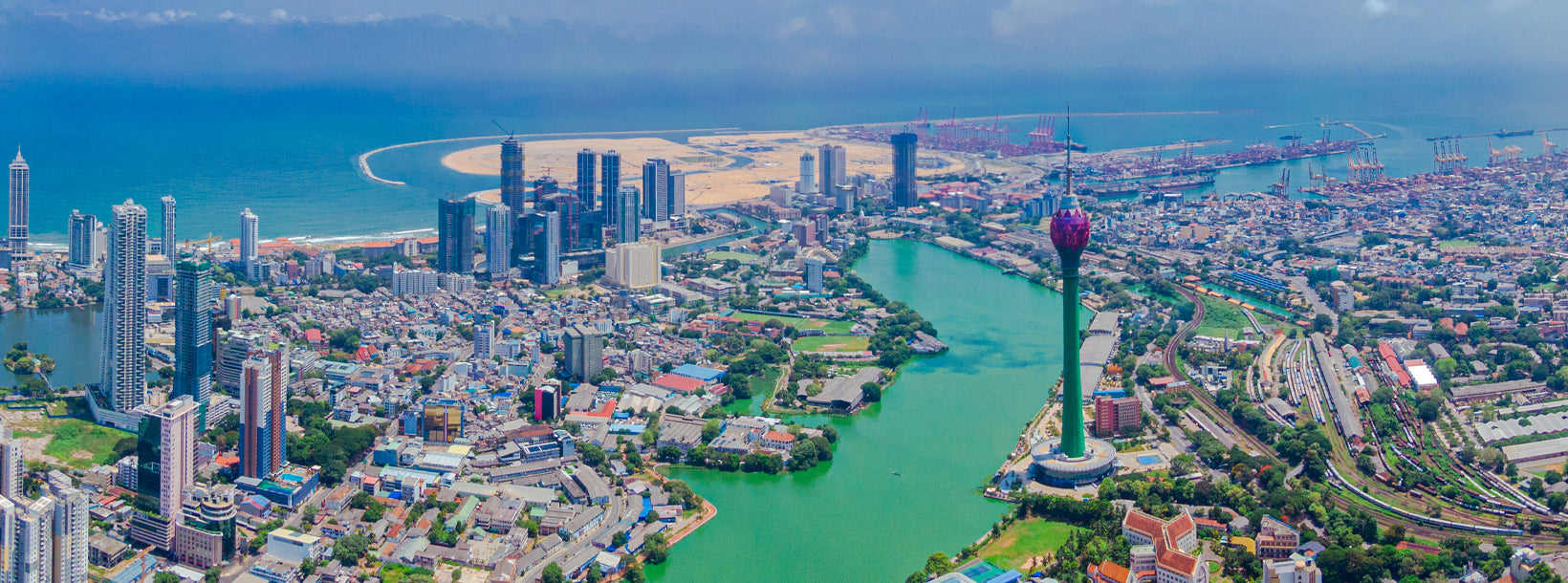
Jezioro Beira


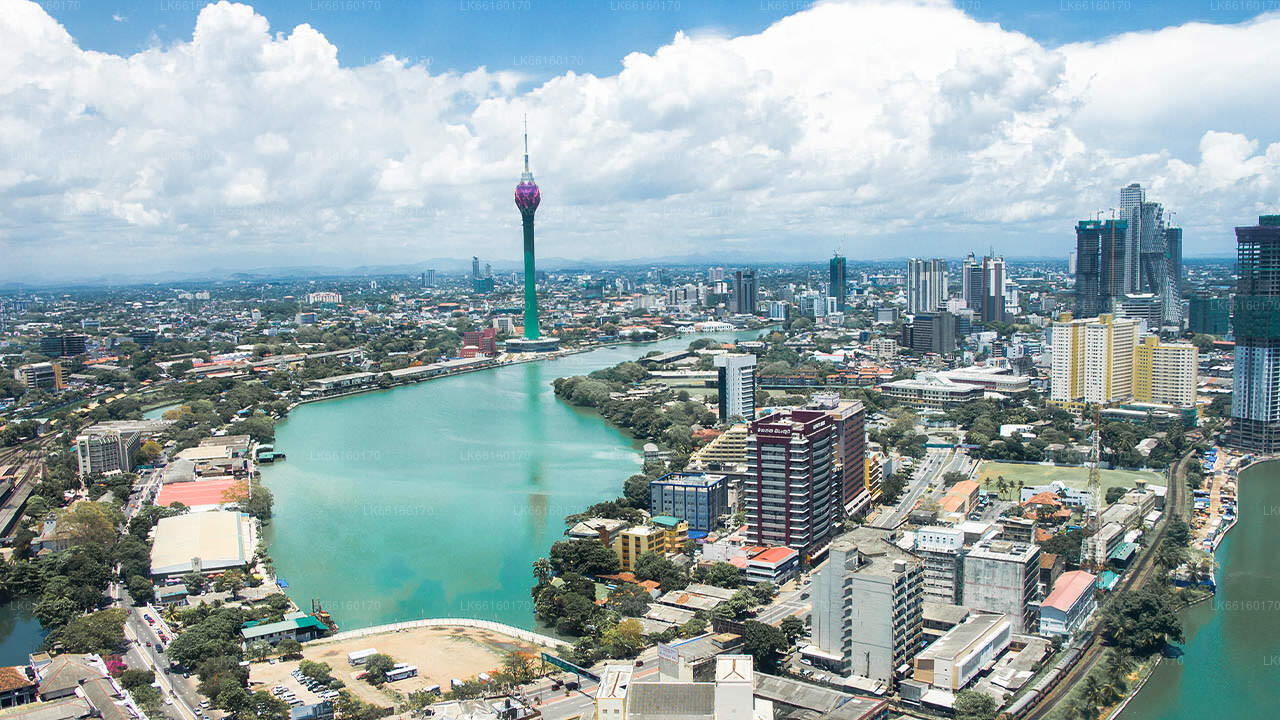
Jezioro Beira jest jednym z najbardziej znanych punktów orientacyjnych w Colombo. Znajduje się w samym centrum stolicy i jest jednym z nielicznych miejsc relaksu i piękna w obrębie granic miasta. Obszar wokół jeziora ma wiele atrakcji, nie wspominając o historii samego jeziora.
Jezioro Beira zaczęło jako znacznie większe jezioro zajmujące powierzchnię 410 akrów ponad sto lat temu. Jednak w wyniku szybkiej komercjalizacji obszaru zostało ono ograniczone do około 160 akrów.
Historia
Beira zostało stworzone przez portugalskich najeźdźców w XVI wieku, aby służyło jako fosa chroniąca ich bazę w Kolombo przed wrogimi mieszkańcami. Dodali do jeziora wiele ukrytych niebezpieczeństw, takich jak wielkie krokodyle i inne.
Beira okazało się dużą przeszkodą dla miejscowych władców, takich jak Mayadunne z Sitawaki, którzy próbowali uwolnić region spod obcego panowania. To syn Mayadunne, Rajasingha I, udało się osuszyć jezioro w 1587 roku, zbliżając się tym samym do odzyskania tego obszaru spod panowania Portugalczyków. Przeciął kanały, które zaopatrywały jezioro w wodę, ale nie poradził sobie z dodatkowymi posiłkami, które Portugalczycy przywieźli z Indii.
Po tym, jak Holendrzy przejęli kontrolę nad jeziorem, zostało ono powiększone, a na jeziorze stworzono kilka sztucznych wysp. Niektóre z nich, takie jak Slave Island, były wystarczająco duże, aby mieć wioski lub plantacje kokosowe. Ludzie zaczęli osiedlać się na wyspach, a ruch wodny zwiększył się. Jednak głównie było wykorzystywane do trzymania więźniów politycznych, jak miało to miejsce w Slave Island, lub do upraw rolnych, głównie z powodu krokodyli, które nadal zamieszkiwały jezioro.
Po przejęciu kontroli przez Brytyjczyków, usunęli oni krokodyle i rozwinęli obszar wokół jeziora. Trawiaste brzegi stały się popularnym miejscem na imprezy, a nawet zorganizowano wielki bal z okazji zwycięstwa Wielkiej Brytanii w bitwie pod Waterloo. Jezioro Beira stało się słynne z różnych działań rekreacyjnych, takich jak wiosłowanie i żeglarstwo. Slave Island zostało oczyszczone z więzień, a w 1810 roku otwarto pierwszy ogród botaniczny Cejlonu, Kew Gardens. Rośliny dostarczono z Royal Botanic Gardens w Londynie. Pod koniec XIX wieku rozpoczęto rekultywację ziemi pod rozwój, a powierzchnia jeziora zmniejszyła się, a zanieczyszczenie zaczęło wzrastać.
Rozwój Beiry
Około dziesięć lat temu sytuacja pogorszyła się na tyle, że obszar ten był głównie otoczony przez slumsy; podczas gdy woda w jeziorze była po prostu ściekami z tych domów i chatek, które nie miały środków na prawidłowe zarządzanie odpadami. Miejsce było cuchnące, a tylko najbiedniejsi ludzie mieszkali w tej okolicy. Wybrzeże było otoczone dużymi magazynami, które przypominały handel herbatą w Kolombo; gdzie herbata była transportowana na barkach przez kanał dostępu do portu. Te magazyny stały tam jak miasto duchów; zczerniałe od brudu przez ponad sto lat, a złamane okna dodawały przerażającego klimatu. Jedynym powodem, dla którego ludzie szli do regionu jeziora Beira, było modlitwy w świątyni Gangarama lub odwiedzenie jednej z ważnych miejsc, takich jak Colombo Rowing Club, SLECC, St. Joseph’s College lub Lake House.
















Lakpura® Services




- Zaznaczenie wyboru powoduje całkowite odświeżenie strony.
- Otwiera się w nowym oknie.