Sithulpawwa Rajamaha Viharaya is one of Sri Lanka's oldest and most atmospheric rock monasteries, occupying a boulder-strewn outcrop within the southeastern dry zone. Located in the Hambantota District of the Southern Province, it sits roughly 18 km east of the sacred pilgrimage town of Kataragama and lies close to the boundary of Yala National Park — making it a natural pairing with any wildlife itinerary in the region.
What is the history of Sithulpawwa?
Historical chronicles attribute the founding of Sithulpawwa to King Kavantissa, who reigned in the 2nd century BC and was the father of the celebrated King Dutugamunu. The monastery's name is thought to derive from the Sinhala words meaning "quiet or peaceful rock," a fitting description for a retreat that once hosted large communities of forest-dwelling monks.
Ancient texts record that at its peak, the monastery was home to around 12,000 Arahants — fully enlightened monks — who gathered here to meditate in the seclusion of the rocky wilderness. This tradition of forest monasticism, drawing on the earliest strands of Theravada Buddhism in Sri Lanka, makes Sithulpawwa a site of profound religious significance rather than merely a heritage attraction.
Dozens of rock inscriptions have been discovered across the complex. Epigraphers have dated all of them to the pre-Christian era, and scholars note that some of the letter forms show localisation effects compared with contemporary inscriptions found at Polonnaruwa and Anuradhapura — evidence that regional scribal traditions were already diverging more than two millennia ago.
What can you see at Sithulpawwa?
The complex spreads across two large granite outcrops and rewards slow exploration. Key features include:
- Rock-cut caves and stucco paintings — meditation cells carved directly into the granite face, several retaining faded but recognisable Buddhist murals.
- Dagobas (stupas) — a cluster of white-washed stupas crowns the upper rock, visible from a considerable distance across the scrub forest below.
- Image houses — several shrine rooms contain reclining and seated Buddha statues, some of considerable age and refined craftsmanship.
- Rock inscriptions — Brahmi script engravings are scattered throughout the site; small interpretation boards help visitors locate the most significant panels.
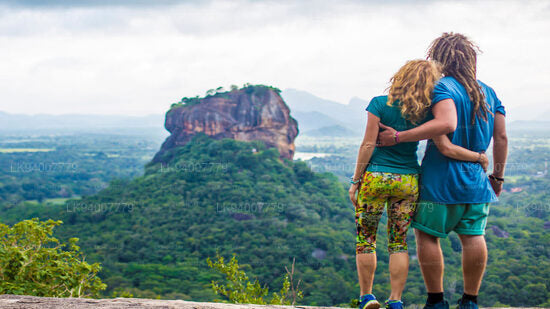
- Panoramic views — the upper terrace offers an unobstructed view over the Yala buffer zone, a flat canvas of scrub jungle, seasonal wetlands, and in the far distance, the Indian Ocean.
The site is an active place of worship, not merely a museum. Pilgrims visit year-round, and the atmosphere during poya (full-moon) days is particularly contemplative.
How do I get to Sithulpawwa from Colombo?
The most practical route is to drive south via the Southern Expressway to Hambantota, then continue east through Tissamaharama towards the Yodhakandiya road. From Tissamaharama, Sithulpawwa is approximately 18 miles (around 30 km) along this road, which also leads towards Yala National Park's main entrance. The final approach to the rock temple follows a narrow track through the park's buffer zone.
Many visitors combine the site with a morning safari at Yala and an afternoon visit to Kataragama. A private vehicle is strongly recommended — there is no reliable public transport serving the final stretch of road.
When is the best time to visit Sithulpawwa?
The site is accessible year-round, but the dry season between May and September generally offers the most comfortable conditions for climbing the rock and exploring the caves. During this period, wildlife in the surrounding buffer zone is also more concentrated around waterholes, so you may encounter elephants, deer, and peacocks even outside the national park boundary.
Avoid the midday heat in all seasons; an early morning arrival gives you the best light for photography, cooler temperatures for the climb, and a quieter atmosphere before pilgrimage groups arrive. Sithulpawwa sees heightened activity during Kataragama's annual festival season, typically in July and August, when devout visitors combine the two pilgrimage sites in a single day.
Is Sithulpawwa inside Yala National Park?
Sithulpawwa is not technically within the core protected area of Yala National Park but lies within the broader Ruhuna conservation landscape that includes the park's buffer and transition zones. Access to the monastery does not require a national park entry ticket, though the road passes through terrain that forms part of the wildlife corridor. As a result, it is not unusual to encounter wild elephants or spotted deer on the approach road, especially in the early morning or late afternoon.
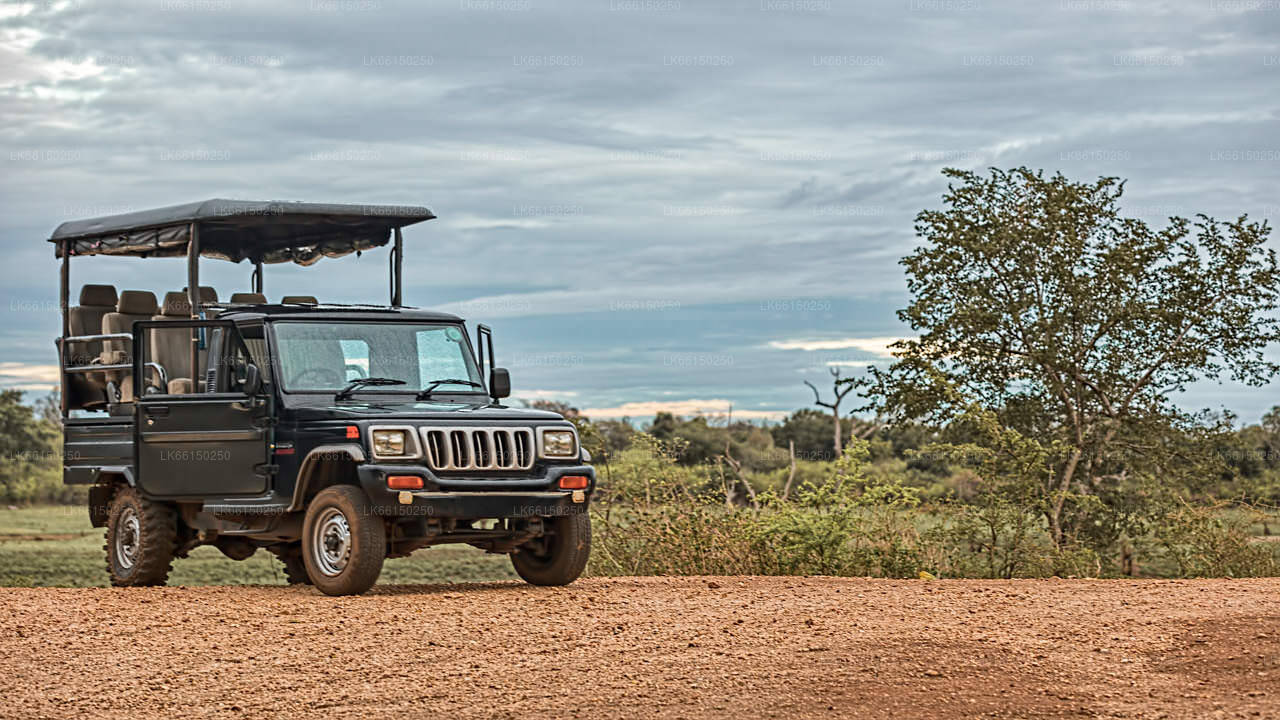
Visitors planning both Sithulpawwa and a Yala safari on the same day should arrange their itinerary carefully, as park entry is only permitted during designated hours and jeep hire must be arranged in advance from Tissamaharama or through a licensed operator.
What should visitors know before going?
- Dress code — as with all active Buddhist sites in Sri Lanka, shoulders and knees must be covered. White clothing is appropriate on poya days.
- Footwear — shoes must be removed before entering shrine rooms and when climbing to the upper rock platform. Bring socks if the granite is hot underfoot.
- Wildlife awareness — wild elephants do frequent the road leading to the monastery. Stay in your vehicle until you reach the car park.
- Facilities — basic amenities are limited on site. Carry drinking water, particularly if visiting in the dry season.
- Photography — photography of the murals and statues is generally permitted, but use discretion during active worship and never use flash inside cave shrines.
What other sites can I visit near Sithulpawwa?
The southeastern corner of Sri Lanka packs a remarkable concentration of natural and cultural landmarks within a short driving distance. Kataragama's sacred precinct — one of the island's most important multi-faith pilgrimage destinations — is around 18 km to the west. Yala National Park, Sri Lanka's most biodiverse park by recorded species, borders the site to the north. The Elephant Transit Home at Udawalawe, roughly two hours' drive away, is another worthwhile stop for wildlife enthusiasts.
Travellers with a deeper interest in Sri Lanka's early Buddhist heritage may also wish to explore the ancient city of Polonnaruwa, further north, where a much larger ensemble of medieval temple complexes, palaces, and irrigation works tell the next chapter of the island's dynastic story.