Seruwawila Mangala Raja Maha Stupa

Seruwawila Mangala Raja Maha Vihara Seruwawila Mangala Raja Maha Vihara Seruwawila Mangala Raja Maha Vihara

Seruwawila Mangala Raja Maha Stupa is an ancient Buddhist stupa located in the Eastern Province of Sri Lanka, near the town of Seruwawila. It is one of the country's most sacred and historically significant stupas, believed to house relics of the Buddha, making it a major pilgrimage site for Buddhists.

The stupa is said to have been built by King Kavantissa in the 2nd century BCE, following the arrival of Buddhist missionaries to Sri Lanka. It features traditional stupa architecture, with a large dome-shaped structure and a surrounding precinct of religious monuments. The stupa is particularly revered for its association with the Buddha's relics and its serene location, surrounded by lush greenery and tranquil landscapes.

Visitors to the Seruwawila Mangala Raja Maha Stupa can explore the peaceful surroundings, offering an opportunity for meditation and reflection. The stupa is complemented by other significant structures, including smaller shrines and ancient stone carvings, which further highlight its cultural and religious importance.

The best time to visit Seruwawila Mangala Raja Maha Stupa is during the dry season, from December to April, when the weather is most favorable for sightseeing and exploring. Easily accessible from nearby towns, the stupa provides an enriching experience for those interested in Sri Lanka's Buddhist heritage and archaeological history.

Seruwawila Mangala Raja Maha Vihara Seruwawila Mangala Raja Maha Vihara Seruwawila Mangala Raja Maha Vihara

Trincomalee District

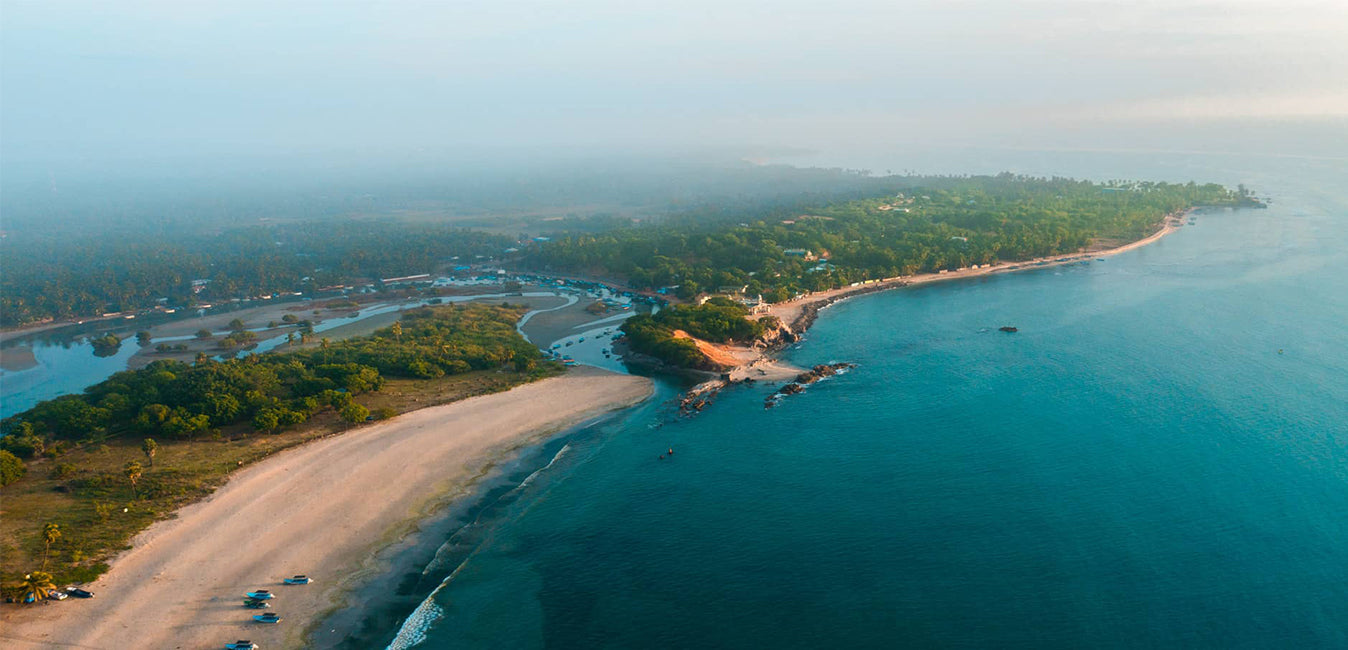
Trincomalee is a port city on the east coast of Sri Lanka. The Bay of Trincomalee's harbour is renowned for its large size and security; unlike every other in the Indian Sea, it is accessible to all types of craft in all weathers. The beaches are used for surfing, scuba diving, fishing and whale watching. The city also has the largest Dutch fort in Sri Lanka. It is home to major Sri Lankan naval bases and a Sri Lankan Air Force base.

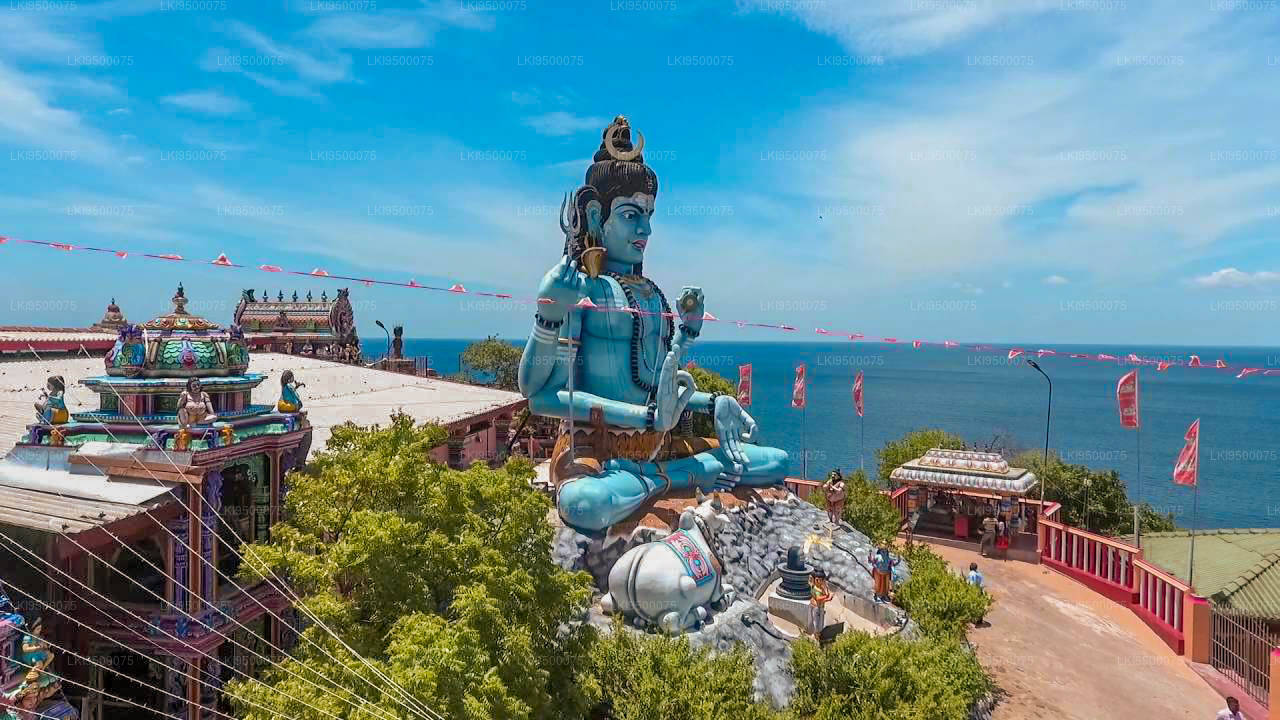
Most of the Tamils and Sinhalese believe that this place is sacred to them and they are the indigenous people of the area. Trincomalee and its environs have both Hindu and Buddhist sites of historical importance. These sites are sacred to the Hindus and Buddhists.

Eastern Province

The Eastern Province is one of the 9 provinces of Sri Lanka. The provinces have existed since the 19th century but they didn't have any legal status until 1987 when the 13th Amendment to the 1978 Constitution of Sri Lanka established provincial councils. Between 1988 and 2006 the province was temporarily merged with the Northern Province to form the North-East Province. The capital of the province is Trincomalee. The Eastern province's population was 1,460,939 in 2007. The province is the most diverse in Sri Lanka, both ethnically and religiously.

Eastern province has an area of 9,996 square kilometers (3,859.5 sq mi).The province is surrounded by the Northern Province to the north, the Bay of Bengal to the east, the Southern Province to the south, and the Uva, Central and North Central provinces to the west. The province's coast is dominated by lagoons, the largest being Batticaloa lagoon, Kokkilai lagoon, Upaar Lagoon and Ullackalie Lagoon.