Lakpura
Lakpura®

Richmond Castle

Set on a gentle hill about 2 km from Kalutara town, Richmond Castle is one of Sri Lanka's most striking examples of Edwardian colonial architecture. The 42-acre estate, built in the early twentieth century, tells the story of ambition, craftsmanship, and a quietly tragic personal history — all wrapped inside a mansion whose materials were sourced from across the globe.

Who built Richmond Castle, and why?

The estate was commissioned by Nanayakkara Rajawasala Appuhamilage Don Arthur De Silva Wijeysinghe Siriwardena, born on 12 November 1889. The son of a prosperous Sri Lankan planter, Arthur was educated in Britain, where he was later conferred a baronetcy by the Crown. On his return journey to Ceylon he passed through India and visited the palace of an old school friend, Raja Rajeswara Sethupathi, the Maharaja of Ramnad.

Inspired by the palace's grandeur, Arthur asked Sethupathi for the original construction plans. The Maharaja refused, reportedly doubting whether Ceylonese craftsmen could execute such a project. The Baron returned home, engaged two accomplished local architects, and brought them back to India — where they studied the palace closely and committed its layout to memory. Richmond Castle was the result: a deliberate statement that Sri Lankan skill and ambition were equal to any in the region.

What does Richmond Castle look like inside?

Baron Siriwardena spared nothing in the construction. Floor and roofing tiles, structural timber, stained-glass panels, decorative fixtures, and bathroom fittings were all imported from overseas, a logistical feat that was almost unheard of in Ceylon at the time. The interior reflected the highest tastes of the Edwardian era: ornate woodwork, generous verandas, and rooms designed to host dignitaries in considerable comfort.

The grounds were equally deliberate. Formal flower gardens and fruit orchards surrounded the main building, and marble statues of infants — placed throughout the park — were commissioned by the Baron and his wife, who were unable to have children of their own. The couple would reportedly gaze at the statues from the balcony above.

What is the history of the estate after the Baron's death?

Arthur moved into Richmond Castle in 1910 following his marriage to Clarice Matilda Maude Suriyabandara. For some years the estate functioned as a centre of aristocratic social life: lavish banquets for foreign and local dignitaries, a troupe of more than 50 entertainers, a grand horse-drawn white carriage, and a small private security force were among its reported features.

The marriage eventually ended, and a grief-stricken Arthur retreated to a hotel in Kandy, living as a hermit and never returning to the castle. He bequeathed his entire wealth to a public trust and made personal provisions for his former wife's care until her death. Baron Siriwardena died on 8 July 1947, aged 59. The trust subsequently maintained the estate, and it was later opened to the public — preserving the mansion as a heritage site for generations of visitors.

How do I get to Richmond Castle from Colombo?

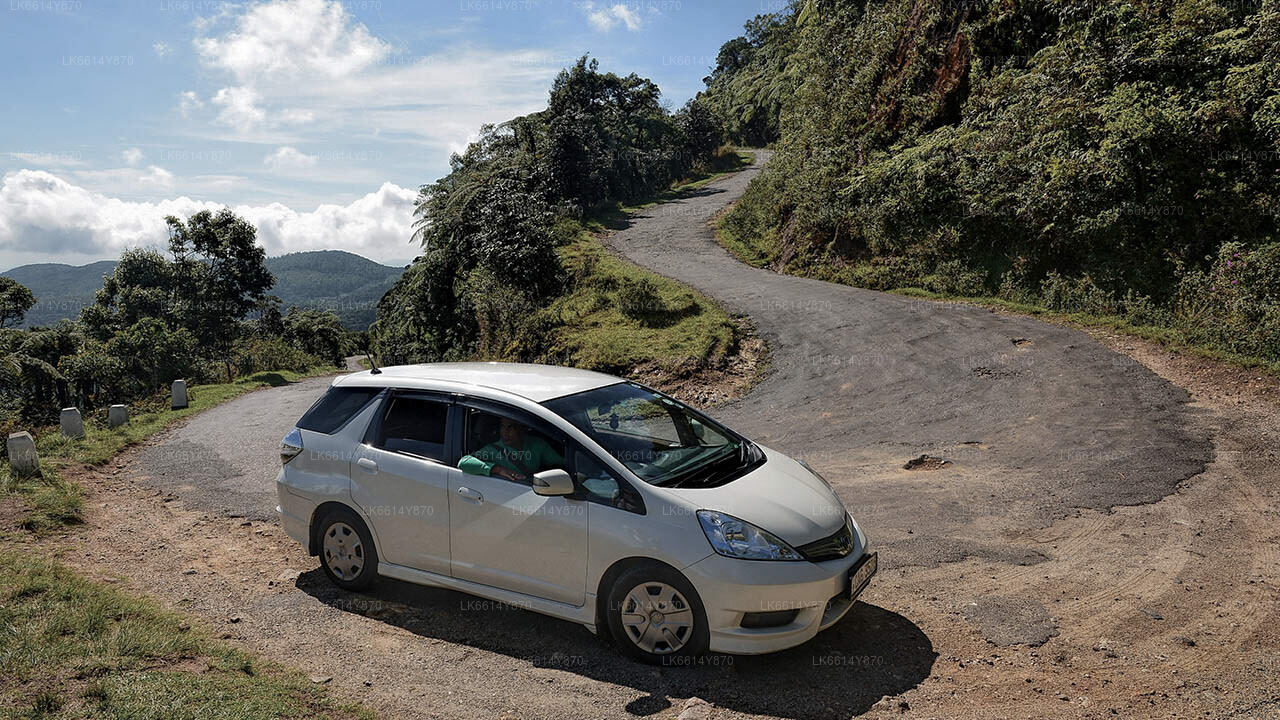
Richmond Castle sits roughly 2 km from Kalutara town, which is approximately 40–45 km south of Colombo along the Southern Expressway or the coastal A2 highway. By private car the drive typically takes around 45 minutes to an hour from the city, depending on traffic. Kalutara is also served by regular train and bus services from Colombo Fort, making it accessible without a private vehicle, though a short three-wheeler ride from town is needed to reach the hilltop estate.

If you are combining Richmond Castle with nearby coastal attractions — such as the Madu River Safari further south — a private car is the most practical option for managing timing across multiple stops.

What can visitors see and do at Richmond Castle?

  • The mansion itself — guided tours of the ground floor reveal the imported fittings, ornate woodwork, and period furnishings that survive from the original construction.
  • The gardens and orchards — the 42-acre grounds retain their landscaped character, with mature trees and the marble statuary that made the estate famous.
  • Heritage photography — the exterior facades, verandas, and garden statues are popular with photographers interested in colonial-era architecture.
  • The estate's historical display — interpretive materials on site detail the Baron's life, the construction story, and the building's place in Sri Lankan social history.

When is the best time to visit Richmond Castle?

The estate can be visited year-round, but the dry season from December through April tends to offer the most comfortable conditions for exploring the grounds and gardens. Kalutara sits on the southwest coast, meaning the area receives its heaviest rainfall during the southwest monsoon, roughly May to September. Early morning visits on weekdays are quieter and allow more time with the interiors without crowds.

What makes Richmond Castle architecturally significant?

The mansion is among a small number of early twentieth-century private residences in Sri Lanka built to rival colonial government buildings of the same period. Its hybrid character — an Indian palace plan executed by Sri Lankan architects using materials sourced internationally — makes it a rare document of Edwardian-era ambition outside the British administrative mainstream. Unlike many comparable estates that have since been demolished or converted beyond recognition, Richmond Castle retains much of its original fabric, which gives it genuine heritage value.

The building is sometimes cited alongside other colonial-era structures in the Western Province as evidence of the wealth accumulated by Sri Lankan landowners and planters during the late nineteenth and early twentieth centuries — a layer of history that sits alongside, but distinct from, the narrative of British administrative architecture.

Are there other attractions near Richmond Castle?

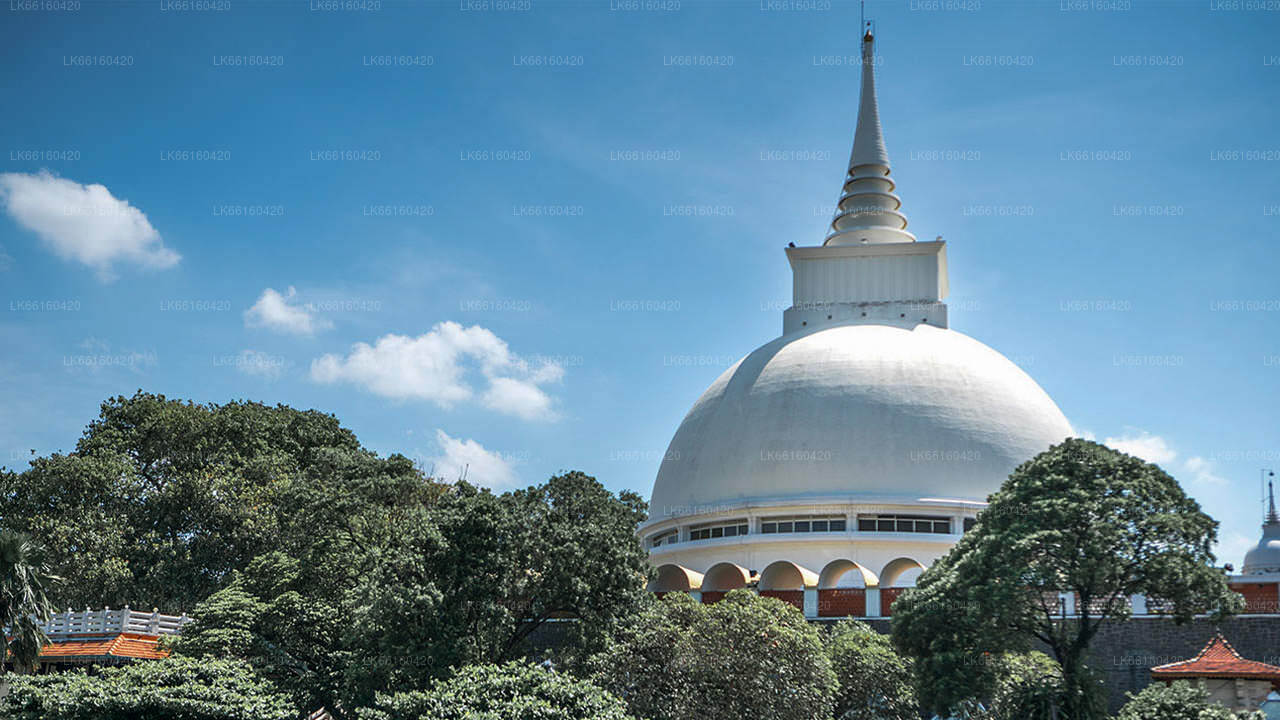
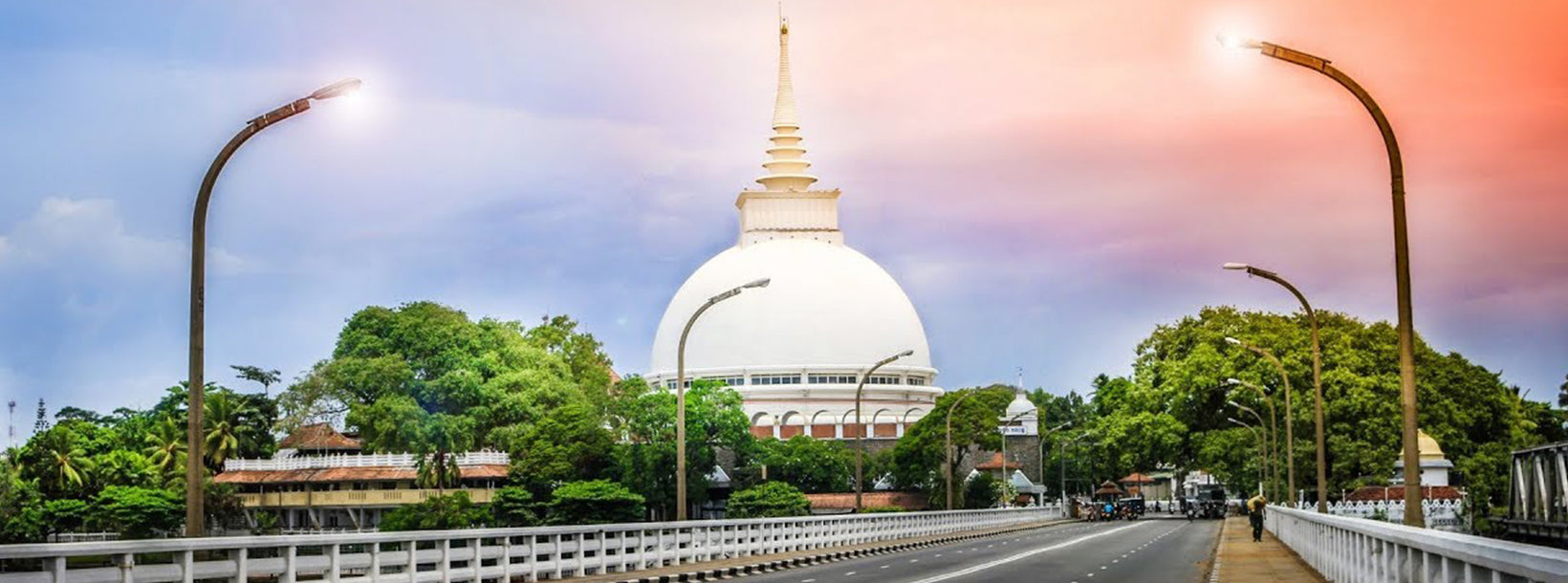
Kalutara and the surrounding coastline offer a range of complementary experiences for visitors making a day trip from Colombo or passing through on a longer southern itinerary. The Kalutara Bodhiya, one of the most visited religious sites on the west coast, is just a few minutes from the town centre. Further south, the backwater ecosystem at Madu Ganga provides a strong contrast to the mansion's formal architecture, with boat tours through mangrove channels and small island temples. The Kosgoda Sea Turtle Conservation Project is within easy reach for travellers continuing toward Bentota or Galle.

Book this experience with Lakpura

Curated by our local team. Direct booking, instant confirmation.

Ask Lakpura® Agent