Lakpura
Lakpura®

Pedro Tea Estate

Perched in the cool hills above Nuwara Eliya, Pedro Tea Estate is one of Sri Lanka's most visited working tea factories. The estate sits at an elevation that gives its teas a characteristic brightness and delicate astringency — qualities that have made high-grown Ceylon tea a benchmark for buyers worldwide. A visit here is as much an education in craft as it is a window into the colonial-era industry that shaped this entire hill-country region.

Where is Pedro Tea Estate?

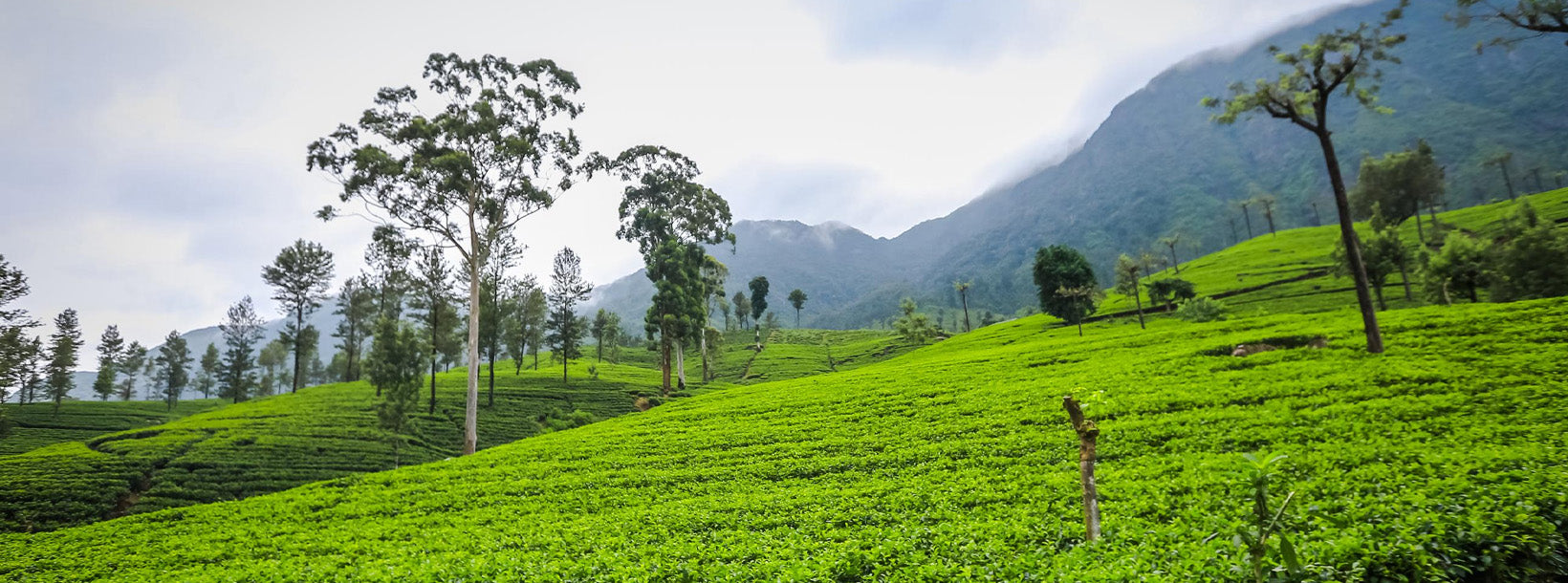
Pedro Tea Estate lies roughly 3 kilometres from Nuwara Eliya town, tucked into the slopes below Pidurutalagala — the tallest mountain in Sri Lanka, which gives the estate its name. The surrounding landscape is a patchwork of manicured tea bushes, cloud forest, and eucalyptus windbreaks typical of this part of the central highlands. The road from Nuwara Eliya is short and accessible by car or tuk-tuk, making the estate an easy half-day excursion from town.

What can I see and do at Pedro Tea Estate?

The centrepiece of any visit is the guided factory tour. Starting from the top floor and working downward, guides walk visitors through each stage of orthodox black-tea manufacture:

  • Withering — freshly plucked leaf is spread on long troughs and dried by warm air to reduce moisture content.
  • Rolling — the withered leaf is passed through cylindrical rollers that break cell walls and begin the oxidation process.
  • Fermentation (oxidation) — rolled leaf rests on cool tables while enzymes react with oxygen, darkening the leaf and developing flavour.
  • Drying (firing) — leaf passes through a dryer at high temperature to halt oxidation and lock in the final character.
  • Sorting and grading — automated sieves and sorters separate the finished tea into grades such as OP, BOP, and BOPF before it is weighed and bagged.

At several points the guide will show you the difference between grades — a practical introduction to the tea-classification system that is otherwise opaque to most visitors. The factory itself dates from the early twentieth century, and much of the original British-era machinery remains in daily use alongside newer equipment, giving the space an industrial authenticity that sanitised heritage centres rarely match.

After the factory tour, guests are taken to the tasting room. Here you can compare cups from different grades produced on the estate, noticing how grade affects colour, body, and finish. Staff can explain which grades suit different brewing styles — a detail that becomes genuinely useful if you plan to buy tea to take home.

Tea plucking is sometimes offered as an add-on experience, particularly during peak flush seasons. Picking neatly — two leaves and a bud — sounds simple until you try it alongside a worker who fills a basket in the time it takes most visitors to collect a handful.

When is the best time to visit Pedro Tea Estate?

The factory runs year-round, but the quality and volume of production varies with the growing season. The two main flush periods for Nuwara Eliya teas are the first flush (roughly February to April) and the second flush (August to September). Visiting during a flush means the withering lofts and rolling rooms are at full capacity, which makes for a more dramatic tour. Outside flush periods the factory may be running at reduced throughput, though tours still operate.

Nuwara Eliya's climate is cool and can be misty at any time of year. The months from November to January coincide with the northeast monsoon and bring heavier rain; the town can be cold enough to require a light jacket even in daytime. The driest and sunniest window tends to fall between January and April, which also aligns with the first flush — arguably the best time to combine estate touring with good weather and peak production.

How does Pedro compare to other Nuwara Eliya estates?

Several estates around Nuwara Eliya offer visitor experiences, and Bluefield Tea Gardens is the most commonly cited alternative. Pedro's advantage is that it is a fully operational orthodox factory rather than a heritage attraction with a demonstration line. The machinery processes real commercial volumes of tea daily, which gives the tour a working-industry feel. The tasting room is compact but well run, and the on-site shop stocks estate teas at prices that typically undercut hotel gift shops.

What grades of tea does Pedro Estate produce?

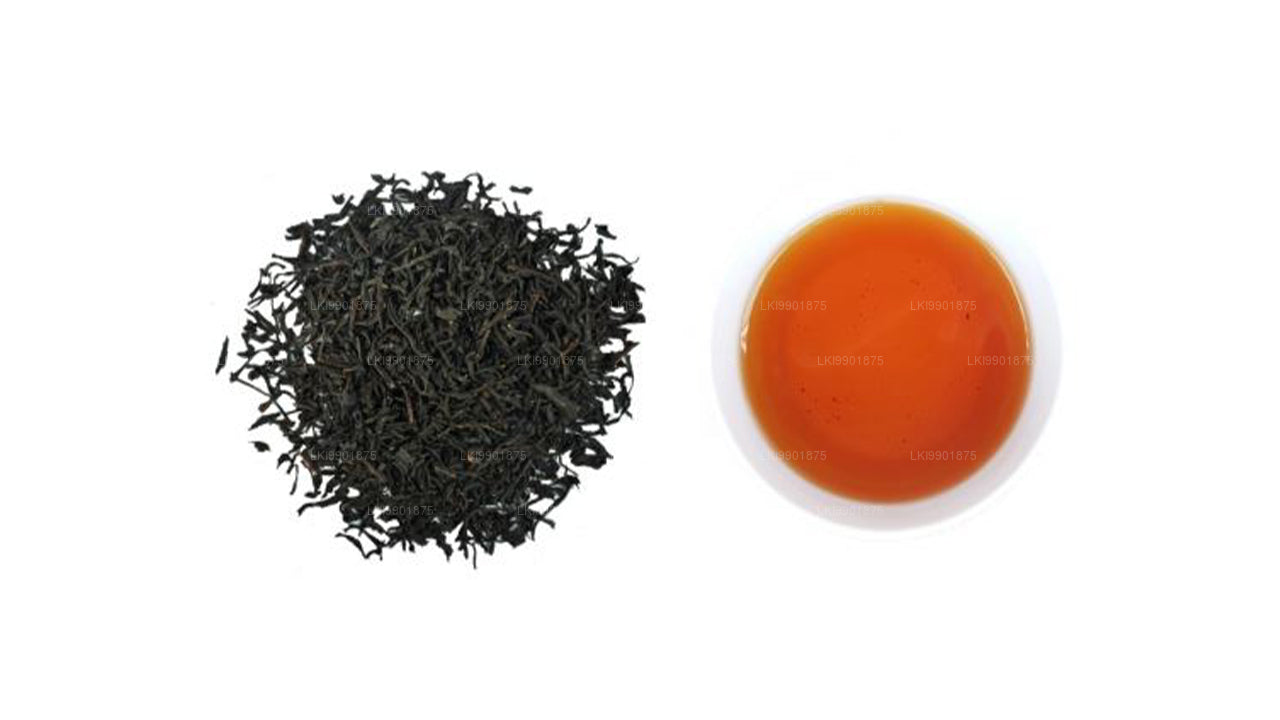
Pedro produces orthodox black teas across multiple grades. The estate's high elevation — above 1,800 metres — is the defining factor: cooler temperatures slow leaf growth, concentrating flavour compounds and producing the bright, golden liquor and characteristic muscatel notes associated with Nuwara Eliya teas. Common grades from estates in this district include OP (Orange Pekoe), BOP (Broken Orange Pekoe), and BOPF (Broken Orange Pekoe Fannings), each suited to different brewing methods and markets. If you want to explore the full range of high-grown Ceylon black teas beyond a single estate, Ceylon Green Tea from adjacent districts offers an instructive contrast in how altitude and processing diverge.

Sustainability and community at Pedro Estate

Like most of Sri Lanka's larger estates, Pedro operates within a plantation community where workers and their families live on site. The estate has pursued a number of environmental initiatives consistent with the Sri Lanka Tea Board's sustainability frameworks, including water recycling in the factory and efforts to manage chemical inputs across the cultivation area. Visitors interested in the social dimension of plantation life will find the guided tour touches on workers' conditions and community infrastructure, though the depth of that commentary varies by guide.

Practical information for visitors

DetailInformation
LocationApprox. 3 km from Nuwara Eliya town centre, Central Province
Getting thereTuk-tuk or private car from Nuwara Eliya; no direct bus service to the gate
Tour durationTypically 45–60 minutes for the factory tour, plus tasting
Best visiting hoursMorning visits recommended; factory activity is highest before midday
What to wearClosed shoes required in the factory; bring a light jacket — the lofts are ventilated and cool
PhotographyGenerally permitted in the factory; confirm with your guide on the day

If you are combining Pedro with a broader Nuwara Eliya itinerary, the estate pairs well with a walk around Gregory Lake, the colonial buildings along Park Road, and the Nuwara Eliya Post Office — all within a short drive. For a longer day out, the cloud forest and grasslands of Horton Plains National Park are around 30 kilometres south and can be visited the same morning before the estate opens for tours.

Getting to Nuwara Eliya from Colombo

Nuwara Eliya is approximately 180 kilometres from Colombo by road, with journey times of around four to five hours depending on traffic and the route taken. The most scenic approach is via Kandy and the A5, which climbs through tea country past Ramboda Falls. Alternatively, the train from Colombo to Nanu Oya (the station serving Nuwara Eliya) is one of Sri Lanka's celebrated rail journeys, passing through Ella country and offering open-door carriages with hill views — though the journey takes six to eight hours and seats in the observation carriage should be booked well in advance.

Book this experience with Lakpura

Curated by our local team. Direct booking, instant confirmation.

Ask Lakpura® Agent